
Mount Heng, the North Sacred Mountain (Hunyuan)
The northern mountain of China's Five Great Mountains; its main peak Tianfengling rises 2,016.1 m, honored through the ages as the "Northern Pillar of Heaven and Man" and revered as the guardian sacred mountain of successive dynasties
Visitor info
- Opening hours
- 08:00-17:00
- Ticket
- CNY 47 (cable car extra)
Price is indicative — final quote on inquiry.
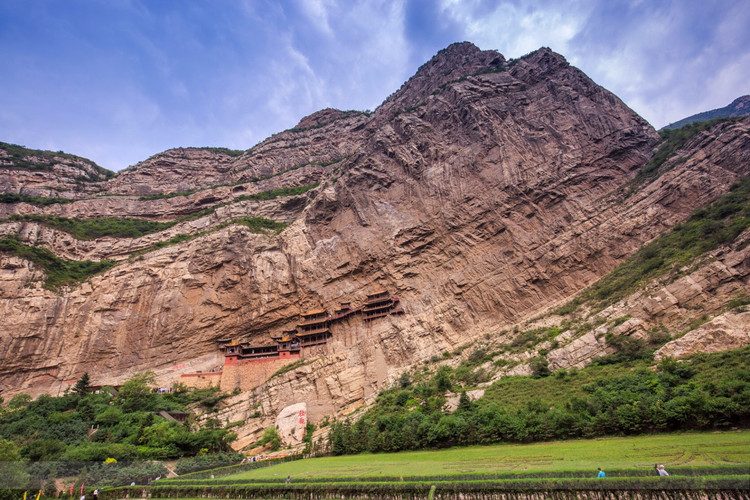
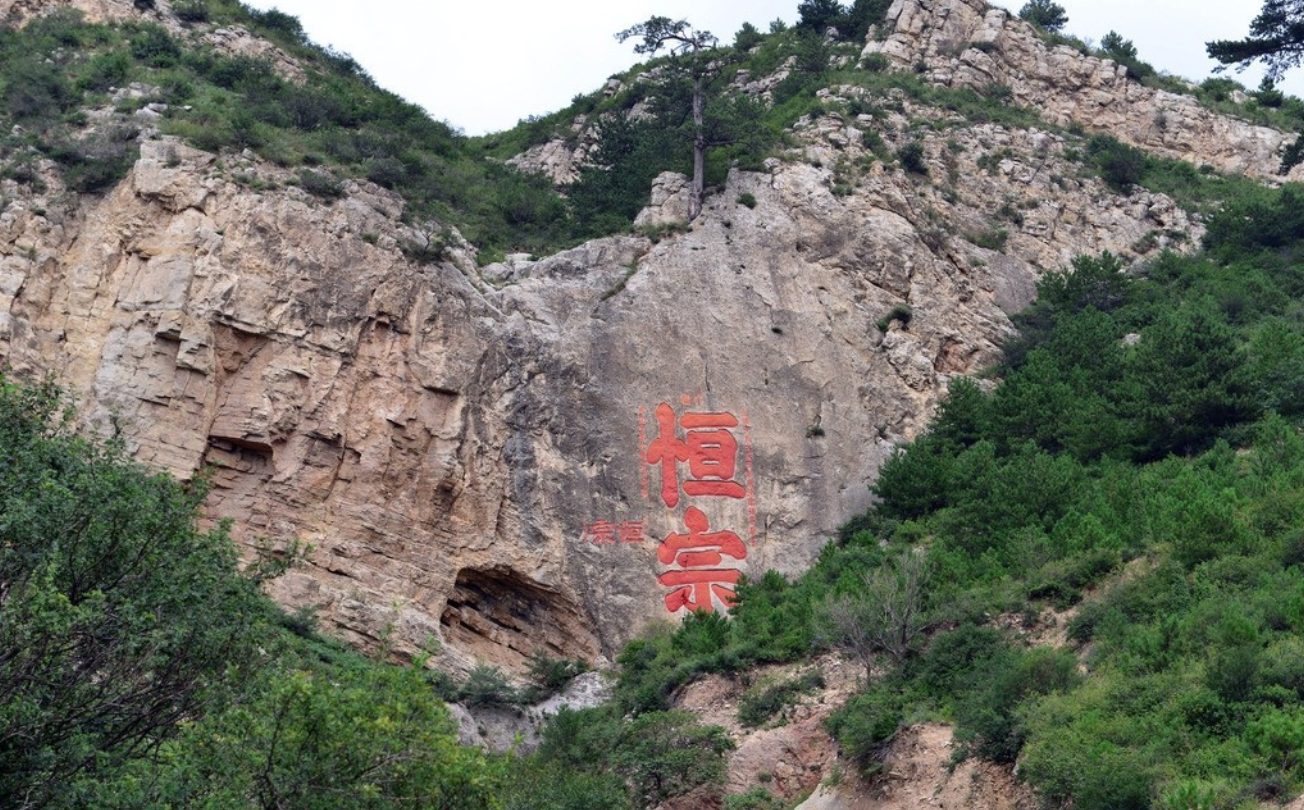
The northern mountain of China's Five Great Mountains; its main peak Tianfengling rises 2,016.1 m, honored through the ages as the "Northern Pillar of Heaven and Man" and revered as the guardian sacred mountain of successive dynasties. Hengzong Hall is built against the cliff, while Daoist relics such as Huixianfu (Immortal-Gathering Mansion) and Qinqitai (Chess and Zither Terrace) dot the mountain trails; the temple fair on the third day of the third lunar month draws flourishing incense and crowds. It shares Hunyuan with the Hanging Temple, so climbing the mountain and visiting the temple can both be done in one day.
Getting there: Hunyuan by self-drive / shuttle bus
Photos

More in Datong
- Yungang Grottoes
UNESCO World Heritage Site (2001); imperial grottoes of the Northern Wei, carved over five centuries. The Tanyao Five Caves (Caves 16-20) carve great Buddhas in the emperors' image as symbols of Northern Wei state destiny
- Datong Ancient City Wall
Ming-dynasty wall of Datong Prefecture, expanded by Xu Da; 7.2km in circumference, restored and fully reconnected in 2016, with complete gate towers and barbicans on all four sides—a full display of the grandeur of this 'Lock and Key of the North,' a stronghold among the Nine Border Garrisons
- Huayan Temple
Pinnacle of Liao-Jin Buddhist architecture; following the Liao-dynasty Khitan 'sun worship' custom, it sits west and faces east—an orientation rare among Chinese Buddhist temples
- Shanhua Temple
A Liao-Jin temple commonly known as the South Temple: the Mahavira Hall is a Liao-era structure, the Jin-era Three Sages Hall has dougong brackets intricate as flowers, and the Liao-Jin painted clay statues of the Twenty-Four Devas each differ in bearing — one of the largest and best-preserved Liao-Jin temple complexes surviving in China
- Nine-Dragon Screen
The front screen wall of the Ming Prince Dai's mansion, built in 1392 and 45.5m long — the largest and oldest nine-dragon screen surviving in China, 300 years older than Beijing's Beihai Nine-Dragon Screen
- Prince Dai's Mansion Site · Fahua Temple
The mansion of Prince Dai, a Ming vassal prince, was destroyed by war at the end of the Ming; some halls have been rebuilt to recreate the layout of a princely residence