Tibetan Villages (Shuzheng Village and others)
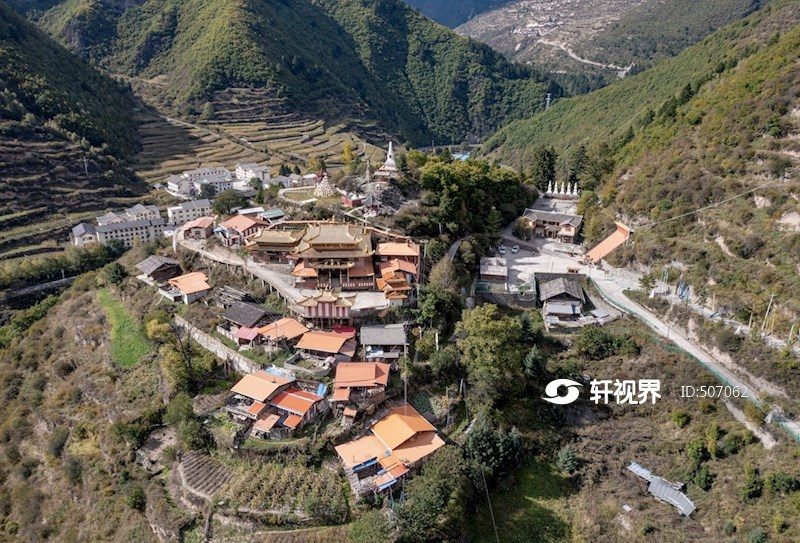
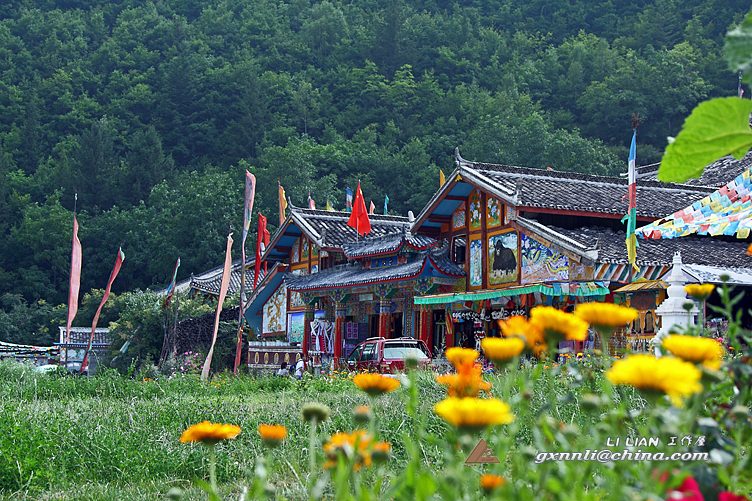
Villages of the indigenous Tibetans inside Jiuzhaigou — the park's name, 'Valley of Nine Villages,' comes from the nine villages in the valley
Visitor info
- Opening hours
- Open all day
- Ticket
- Included in park admission
Price is indicative — final quote on inquiry.
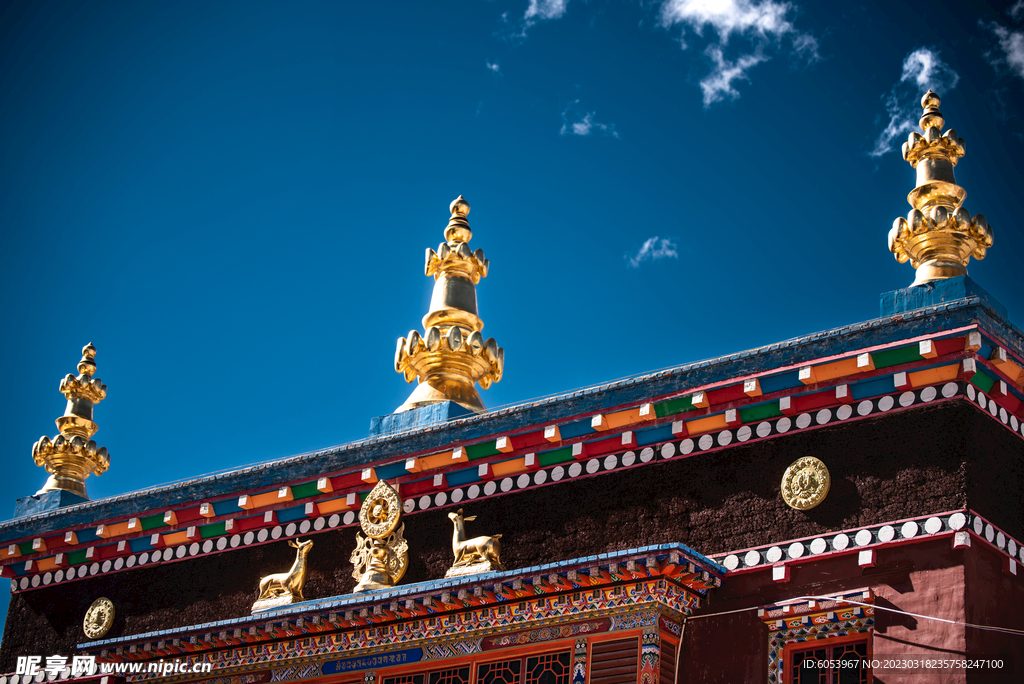
Villages of the indigenous Tibetans inside Jiuzhaigou — the park's name comes from the nine villages in the valley; after residents were resettled elsewhere following the 2017 earthquake, some villages were kept as cultural showcase sites, and Shuzheng Village and others have reopened to visitors. The villages preserve water mills, prayer flags and prayer wheels; you can enter homes to try butter tea and highland barley wine, and hear locals tell the love legend of Jiuzhaigou's sacred peaks Dage and Semo — the human layer of 'Tibetan culture' beyond the scenery.
Getting there: Along the sightseeing shuttle route
Photos
More in Jiuzhaigou
- Jiuzhaigou Valley Scenic Area
A Y-shaped valley in the southern Minshan Mountains, made up of Shuzheng Valley, Rize Valley and Zechawa Valley; named after the nine Tibetan villages inside, it was inscribed as a World Natural Heritage Site together with Huanglong in 1992
- Shuzheng Valley
The first valley of Jiuzhaigou, running from the valley entrance to Nuorilang Waterfall: the Shuzheng Lakes are twenty to thirty lakes big and small linked in tiers, trees grow thickly on the travertine dikes, and water mills and prayer-wheel houses stand along the stream — a living display of Tibetan water-mill culture within a natural landscape
- Rize Valley
The essence of the whole valley: Five Flower Lake shows peacock-feather-like iridescent colors thanks to the spectral differences of lakebed travertine, algae and sunken wood, and is called "the essence of Jiuzhaigou"
- Zechawa Valley
The longest and highest-altitude valley in Jiuzhaigou: Long Lake at its end is Jiuzhaigou's largest lake, fed by snowmelt with no outlet — "never full, never dry" — and revered by Tibetans as a holy lake
- Zharu Temple
The largest and only Tibetan Bon religion monastery in Jiuzhaigou, sitting beneath Baojing Rock (Treasure Mirror Rock) at the mouth of Zharu Valley; said to date from the Ming Dynasty, it has been the faith center of the valley's nine Tibetan villages through the ages
- Ganhaizi (Alpine Meadow)
An alpine meadow wetland west of Jiuzhaigou's valley entrance; Jiabo Ancient Town is a resort of stone-built Tibetan-Qiang style buildings, snow peaks ring the meadow, and visitors are now welcomed at the 'Gate of Jiuzhai' viewing platform