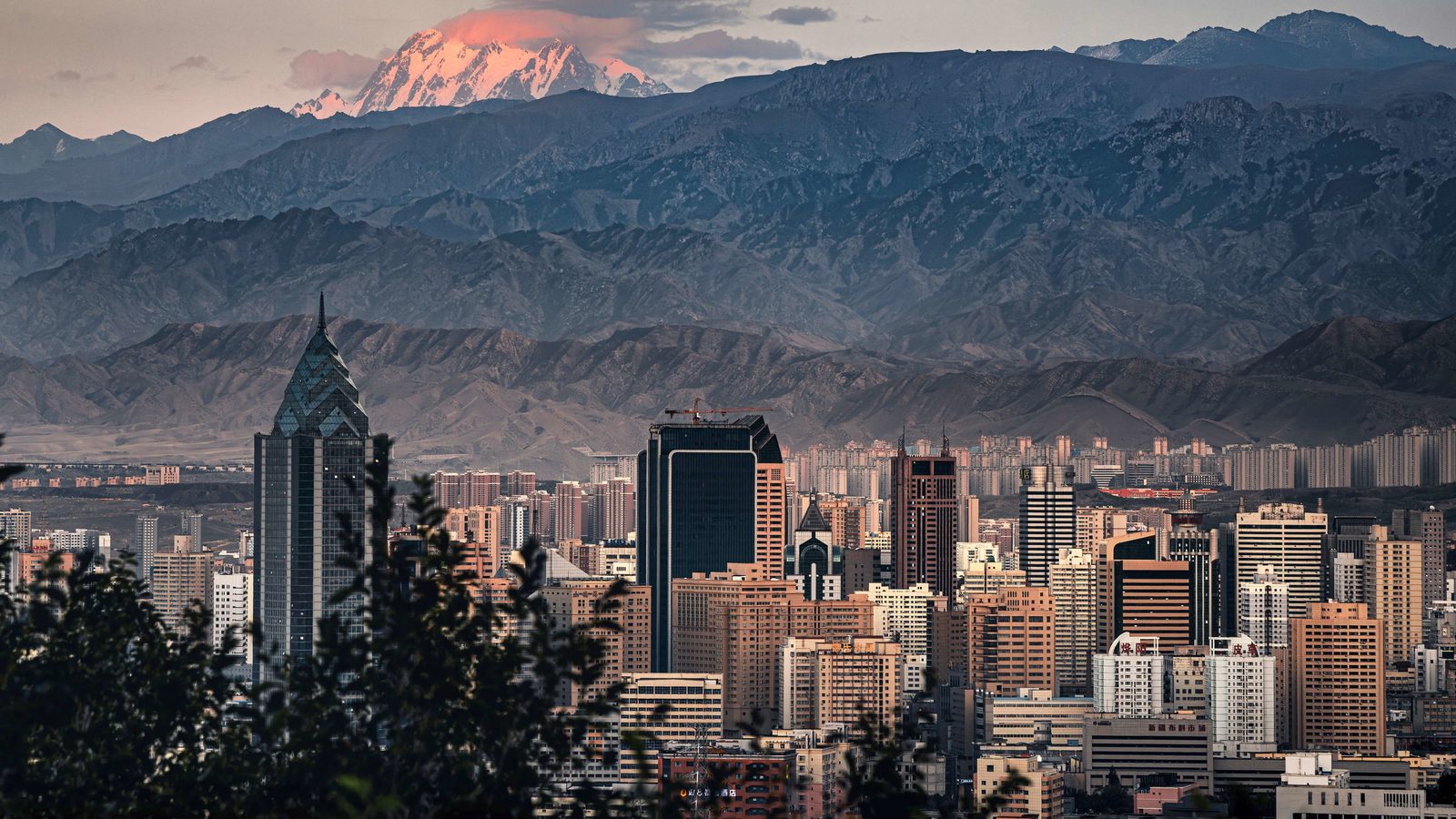
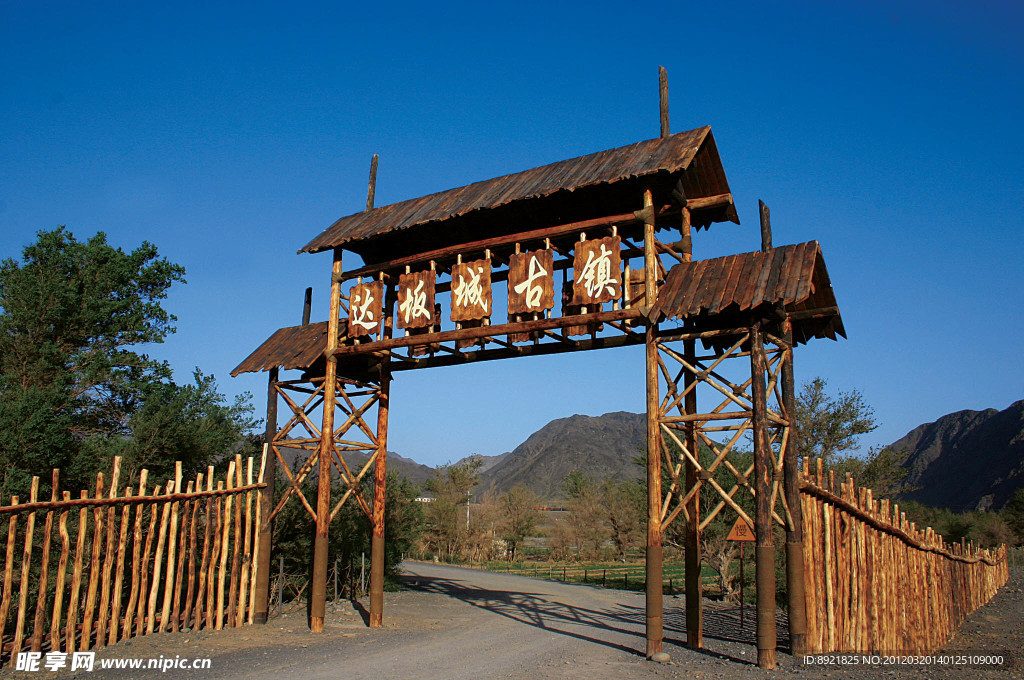
Dabancheng Ancient Town
An ancient town straight out of a song—Wang Luobin's 'The Girl from Dabancheng' made this little wind-gap town in the Tianshan Mountains famous at home and abroad
Visitor info
- Opening hours
- 10:00-19:00
- Ticket
- approx. CNY 40
Price is indicative — final quote on inquiry.
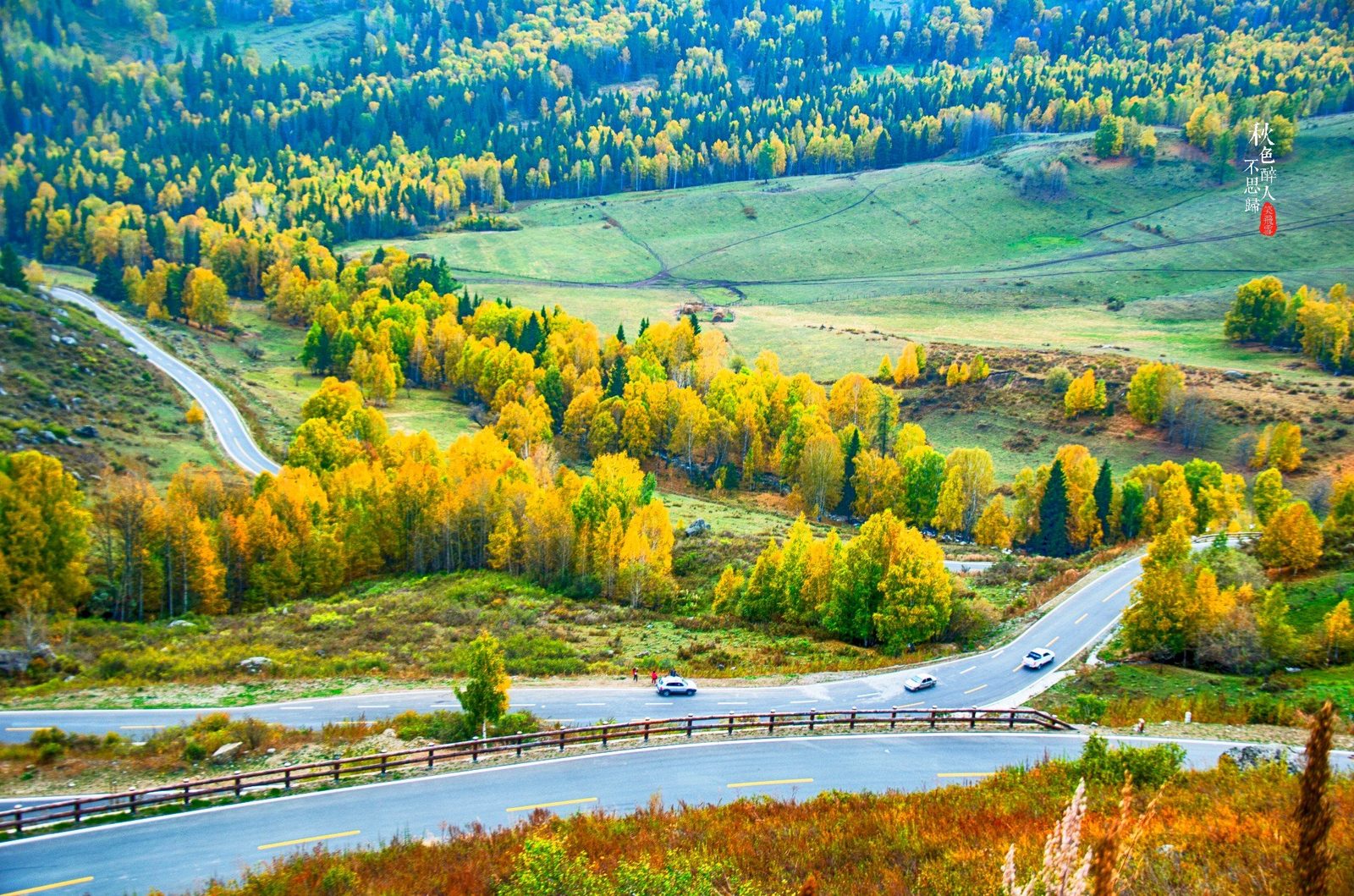
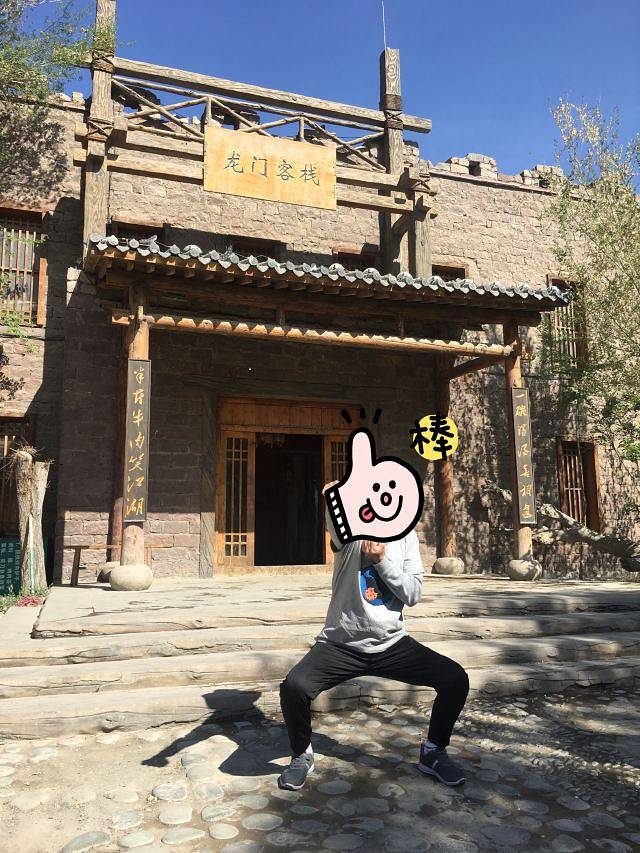
An ancient town straight out of a song—Wang Luobin's 'The Girl from Dabancheng' made this little wind-gap town in the Tianshan Mountains famous at home and abroad. In the Thirty-Li Wind Zone, ranks of wind turbines line the mountains as scenery, and the Wang Luobin Art Museum chronicles his life collecting folk songs; in the town's reconstructed quarter you can sample Dabancheng broad beans and kebabs. With its twin wind-power and music themes, it suits a half-day stopover.
Getting there: self-drive to Dabancheng
Photos
More in Urumqi
- Xinjiang International Grand Bazaar
Completed in 2003, the world's largest grand bazaar; its Islamic-style building complex and 80m observation tower form Urumqi's most striking landmark
- Erdaoqiao Folk Customs Street
An old Uyghur-inhabited shopping district contiguous with the Grand Bazaar, long known as 'Xinjiang's First Street'
- Hongshan Park
Urumqi's city emblem: the Red Hill Pagoda at the summit, a nine-story dragon-suppressing pagoda built in 1788 under Qing emperor Qianlong; the ochre hill set against green shade forms the famous 'Red Hill Sunset' scene
- Xinjiang Uygur Autonomous Region Museum
The grand repository of Xinjiang's history and culture: the 3,800-year-old 'Loulan Beauty' mummy and Xiaohe Cemetery artifacts lift the veil on the ancient kingdoms of Lop Nur
- Shaanxi Grand Mosque (Khan Tengri Mosque area)
A mosque funded by Shaanxi and Gansu Hui Muslims in the Qing dynasty and a representative of Chinese palace-style mosques — its upturned-eaved great hall resembles inland temples yet serves as a prayer hall, a testament to multiculturalism taking root in Urumqi
- Xinjiang People's Theater
A Soviet-style theater completed in 1955 whose facade blends Islamic decorative art — a performing-arts landmark of Urumqi