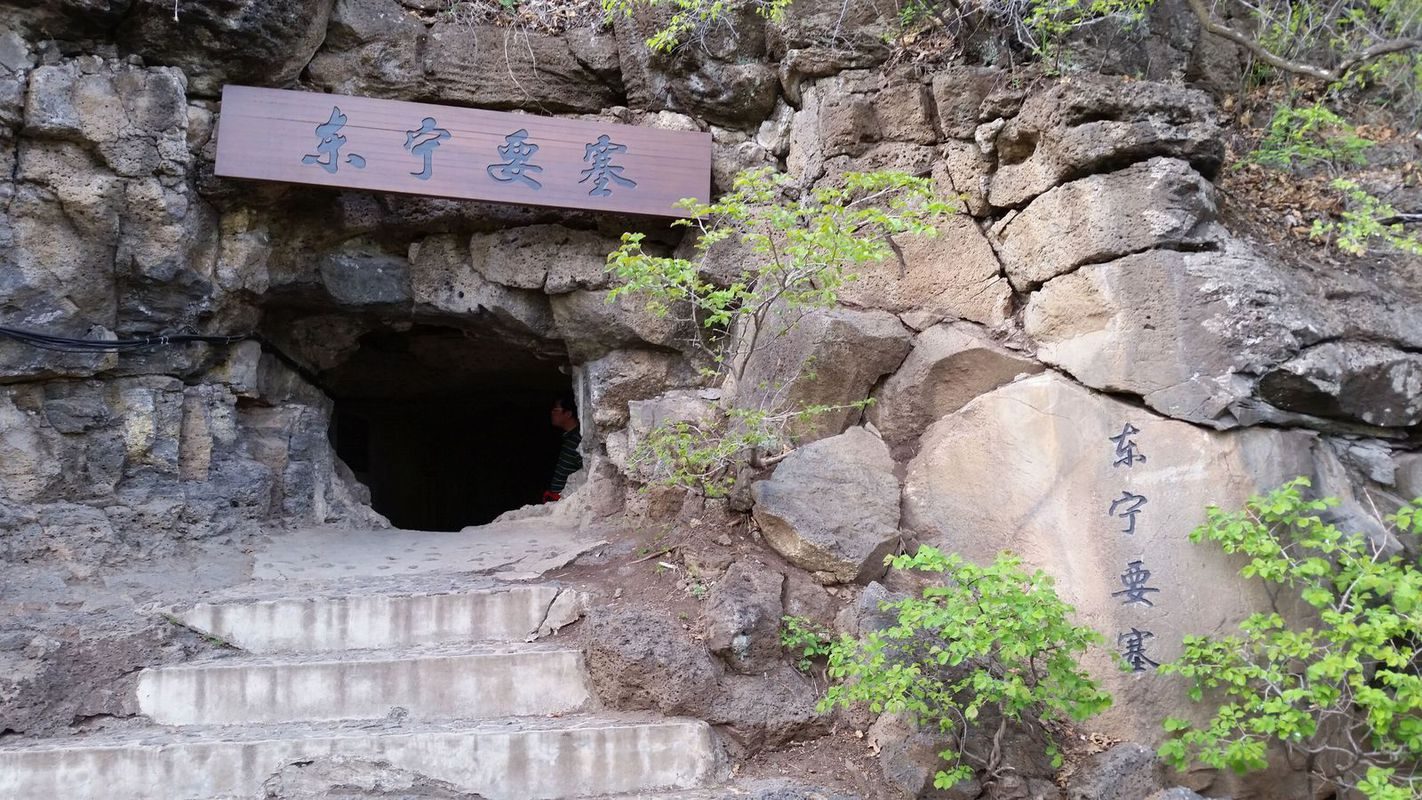
Dongning Fortress
Asia's largest underground military fortress, built by the Japanese army during WWII to guard against the Soviet Union: hundreds of thousands of Chinese laborers were forced to build it from 1934 to 1939
Visitor info
- Opening hours
- 08:30-16:30
- Ticket
- Free (guide service charged separately)
Price is indicative — final quote on inquiry.
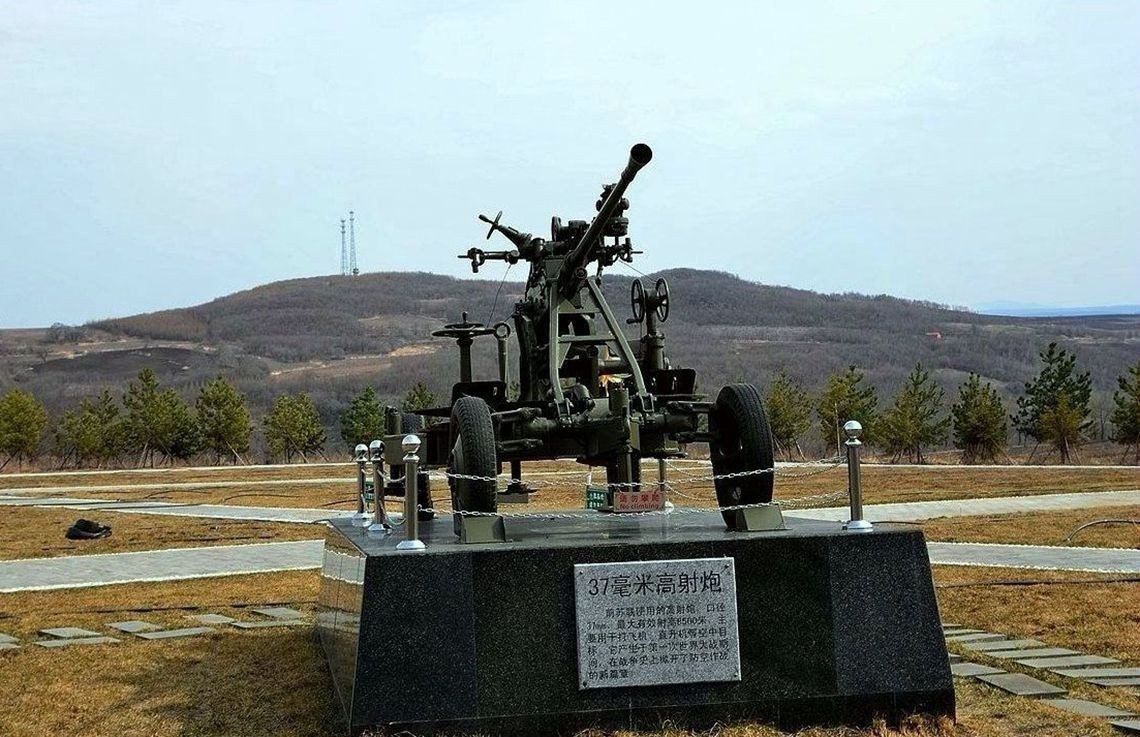
Asia's largest underground military fortress, built by the Japanese army during WWII to guard against the Soviet Union: hundreds of thousands of Chinese laborers were forced to build it from 1934 to 1939. The tunnels of Xunshan Fortress are open to visitors, with the underground command post, barracks, and artillery positions preserved in their original state; the laborers' graves and the Soviet martyrs' memorial together form a complete narrative of war memory. The Dongning–Poltavka border crossing to Russia is close by, so it can be combined with border tourism.
Getting there: self-drive to Dongning (approx. 100 km)
Photos
More in Suifenhe
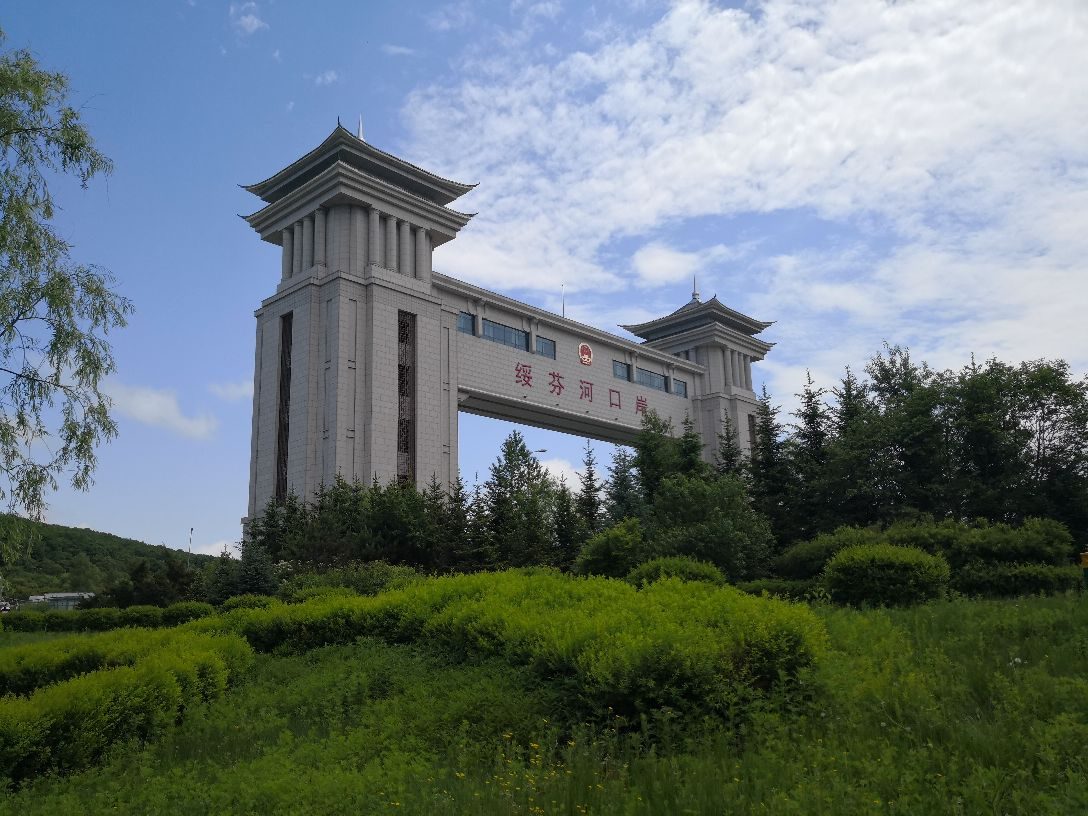
- Suifenhe Port of Entry
Suifenhe is the core port for trade and tourism with Russia in Northeast China: a station was set up when the Chinese Eastern Railway opened along its full length in 1903, earning it the title of the railway's 'Foremost Station of the Far East'
- Chinese Eastern Railway Building Complex (Rentou 'Human Head' Building · Dabai 'Great White' Building)
A national key cultural-relics protection complex preserved in Suifenhe's urban area: Russian-style station buildings from around 1903, the site of a former Orthodox church, and the 'Human Head Building' of the Chichagov Tea House (a five-story red-brick building with carved human-head reliefs on its cornice) stand in a row — one of the best-preserved Russian-style building clusters along the Chinese Eastern Railway
- Suifenhe Museum
Comprehensively presents the history of the Chinese Eastern Railway, port trade, and the 'Red Silk Road': the core exhibit is the story of delegates to the CCP's Sixth National Congress secretly crossing the border through Suifenhe in the 1920s and 1930s, supplemented by a century of change in China–Russia border trade and local folk customs — a miniature museum of big history in a small city
- Suifenhe National Gate Tourist Area
Suifenhe's third-generation National Gate is the landmark building of a national first-class port of entry: from the 'Foremost National Gate of Northern China' viewing platform you can gaze into Russian territory and at the long line of freight trains at the rail port
- Daguangming Temple
One of the larger Buddhist temples in Northeast China on the outskirts of Suifenhe: the Seven Medicine Buddhas Hall is grand and well-proportioned, earning it the reputation of "the Foremost Temple of the Northern Land"
- Jiandong Russian-Style Street
Jiandong Russian-Style Street and the Russian goods market are Suifenhe's culinary and shopping calling cards: Russian tiramisu (honey cake), kvass, candies, and binoculars are the main items; Russian bakeries bake big leba (Russian bread) fresh, and Russian restaurants serve authentic borscht and skewers