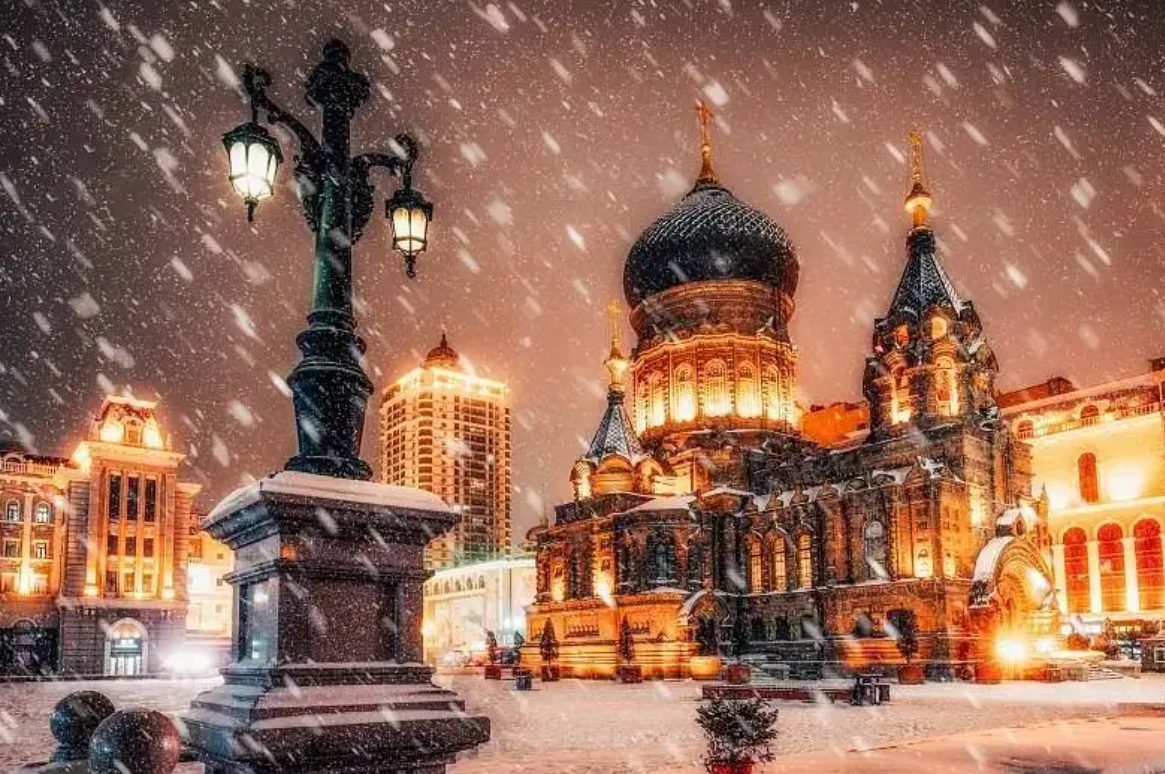
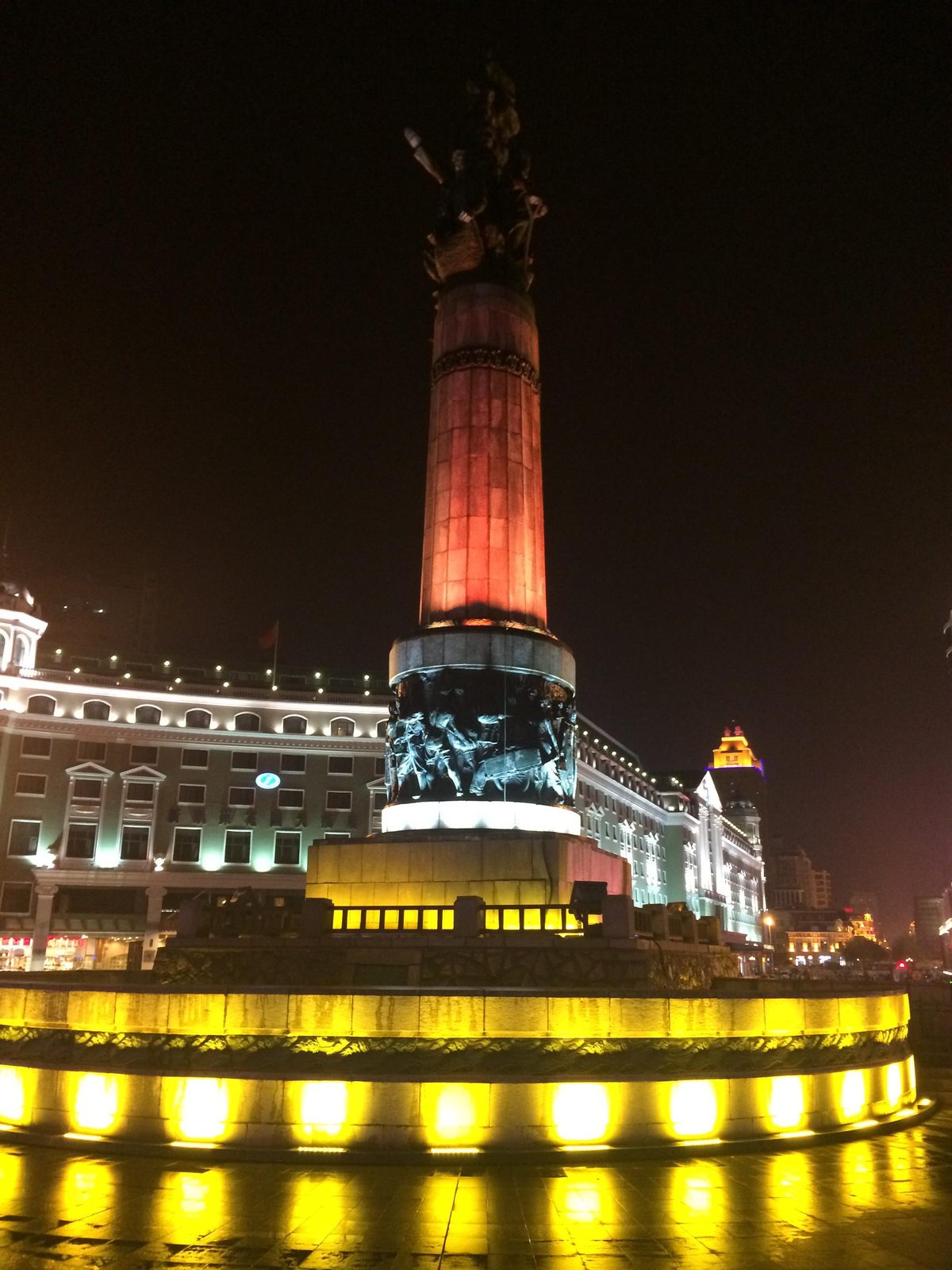
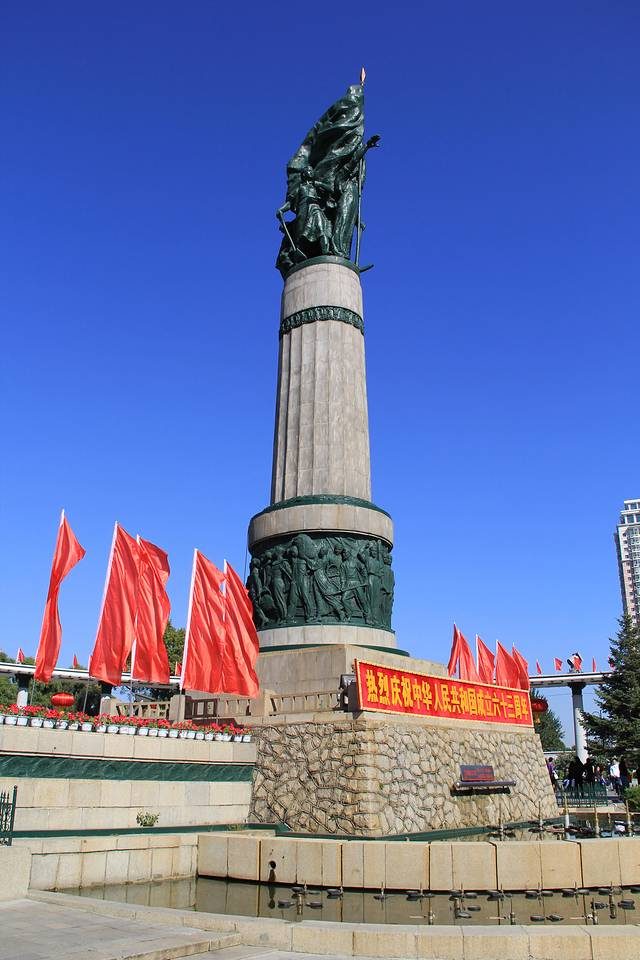
Flood Control Memorial Tower
Built in 1958 (commemorating the victory over the 1957 flood), Roman-style colonnade + reliefs
Visitor info
- Opening hours
- All day
- Ticket
- Free
Price is indicative — final quote on inquiry.
Built in 1958 (commemorating the victory over the 1957 flood), Roman-style colonnade + reliefs; a landmark on the banks of the Songhua River and the starting point for night cruises. Completed in 1958, the Flood Control Memorial Tower commemorates the 1957 victory of Harbin's soldiers and civilians over a catastrophic flood. The towering body is embraced by a Roman-style colonnade, and reliefs at the base re-create the crowds of flood fighters of that year — Harbin's most important spiritual landmark. The flood-hero statue on top faces the Songhua River, and together with the surging water behind it forms the city's narrative of "man conquering nature." The tower sits at the very north end of Central Street, the hinge between the old town and the riverbank; both river night cruises and the Ice and Snow Carnival set off from this area. At night the tower lights up, facing the lights of Sun Island across the river, and in winter, once the river freezes, you can walk straight onto the ice from the square in front.
Getting there: Riverside at the north end of Central Street
Photos
More in Harbin
- Harbin Ice and Snow World
Founded in 1999, the world's largest ice-and-snow theme park (800,000 m²), with ice usage on the scale of 200,000 m³
- Zhaolin Park Ice Lantern Fair
Founded in 1963, birthplace of China's ice lantern art (first Ice Lantern Fair), fine ice sculpture exhibition
- Songhua River Ice and Snow Carnival
Natural ice playground on the river (ice sledges / ice bumper cars / winter swimming shows), Songhua River ice-harvesting site
- Yabuli Ski Resort (Shangzhi)
Birthplace of China's ski industry ('China's Ski Capital'), three linked mountains (Dagukui / Ergukui / Sangukui), 20+ slopes with the longest 5 km
- Central Street
A 1,450m street hailed as "Asia's No. 1 street" (rose with the 1898 Chinese Eastern Railway), 71 European-style buildings (four schools: Renaissance / Baroque / Eclecticism / Art Nouveau), bread-stone pavement (the "Golden Road" horseshoe-silver legend)
- Saint Sophia Cathedral
A 1907 Russian army church rebuilt in 1932 in Byzantine style (the largest Orthodox church in the Far East), red-brick onion domes + flocks of pigeons