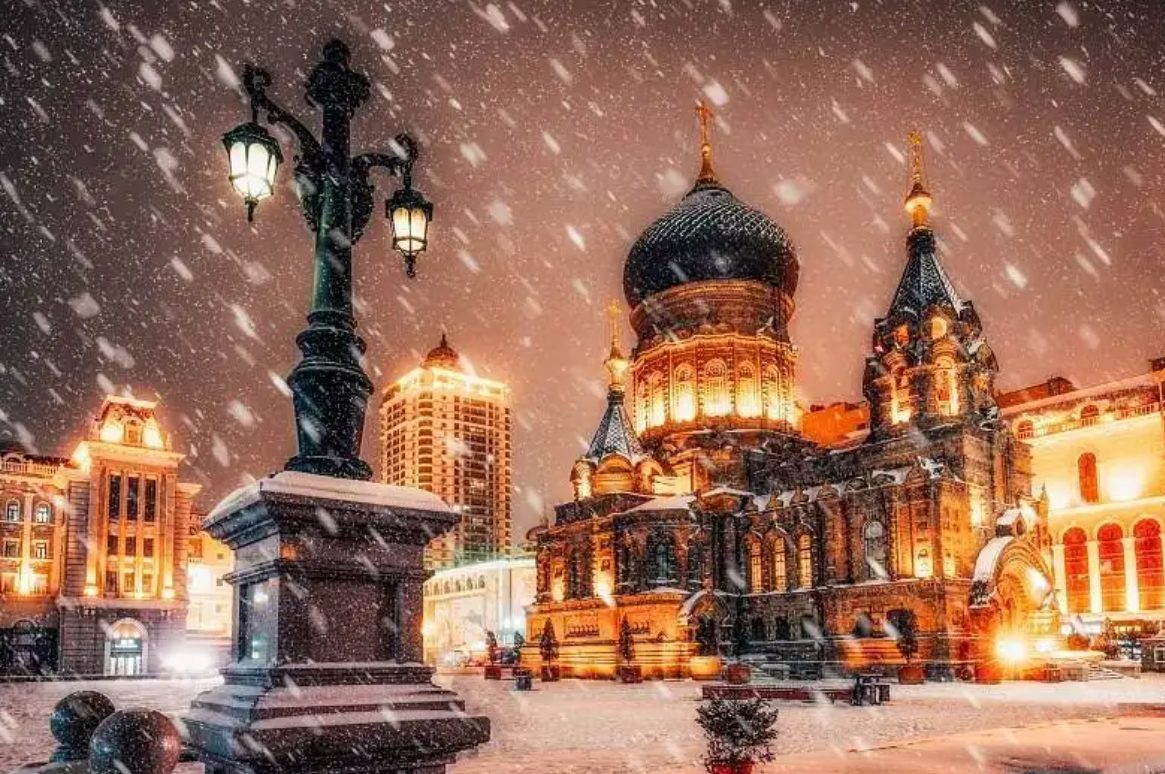
Harbin Museum
Harbin city history (Chinese Eastern Railway / city of émigrés / Jinyuan Jin-dynasty culture) brought together in one multi-hall museum
Visitor info
- Opening hours
- 09:00-16:30 · Closed Mondays
- Ticket
- Free (reservation required)
Price is indicative — final quote on inquiry.
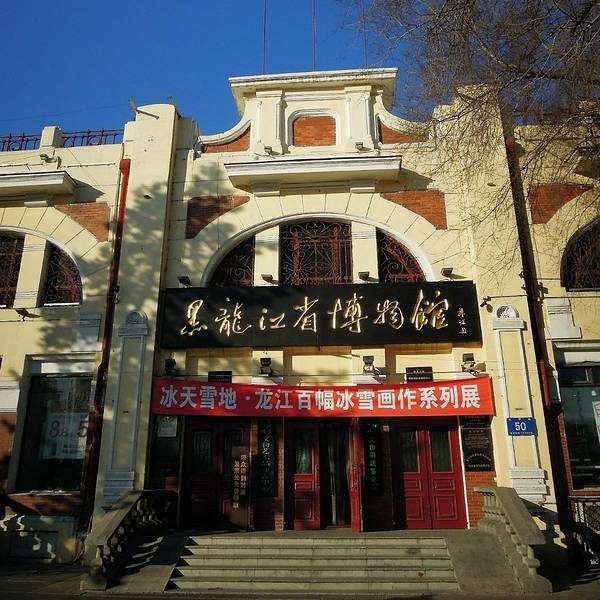
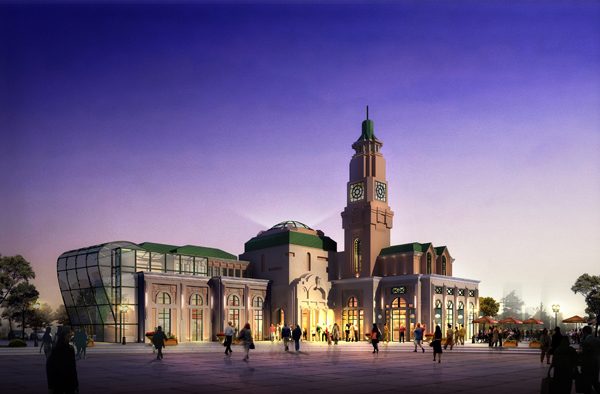
Harbin city history (Chinese Eastern Railway / city of émigrés / Jinyuan Jin-dynasty culture) brought together in one multi-hall museum. The Harbin Museum on Liushu Street, converted from several historic buildings, uses its multi-hall layout to tell the city's layered history all at once: how the building of the Chinese Eastern Railway gave rise to Harbin, how émigrés from more than twenty countries lived and did business here side by side, and where the nicknames “Moscow of the East” and “Paris of the East” came from — all presented systematically along the exhibition line. The Jinyuan culture zone traces the city's story back a thousand years to the Jurchen dynasty. The pairing of recreated scenes of Russian émigré life with the historic buildings themselves makes the exhibits quite immersive. Free with reservation; it makes an ideal starting point for a Harbin CityWalk — read the history first, then walk the streets, and what you see in Laodaowai and Central Street will take on new depth. Closed Mondays; take note when planning your itinerary.
Getting there: Liushu Street
Photos
More in Harbin
- Harbin Ice and Snow World
Founded in 1999, the world's largest ice-and-snow theme park (800,000 m²), with ice usage on the scale of 200,000 m³
- Zhaolin Park Ice Lantern Fair
Founded in 1963, birthplace of China's ice lantern art (first Ice Lantern Fair), fine ice sculpture exhibition
- Songhua River Ice and Snow Carnival
Natural ice playground on the river (ice sledges / ice bumper cars / winter swimming shows), Songhua River ice-harvesting site
- Yabuli Ski Resort (Shangzhi)
Birthplace of China's ski industry ('China's Ski Capital'), three linked mountains (Dagukui / Ergukui / Sangukui), 20+ slopes with the longest 5 km
- Central Street
A 1,450m street hailed as "Asia's No. 1 street" (rose with the 1898 Chinese Eastern Railway), 71 European-style buildings (four schools: Renaissance / Baroque / Eclecticism / Art Nouveau), bread-stone pavement (the "Golden Road" horseshoe-silver legend)
- Saint Sophia Cathedral
A 1907 Russian army church rebuilt in 1932 in Byzantine style (the largest Orthodox church in the Far East), red-brick onion domes + flocks of pigeons