Heihe Port (China-Russia Border Tour)
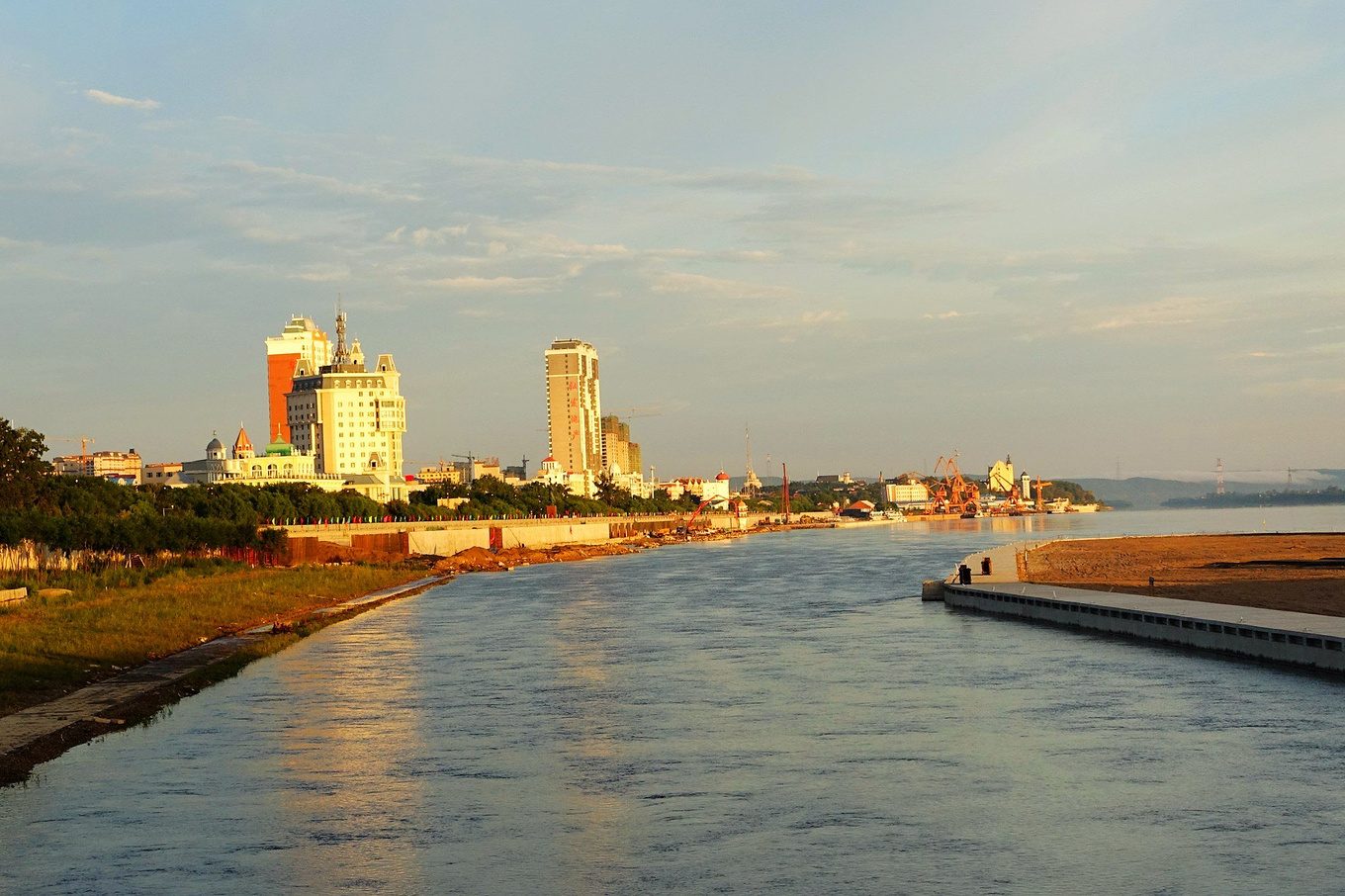
China's leading port city for tourism to Russia, facing Blagoveshchensk, capital of Russia's Amur Oblast (known to Chinese historically as "Hailanpao"), across the Heilongjiang River—just 750 m apart at the closest point; the two cities are together called the "China-Russia twin cities"
Visitor info
- Opening hours
- 08:00-17:00
- Ticket
- Cruise boats / border tour routes priced separately
Price is indicative — final quote on inquiry.
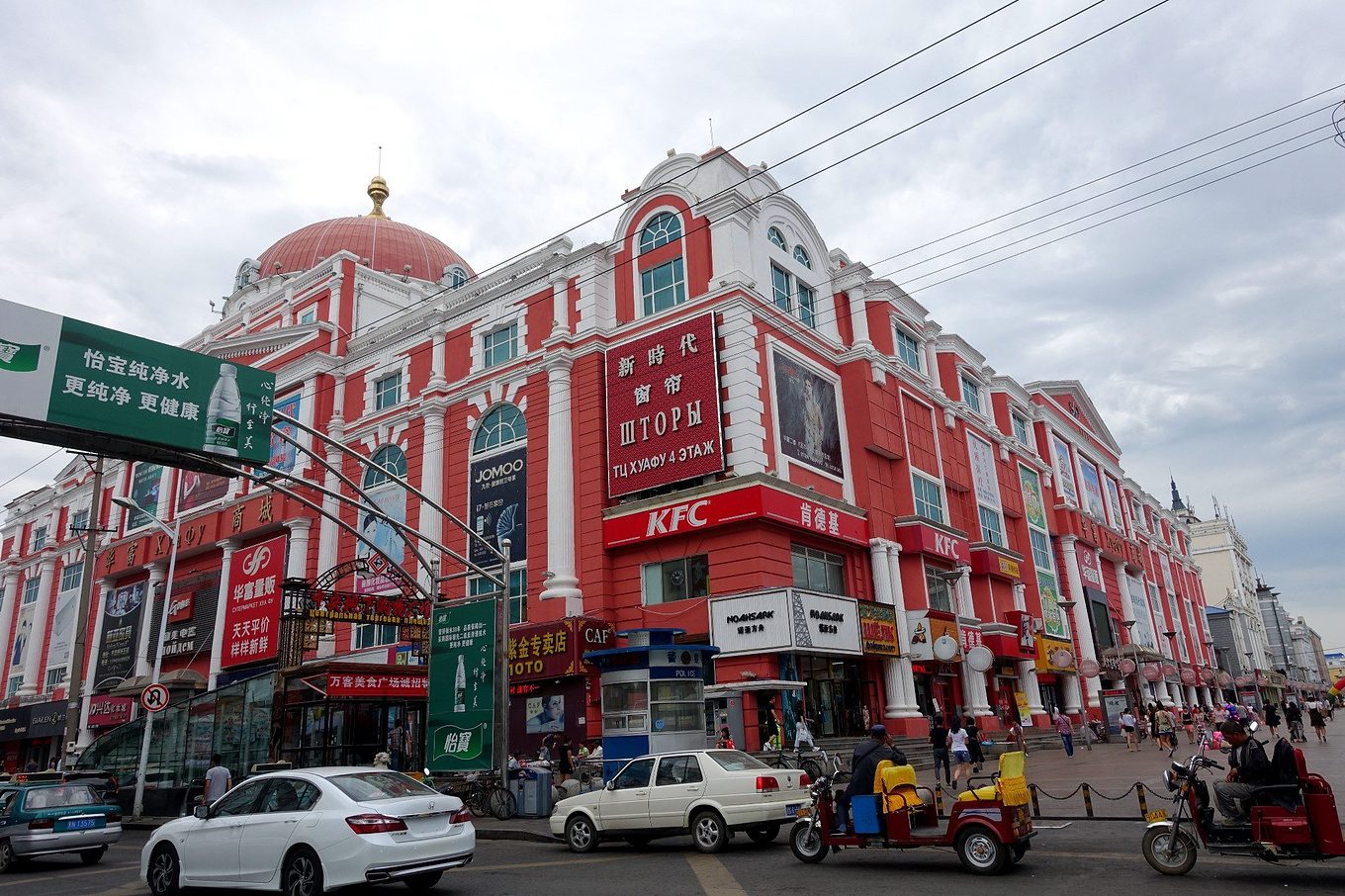
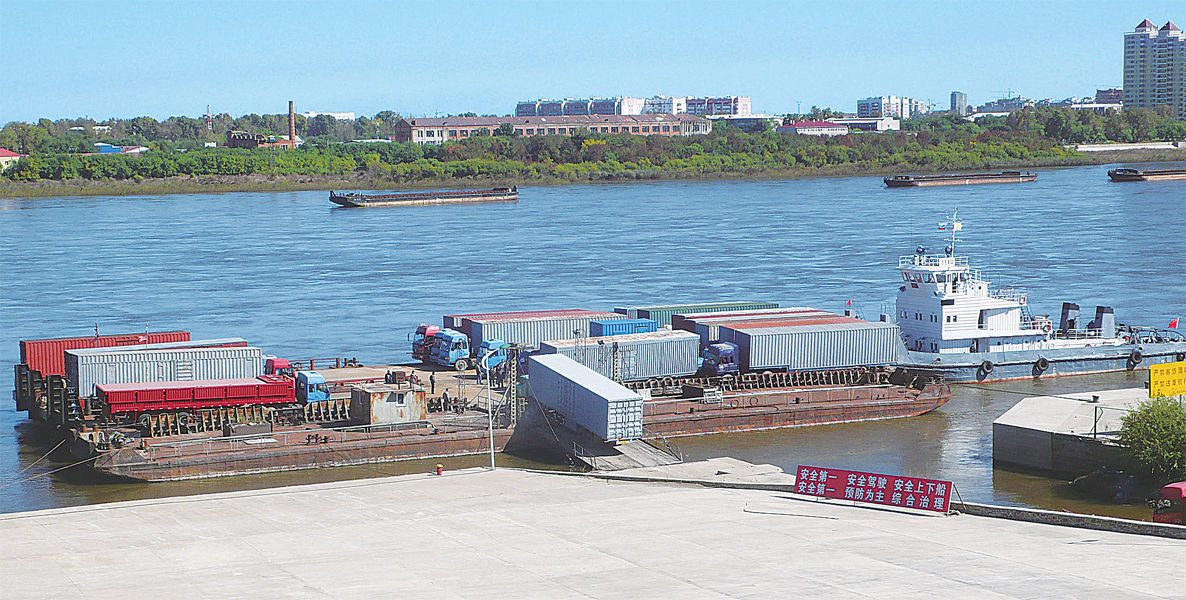
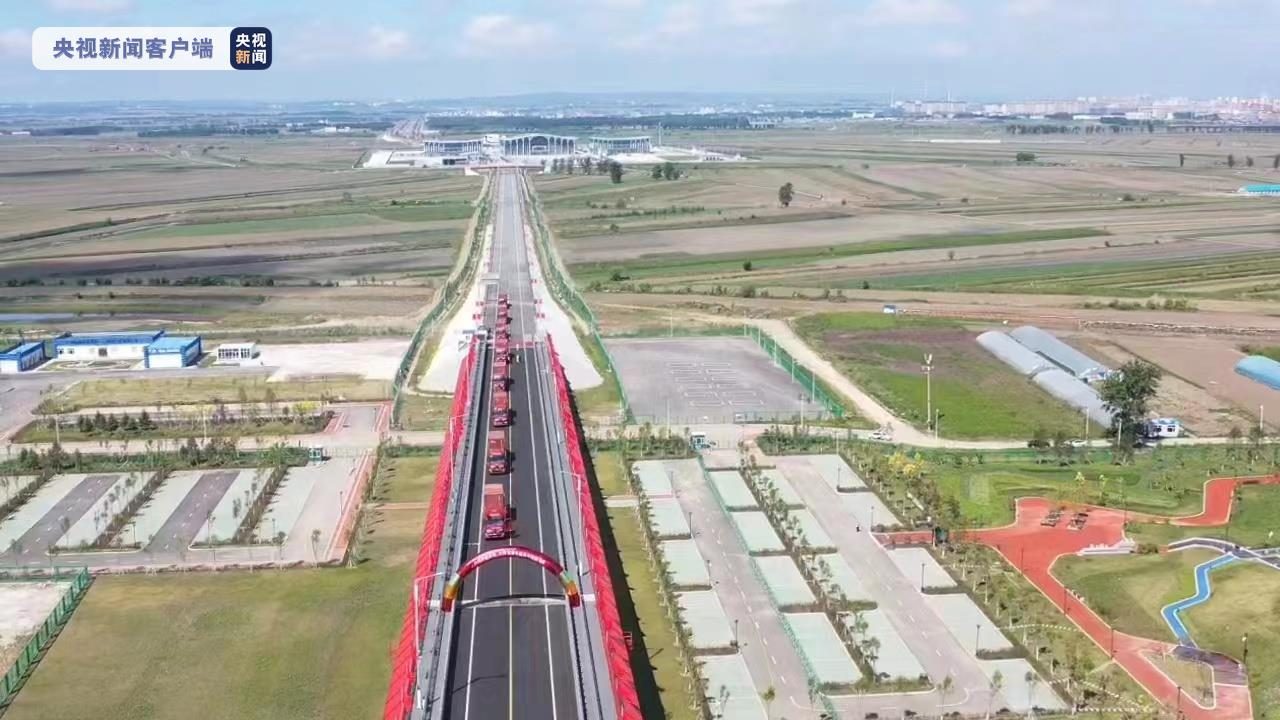
China's leading port city for tourism to Russia, facing Blagoveshchensk, capital of Russia's Amur Oblast (known to Chinese historically as "Hailanpao"), across the Heilongjiang River—just 750 m apart at the closest point; the two cities are together called the "China-Russia twin cities". Under the China-Russia mutual visa-free framework for group tourism, you can cross by boat or over the Heilongjiang River Bridge; one-day tours take in Blagoveshchensk's Orthodox church, Lenin Square, and the Amur Oblast Local History Museum. The Heihe–Blagoveshchensk Heilongjiang River Bridge, opened to traffic in 2019, is the first highway bridge across the Heilongjiang jointly built by China and Russia, and the park at the bridgehead offers distant views of the Russian city.
Getting there: city riverside docks
Photos
More in Heihe
- Heilongjiang Park · Mother Square
A riverside landscape belt built along the Heihe urban section of the Heilongjiang River, with the Russian city's skyline clearly visible across the water, where cargo ships and cruise boats pass back and forth
- Aihui History Museum (Aihui Ancient Town)
Historic site of the military and administrative center of the Qing dynasty's Heilongjiang River basin: in 1858 Tsarist Russia forced Heilongjiang General Yishan to sign the unequal Sino-Russian Treaty of Aigun here, ceding vast territories north of the Heilongjiang River
- Wudalianchi Scenic Area
Named for five bead-like lakes formed when lava from the eruptions of the Laoheishan and Huoshaoshan volcanoes in 1719-1721 (Qing Kangxi era) blocked the Bai River, it preserves China's most complete modern volcanic landscape and is hailed as a “natural volcano museum”; in 2004 it was among the first…
- Jinhe Grand Canyon
A volcanic canyon at Jinhe Farm southwest of Heihe city, where the stream winds through stone forests into the Golden Ring island bay; in autumn the banks are blanketed in interwoven red, yellow and green “five-flower mountain” foliage—earning it the name “Little Jiuzhaigou of the North”—while winter brings snow-covered rime and frozen waterfalls as another sight
- Xinsheng Oroqen Ethnic Township
Xinsheng Oroqen Ethnic Township in Aihui District is a living sample of northern hunting-people culture: the hunters' village preserves birch-bark vessel making, animal-hide clothing and traditional hunting and archery skills
- Shengshan Fortress
Ruins of a border fortress complex built along the Heilongjiang River by the invading Japanese army in Sunwu County—the northern end of the “Eastern Maginot Line” they constructed to guard against the Soviet Union; underground tunnels, gun emplacements and barracks ruins remain