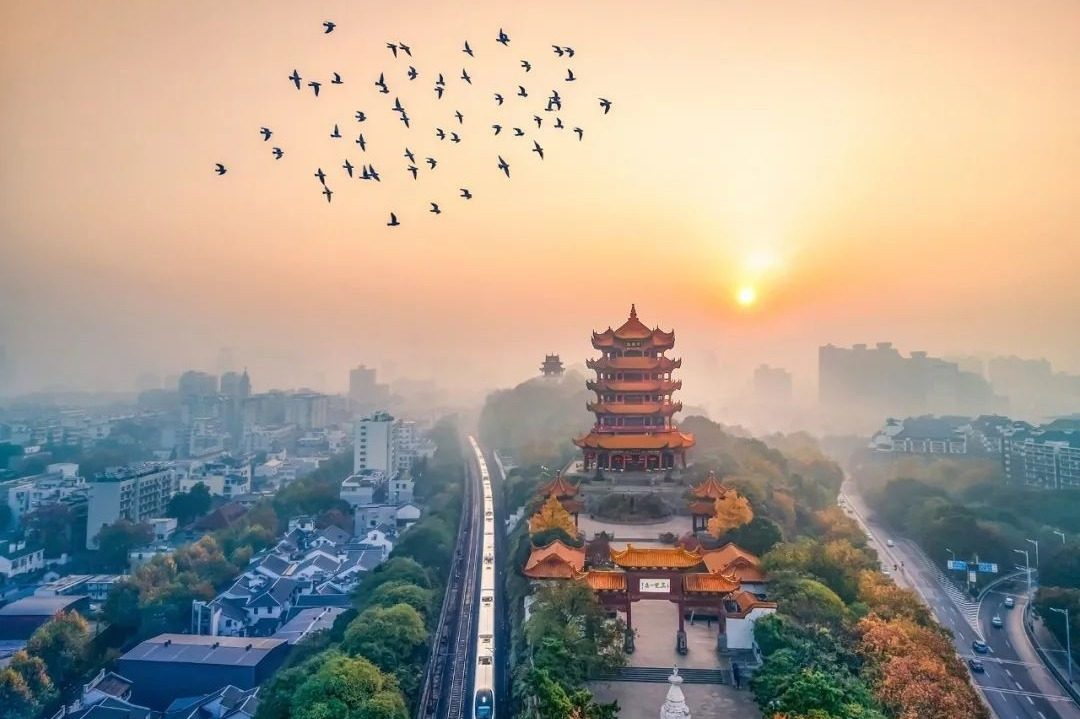
Yellow Crane Tower Park
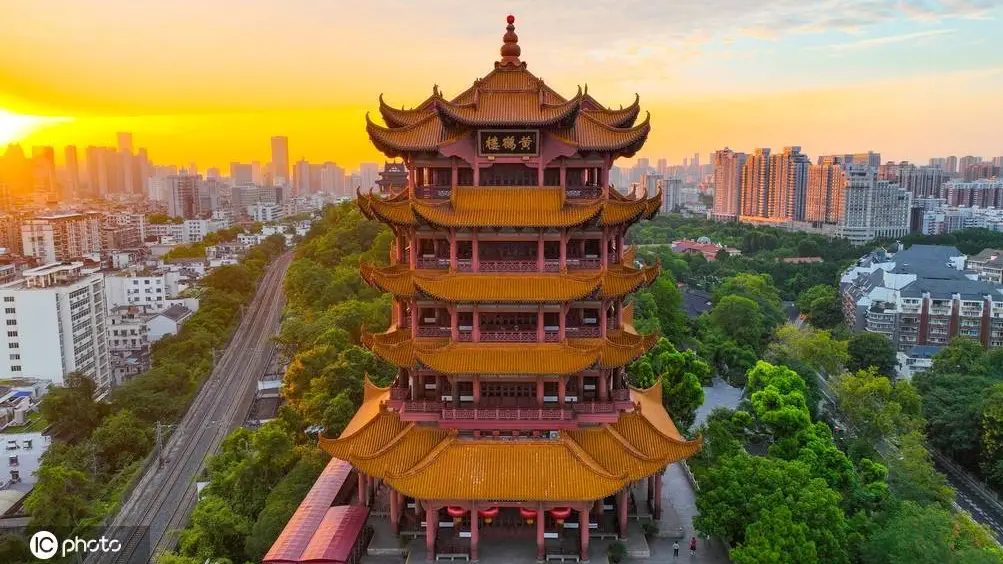
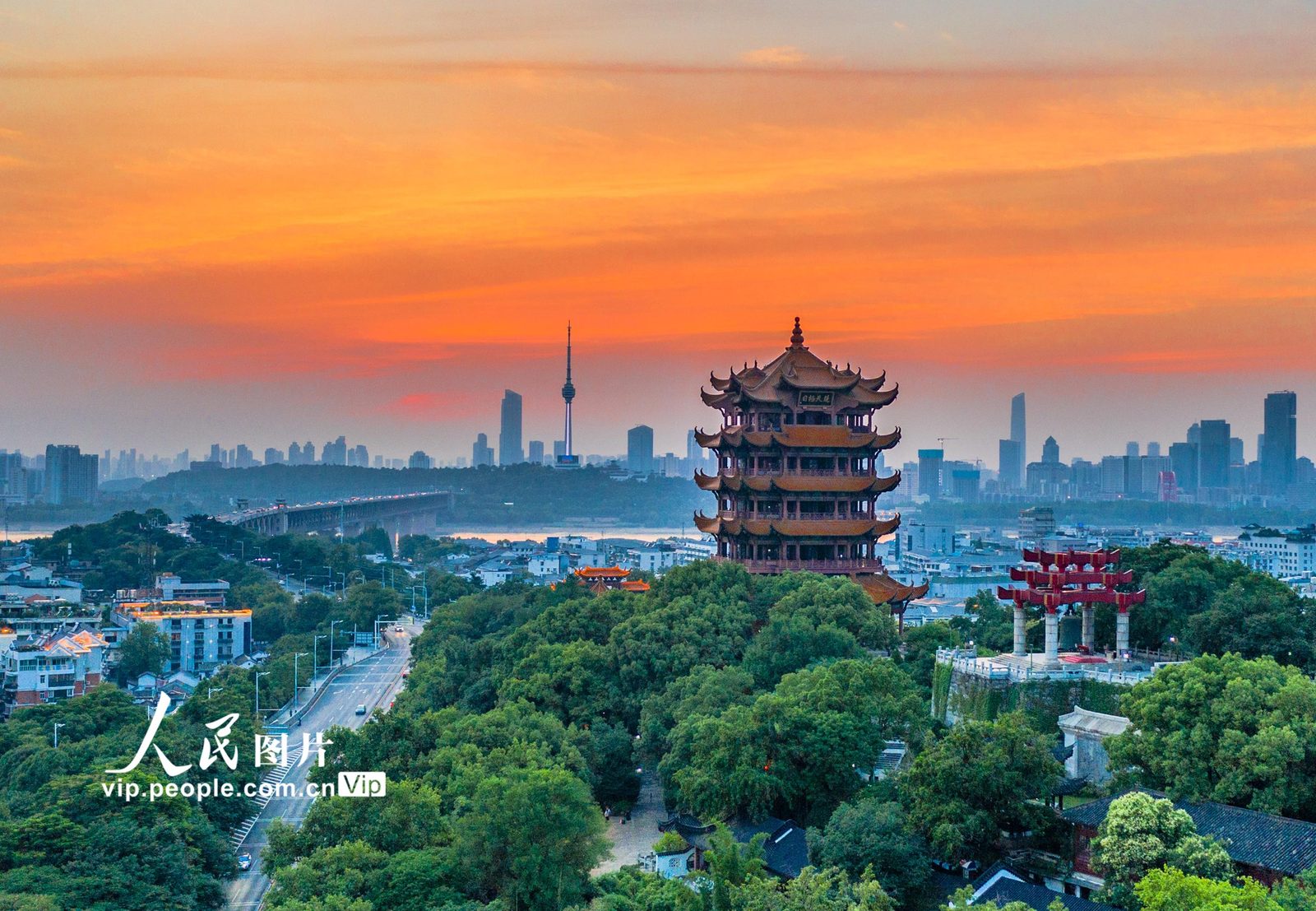
"The First Tower of the Rivers and Mountains under Heaven" (a military watchtower built by Sun Quan in 223, the second year of Huangwu of Eastern Wu in the Three Kingdoms period; repeatedly destroyed and rebuilt—burned down in 1884, rebuilt on Snake Hill in 1985), main tower 51.4m with five tiers of flying eaves (golden gourd finial), Cui Hao's verse "The man of old has ridden away on a yellow crane"…
Visitor info
- Opening hours
- 08:00-18:00 (peak season 08:00-18:30)
- Ticket
- CNY 70
Price is indicative — final quote on inquiry.
"The First Tower of the Rivers and Mountains under Heaven" (a military watchtower built by Sun Quan in 223, the second year of Huangwu of Eastern Wu in the Three Kingdoms period; repeatedly destroyed and rebuilt—burned down in 1884, rebuilt on Snake Hill in 1985), main tower 51.4m with five tiers of flying eaves (golden gourd finial), layered with inscribed verses from Cui Hao's "The man of old has ridden away on a yellow crane" and Li Bai's "My old friend bids farewell at Yellow Crane Tower"; Mao Zedong ci-poem pavilion / Baiyun Pavilion / Millennium Auspicious Bell. In 223 (the second year of Huangwu of Eastern Wu in the Three Kingdoms period), Sun Quan built a military watchtower on Snake Hill when raising the city of Xiakou; through wars and fires the tower was destroyed and rebuilt again and again, the last Qing-era tower burned down in 1884, and in 1985 it was rebuilt in Qing style atop Snake Hill; the 51.4m main tower rises with five tiers of eaves converging upward, its golden gourd finial gleaming in the sun. Cui Hao's "The man of old has ridden away on a yellow crane; only Yellow Crane Tower remains on this spot" made Li Bai set down his brush in admiration, and "My old friend bids farewell west of Yellow Crane Tower, sailing down through misty March to Yangzhou" turned it into a landmark of Chinese poetry; from the top you gaze out over the Yangtze River Bridge and the skyline of the three towns, while the Mao Zedong ci-poem pavilion, Baiyun Pavilion and Millennium Auspicious Bell are scattered through the park—a well-deserved emblem of the city of Wuhan.
Getting there: Metro Line 5, Simenkou Huanghelou Station
Photos
More in Wuhan
- Hubu Alley
Breakfast alley: hot dry noodles, doupi and fried doughsticks.
- Yellow Crane Tower
The most-quoted tower in Chinese poetry, overlooking the Yangtze.
- East Lake
Six times the size of West Lake; greenways, cherry trees and lakeside cycling.
- Hubei Provincial Museum
Home of the 2,400-year-old bells of Marquis Yi of Zeng.
- Wuhan Yangtze River Bridge
Completed in 1957 as the "First Bridge over the Ten-Thousand-Li Yangtze" (Soviet-assisted design, road-rail dual use); "A flying bridge spans north and south, turning the natural moat into a thoroughfare" (Mao Zedong's ci poem)
- Qingchuan Pavilion
"Scenic wonder of the Three Chu regions" (facing Yellow Crane Tower across the river, from Cui Hao's line "The sunlit river shows Hanyang's trees in clear view"); Yu-Ji Palace (commemorating Yu the Great's flood control) + Tiemen Pass (Three Kingdoms relic)