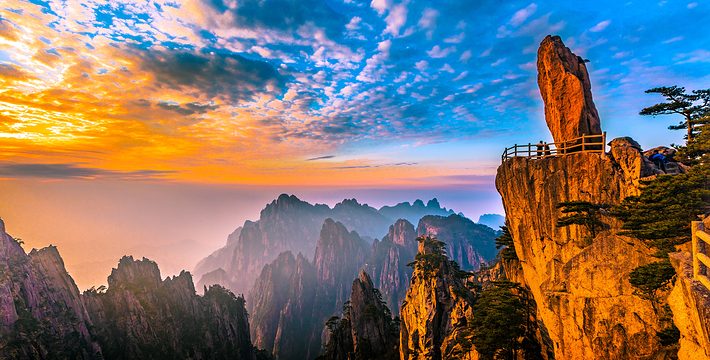
Huangshan (Yellow Mountain) Scenic Area
UNESCO World Cultural and Natural Dual Heritage Site (inscribed 1990), UNESCO Global Geopark, national 5A-level attraction
Visitor info
- Opening hours
- 06:30-16:30 (varies with the season)
- Ticket
- Peak season CNY 190 / off-season CNY 150 (one-way cable car approx. CNY 80 extra)
Price is indicative — final quote on inquiry.
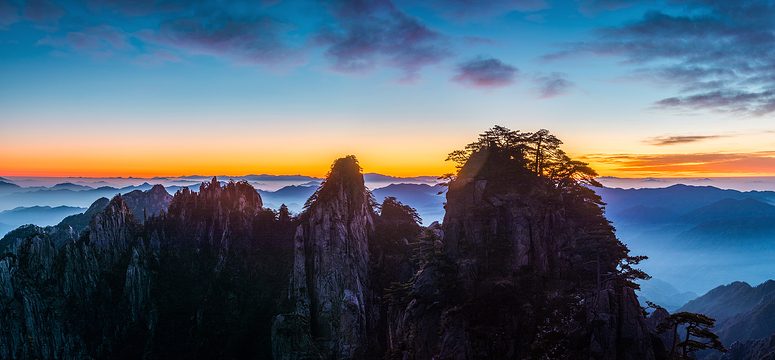
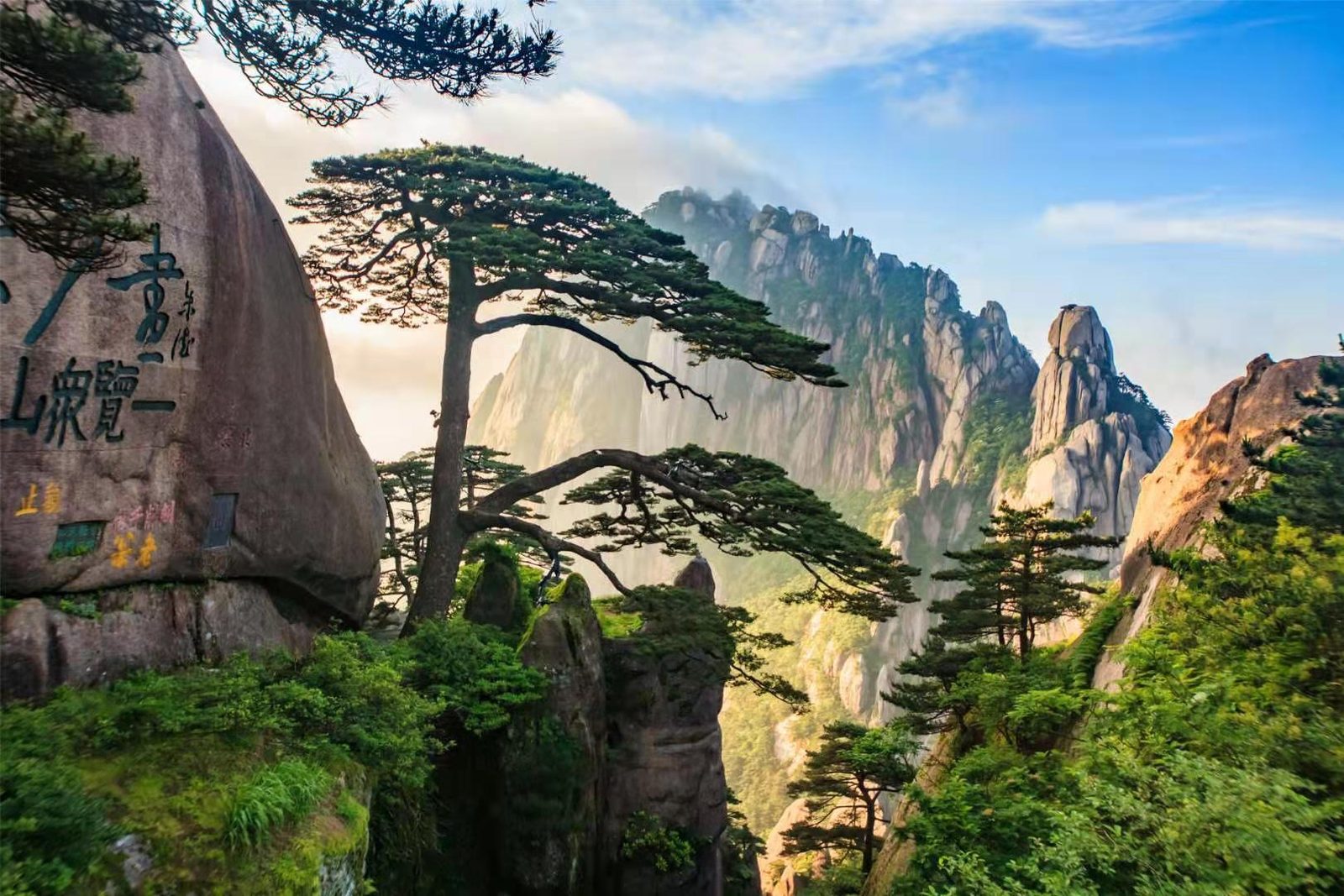
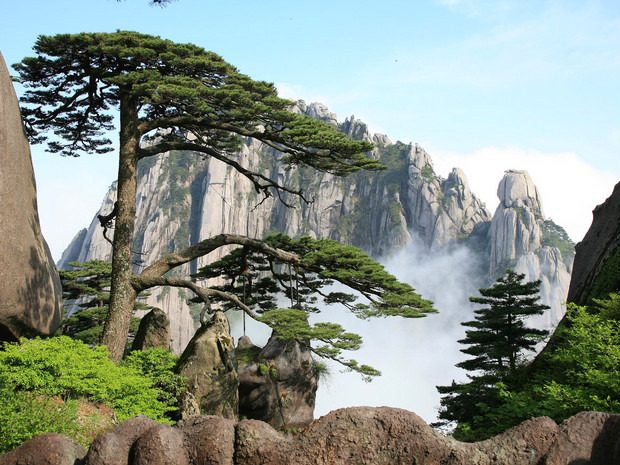
UNESCO World Cultural and Natural Dual Heritage Site (inscribed 1990), UNESCO Global Geopark, national 5A-level attraction; famed for the “Five Wonders” of oddly shaped pines, grotesque rocks, seas of clouds, hot springs, and winter snow, with the Guest-Greeting Pine, Bright Summit (Guangming Peak), Feilai Stone, West Sea Grand Canyon, and Monkey Watching the Sea as classic photo spots; originally named Yishan, it was renamed in the 6th year of the Tianbao era of the Tang dynasty (747) after the legend of the Yellow Emperor refining elixir here; Ming-dynasty traveler Xu Xiake climbed it twice and left the sigh “Within and beyond the seas, nothing compares to Huangshan of Huizhou,” which later evolved into “After returning from the Five Sacred Mountains, no other mountains are worth seeing; after returning from Huangshan, not even the Five Sacred Mountains”; the first stop among Chinese mountains for long-haul visitors from Japan, South Korea, Europe, and the Americas.
Getting there: High-speed rail, Huangshan North Station, then a direct shuttle to the scenic area, approx. 1 hour
Photos
More in Huangshan
- Emerald Valley (Lovers' Valley)
Also known as Lovers' Valley, over a hundred colorful pools of jade-green water strung together, and the filming location of the bamboo-forest fight scene in Crouching Tiger, Hidden Dragon
- Hongcun
UNESCO World Cultural Heritage Site (inscribed 2000 with Xidi as “Ancient Villages in Southern Anhui”), 5A-level Huizhou-style ancient village
- Xidi
One of the UNESCO World Heritage “Ancient Villages in Southern Anhui”, an ancient village of the Hu clan with over 200 well-preserved Ming and Qing residences
- Chengkan
“China's No.1 Feng Shui Village”, laid out according to the Eight Trigrams with two water channels, five streets, and ninety-nine lanes
- Qiankou Folk Residences (Huizhou District)
A complex of Ming-dynasty Hui-style dwellings dismantled and rebuilt on one site, clustered at the foot of Zixia Mountain as a 'Ming-dynasty manor'
- Tunxi Old Street
A Song- and Ming-dynasty-style commercial street that evolved from wharf markets on the banks of the Xin'an River, dubbed 'a flowing Along the River During the Qingming Festival'