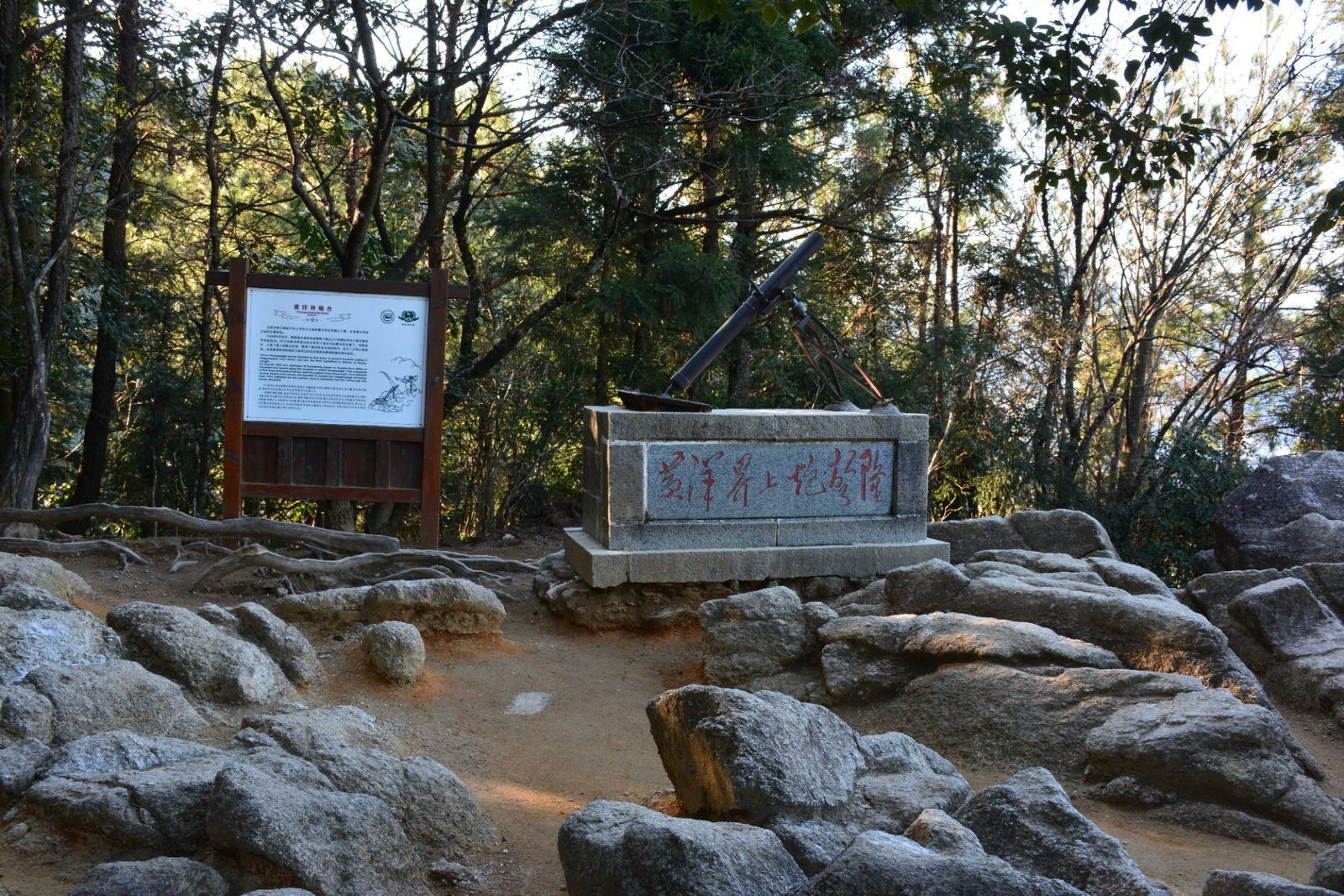
Huangyangjie
Foremost of Jinggangshan's five great sentry posts, at 1,343 m above sea level: in August 1928 the Red Army used the terrain to win the Battle of Huangyangjie against overwhelming odds, prompting Mao Zedong to write "Guns thunder on Huangyangjie, announcing the enemy's flight by night"
Visitor info
- Opening hours
- 08:00-17:00
- Ticket
- Included in through ticket
Price is indicative — final quote on inquiry.
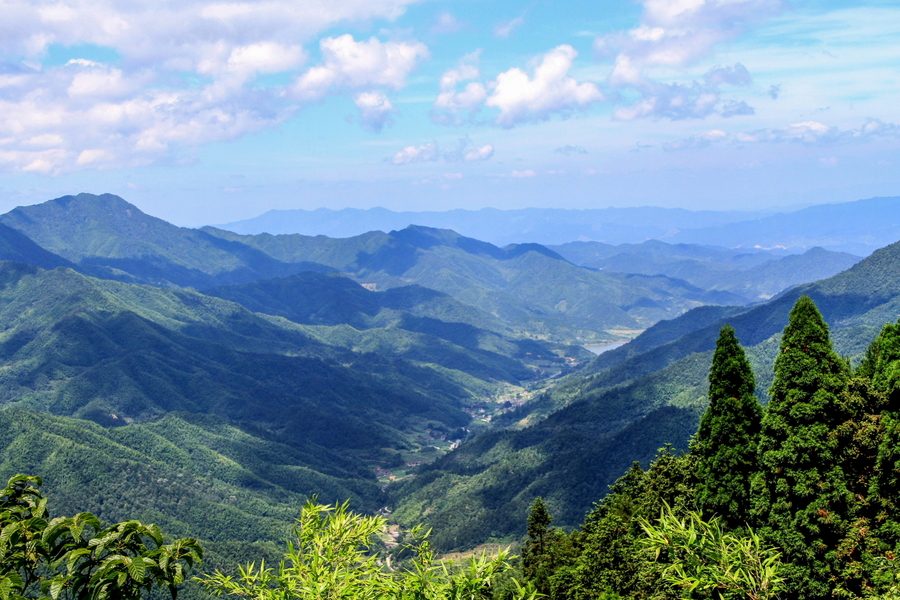
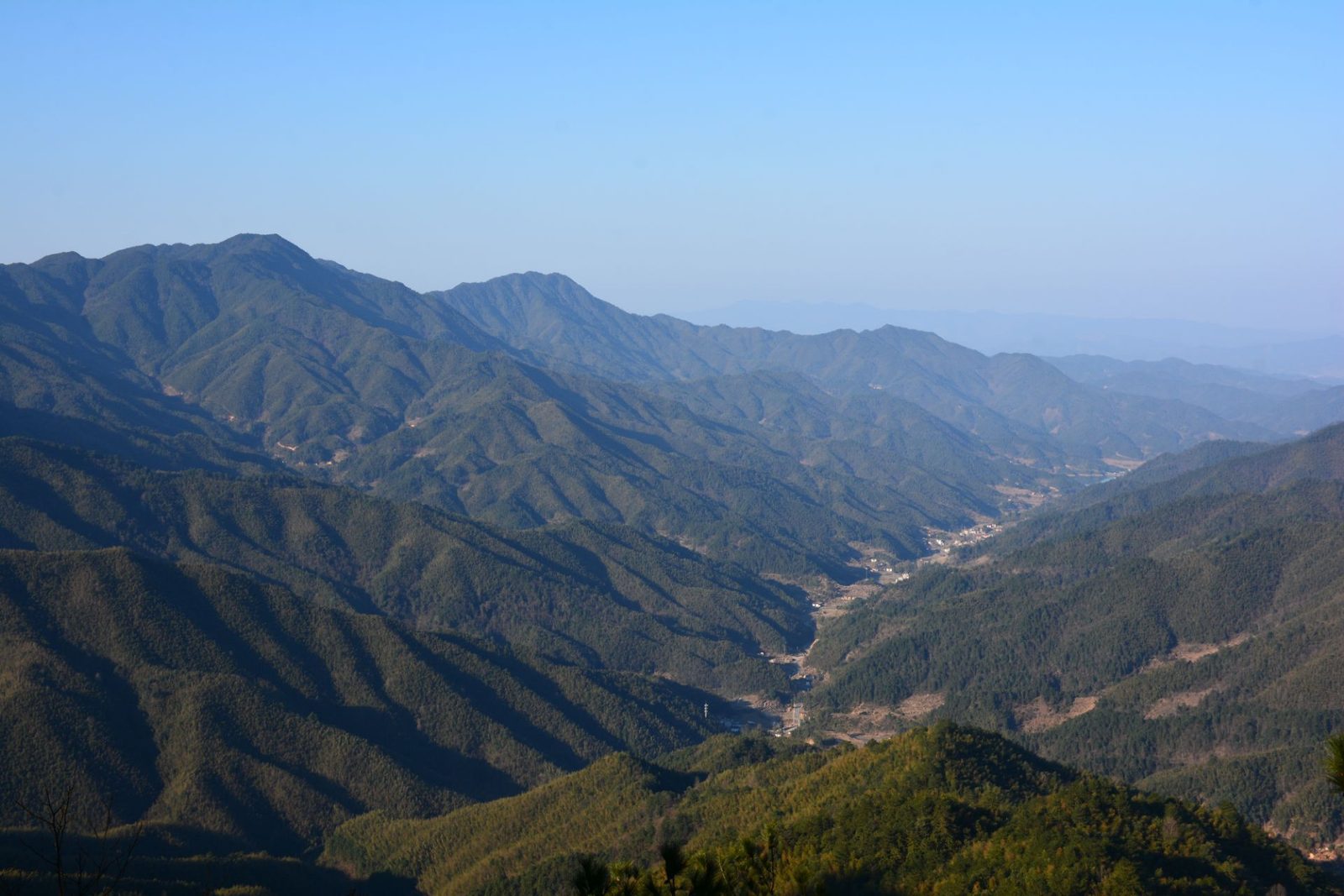
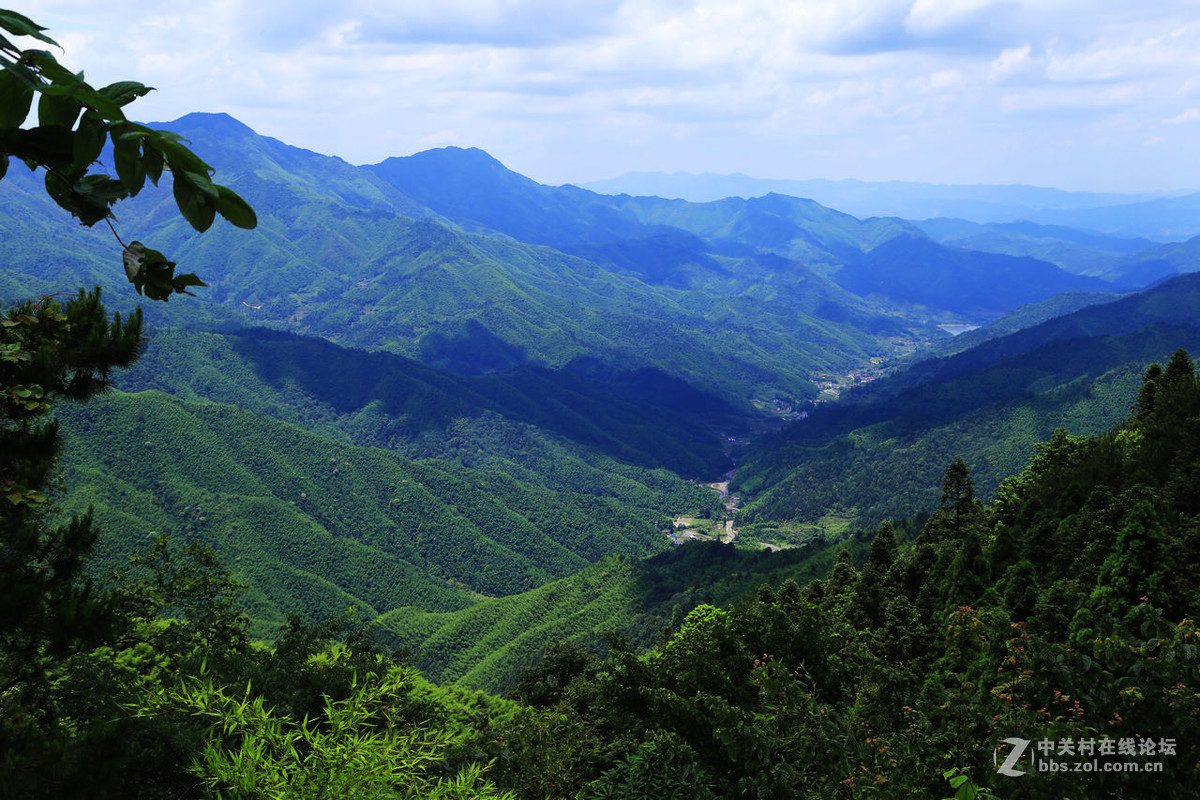
Foremost of Jinggangshan's five great sentry posts, at 1,343 m above sea level: in August 1928 the Red Army, exploiting the rugged terrain, defeated a far larger force in the Battle of Huangyangjie, prompting Mao Zedong to write "Guns thunder on Huangyangjie, announcing the enemy's flight by night"; the restored sentry fortifications and the oak tree where Zhu De rested while hauling grain still stand, and the monument inscribed "Huangyangjie" in Mao Zedong's own hand rises at the summit — sea of clouds, sunrise, and sentry ruins together make this "Jinggangshan's No. 1 view".
Getting there: Sightseeing bus, Huangyangjie stop
Photos
More in Jinggangshan
- Jinggangshan Scenic Area
National 5A-level scenic area: In 1927 Mao Zedong led the Autumn Harvest Uprising forces up Jinggangshan, and in April 1928 they joined forces with Zhu De's Nanchang Uprising remnants, establishing China's first rural revolutionary base — the "cradle of the Chinese revolution"
- Jinggangshan Revolutionary Museum
China's first local revolutionary-history museum, built in 1959: a panoramic exhibition of the Jinggangshan revolutionary struggle — from leading the troops to Jinggangshan through the Zhu-Mao meeting of forces, carrying grain up the mountain, and the counter-"joint suppression" campaigns
- Ciping Revolutionary Sites · Nanshan Park
Ciping was the hub of the Jinggangshan revolutionary base: the Fourth Red Army headquarters site cluster and Mao Zedong's former residence are well preserved
- Maoping Octagonal Building · Join-up Square
The Maoping Octagonal Building is the earth-and-timber building where Mao Zedong then worked and lived, named for its octagonal skylight — under "the lamp of the Octagonal Building" he wrote works such as Why Is It That Red Political Power Can Exist in China?
- Xiaojing · Dajing Revolutionary Sites
The Xiaojing Red Army Hospital, the first regular hospital the Red Army built itself in 1928: the black-lacquered wooden building, the site where wounded soldiers were martyred, and Zeng Zhi's tomb together tell stories such as "Zhang Ziqing donating his salt"
- Wuzhifeng (Five-Finger Peak) · Dujuanshan (Azalea Mountain)
Jinggangshan's main peak: named for its five peaks lined up like five fingers, and widely known for appearing on the reverse of the 1990-edition CNY 100 banknote (Jinggangshan main peak image)