Hunchun Museum
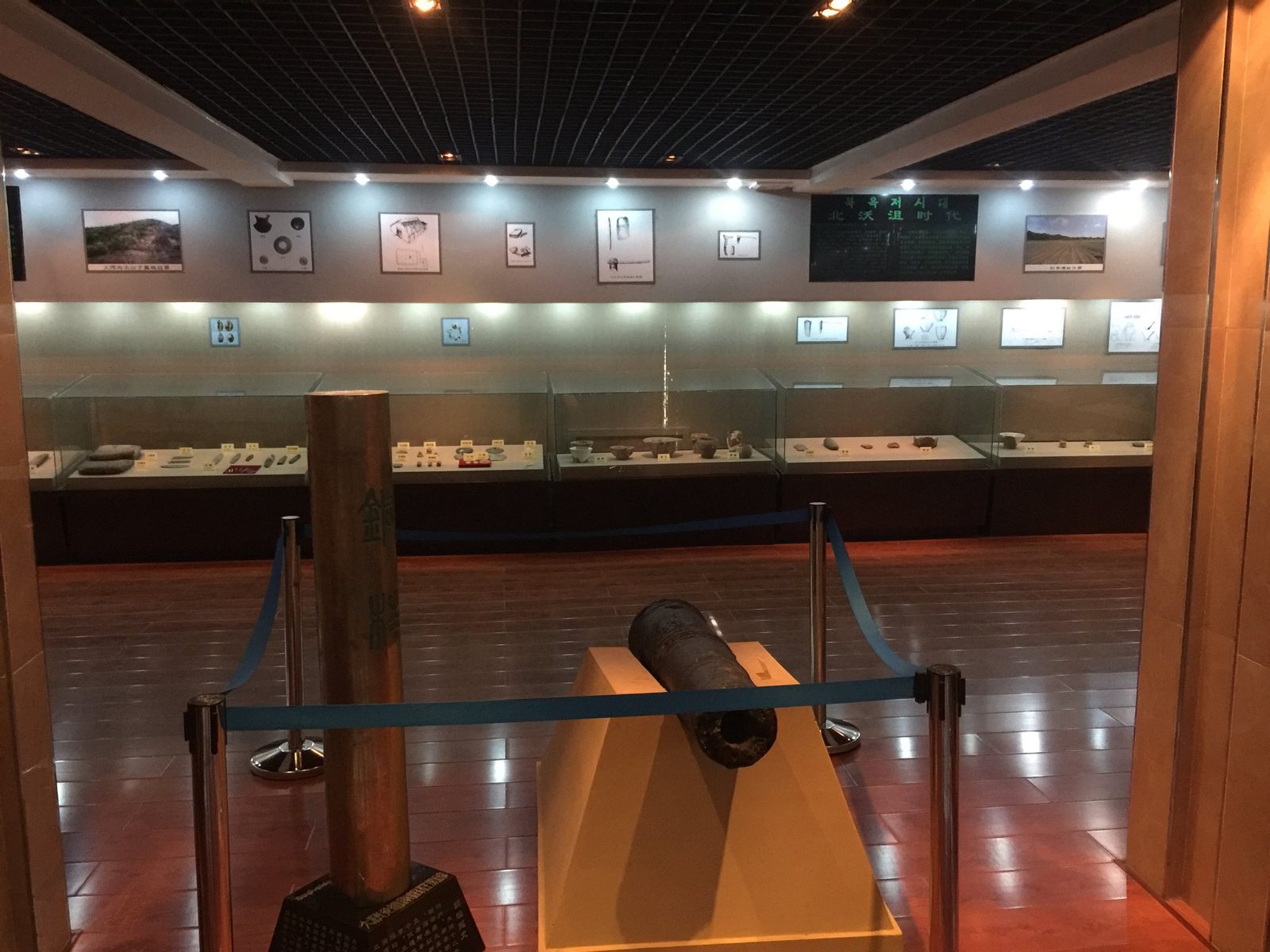
A comprehensive exhibition of Hunchun's history in four sections — Balhae civilization, Ming and Qing border defense, the Battle of Lake Khasan (Zhanggufeng Incident), and contemporary border-port trade history — with a Korean ethnic folklore hall recreating clothing, food, and daily utensils
Visitor info
- Opening hours
- 09:00-16:30 (closed Mondays)
- Ticket
- Free
Price is indicative — final quote on inquiry.
A comprehensive exhibition of Hunchun's history in four sections — Balhae civilization, Ming and Qing border defense, the Battle of Lake Khasan (Zhanggufeng Incident), and contemporary border-port trade history — while the Korean ethnic folklore hall recreates clothing, food, and daily utensils; the "three nations converge" narrative, rarely seen in county-level museums, is presented here in full.
Getting there: Henan Street, downtown
Photos
More in Hunchun
- Fangchuan "Three Countries at a Glance"
Fangchuan National Scenic Area sits at the tri-border point of China, North Korea and Russia: from the top of Longhu Pavilion you can "see three countries at a glance" and gaze toward the Sea of Japan.
- Hunchun Port Cluster
Hunchun is the city with the densest concentration of border ports to Russia and North Korea in Northeast China: the China–Russia Hunchun–Makhalino railway port and the Changlingzi highway port, plus the Quanhe port facing Rajin and the Shatuozi port facing Kyongwon in North Korea — multiple ports of entry coexist here.
- Hunchun European-Style Street
A commercial street with Russian-language signage in downtown Hunchun: Russian tourists, workers and traders gather here, earning it the nickname "Little Russia".
- Zhanggufeng Incident Memorial Hall
A war-history exhibition hall in Fangchuan Village: it documents the 1938 armed clash between Japanese and Soviet forces at Zhanggufeng — a border incident that cost China its right of passage to the Tumen River's sea outlet and marked one of the turning points of modern Northeast Asian history.
- Fangchuan Village · Golden Beach Fun Valley
Fangchuan Village, known as the "First Village of the East", is a Korean-ethnic fishing village: homestays and spicy cabbage (kimchi) making experiences recreate everyday border fishing-village life.
- Hunchun River Waterfront Park
A waterfront park strip where the Hunchun River runs through the city: illuminated night views and Korean-ethnic square dancing make up the border town's evening routine.