Jianshui Purple Pottery (Wanyao Village)
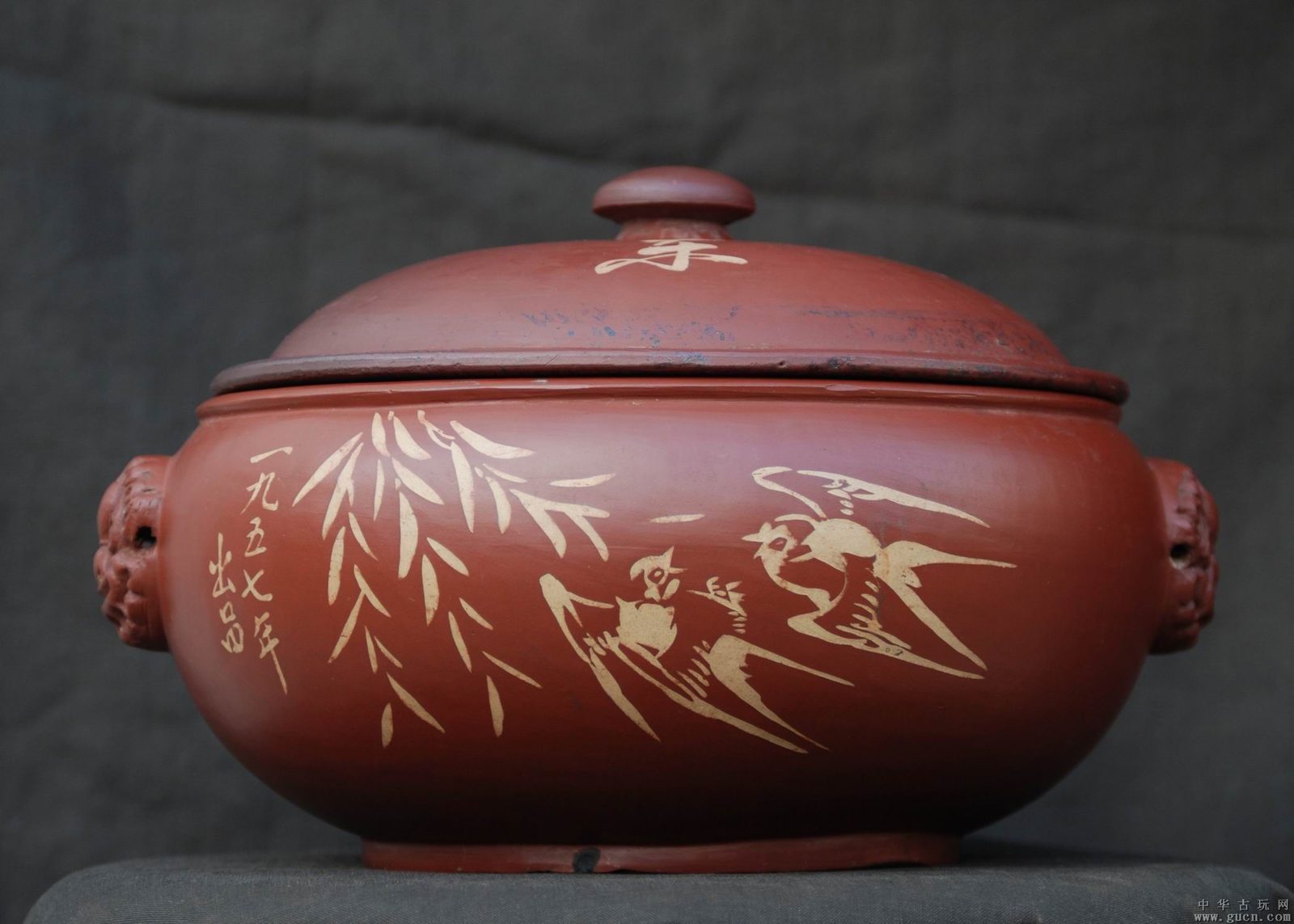
One of China's four famous potteries: made from the five-colored clay of Wanyao Village, Jianshui; its unique craft is the 'broken-rubbing' decoration — calligraphy from broken steles and old rubbings incised into and refilled on the pottery surface
Visitor info
- Opening hours
- Open all day
- Ticket
- Workshops free · experiences charged separately
Price is indicative — final quote on inquiry.
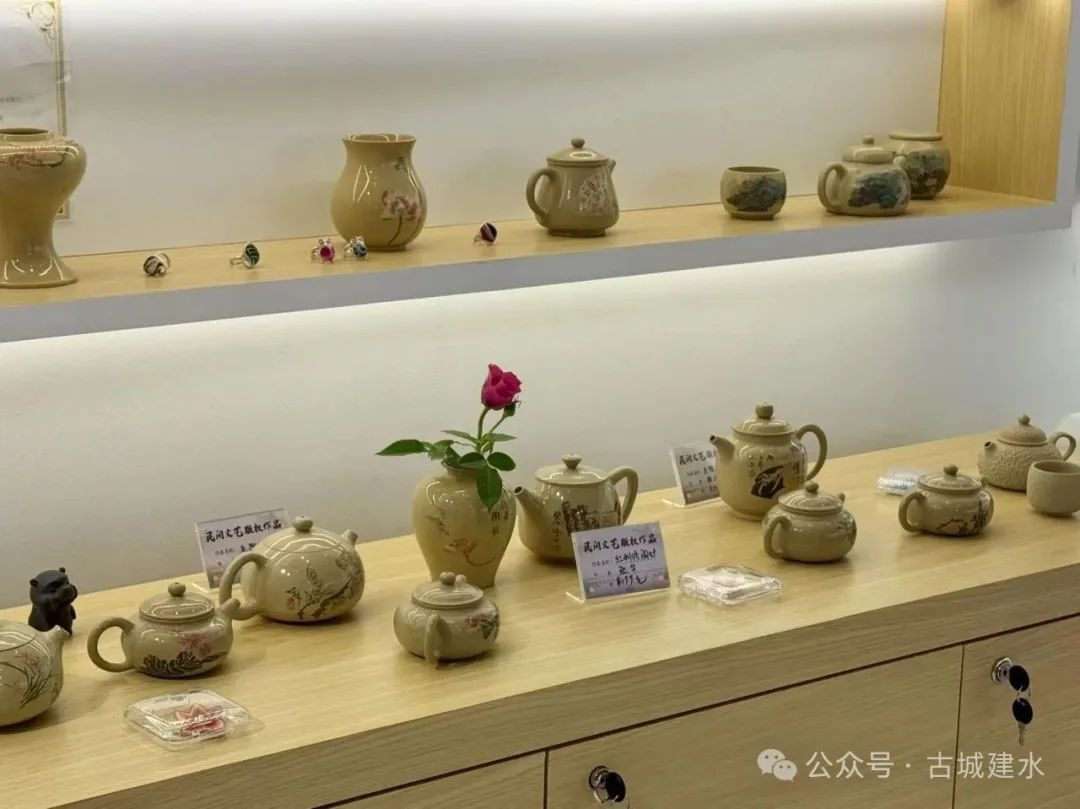
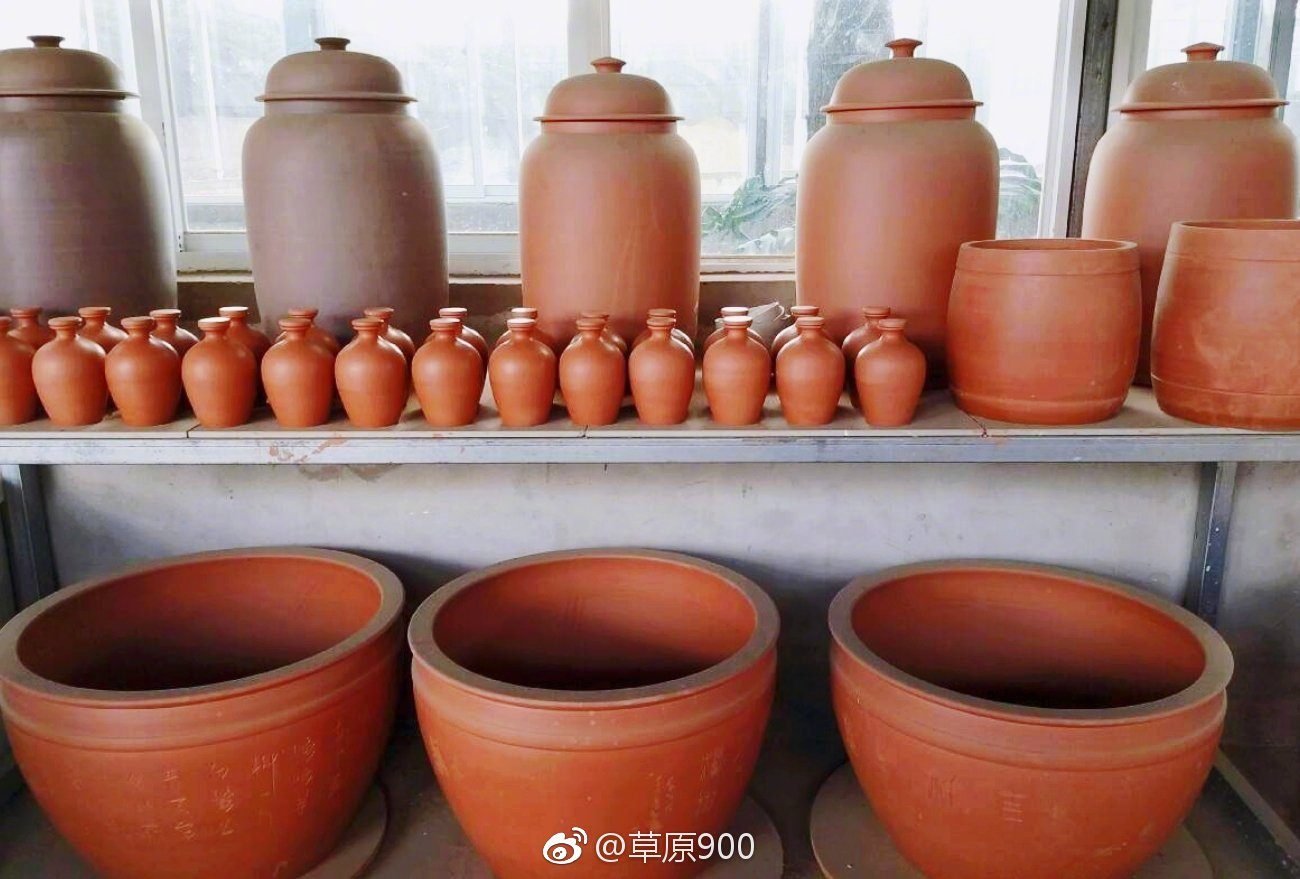
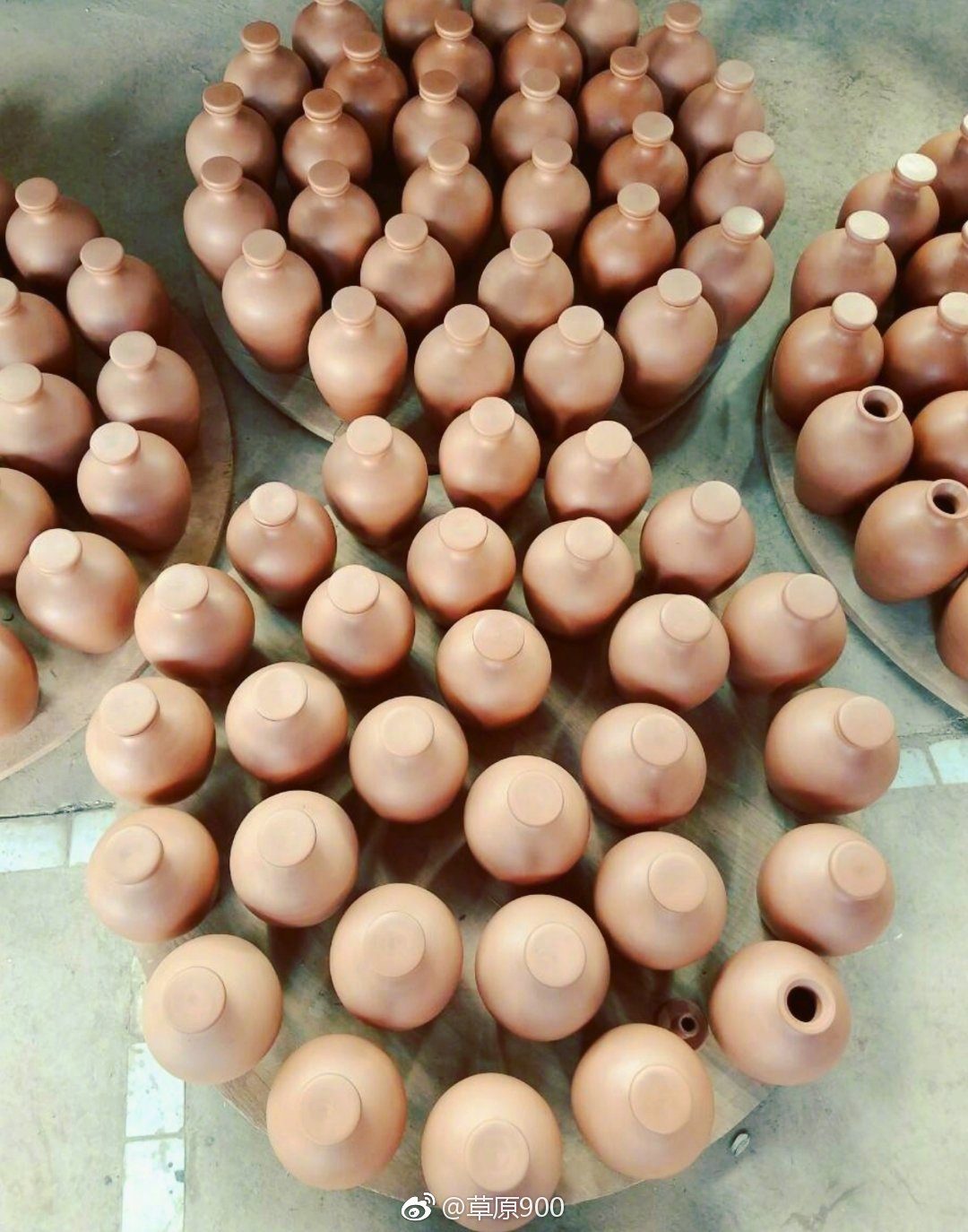
One of China's four famous potteries: made from the five-colored clay of Wanyao Village, Jianshui; its signature craft is the 'broken-rubbing' decoration — calligraphy from broken steles and old rubbings of past dynasties carved in intaglio and refilled in relief on the pottery surface. Kilns have burned in Wanyao Village for 500 years, and the ancient dragon kiln is still wood-fired today. On Zitao Street and in workshops you can try throwing clay and incise-filling; the jars for griddle-fried tofu and steam pots (the special vessel for Jianshui's steam-pot chicken) make practical souvenirs.
Getting there: Wanyao Village, north of the city
Photos
More in Jianshui
- Jianshui Ancient Town
Jianshui County was established in the Nanzhao period; in the Ming Hongwu era Lin'an Prefecture was set up and the present town built. Its 600-plus-year-old layout survives intact — known as the 'Zou-Lu of southern Yunnan', a famed land of culture and literature
- Chaoyang Tower
The east gate tower of Jianshui Ancient Town, built in the 22nd year of the Ming Hongwu era (1389) — 28 years before Beijing's Tiananmen. Its triple-eaved hip-and-gable tower and gate platform resemble Tiananmen, earning it the nickname 'Little Tiananmen'
- Zhu Family Garden
A residence-and-garden complex built by the wealthy Zhu brothers of Jianshui over more than twenty years in the Qing Guangxu era: covering over 20,000 square meters with 214 rooms, it is the largest and most complete surviving private garden in southern Yunnan, hailed as the 'Grand View Garden of the southwest frontier'
- Jianshui Confucian Temple
First built in the 22nd year of the Zhiyuan reign of the Yuan dynasty (1285), it is one of the largest regional Confucian temples extant in China, second in scale only to the Temple of Confucius in Qufu
- Shuanglong Bridge
Commonly known as the Seventeen-Arch Bridge, built during the Qianlong and Daoguang reigns of the Qing dynasty: a 17-arch stone bridge 148 m long, named for the Lujiang and Tachong rivers converging here like a pair of dragons, and hailed as the 'No. 1 Bridge of Yunnan'
- Tuanshan Tourist Train · Xianghuiqiao Station
The oldest still-operating meter-gauge sightseeing line in Yunnan: the vintage train from Lin'an Station to Tuanshan passes century-old stations such as Shuanglongqiao and Xianghuiqiao