
Jimei School Village · Aoyuan
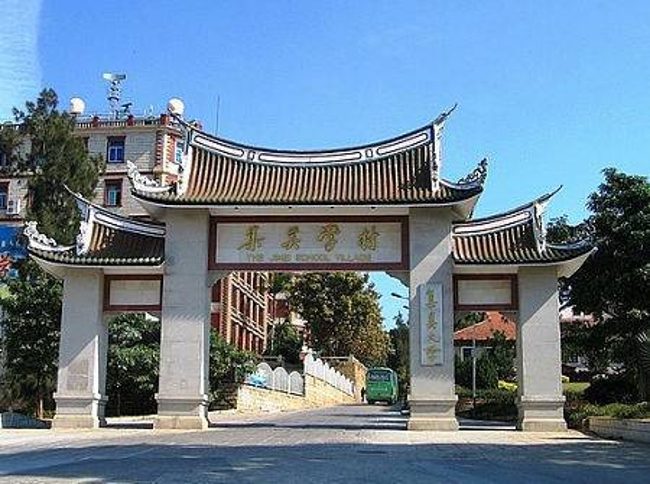
A school village established by Tan Kah Kee from 1913, praised by Mao Zedong as the 'Flag of Overseas Chinese and Glory of the Nation': The unique style of Kecheng buildings like Nanxun Hall and Daonan Hall features swallow-tail ridges paired with Western-style columns; the reflection of the building complex by the Dragon Boat Pond is Jimei's signature.
Visitor info
- Opening hours
- 24 hours / Aoyuan 08:00-17:30
- Ticket
- School Village free · Kecheng Park at Aoyuan approx. CNY 20
Price is indicative — final quote on inquiry.
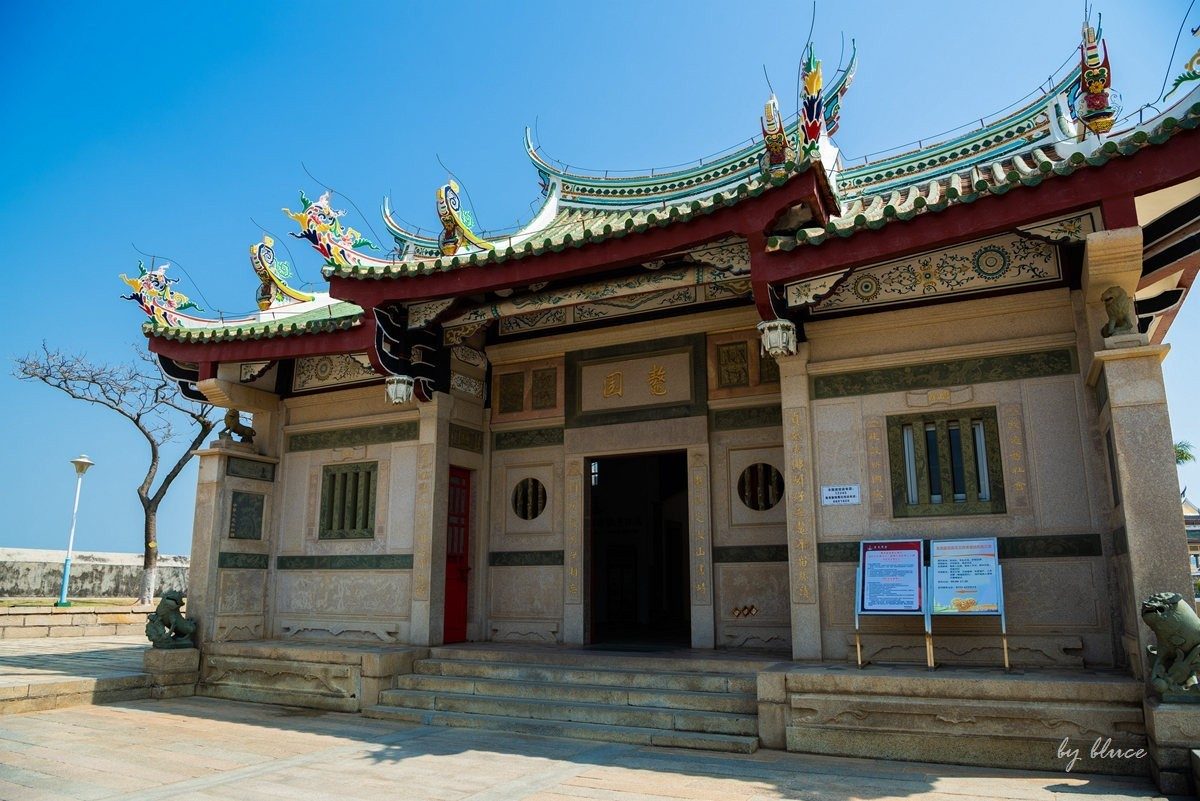
A school village established by Tan Kah Kee from 1913, praised by Mao Zedong as the 'Flag of Overseas Chinese and Glory of the Nation': The unique style of Kecheng buildings like Nanxun Hall and Daonan Hall features swallow-tail ridges paired with Western-style columns; the reflection of the building complex by the Dragon Boat Pond is Jimei's signature. Aoyuan (built in 1950 under Tan Kah Kee's supervision) is a grand collection of 650 stone reliefs; Tan Kah Kee's tomb is in the stone pavilion at Aoyuan. School Village is free, Kecheng Park at Aoyuan costs approx. CNY 20, walkable from Jimei School Village Station on Metro Line 1, covers architecture and stone carvings in a half-day.
Getting there:Metro Line 1, Jimei School Village Station
Photos

More in Xiamen
- Sunlight Rock
The highest point of Gulangyu (92.7m above sea level): Zheng Chenggong once stationed troops and trained here. The stone carvings at the Water Drill Platform and the "Gulang Dongtian" cliff inscription are historical sites. Climbing to the top offers a panoramic view of the island's red roofs and the distant Xiamen Bay.
- Shuzhuang Garden · Piano Museum
Built in 1913 by Taiwan merchant Lin Erjia, modeled after the Taipei Banqiao Lin Family Garden: The 44-Bridge 'Hiding the Sea' incorporates the sea into the garden; the bridge undulates gracefully with the tides, and the 'Mending the Mountain' Twelve Caves rockery cleverly constructs the garden space.
- Haoyue Garden
A Zheng Chenggong-themed garden at Fudingyan Seaside: The giant stone statue of Zheng Chenggong stands 15.7 meters tall (erected in 1985), clad in armor and holding a sword, gazing across the strait, serving as Gulangyu's landmark statue.
- Piano Museum (Bagua Tower)
The red-tiled, round-window Bagua Tower (residence of Taiwan merchant Lin Heshou), built in 1907: A landmark of Gulangyu, now one of the world's largest piano museums. You can hear scheduled performances on the actual pipe organs and view the history of pianos from European church organs to hand-cranked ones.
- Longtou Road
Gulangyu's 'Dining Street': Old brands like Longtou Fish Ball Shop, Pan Xiaolian Pineapple Cake, Satay Noodles, and Fish Balls gather here, mixed with artistic boutiques, foreign-style architecture, and specialty stores in the alleys.
- Neicuomao
Gulangyu's residential area: quiet alleys and courtyard cafes are scattered, old villas and flower walls preserve the original flavor of the 'Piano Island', with a light commercial atmosphere and a strong local vibe.