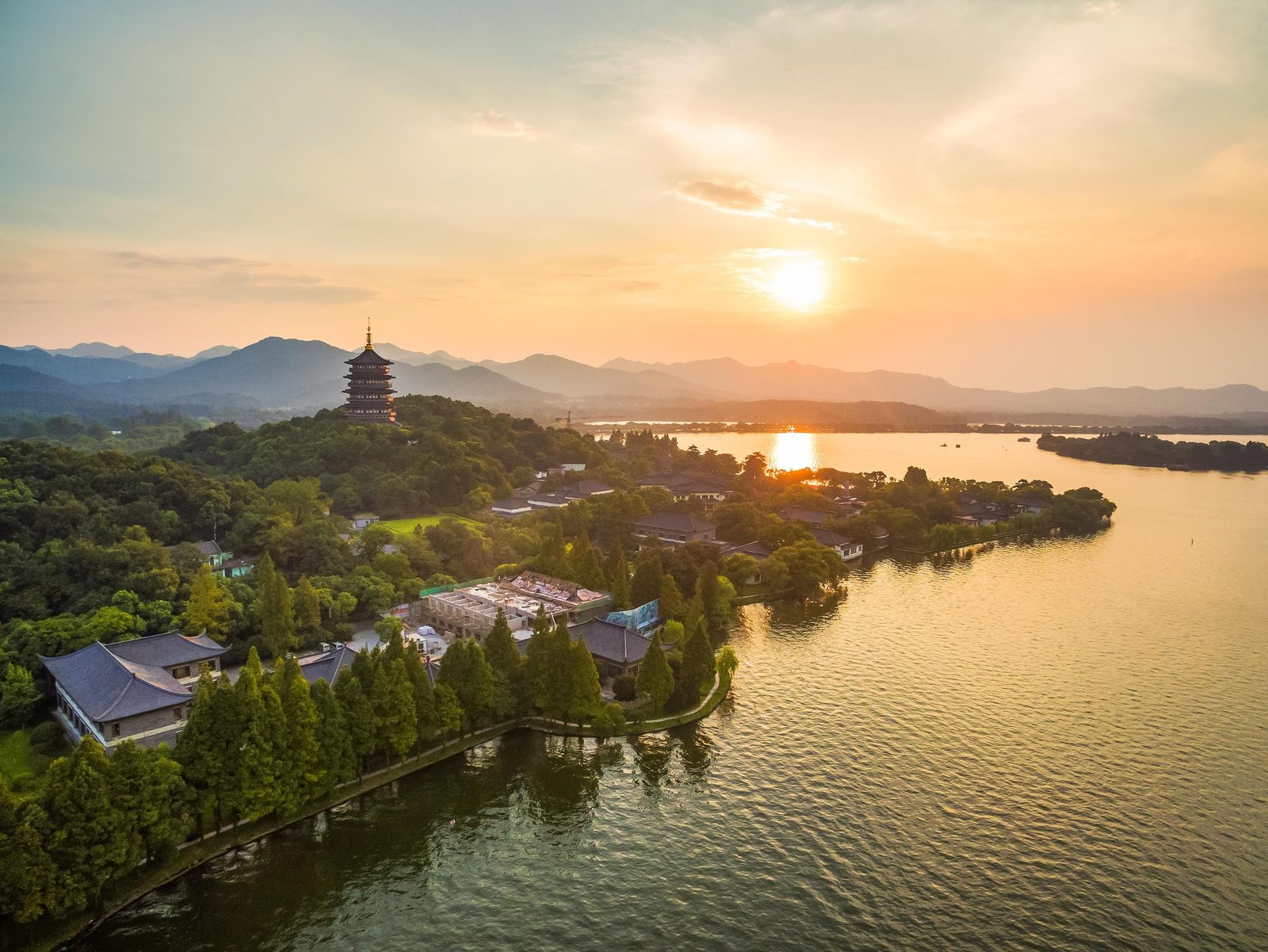
Manjuelong Osmanthus Valley · Waitongwu Art Village
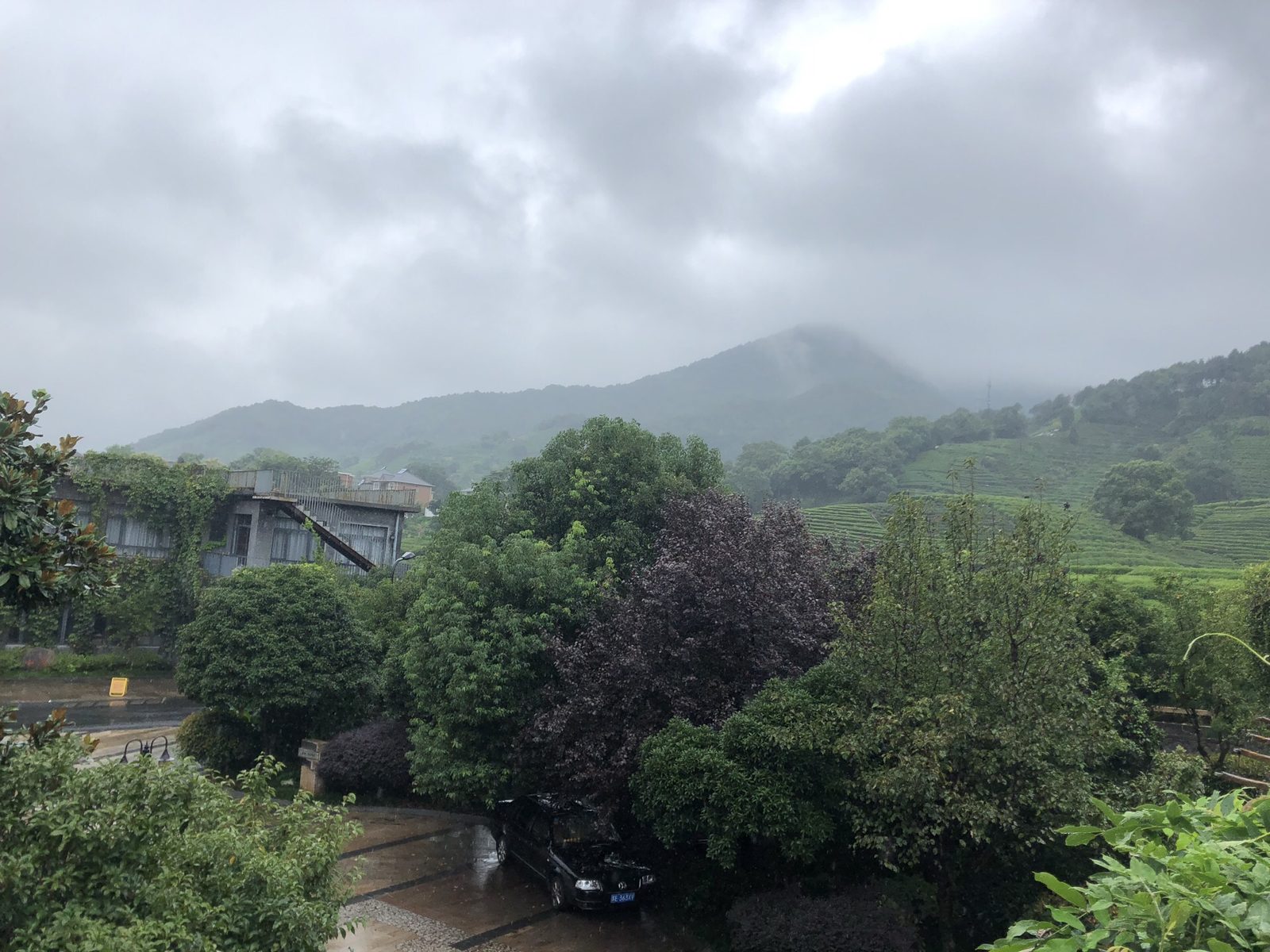
Manjuelong is known for osmanthus trees growing alongside tea plantations: tea rows shaded by osmanthus groves, village houses and mountain springs — a living village where tea and flower farmers work side by side
Visitor info
- Opening hours
- Open all day
- Ticket
- Free
Price is indicative — final quote on inquiry.
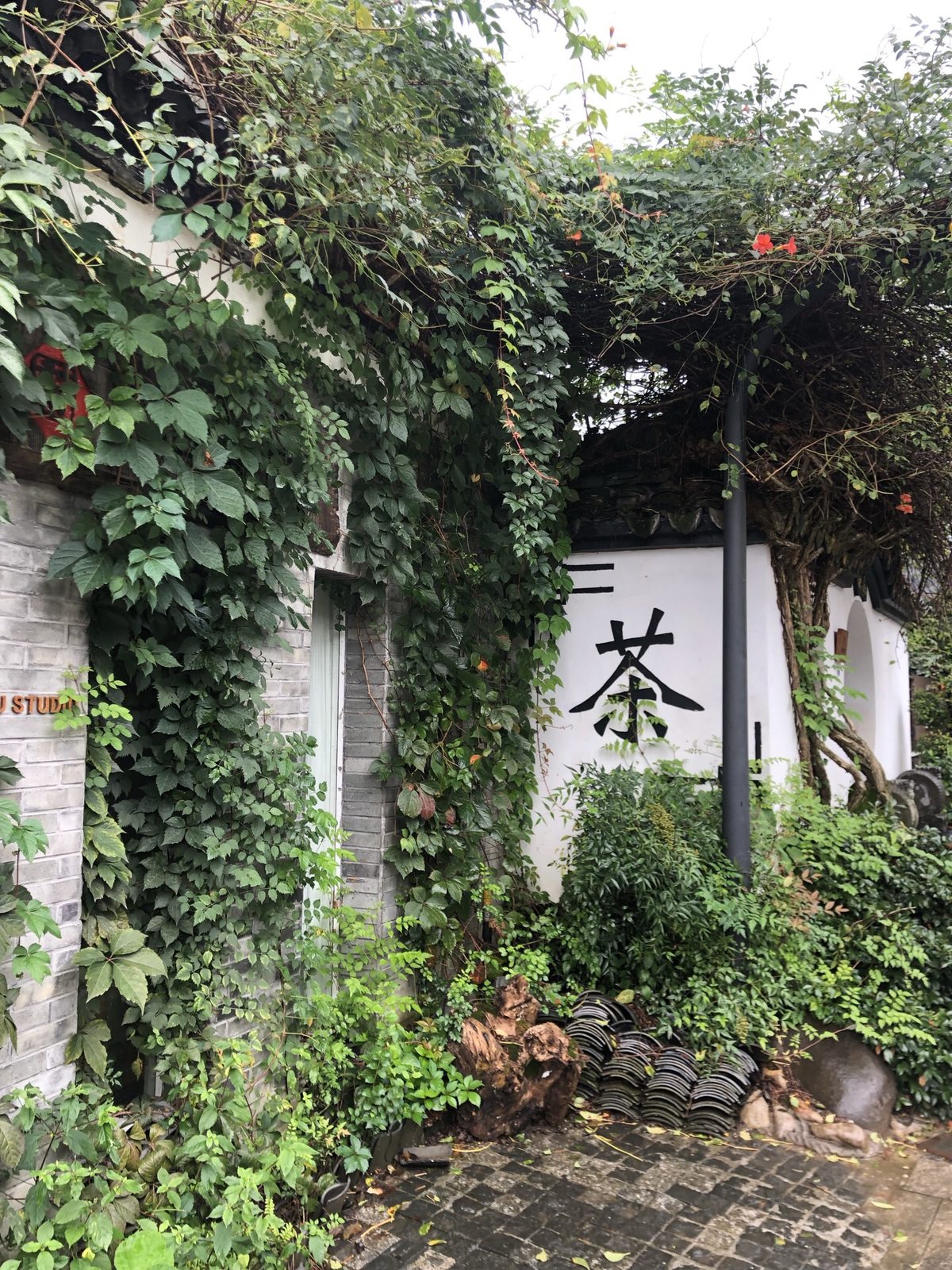
Manjuelong is known for osmanthus trees growing alongside tea plantations: tea rows shaded by osmanthus groves, village houses and mountain springs — a living village where tea and flower farmers work side by side; Waitongwu is hailed as the "Marshal's Tea Hollow" — Marshal Zhu De visited four times to taste its tea — and is now an art village where artists gather, with studios and tea spaces scattered throughout. Both sites are free and open to the public, reachable by bus or self-drive, ideal for an artsy half-day.
Getting there: by bus / self-drive
Photos
More in Hangzhou
- Xixi National Wetland
Boat maze of reeds and water villages west of the city.
- West Lake
UNESCO lake of pagodas, causeways and arched bridges; boat or bike the shoreline.
- Lingyin Temple
Buddhist temple founded 326 AD amid grottoes of Song-era rock carvings.
- Longjing Tea Village
Terraced Dragon Well tea fields; tastings at family farms.
- West Lake Loop
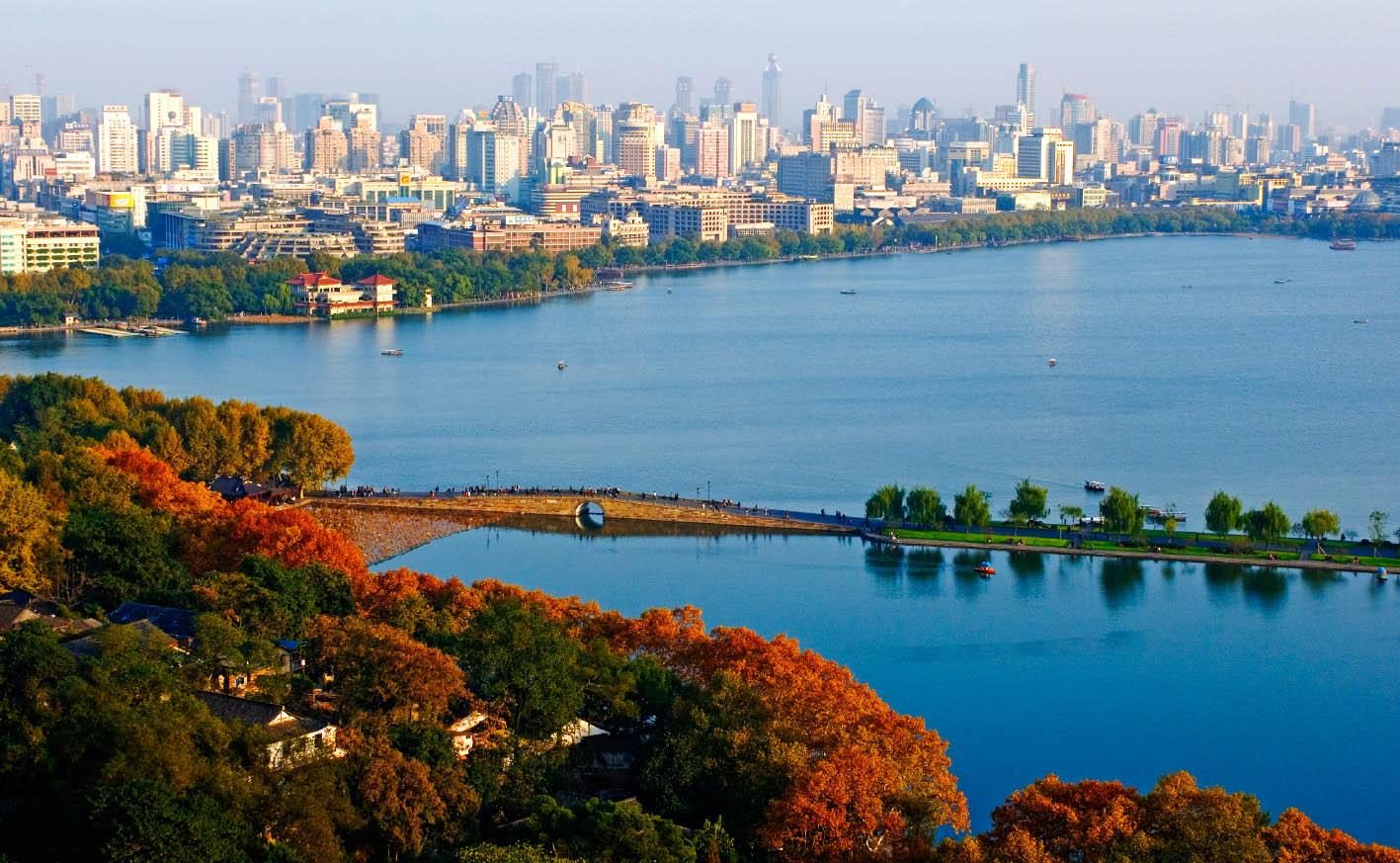
A World Heritage Site (inscribed in 2011): an urban lake with misty hills on three sides and the city on the fourth, dredged in succession by two of its governors, Bai Juyi and Su Dongpo; Su Shi's verse "wishing to compare West Lake to the beauty Xi Shi" made it a byword for Eastern aesthetics
- Su Causeway & Bai Causeway
Su Causeway, 2.8 km long, was built from dredged silt when Su Shi dredged West Lake; six bridges span the lake, with peach trees and willows lining both banks—"Misty Willows over Six Bridges" is the top spring scene