
Minyue Royal City Ruins (Chengcun Han City)
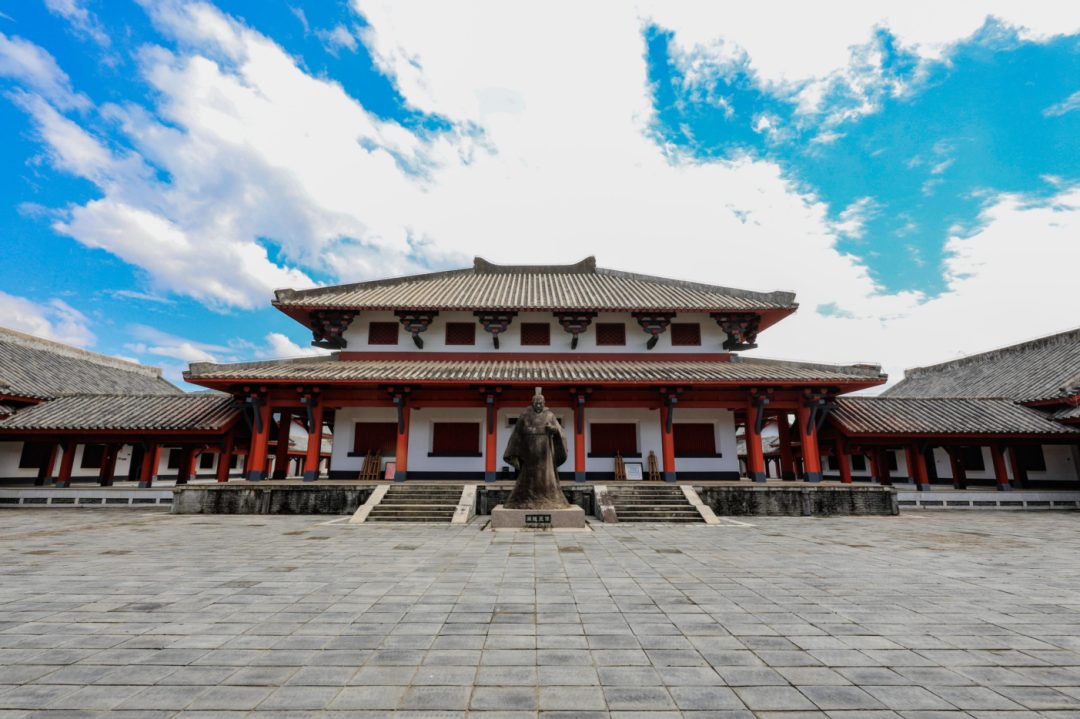
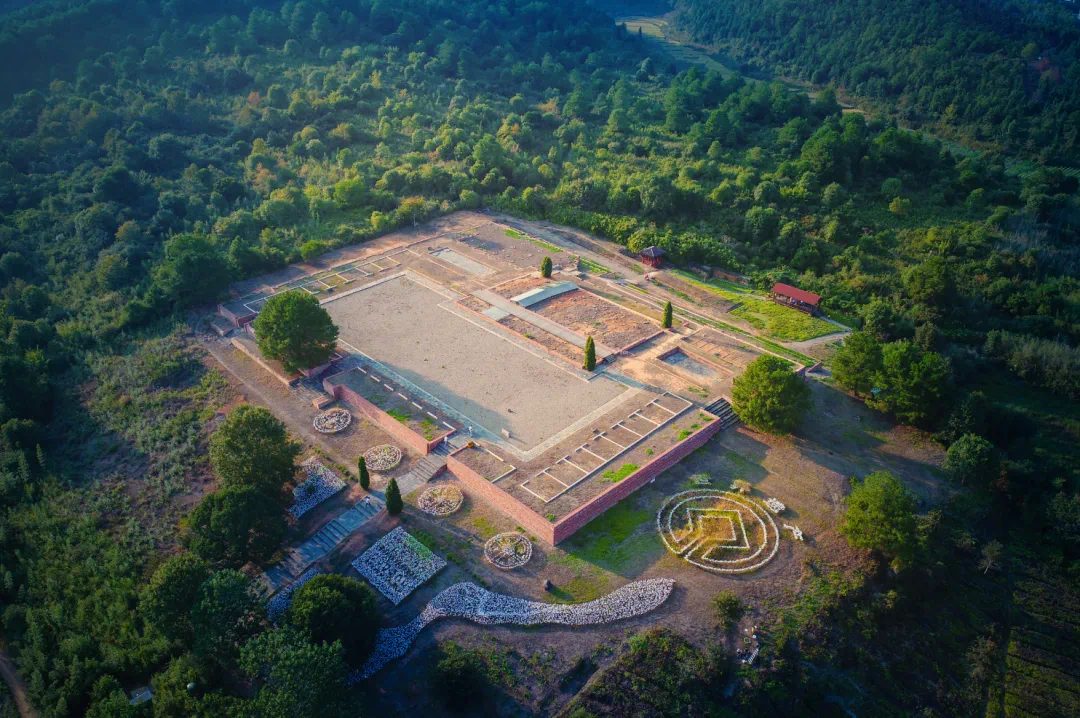
Ruins of the capital of the Western Han–era Minyue Kingdom at Chengcun Village, Xingtian Town, Wuyishan; the 480,000-square-meter site is the best-preserved Han-dynasty ancient city south of the Yangtze River and a National Key Cultural Relics Protection Unit
Visitor info
- Opening hours
- 09:00-17:00
- Ticket
- approx. CNY 80 (museum included)
Price is indicative — final quote on inquiry.
Ruins of the capital of the Western Han–era Minyue Kingdom at Chengcun Village, Xingtian Town, Wuyishan; the city site covers 480,000 square meters and is the best-preserved Han-dynasty ancient city south of the Yangtze River, a National Key Cultural Relics Protection Unit. Palace foundations, the city moat, and excavated eave tiles and pottery evoke the stature of the Minyue King's capital two thousand years ago, with the adjacent Minyue Royal City Museum offering systematic displays. Neighboring Chengcun is an ancient village settled by the Zhao, Xi, and Lin clans — ancestral halls and the old street are worth a side visit.
Getting there: self-drive to Xingtian Town (approx. 25 km)
Photos
More in Wuyishan
- Mount Wuyi Main Scenic Area
A World Cultural and Natural Dual Heritage site (1999); Danxia landforms and the Nine-Bend Stream together form the model of "green waters and red mountains"; traveler Xu Xiake called it "the most marvelous and beautiful in the southeast"
- Nine-Bend Stream Bamboo Rafting
The highlight of Mount Wuyi: board a bamboo raft at Xingcun Wharf and drift 9.5 km downstream, taking about 90 minutes through the nine bends
- Tianyou Peak
The foremost scenic spot of Mount Wuyi; the whole mountain rises as a single mass of rock, with a climbing path of 848 stone steps hugging the cliff face
- Wuyi Palace · Song Street
The oldest Taoist temple complex on Mount Wuyi, originally the Tang Dynasty's Huixian Temple; a center of Wuyi Taoism through the dynasties, with Zhizhi Nunnery, Sanqing Hall and more still standing
- Yixiantian (A Thread of Sky)
One of the narrowest 'thread of sky' fissures in China, set between the Lingyan cliffs south of the Second Bend: the crevice from Fuxi Cave to Ling Cave runs 176 m, only 30 cm wide at its narrowest—squeeze through sideways and look up to see a single thread of sky
- Shuilian Cave (Water Curtain Cave)
Wuyi Mountain's largest rock cave: two flying springs plunge more than a hundred meters from the cave roof, turning into a water curtain when the wind rises—praised by Xu Xiake as 'the most superb spot in the mountains'