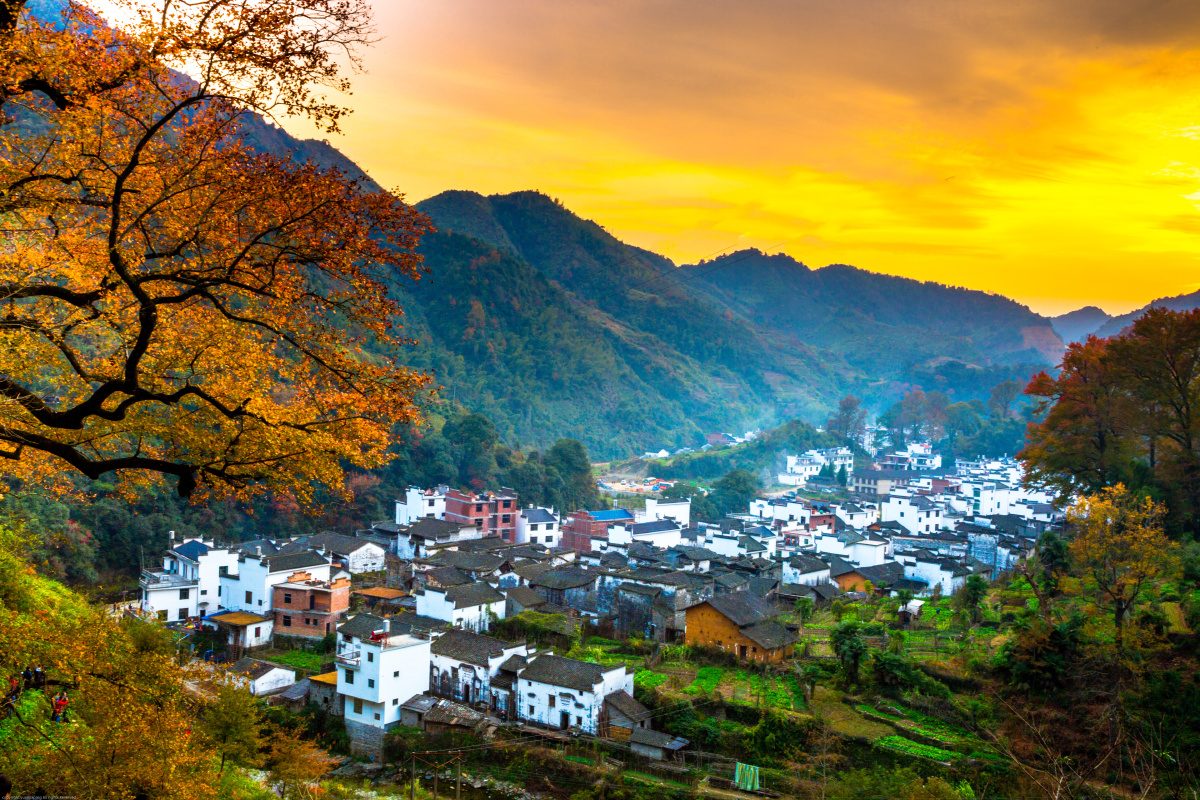
Qingyuan Village
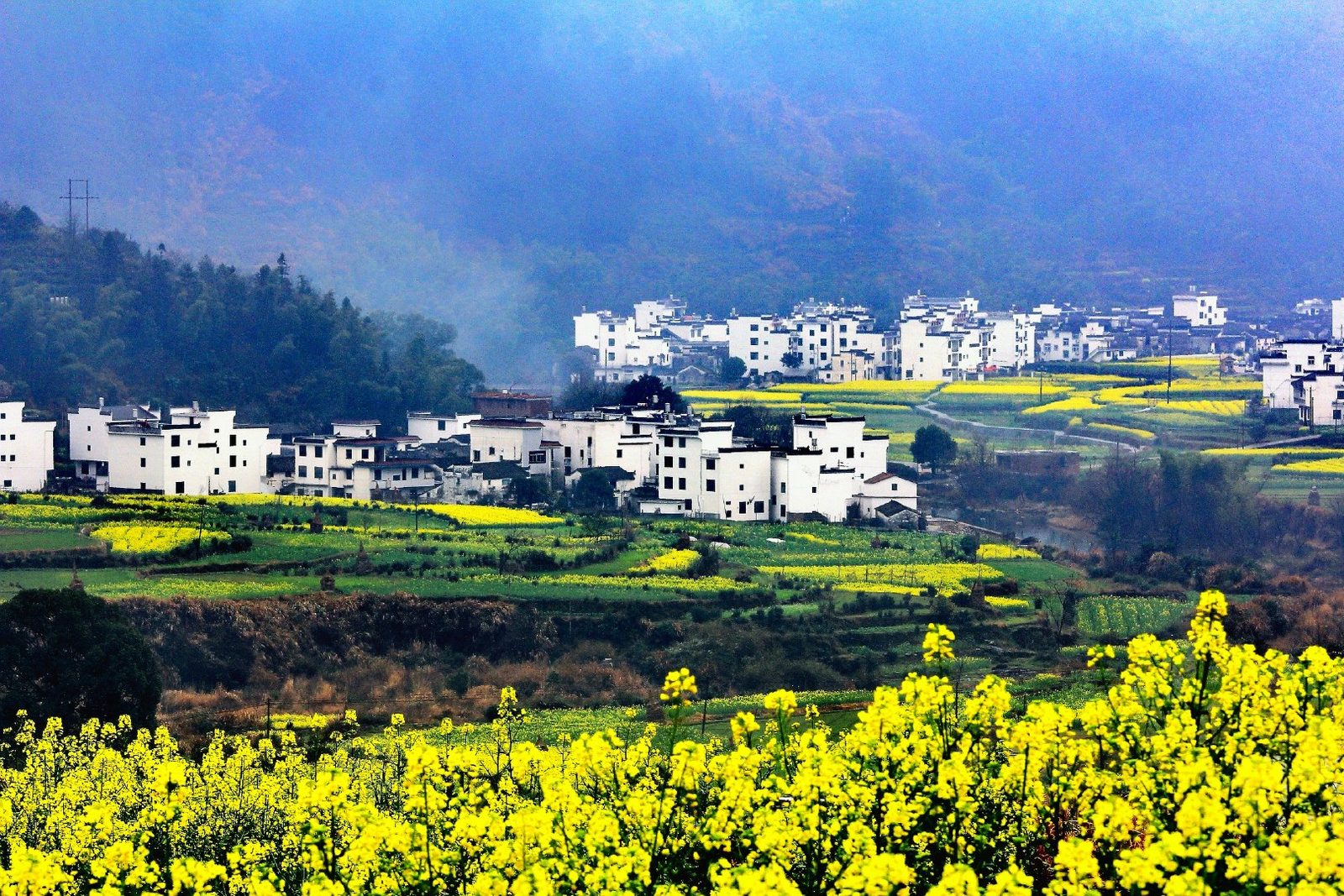
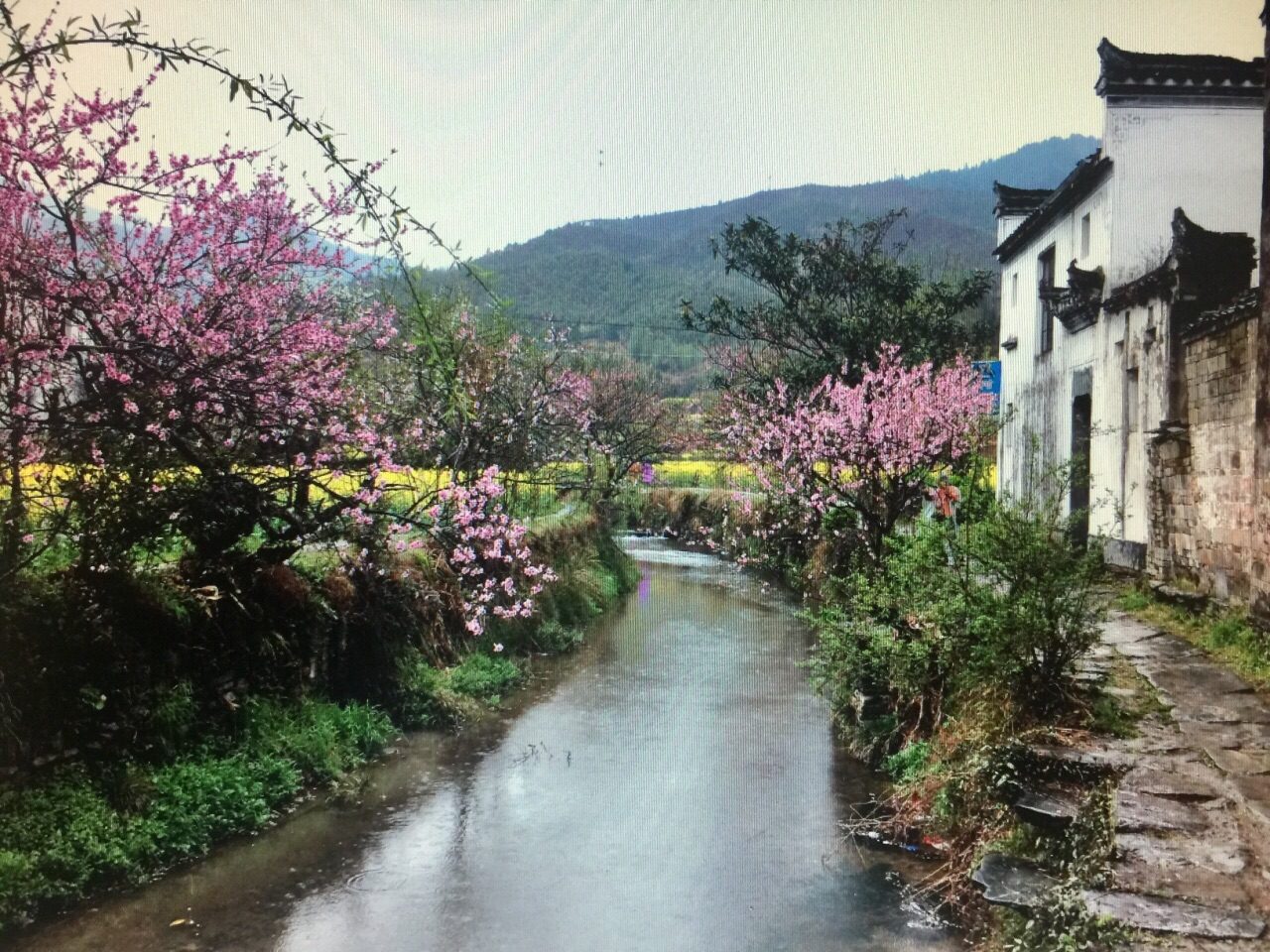
An ancient village of the Zhan clan deep in a mountain gorge: flanked by two streams and shaded by old trees, it was formerly known as "Little Peach Blossom Land."
Visitor info
- Opening hours
- All day
- Ticket
- approx. CNY 20
Price is indicative — final quote on inquiry.
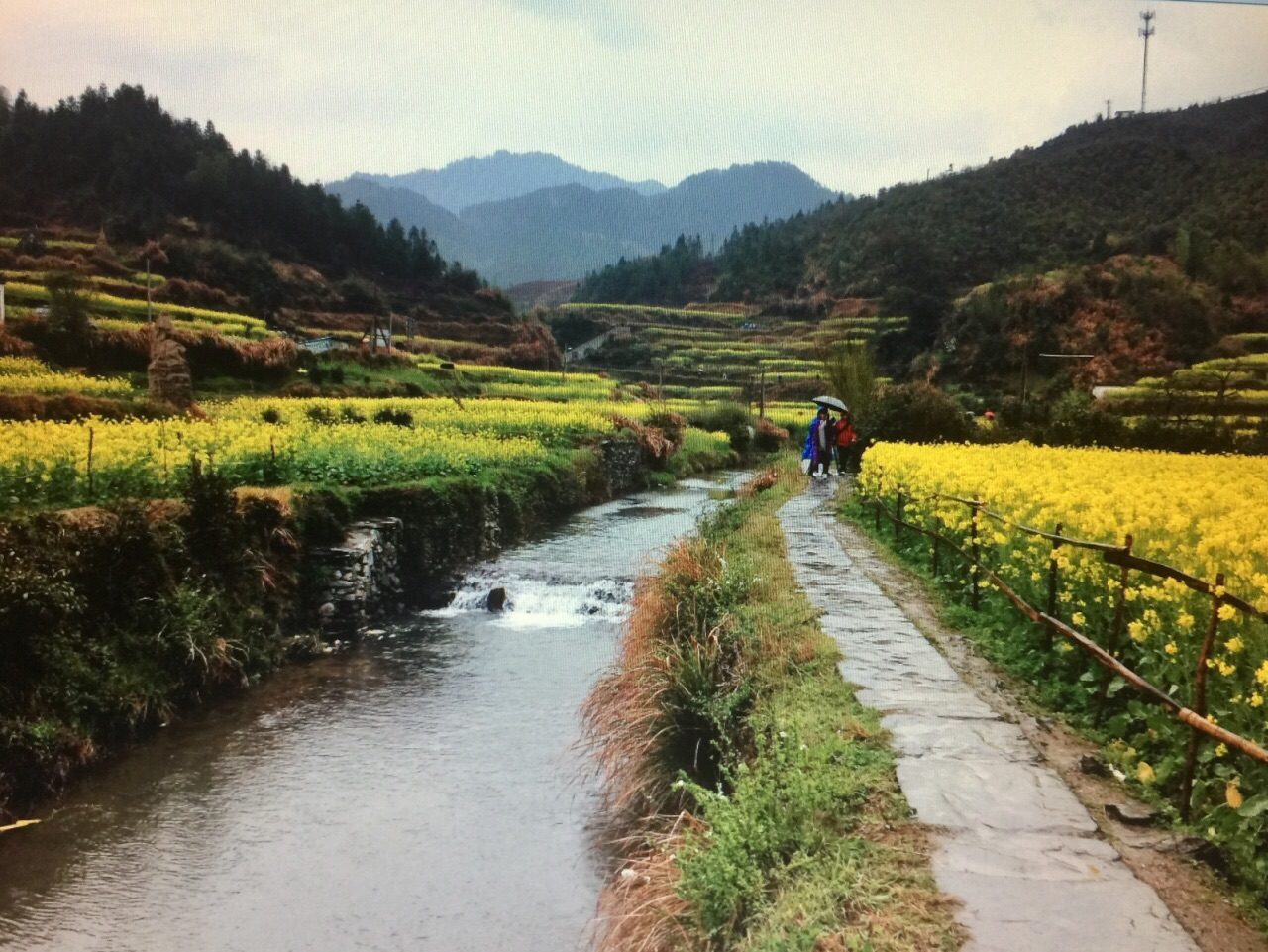
An ancient village of the Zhan clan deep in a mountain gorge: flanked by two streams and shaded by old trees, it was formerly known as "Little Peach Blossom Land." Thanks to its remote, deep-mountain location it remains barely commercialized and is still a pristine example of Wuyuan's original character; the Zhan ancestral hall and old residences are well preserved. Hikers can reach neighboring villages via an ancient post road, and even after the flower season it remains a quiet place to enjoy blossoms.
Getting there: self-drive from the county seat (approx. 60 km)
Photos
More in Wuyuan
- Huangling
A cliff-hung ancient village on Wuyuan's eastern route: settled by the Cao clan for over 600 years, the entire village clings to the cliff face, with Tianjie (Sky Street) and old lanes winding along the rock
- Jiangwan
A national 5A-level scenic area and gateway to Wuyuan's eastern route, and a settlement of the Jiang clan: the Xiaojiang Ancestral Hall is grand in scale with carved beams and painted rafters, known as "the No. 1 Ancestral Hall of Jiangnan"; Sansheng Hall is the Jiang clan's ancestral residence; the Tengjia Lane old street preserves tea firms and old houses
- Likeng Village
A water village famed for its "small bridges, flowing water, and homes": the Li clan has lived here for over a thousand years, a stream runs through the village, flanked on both banks by Hui-style houses
- Wangkou Village
A thousand-year-old village settled by the Yu clan: the Yu Clan Ancestral Hall at its center, built during the Qianlong reign of the Qing dynasty, is hailed as the "First Ancestral Hall of Jiangnan," with over a hundred carved wooden components across beams, crossbeams, and Dougong brackets — a pinnacle of Hui-style woodcarving
- Sixi & Yancun Villages
A collective name for the two villages of Sixi and Yancun: over a hundred Qing-dynasty Hui-merchant mansions stand in contiguous clusters, earning it the title "First Village of Confucian Merchants"
- Rainbow Bridge
A Southern Song dynasty covered bridge in Qinghua Town, built in 1137, 140 meters long with four piers and five spans, hailed as "China's most beautiful covered bridge" and one of the longest-surviving covered bridges in China