Stone Forest
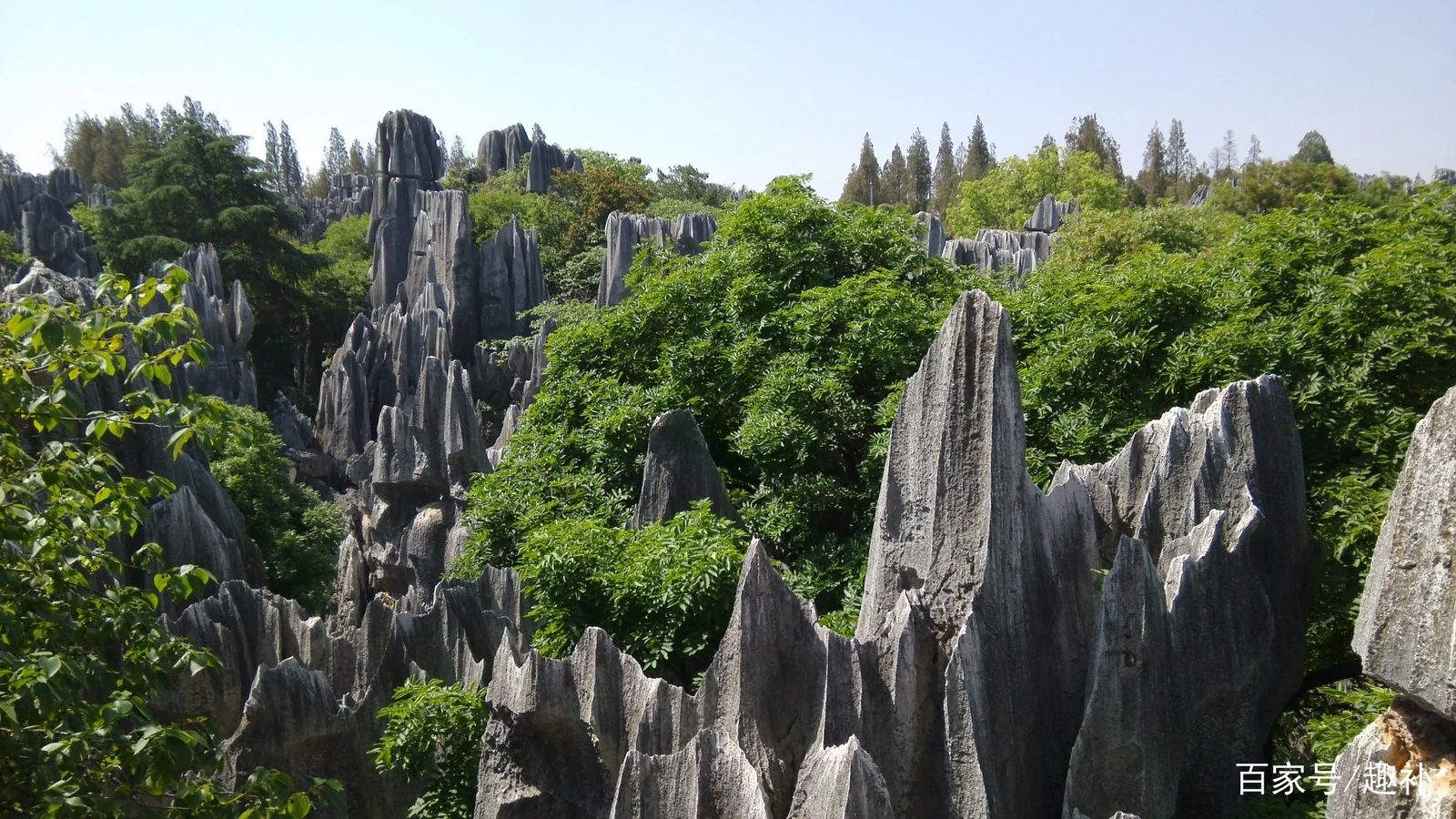
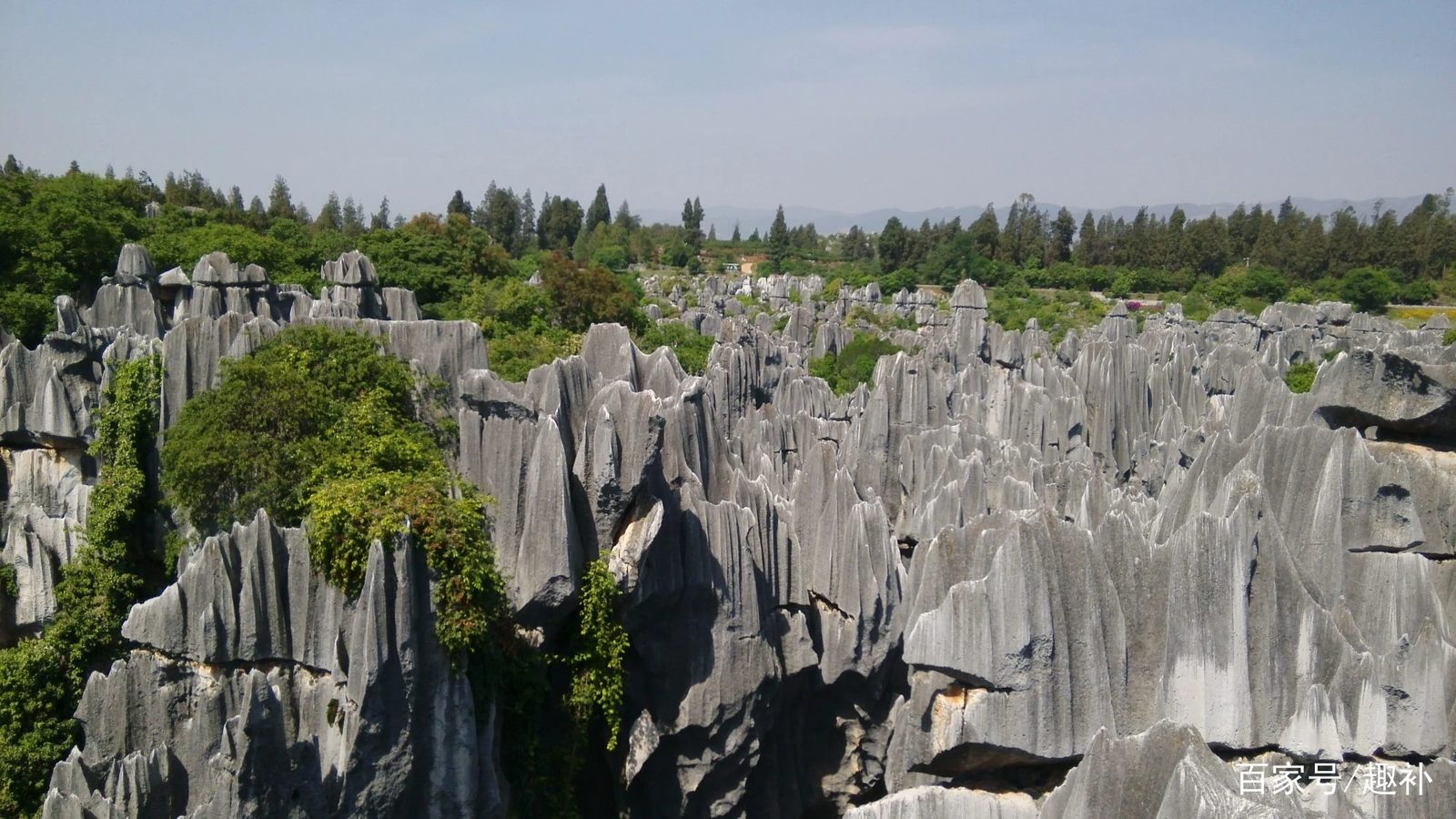
UNESCO World Natural Heritage site (inscribed 2007) and Global Geopark; limestone laid down on an ancient seabed 270 million years ago, carved by eons of water erosion and karstification into a karst wonderland of sword-, tower-, and mushroom-shaped stone peaks, hailed as 'the most spectacular wonder under heaven'
Visitor info
- Opening hours
- 08:00-18:00
- Ticket
- CNY 130
Price is indicative — final quote on inquiry.
A UNESCO World Natural Heritage site (inscribed 2007) and Global Geopark, where limestone deposited on an ancient seabed 270 million years ago has been sculpted by eons of water erosion and karstification into a karst wonderland of sword-, tower-, and mushroom-shaped stone peaks, hailed as 'the most spectacular wonder under heaven'. In the Greater Stone Forest (Dashilin) the peaks rise like a sea of swords, with the grandest view from Wangfeng Pavilion (Peak-Viewing Pavilion); the Lesser Stone Forest (Xiaoshilin) is more open and graceful. The legend of the 'Ashima' peak — a Sani girl turned to stone — is a household tale, and the long narrative poem 'Ashima' was born here. During the Torch Festival (24th day of the sixth lunar month), the Sani people (a branch of the Yi) hold bullfights, wrestling, and all-night song and dance — the most vibrant cultural scene at the Stone Forest.
Getting there: High-speed rail, Shilin West Station (bullet trains from Kunming South) / shuttle buses from the Eastern Bus Terminal
Photos
More in Kunming
- Green Lake Park
A 'jade within the city' at the heart of Kunming's old town, also known as Nine Dragon Pool because 'nine springs emerge and gather into a pond'; Bamboo Island, Goldfish Island and Lianhua Chan Temple (initiated by Chen Can in the late Qing) on the lake are linked by causeways and bridges; with weeping willows and green water in all seasons, it is the starting point of everyday Kunming life and slow wandering through the old town
- Former Site of the Yunnan Military Academy (Jiangwutang)
A modern-style army school founded in 1909 in the late Qing, ranked together with the Tianjin and Northeast Jiangwutang as the three great military academies of the late Qing; its beige courtyard complex in the 'zouma zhuanjiaolou' style (linked corridors and corner towers) encloses the parade ground, making it one of China's best-preserved modern military academy sites
- Yunnan University (Huize Building)
Donglu University, founded in 1922 by Tang Jiyao, was one of the earliest modern institutions of higher learning in southwest China; the campus stands on the former site of the Ming-Qing Yunnan Gongyuan (provincial examination hall), where Zhigong Hall (the main hall of the examination cells) still survives
- Wenlin Street & Wenhua Lane
Back lanes right next to the west gate of Yunnan University, named 'Wenlin' in the Qing dynasty for their proximity to the Confucian Temple school; today a coffee street where Kunming's young people and international students gather, with dozens of independent cafés, craft-beer bars and second-hand bookshops lining the slope
- Kunming Old Street (Wenming Street Historic District)
The last contiguous stretch of old streets left in Kunming's urban area, the commercial hub of the provincial capital since the Ming and Qing dynasties; Wenming Street, Guanghua Street and Yongdao Street criss-cross in a grid, with rows of shops under grey-tiled pitched roofs
- Golden Horse and Jade Rooster Archways
Two street-spanning memorial archways first built in the Ming Xuande era; the east arch stands by the "Golden Horse" and the west arch near the "Jade Rooster" — the source of Kunming's ancient name "Golden Horse and Jade Rooster". A spiritual emblem of the city, they were destroyed in modern times and rebuilt to their original look in 1997.