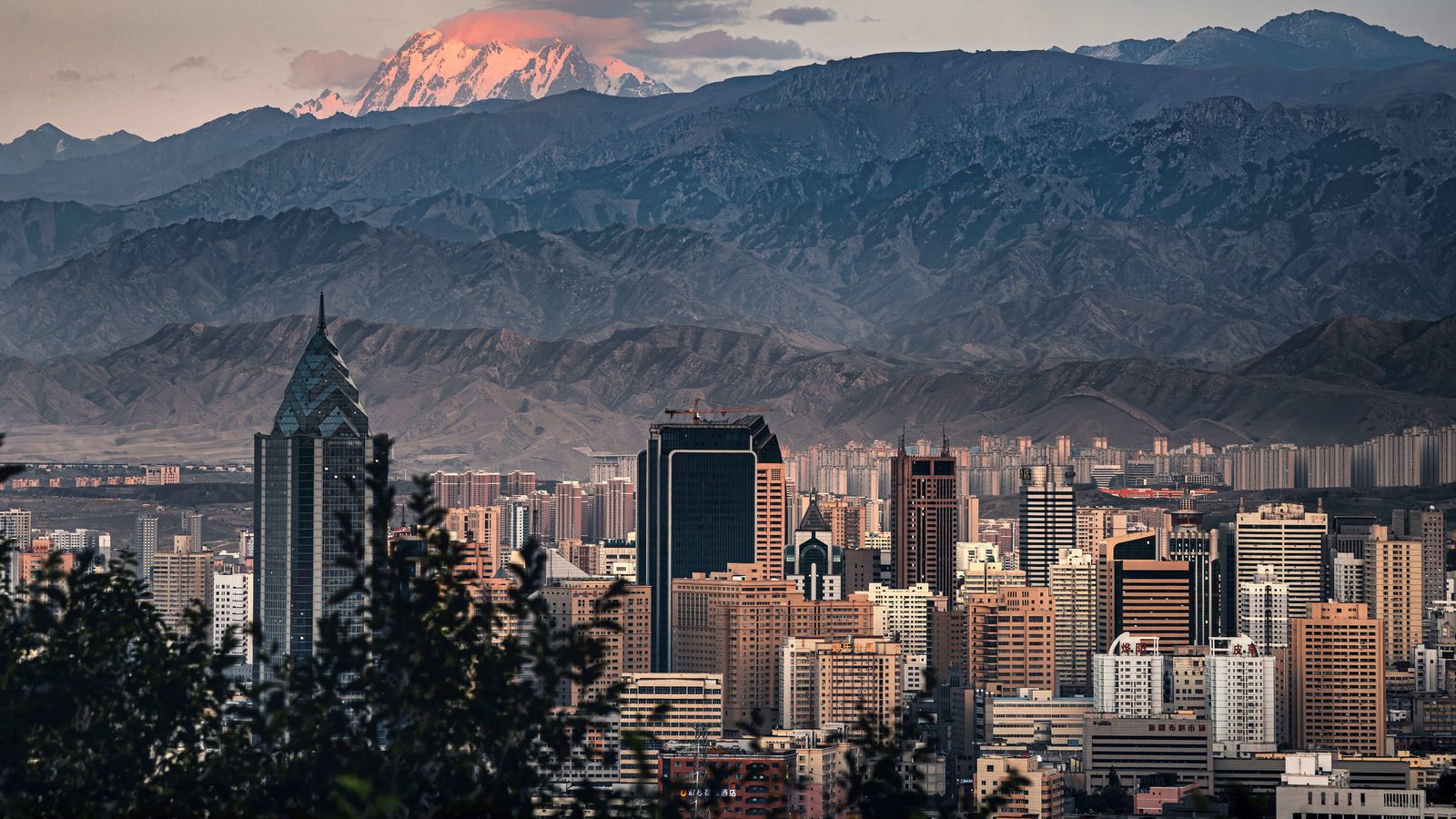
Tianshan Grand Canyon (Banfanggou)
National 5A scenic area, a highlight stretch of the snow-ridge spruce valleys on the northern slope of the Tianshan
Visitor info
- Opening hours
- 09:00-19:00
- Ticket
- CNY 75
Price is indicative — final quote on inquiry.
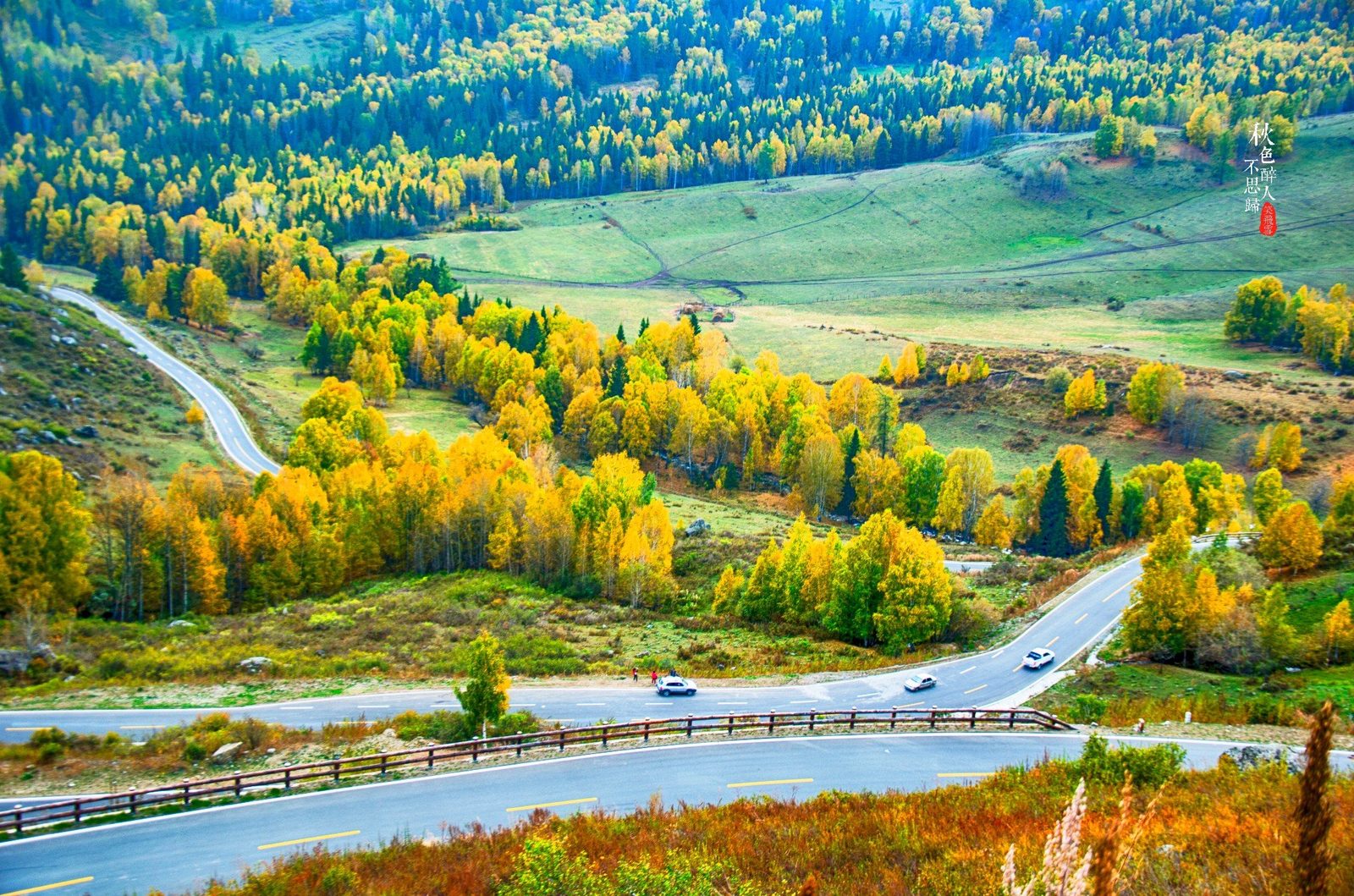
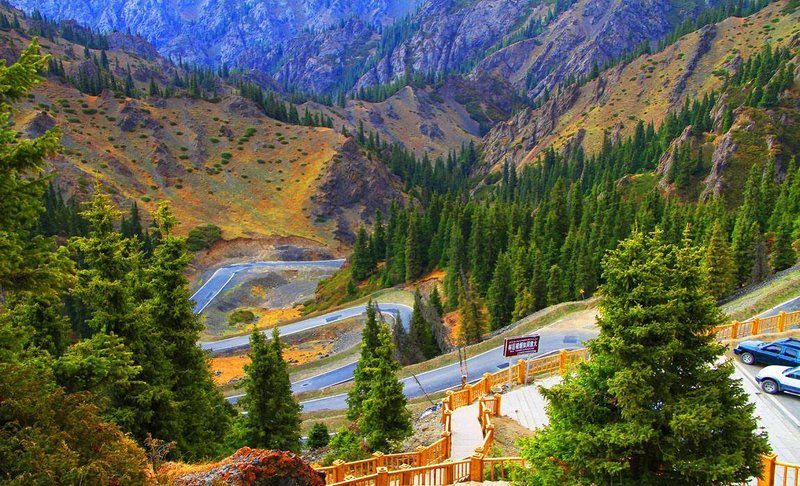
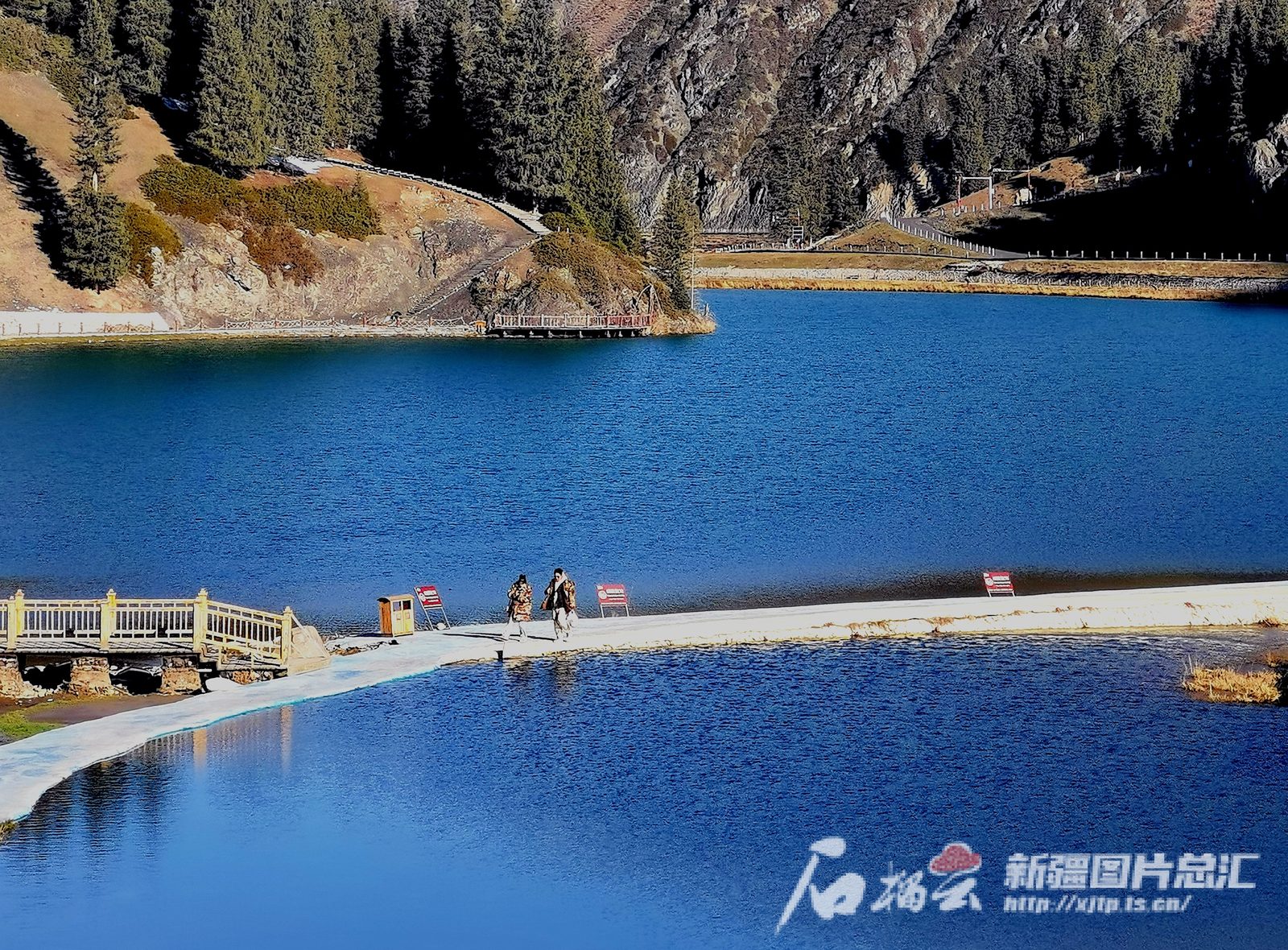
National 5A scenic area, a highlight stretch of the snow-ridge spruce valleys on the northern slope of the Tianshan. The Jiasidaban river valley is lush with water and grass; Swan Lake mirrors the snow peaks, and dense snow-ridge spruce forests shade the sky—hence its reputation as the 'Pearl of the Tianshan'. Boardwalks combined with shuttle buses suit light hiking; summer offers a cool retreat and winter brings snowscapes, making it the top nature route around Urumqi.
Getting there: Self-drive from Urumqi (approx. 50km)
Photos
More in Urumqi
- Xinjiang International Grand Bazaar
Completed in 2003, the world's largest grand bazaar; its Islamic-style building complex and 80m observation tower form Urumqi's most striking landmark
- Erdaoqiao Folk Customs Street
An old Uyghur-inhabited shopping district contiguous with the Grand Bazaar, long known as 'Xinjiang's First Street'
- Hongshan Park
Urumqi's city emblem: the Red Hill Pagoda at the summit, a nine-story dragon-suppressing pagoda built in 1788 under Qing emperor Qianlong; the ochre hill set against green shade forms the famous 'Red Hill Sunset' scene
- Xinjiang Uygur Autonomous Region Museum
The grand repository of Xinjiang's history and culture: the 3,800-year-old 'Loulan Beauty' mummy and Xiaohe Cemetery artifacts lift the veil on the ancient kingdoms of Lop Nur
- Shaanxi Grand Mosque (Khan Tengri Mosque area)
A mosque funded by Shaanxi and Gansu Hui Muslims in the Qing dynasty and a representative of Chinese palace-style mosques — its upturned-eaved great hall resembles inland temples yet serves as a prayer hall, a testament to multiculturalism taking root in Urumqi
- Xinjiang People's Theater
A Soviet-style theater completed in 1955 whose facade blends Islamic decorative art — a performing-arts landmark of Urumqi