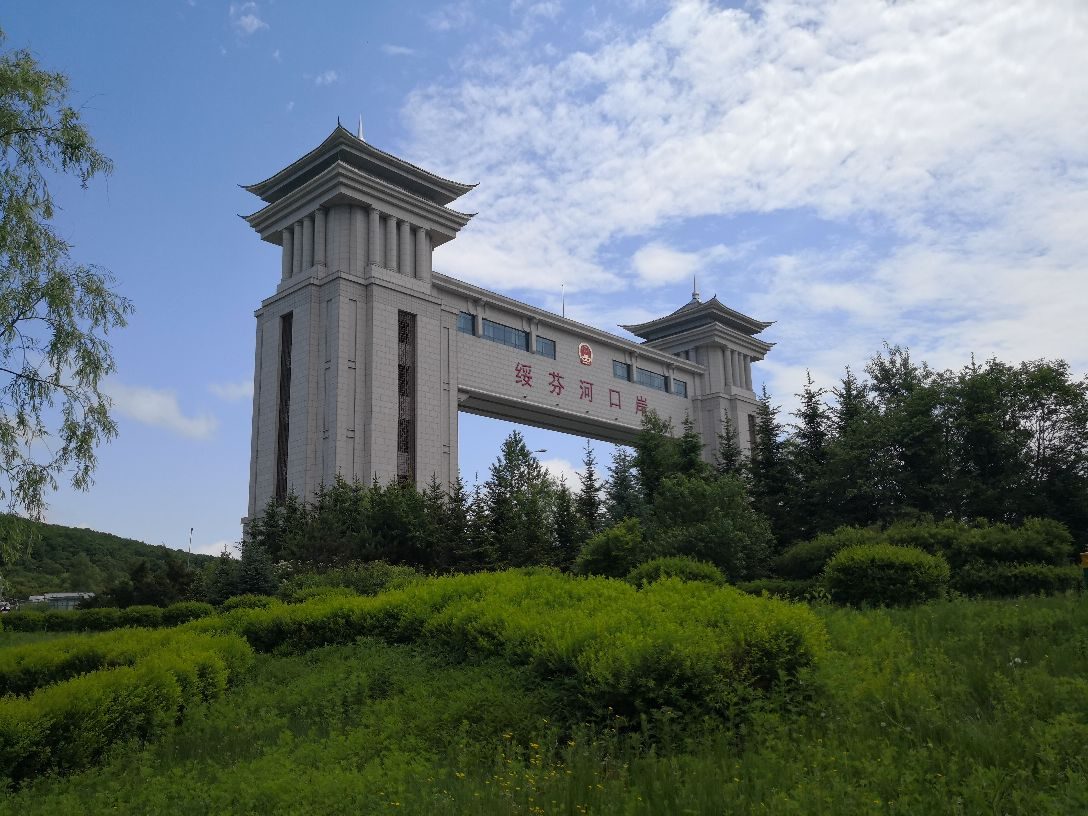
Tianchang Mountain Love Valley
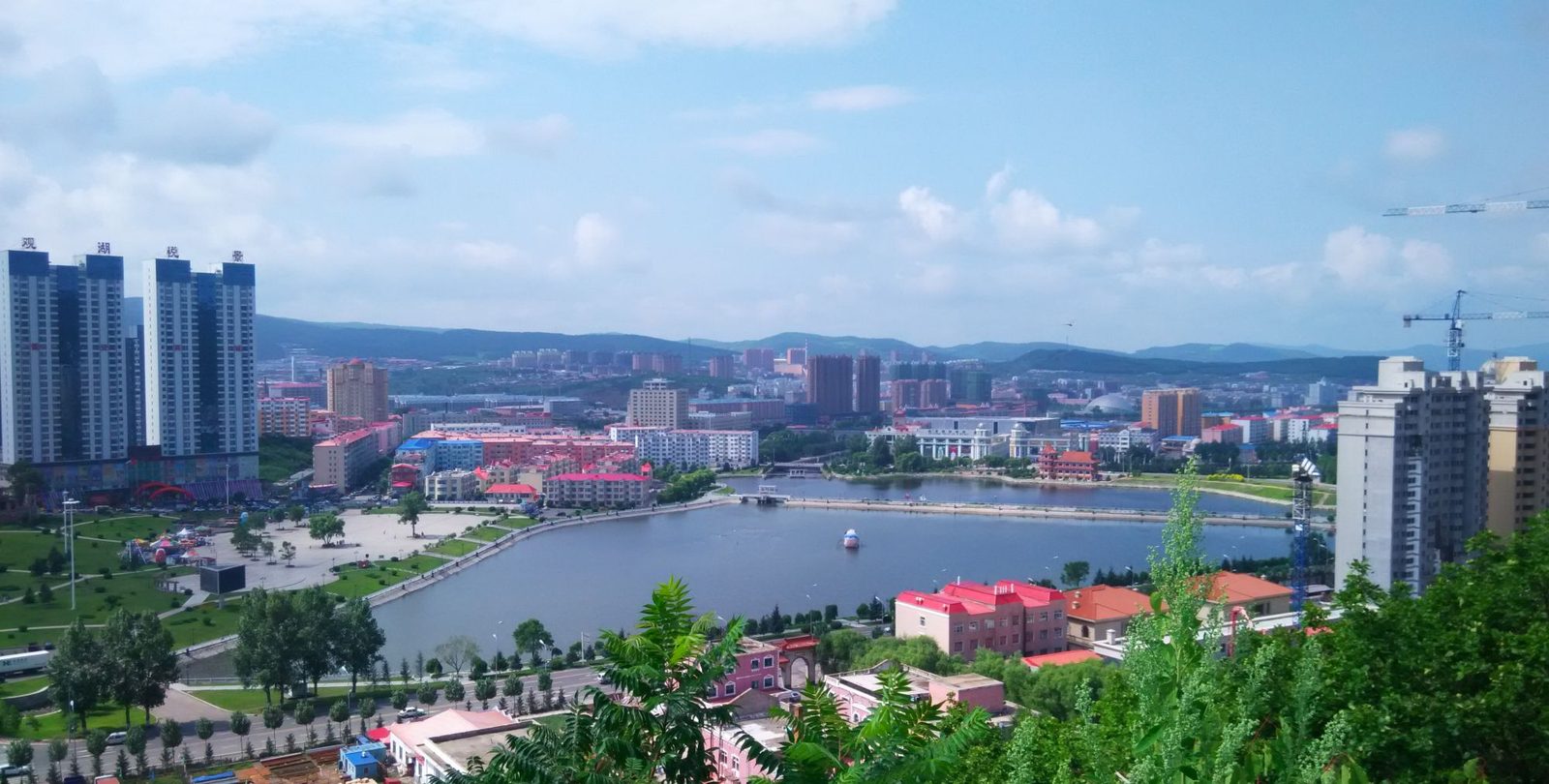
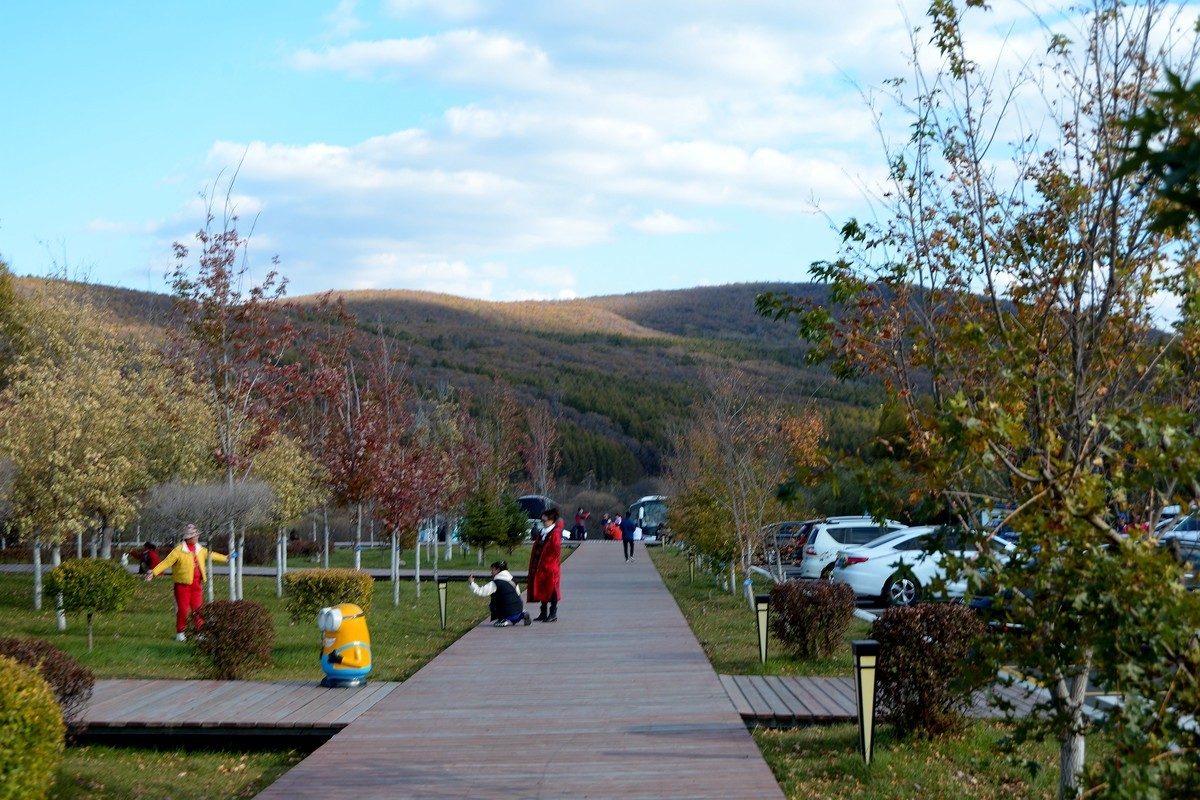
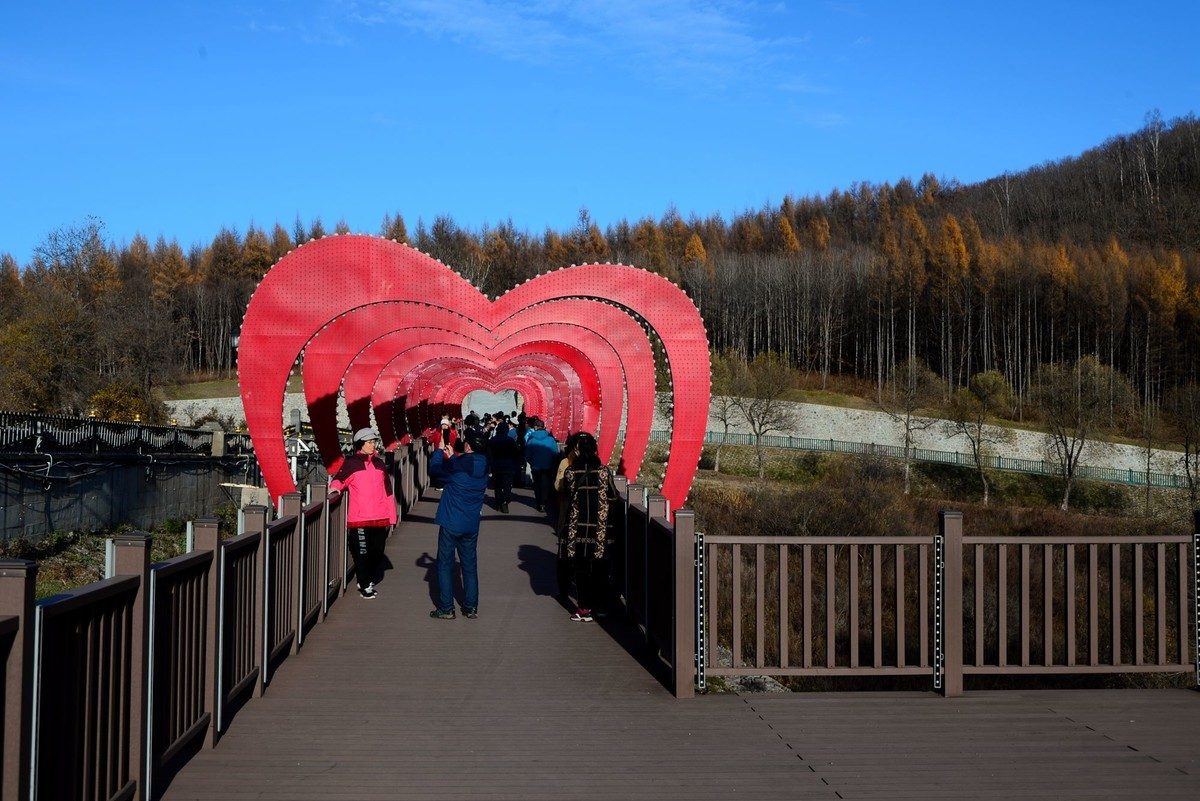
A mountain park on the outskirts of Suifenhe: Tianchang Mountain and Dijiu Mountain face each other, their names together meaning "everlasting love," making the valley a popular wedding-photo destination
Visitor info
- Opening hours
- All day
- Ticket
- Free
Price is indicative — final quote on inquiry.
A mountain park on the outskirts of Suifenhe: Tianchang Mountain and Dijiu Mountain face each other, their names together meaning "everlasting love," making the valley a popular wedding-photo destination. The park includes a warning heritage site documenting Japanese invasion atrocities, a somber historical contrast to the cheerful amusement areas. The adjacent Dongning Fortress complex, "Asia's largest military fortress," is about a 1-hour drive away.
Getting there: self-drive (approx. 10 km, city outskirts)
Photos
More in Suifenhe
- Suifenhe Port of Entry
Suifenhe is the core port for trade and tourism with Russia in Northeast China: a station was set up when the Chinese Eastern Railway opened along its full length in 1903, earning it the title of the railway's 'Foremost Station of the Far East'
- Chinese Eastern Railway Building Complex (Rentou 'Human Head' Building · Dabai 'Great White' Building)
A national key cultural-relics protection complex preserved in Suifenhe's urban area: Russian-style station buildings from around 1903, the site of a former Orthodox church, and the 'Human Head Building' of the Chichagov Tea House (a five-story red-brick building with carved human-head reliefs on its cornice) stand in a row — one of the best-preserved Russian-style building clusters along the Chinese Eastern Railway
- Suifenhe Museum
Comprehensively presents the history of the Chinese Eastern Railway, port trade, and the 'Red Silk Road': the core exhibit is the story of delegates to the CCP's Sixth National Congress secretly crossing the border through Suifenhe in the 1920s and 1930s, supplemented by a century of change in China–Russia border trade and local folk customs — a miniature museum of big history in a small city
- Suifenhe National Gate Tourist Area
Suifenhe's third-generation National Gate is the landmark building of a national first-class port of entry: from the 'Foremost National Gate of Northern China' viewing platform you can gaze into Russian territory and at the long line of freight trains at the rail port
- Daguangming Temple
One of the larger Buddhist temples in Northeast China on the outskirts of Suifenhe: the Seven Medicine Buddhas Hall is grand and well-proportioned, earning it the reputation of "the Foremost Temple of the Northern Land"
- Jiandong Russian-Style Street
Jiandong Russian-Style Street and the Russian goods market are Suifenhe's culinary and shopping calling cards: Russian tiramisu (honey cake), kvass, candies, and binoculars are the main items; Russian bakeries bake big leba (Russian bread) fresh, and Russian restaurants serve authentic borscht and skewers