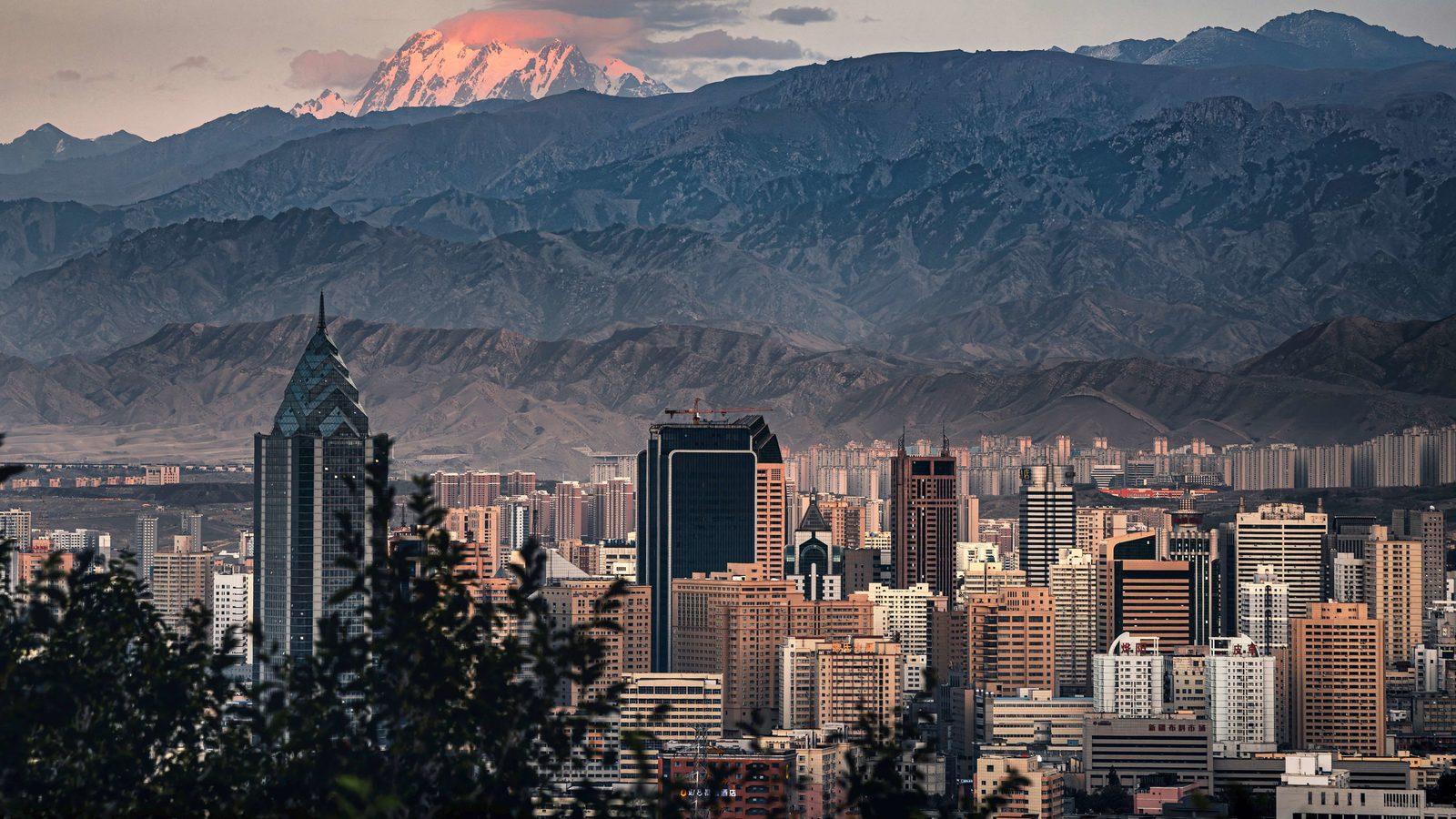
Turpan Day Trip (Land of Fire)
One day in the Land of Fire distills the essence of the Silk Road: the karez underground water system ranks with the Great Wall and the Grand Canal among ancient China's three great engineering feats, with underground channels drawing Tianshan snowmelt to irrigate the oases
Visitor info
- Opening hours
- 09:00-19:00
- Ticket
- Grape Valley CNY 75 / Karez CNY 40 / Jiaohe Ancient City CNY 70 / Flaming Mountains CNY 40
Price is indicative — final quote on inquiry.
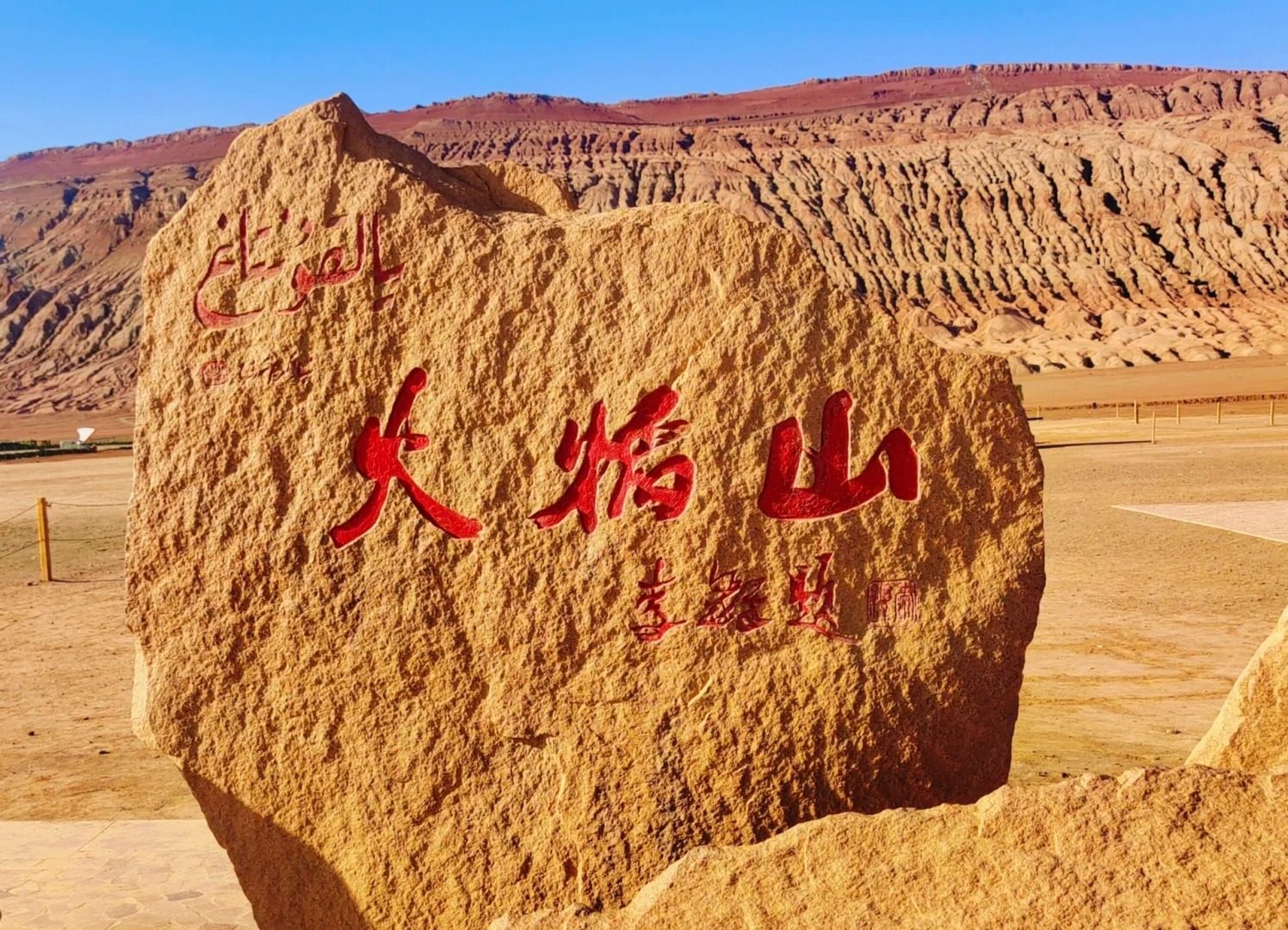
One day in the Land of Fire distills the essence of the Silk Road: the karez underground water system ranks with the Great Wall and the Grand Canal among ancient China's three great engineering feats, with underground channels drawing Tianshan snowmelt to irrigate the oases; Jiaohe Ancient City is the world's largest and oldest city built of raw earth, its ruins—the capital of the ancient Jushi Kingdom—preserved air-dried on cliff-top plateaus; the Flaming Mountains were the real-life inspiration for Journey to the West, with summer ground temperatures reaching 87°C; at Grape Valley, drying houses stack in tiers, and feasting with Uyghur families under grape trellises is the most memorable of all. About 1 hour direct by high-speed rail; Gaochang Ancient City and the Bezeklik Thousand Buddha Caves can be added for a two-day itinerary.
Getting there: High-speed rail, Urumqi to Turpan North (1h) / self-drive (180km)
Photos
More in Urumqi
- Xinjiang International Grand Bazaar
Completed in 2003, the world's largest grand bazaar; its Islamic-style building complex and 80m observation tower form Urumqi's most striking landmark
- Erdaoqiao Folk Customs Street
An old Uyghur-inhabited shopping district contiguous with the Grand Bazaar, long known as 'Xinjiang's First Street'
- Hongshan Park
Urumqi's city emblem: the Red Hill Pagoda at the summit, a nine-story dragon-suppressing pagoda built in 1788 under Qing emperor Qianlong; the ochre hill set against green shade forms the famous 'Red Hill Sunset' scene
- Xinjiang Uygur Autonomous Region Museum
The grand repository of Xinjiang's history and culture: the 3,800-year-old 'Loulan Beauty' mummy and Xiaohe Cemetery artifacts lift the veil on the ancient kingdoms of Lop Nur
- Shaanxi Grand Mosque (Khan Tengri Mosque area)
A mosque funded by Shaanxi and Gansu Hui Muslims in the Qing dynasty and a representative of Chinese palace-style mosques — its upturned-eaved great hall resembles inland temples yet serves as a prayer hall, a testament to multiculturalism taking root in Urumqi
- Xinjiang People's Theater
A Soviet-style theater completed in 1955 whose facade blends Islamic decorative art — a performing-arts landmark of Urumqi