Xinjiang Salt Lake (Dabancheng)
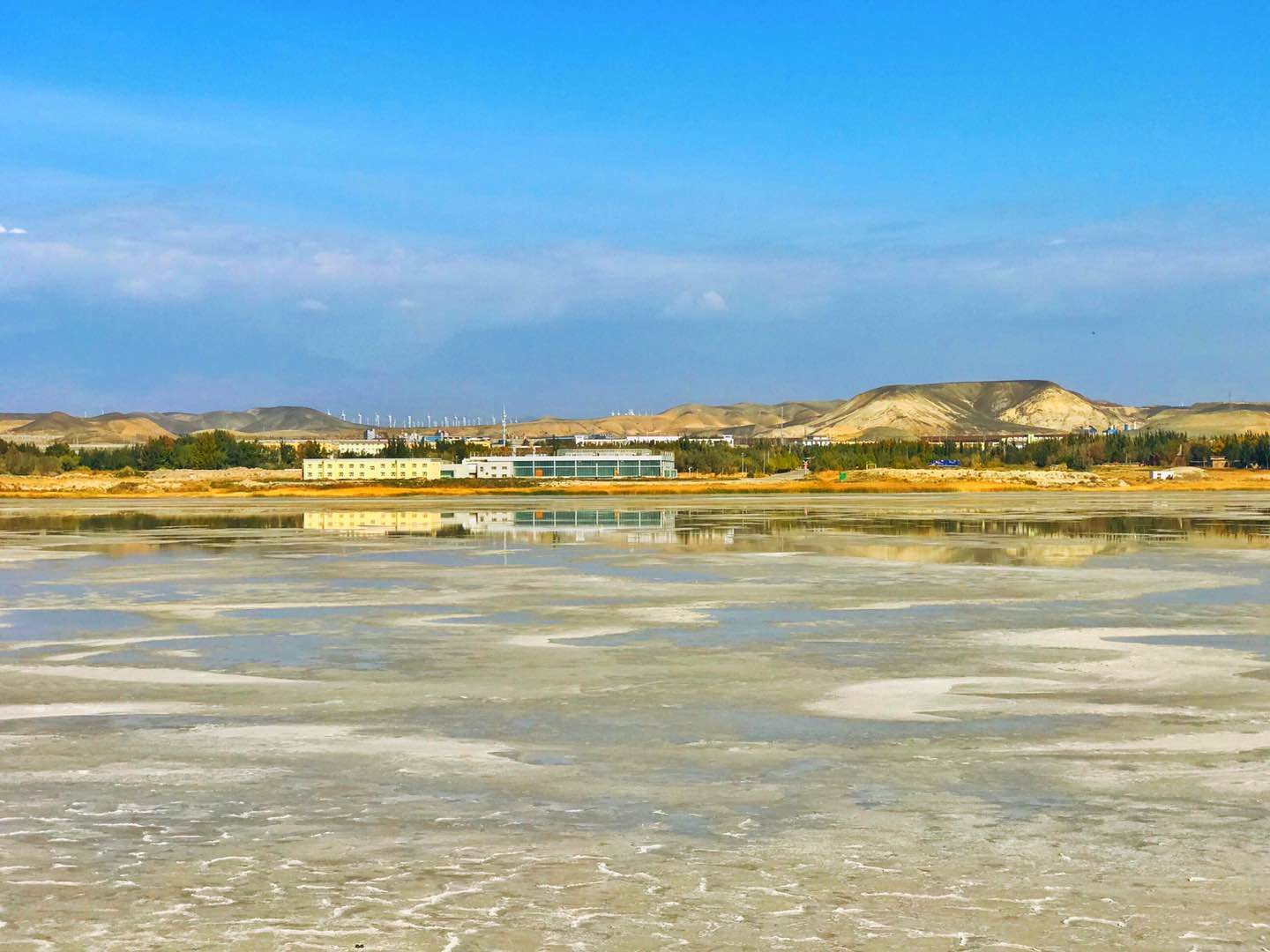
A salt lake beside Dabancheng with high salinity and strong buoyancy; floating in the 'Dead Sea of China' is the signature experience—lying flat on the water without sinking is novel and fun
Visitor info
- Opening hours
- 10:00-19:00
- Ticket
- approx. CNY 50
Price is indicative — final quote on inquiry.
A salt lake beside Dabancheng with high salinity and strong buoyancy; floating in the 'Dead Sea of China' is the signature experience—lying flat on the water without sinking is novel and fun. Salt sculptures and salt-pan textures along the lakeshore make great photos; the nearby Dabancheng Ancient Town is famous for Wang Luobin's song 'The Girl of Dabancheng', and at Windmill World rows of white wind turbines line up along the windy pass. The three sites can be linked into a one-day Dabancheng route.
Getting there: Self-drive / train to Dabancheng
Photos

More in Urumqi
- Xinjiang International Grand Bazaar
Completed in 2003, the world's largest grand bazaar; its Islamic-style building complex and 80m observation tower form Urumqi's most striking landmark
- Erdaoqiao Folk Customs Street
An old Uyghur-inhabited shopping district contiguous with the Grand Bazaar, long known as 'Xinjiang's First Street'
- Hongshan Park
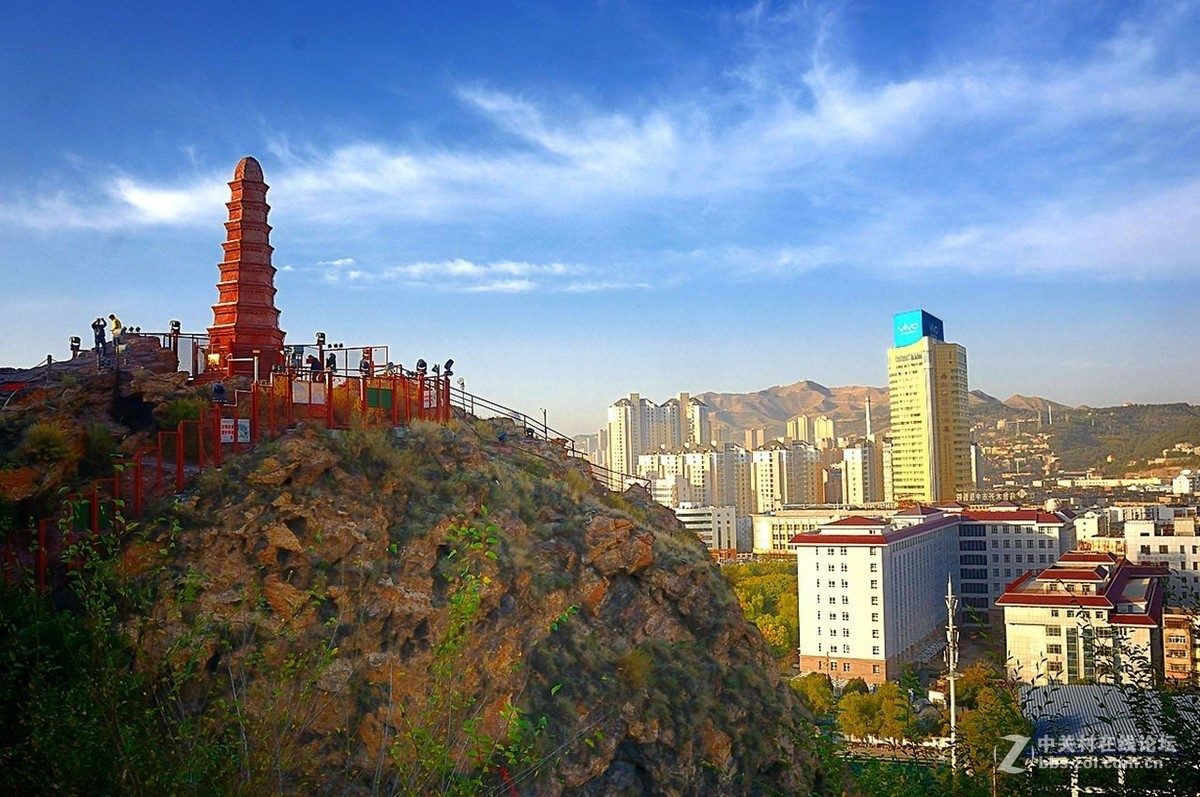
Urumqi's city emblem: the Red Hill Pagoda at the summit, a nine-story dragon-suppressing pagoda built in 1788 under Qing emperor Qianlong; the ochre hill set against green shade forms the famous 'Red Hill Sunset' scene
- Xinjiang Uygur Autonomous Region Museum
The grand repository of Xinjiang's history and culture: the 3,800-year-old 'Loulan Beauty' mummy and Xiaohe Cemetery artifacts lift the veil on the ancient kingdoms of Lop Nur
- Shaanxi Grand Mosque (Khan Tengri Mosque area)
A mosque funded by Shaanxi and Gansu Hui Muslims in the Qing dynasty and a representative of Chinese palace-style mosques — its upturned-eaved great hall resembles inland temples yet serves as a prayer hall, a testament to multiculturalism taking root in Urumqi
- Xinjiang People's Theater
A Soviet-style theater completed in 1955 whose facade blends Islamic decorative art — a performing-arts landmark of Urumqi