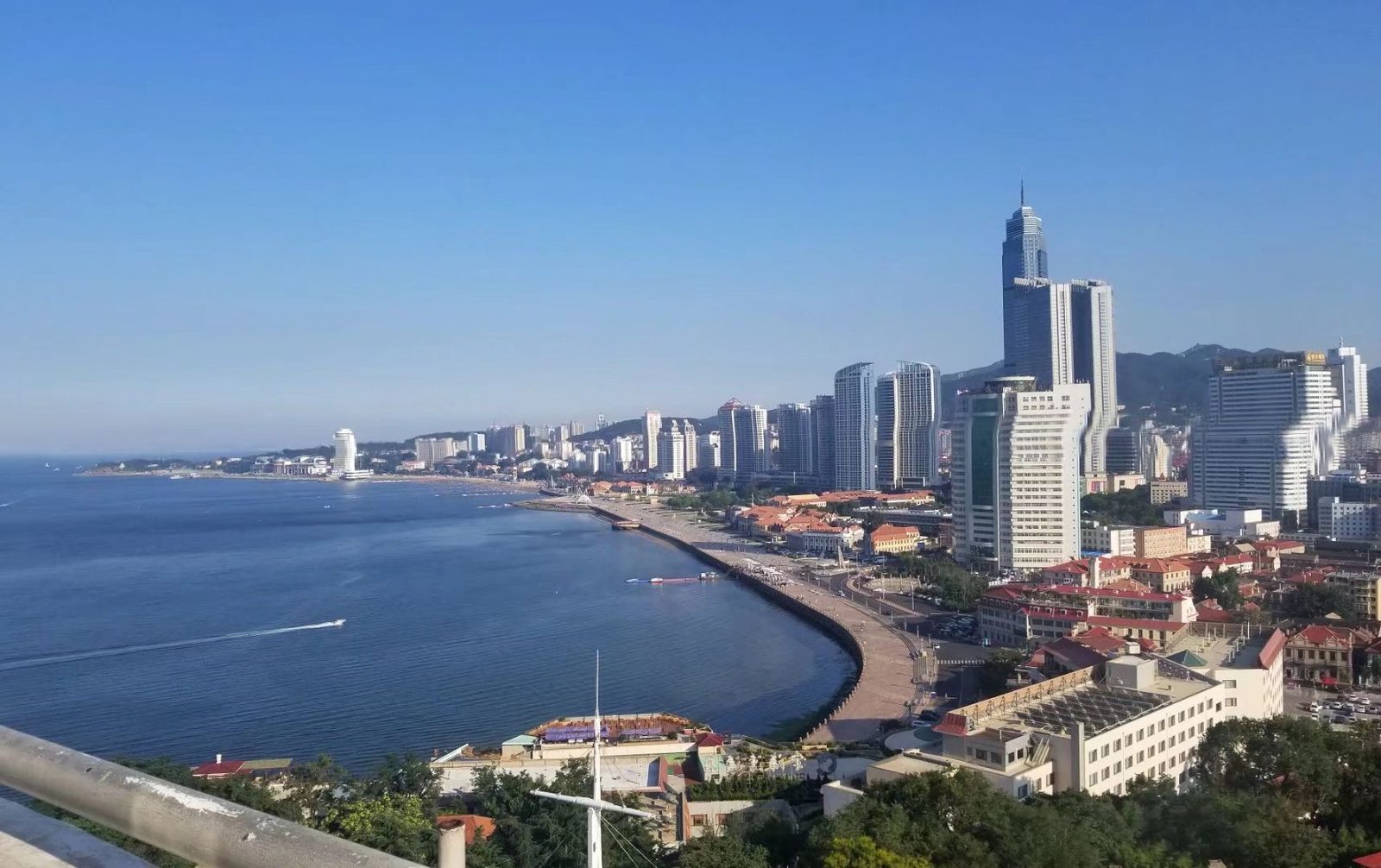
Yantai Hill Scenic Area
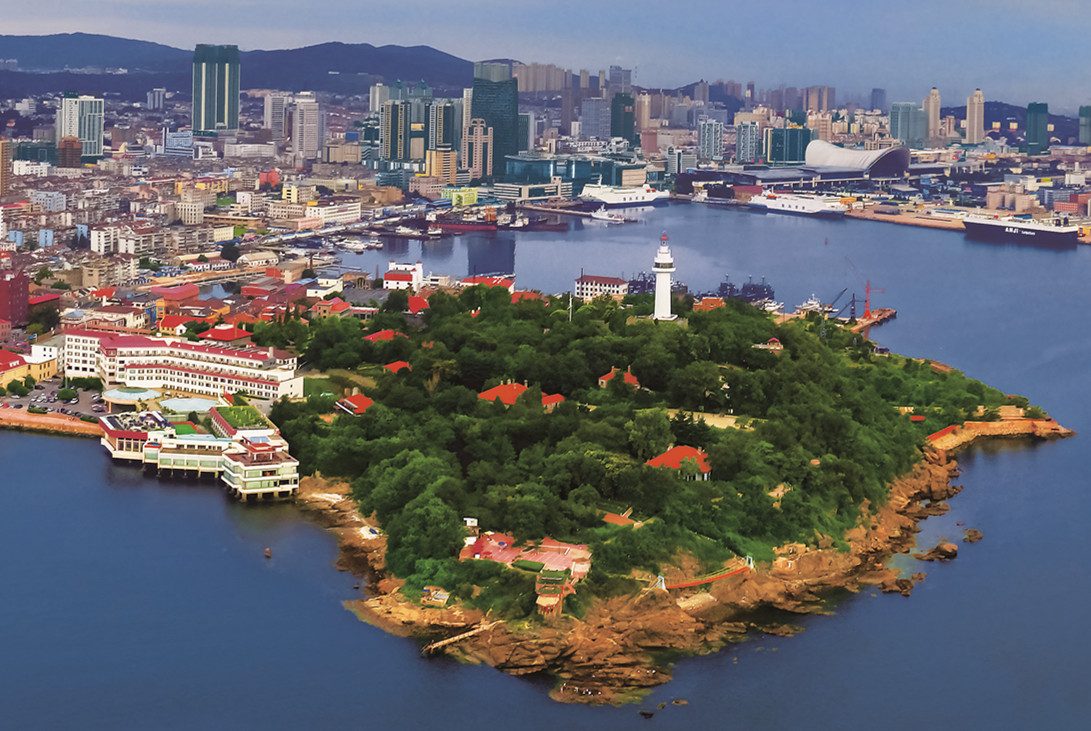
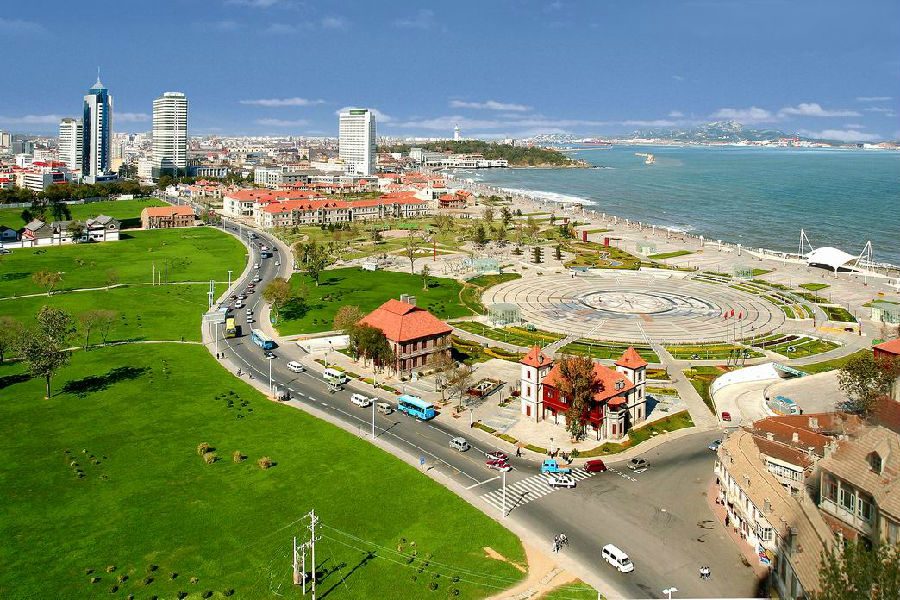
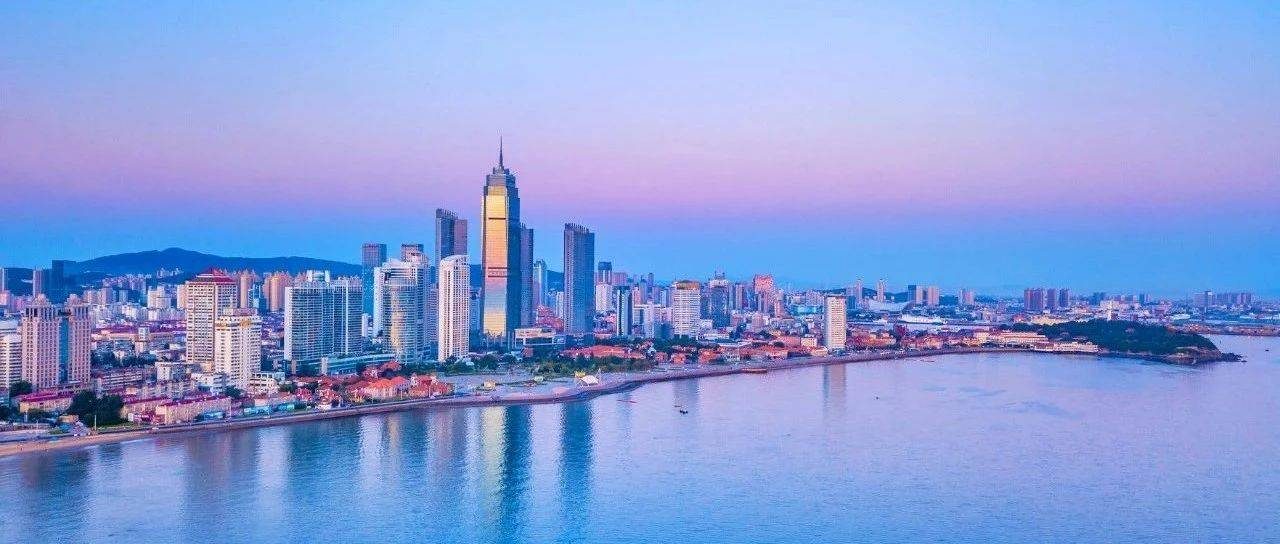
The consular district that took shape after Yantai opened as a treaty port in 1861; surviving buildings include the modern consulates and official residences of Britain, the United States, Japan, Denmark and others, sharing the hill with the Dragon King Temple and Bing Xin memorial spaces. Ringed by the sea on three sides, it offers the best vantage point over Zhifu Bay.
Visitor info
- Opening hours
- 07:30-17:30
- Ticket
- CNY 30 (lighthouse tower climb approx. CNY 10 extra)
Price is indicative — final quote on inquiry.
The consular district that took shape after Yantai opened as a treaty port in 1861; surviving buildings include the modern consulates and official residences of Britain, the United States, Japan, Denmark and others, sharing the hill with the Dragon King Temple and Bing Xin memorial spaces. Ringed by the sea on three sides, it offers the best vantage point over Zhifu Bay. The Yantai Hill Lighthouse has been rebuilt several times and now serves as a navigation aid for ships entering and leaving Yantai Port. As a child, the writer Bing Xin lived in Yantai with her father, a naval officer, and related exhibits remain at the foot of the hill; the treaty-port building complex is a National Key Cultural Relics Protection Unit—the first stop for reading the history of a modern treaty port.
Getting there: Bus, Yantaishan stop
Photos
More in Yantai
- Suochengli (Old Walled Garrison)
The Qishan Garrison (Qishan Shouyu Qianhusuo, a Ming garrison unit) was established in the 31st year of the Hongwu reign of the Ming dynasty (1398)—the origin point of the city of Yantai, more than 400 years before Yantai opened as a treaty port.
- Changyu Wine Culture Museum
A museum on the original site of China's first industrialized winery, founded in 1892 by the wealthy Nanyang (Southeast Asian Chinese) merchant Zhang Bishi; the century-old Grand Underground Cellar (built from 1894) lies deep below ground, its crisscrossing barrel lanes making it one of Asia's oldest wine cellars.
- Yangma Island
Legend has it that Emperor Qin Shi Huang designated this island as a royal horse-grazing ground during his eastern tour, hence the name. The jagged reefs along its rear shore make it a prime spot for seaside views and tide-foraging; a ring road links the back-shore reef flats with fishing wharves. Beachcombing for shells and cycling around the island are the main activities, while the front shore features gentle sandy beaches
- Golden Beach Seaside Park (Jinshatan)
A 10-km golden sand beach on the Yellow Sea whose fine sand makes it a national-grade bathing beach. Music festivals and sand-sculpture events are regular fixtures, and sunset with sails on the horizon is the iconic scene
- Penglai Pavilion
One of China's Four Great Towers alongside the Yellow Crane Tower, Yueyang Tower and Tengwang Pavilion, and the only one of the four that largely retains its original Song-dynasty-style structure; the core of a national 5A-level scenic area
- Sanxianshan (Three Immortals Mountain) Scenic Area
A contemporary antique-style garden themed on the three mythical mountains of Penglai, Fangzhang and Yingzhou; its multi-storied halls and temples are resplendent in gold. Giant jade carvings and a treasure museum are the highlights, and it faces Penglai Pavilion across the water in visual harmony