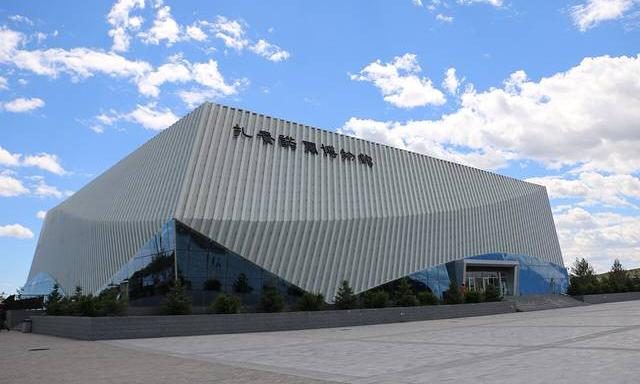
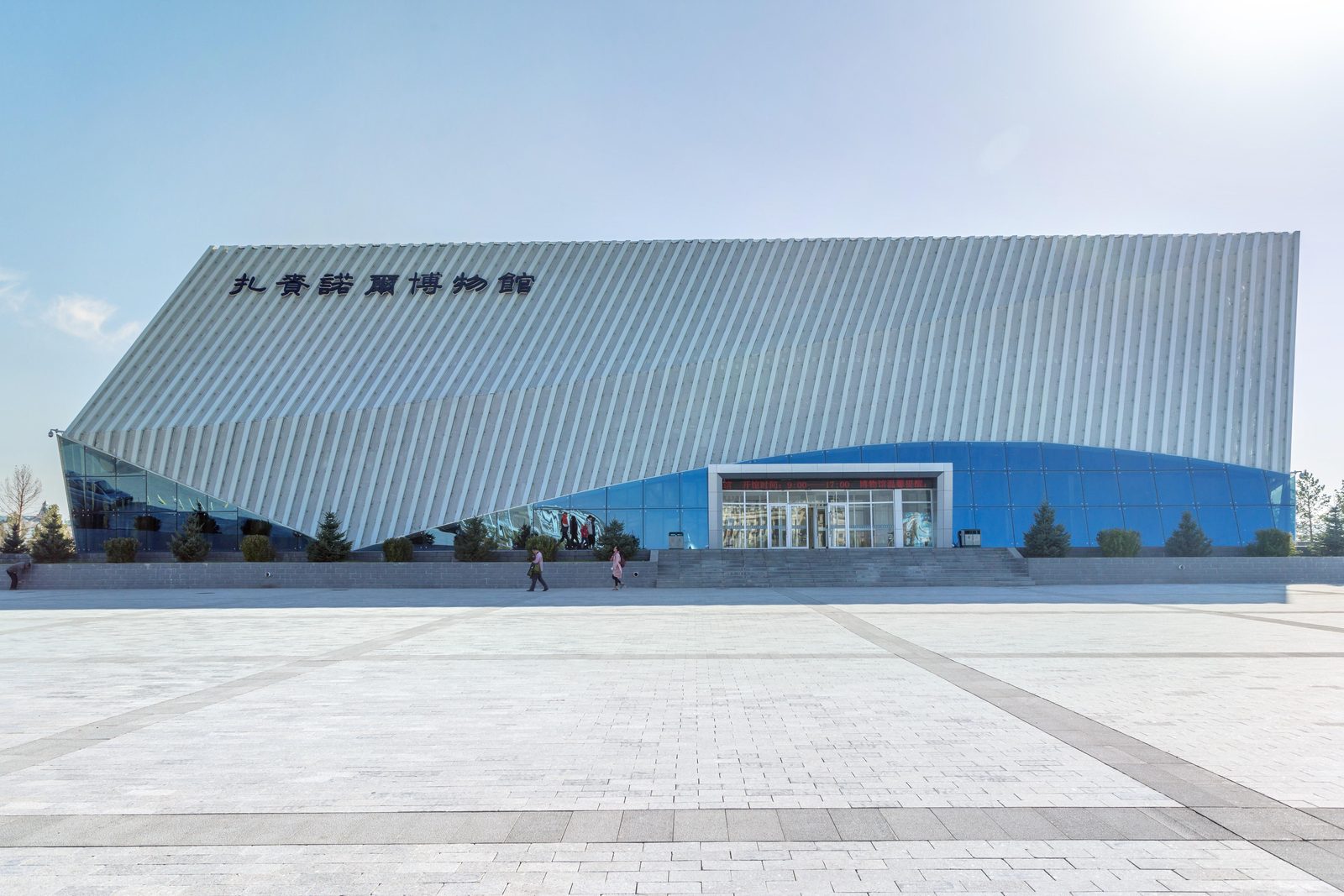
Zhalainuoer Museum
A museum systematically presenting the civilization of the Zhalainuoer region: displays of mammoth fossils and "Zhalainuoer Man" skull fossils sketch a picture of ancient humans in the north
Visitor info
- Opening hours
- 09:00-16:30 (closed Mondays)
- Ticket
- Free (reservation required)
Price is indicative — final quote on inquiry.
A museum systematically presenting the civilization of the Zhalainuoer region: displays of mammoth fossils and "Zhalainuoer Man" skull fossils sketch a picture of ancient humans in the north; the exhibition area on the southward migration of the Tuoba Xianbei echoes the Xianbei origin legend of Gaxian Cave in the Greater Khingan Range; the museum also holds a display at the mass grave site recording the suffering of laborers during the Japanese occupation—the most worthwhile county-level museum to stop at on the northern route of the Hulunbuir grasslands.
Getting there: Zhalainuoer District
Photos
More in Manzhouli
- Manzhouli Guomen (National Gate) Scenic Area
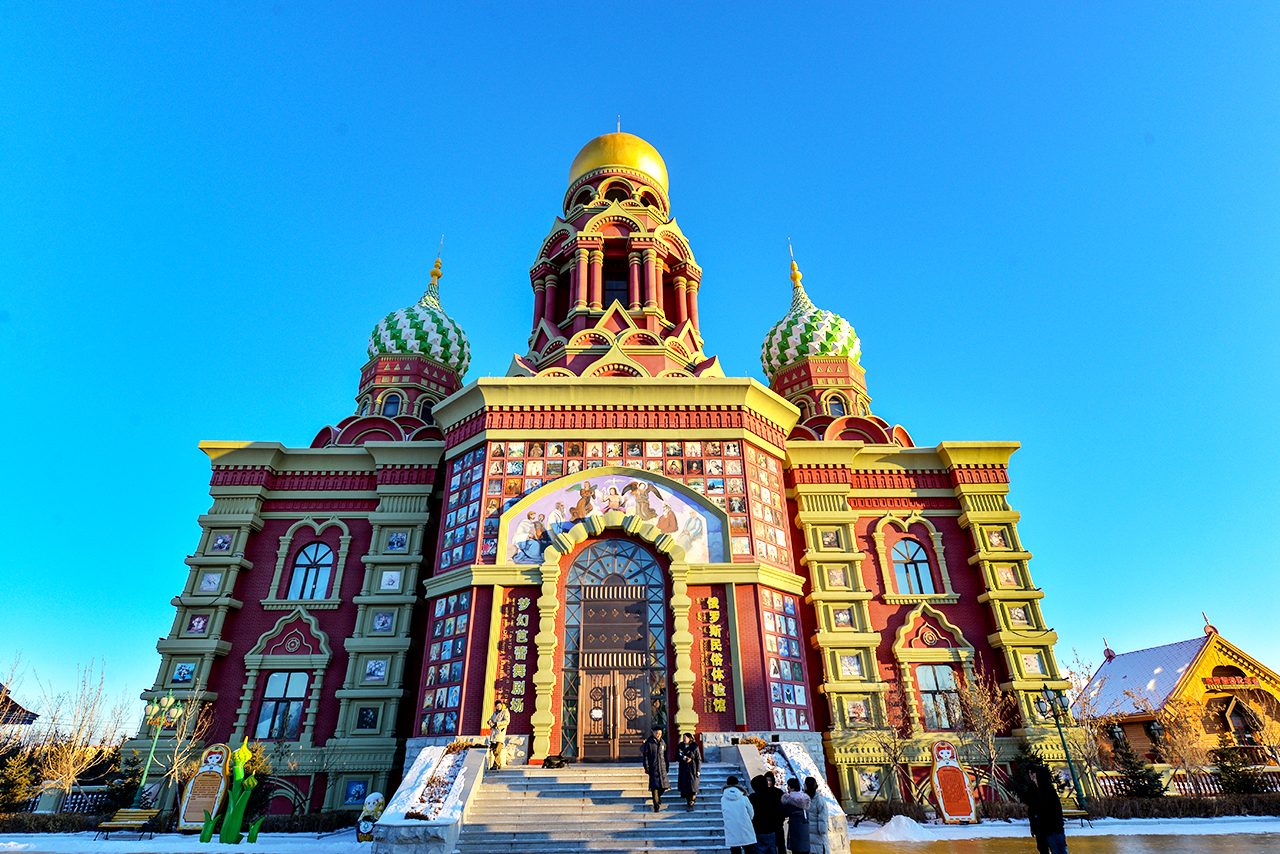
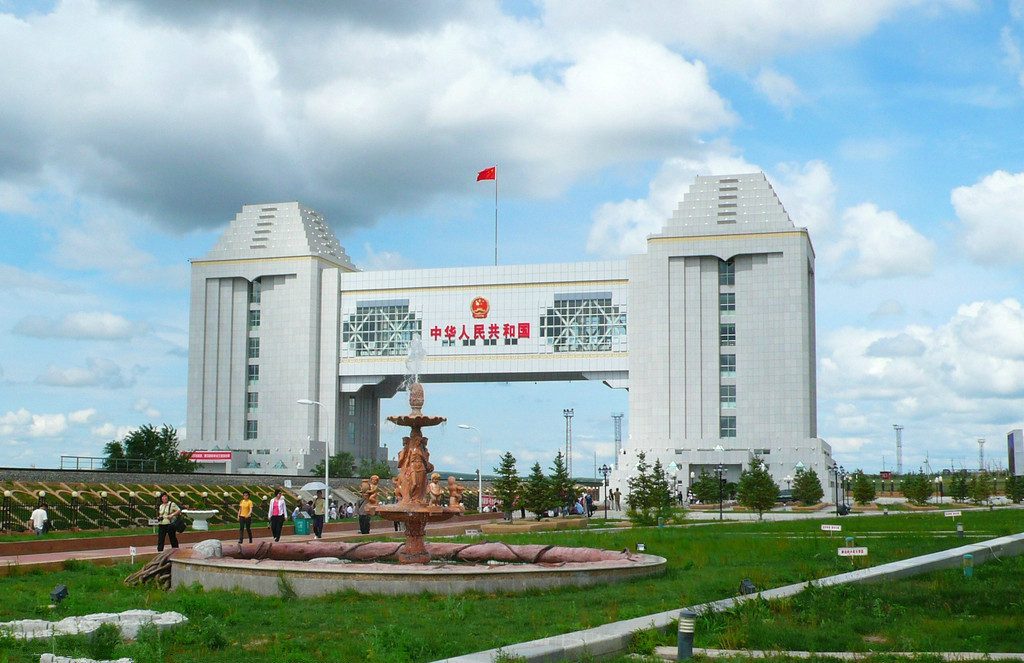
The core scenic area of the China–Russia Manzhouli–Zabaykalsk border port; the fifth-generation National Gate, completed in 2008, spans the China–Russia railway line and is over 100 m long—the largest national gate building among China's land ports
- Matryoshka Square
A plaza complex themed on the Russian matryoshka doll; the central matryoshka-shaped building rises about 72 m and holds the Guinness record for the "world's largest matryoshka building", housing a matryoshka-themed hotel
- Mammoth Park
A theme park built by Zhalainuoer District on the original site where mammoth fossils were unearthed: mammoth skeletons have been excavated here repeatedly since 1980, hence the title "hometown of mammoths"
- Hulun Lake (Dalai Lake)
Inner Mongolia's largest lake, known locally as Dalai Lake, covering over 2,300 sq km; a sister lake to Buir Lake—the name "Hulunbuir" comes from these two lakes
- Erka Wetland · Red Communication Line
A transnational wetland southeast of Manzhouli where rivers and lakes connect with the China–Russia border river; migratory birds rest in the reed marshes, Boundary Marker No. 71 stands amid the waterways, and boat rides let you cruise up close to the marker on the water
- Russian-Style District · Sino-Soviet Golden Street
A pedestrian street of Russian-style buildings in Manzhouli, where domes, columns, and colorful light strips join in the night into a neon corridor of a 'fairy-tale border city'