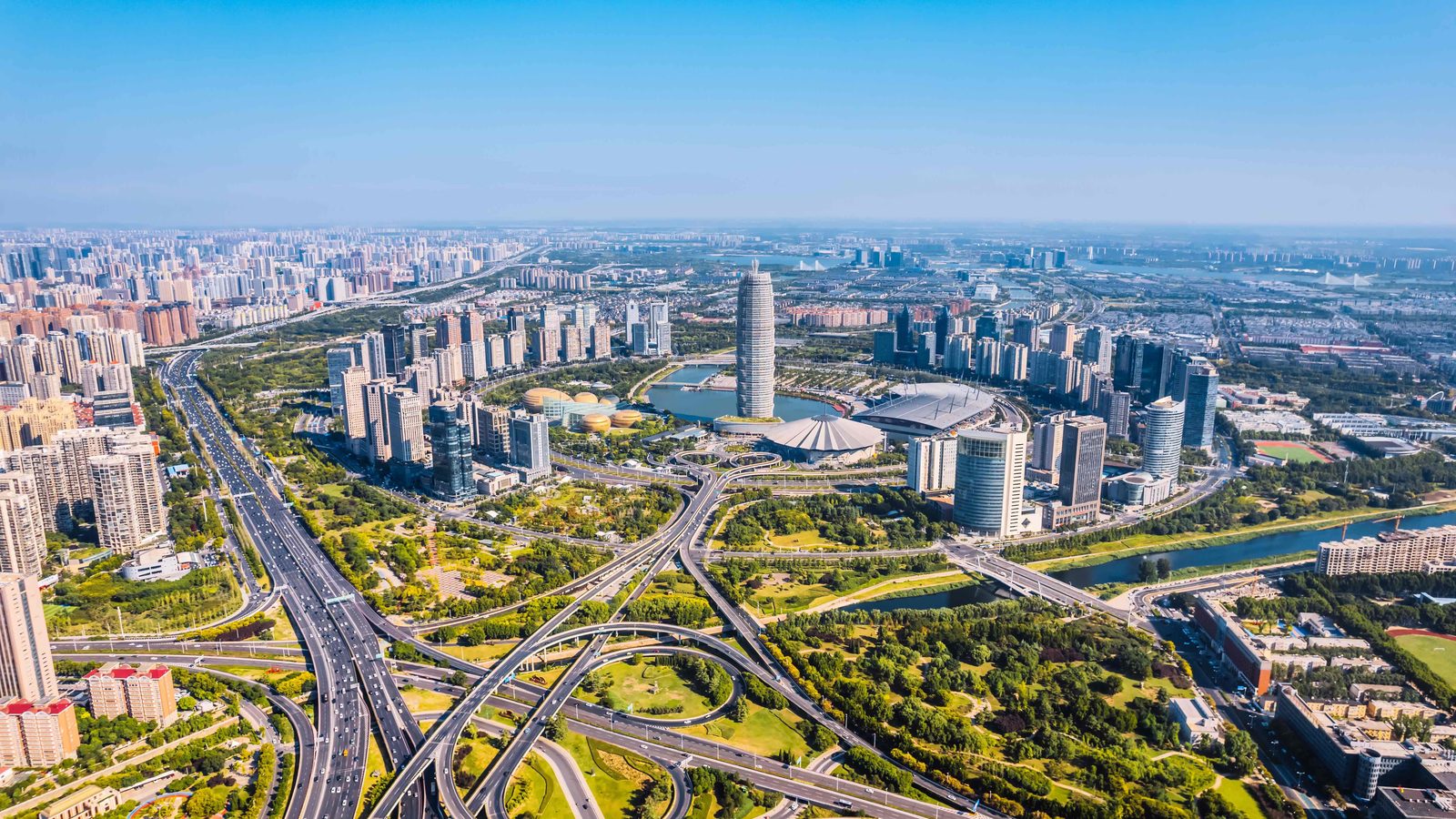
Zhengzhou Yellow River Culture Park (Yellow River Scenic Area)
Landmark at the divide between the Yellow River's middle and lower reaches; below the head of Mangshan the river leaves the mountains for the plains—the "suspended river" landscape is most striking here
Visitor info
- Opening hours
- 08:00-18:00
- Ticket
- CNY 60 (cableway charged separately)
Price is indicative — final quote on inquiry.
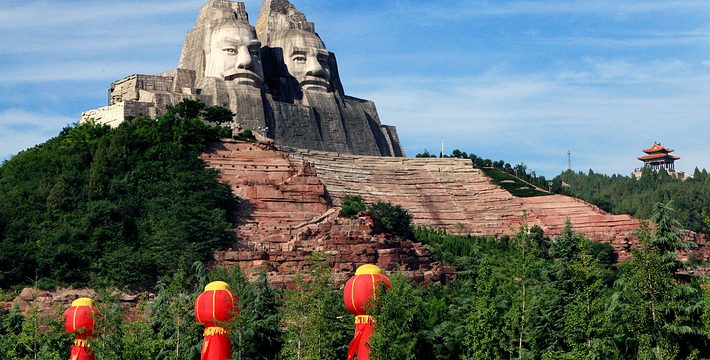
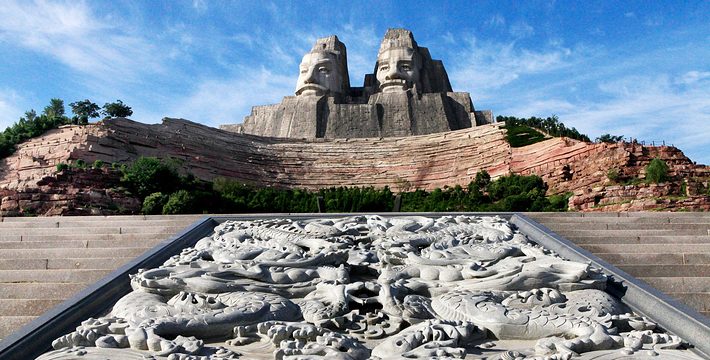
Landmark marking the divide between the Yellow River's middle and lower reaches: below the head of Mangshan, the river exits the mountains onto the plain, and the "suspended river" landscape is most intuitive here. The giant statues of Emperors Yan and Huang, carved against the mountain and facing the river, are 106 m tall—among the world's tallest statues when completed in 2007—and the annual ancestor worship ceremony is held here. The Wulongfeng viewing platform overlooks the great river flowing east, while a statue of Yu the Great and stele forests dot the hills—the core site of Zhengzhou's Yellow River narrative.
Getting there: Bus / self-drive to Mangshan (approx. 30km)
Photos
More in Zhengzhou
- Songshan Shaolin Scenic Area (Dengfeng)
The cradle of Chan (Zen) Buddhism: the temple was founded in 495 in the Northern Wei dynasty, where Bodhidharma faced a wall in meditation for nine years and founded the Chan school; the saying "all kung fu under heaven comes from Shaolin" has made Shaolin kung fu a calling card of Chinese culture
- Songyang Academy (Dengfeng)
One of the four great academies of the Song dynasty; its forerunner was the Northern Wei Songyang Temple. Cheng Hao and Cheng Yi lectured here, and the famous tale of "standing in the snow at Cheng's gate" comes from disciples of the two Chengs, from where Neo-Confucianism spread far and wide
- Zhongyue Temple (Dengfeng)
The largest ancient building complex among the Five Sacred Mountains; its forerunner was the Qin-dynasty Taishi Shrine. The Daoist Zhongyue Temple stretches in depth along a central axis of eleven successive courtyards, earning the nickname "Little Forbidden City"
- Sanhuangzhai (southern foothills of Mount Song)
The finest section of Mount Song's quartzite landscape: the cliff-hugging "Sanhuang plank walkway" is set into sheer precipices, and walking it offers a close view of the "five generations under one roof" strata profile recording Mount Song's 3.5 billion years of geological change—the core of the Mount Song Global Geopark
- Gaocheng Observatory (Gaocheng Town, Dengfeng)
Built by Guo Shoujing in 1276 in the Yuan dynasty, it is the oldest observatory surviving in China; the observational data for the Shoushi Calendar were measured here, matching the accuracy of the current Gregorian calendar three hundred years earlier
- Henan Museum
The grand showcase of Central Plains civilization; its nine signature treasures span eight thousand years: the Jiahu bone flute (8,000 years old, with a seven-note scale) rewrote world music history, the Fu Hao owl zun (Shang) and the Duling square ding (unearthed in Zhengzhou) represent the pinnacle of bronze art, the Lotus and Crane square hu (Spring and Autumn) and the cloud-pattern bronze jin (Chu) show matchless craftsmanship…