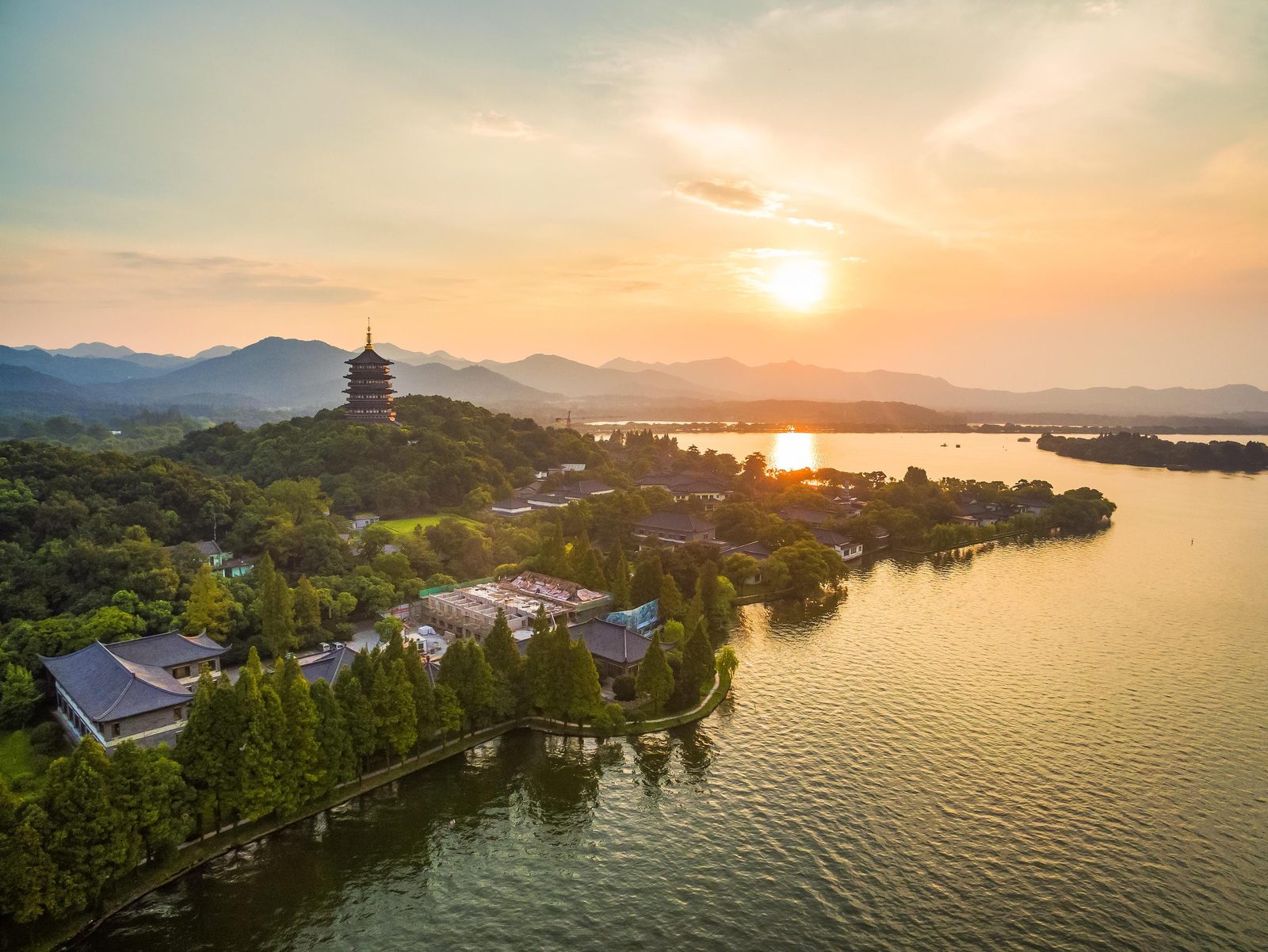
China National Silk Museum
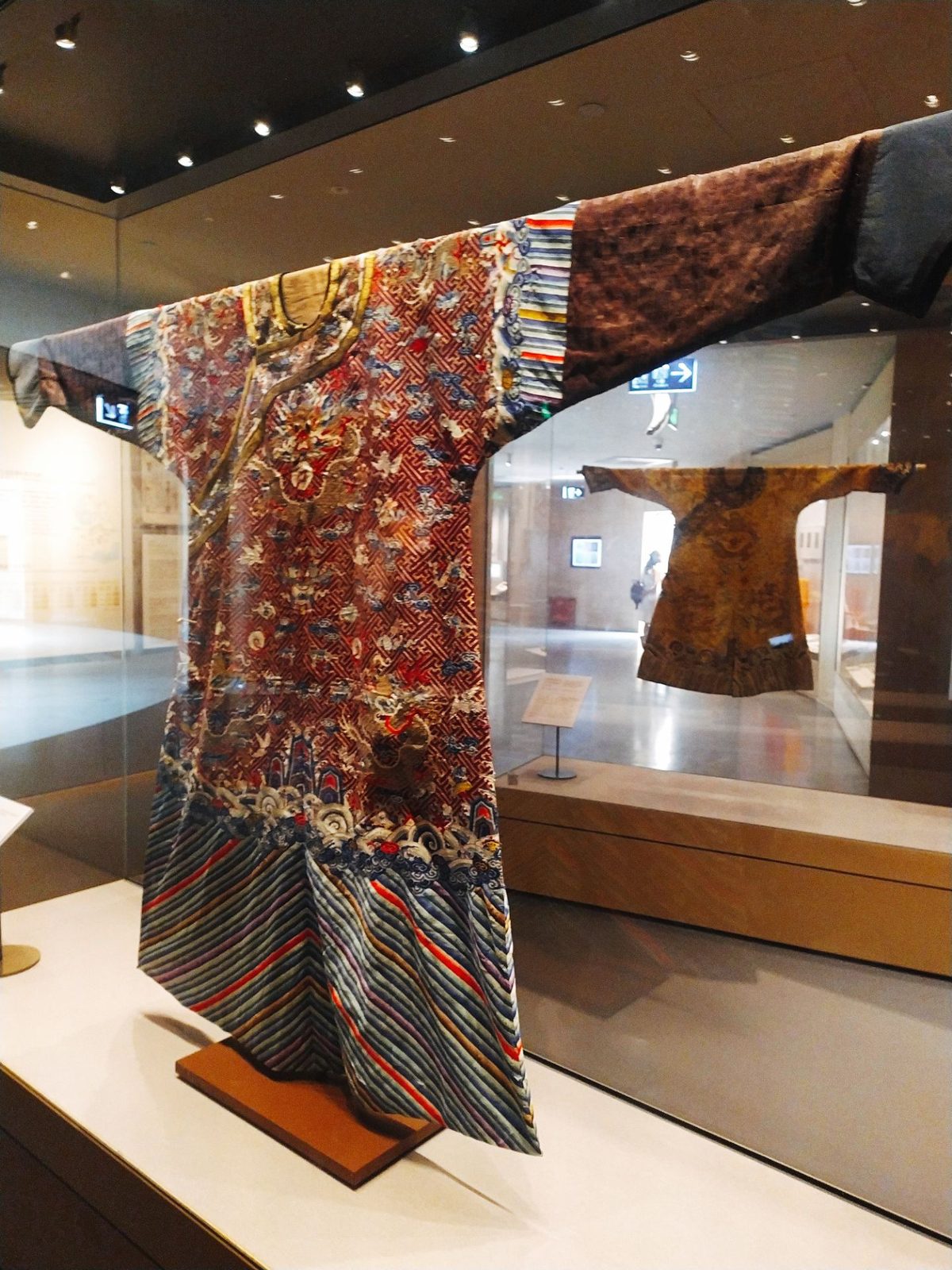
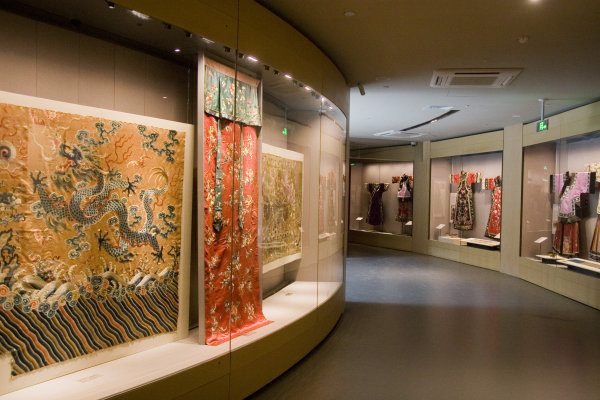
The world's largest museum dedicated to silk: three halls in one — Silk Road Hall, Intangible Heritage Hall and Fashion Hall — with full-chain displays from the origins of sericulture through the Silk Road to contemporary fashion; its 'National Silk' dyeing and weaving restoration techniques are renowned in international heritage conservation
Visitor info
- Opening hours
- 09:00-17:00 · closed Mondays
- Ticket
- Free · reservation required
Price is indicative — final quote on inquiry.
The world's largest museum dedicated to silk: three halls in one — Silk Road Hall, Intangible Heritage Hall and Fashion Hall — with full-chain displays from the origins of sericulture through the Silk Road to contemporary fashion; its 'National Silk' dyeing and weaving restoration techniques enjoy an international reputation in heritage conservation. Free with reservation, closed Mondays, reachable by bus at the foot of Yuhuang Hill; a must for silk lovers and fashion design professionals.
Getting there: Bus, stop at the foot of Yuhuang Hill
Photos
More in Hangzhou
- Xixi National Wetland
Boat maze of reeds and water villages west of the city.
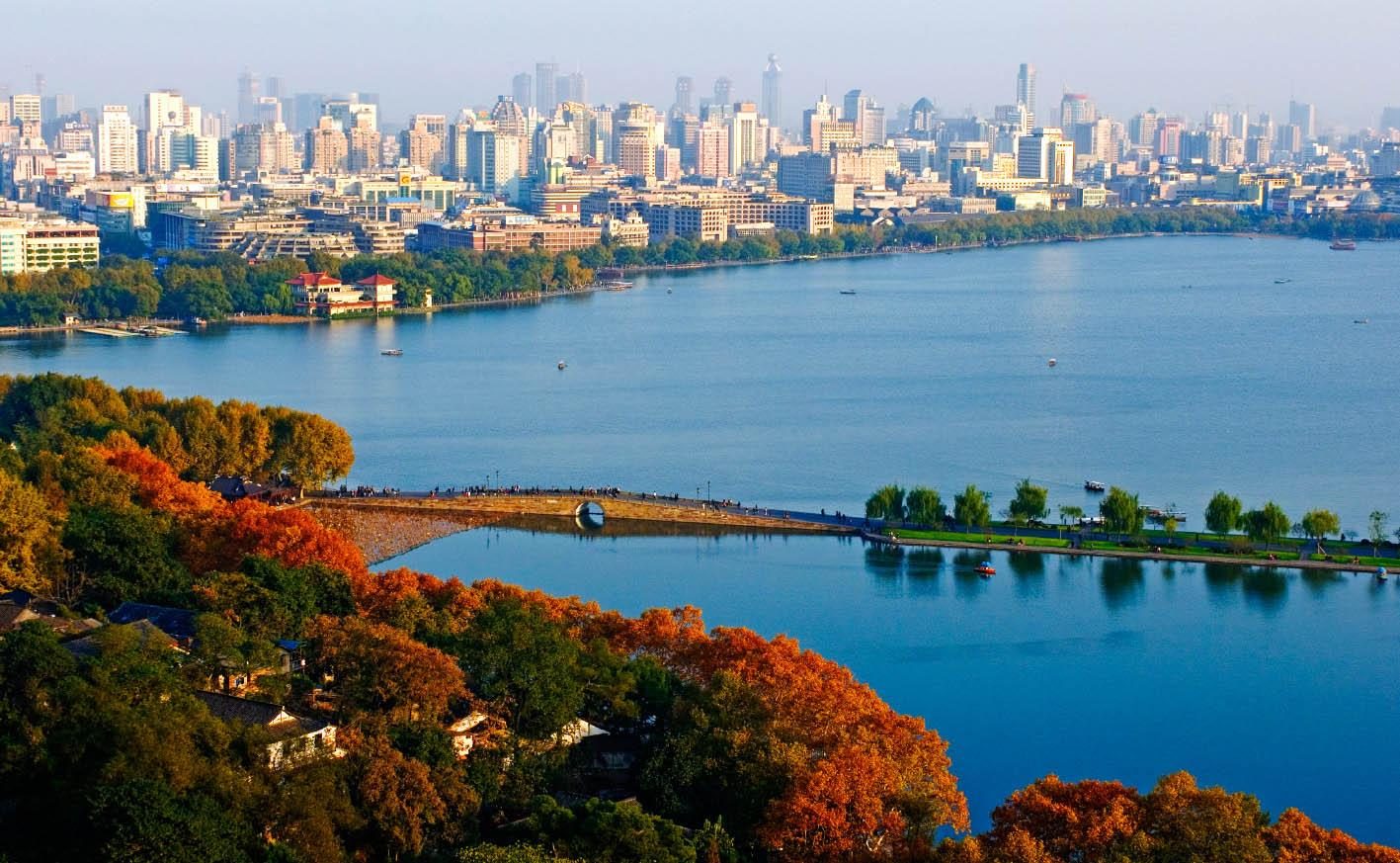
- West Lake
UNESCO lake of pagodas, causeways and arched bridges; boat or bike the shoreline.
- Lingyin Temple
Buddhist temple founded 326 AD amid grottoes of Song-era rock carvings.
- Longjing Tea Village
Terraced Dragon Well tea fields; tastings at family farms.
- West Lake Loop
A World Heritage Site (inscribed in 2011): an urban lake with misty hills on three sides and the city on the fourth, dredged in succession by two of its governors, Bai Juyi and Su Dongpo; Su Shi's verse "wishing to compare West Lake to the beauty Xi Shi" made it a byword for Eastern aesthetics
- Su Causeway & Bai Causeway
Su Causeway, 2.8 km long, was built from dredged silt when Su Shi dredged West Lake; six bridges span the lake, with peach trees and willows lining both banks—"Misty Willows over Six Bridges" is the top spring scene