Baoguo Temple
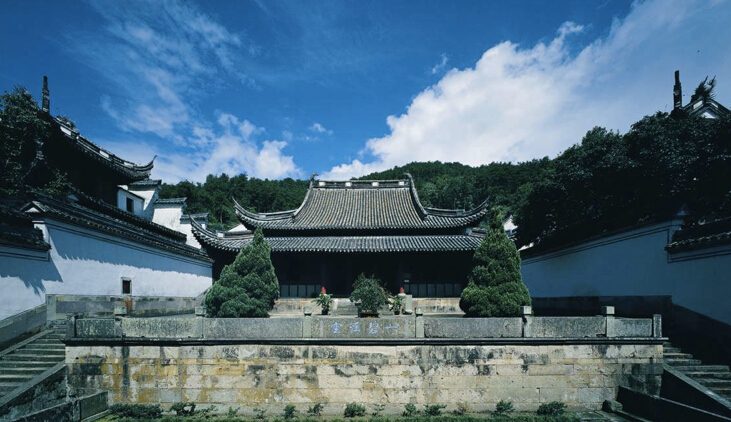
A masterpiece of Northern Song timber architecture in the 'beamless hall' style; the main hall, built in 1013 (the sixth year of the Dazhong Xiangfu reign), is the oldest and best-preserved wooden structure standing south of the Yangtze, listed in 1961 among China's first batch of national key cultural heritage sites
Visitor info
- Opening hours
- 08:00-16:30
- Ticket
- CNY 20
Price is indicative — final quote on inquiry.
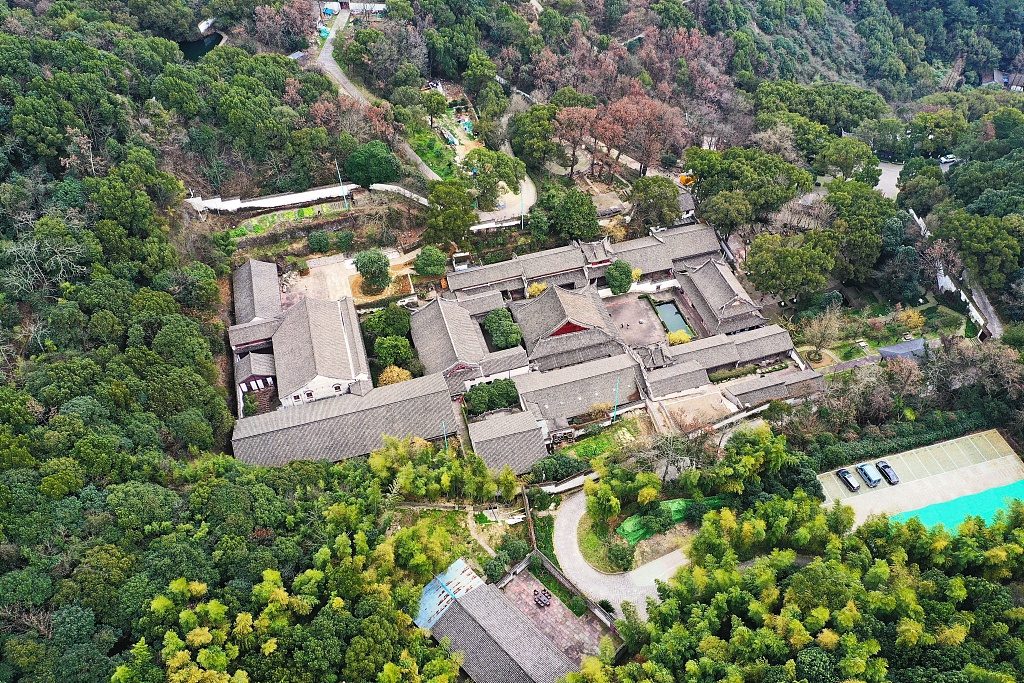
A masterpiece of Northern Song timber architecture in the 'beamless hall' style; the main hall, built in 1013 (the sixth year of the Dazhong Xiangfu reign), is the oldest and best-preserved wooden structure standing south of the Yangtze, listed in 1961 among China's first batch of national key cultural heritage sites. Its dougong brackets are exquisitely crafted, famed for such mysteries as insects not boring the wood, birds not perching, spiders not spinning webs, and little dust settling on the beams. Legend has it that the son of Zhang Yi, a Piaoqi General of the Eastern Han, once lived in seclusion on this mountain, and Emperor Xizong of the Tang bestowed the 'Baoguo' plaque. Today it presents Song-era construction techniques as an ancient architecture museum: the hall houses no Buddha statues, with the structure itself serving as the exhibit.
Getting there: Bus / self-drive to Lingshan, Jiangbei
Photos
More in Ningbo
- Tianyi Pavilion · Moon Lake Scenic Area
China's oldest extant private library; a national key protected cultural site and a national 5A-level scenic area (the combined Tianyi Pavilion · Moon Lake area)
- Old Bund
A riverside district of modern concession-era character on the Yong River, opened as a treaty port in 1844, about twenty years before Shanghai's Bund; surviving protected buildings include the Gothic Catholic church (built 1872), the former Zhejiang Customs House, and the Jiangbei police station; bars and restaurants coexist with historic buildings, and the night-view photo spot is in front of the Catholic church…
- Gulouyan Historic and Cultural District
Site of the ruins of Ningbo's ancient inner city; Haishu Tower, repeatedly destroyed and rebuilt on the original site of the inner city's south gate from the first year of the Tang Changqing reign (821), combines a Western-style clock tower with a Chinese-style gate platform—an iconic hybrid landmark of Ningbo
- Nantang Old Street
A Jiangnan water-town district along the Nantang River; its one-river-one-street layout recreates the look of old Ningbo's wharf, with Ming- and Qing-style buildings split into north and south streets
- Ningbo Museum
A signature work by architect Wang Shu after winning the Pritzker Prize; its walls are built from hundreds of thousands of bricks and tiles salvaged from the old city, and its form resembles a mountain or a ship—the building itself is an exhibit
- Qing'an Guild Hall (Eastern Zhejiang Maritime Folk Museum)
A Tianhou (Mazu) temple combined with a guild hall, built in 1853 (the third year of the Xianfeng reign) with funds raised by Ningbo's Northern-trade ship merchants; its brick, wood, and stone carvings are famed as the 'three wonders,' and the gilded coiling dragon in the opera-stage caisson is its crowning sight