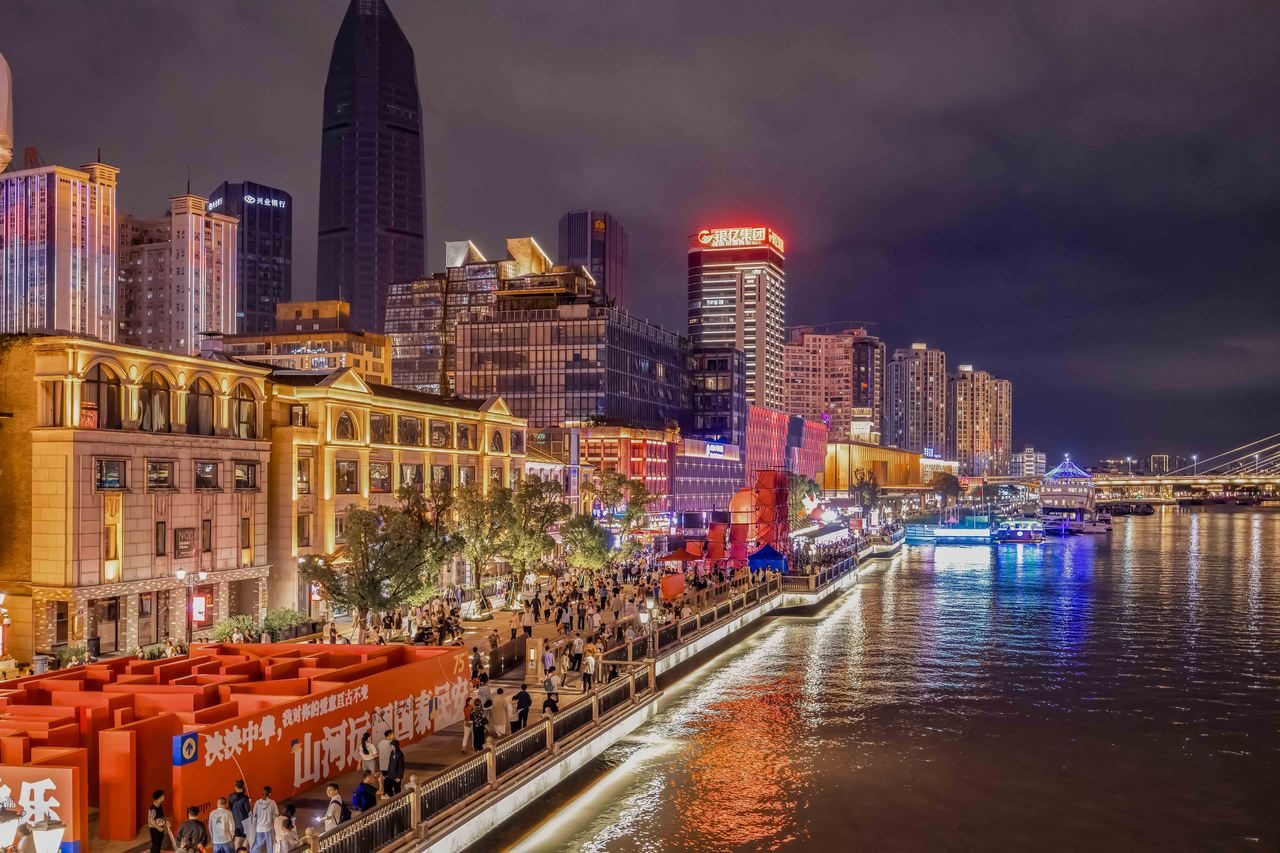
Old Bund
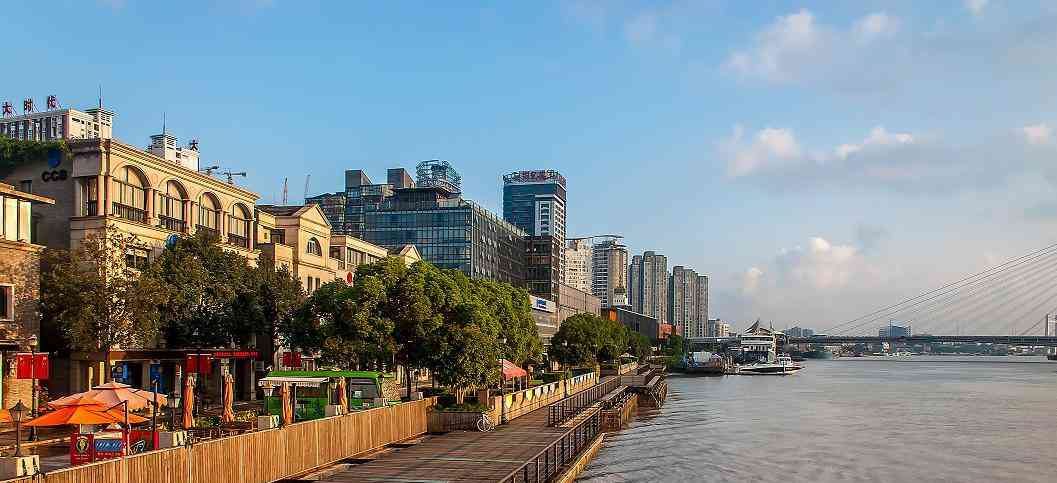
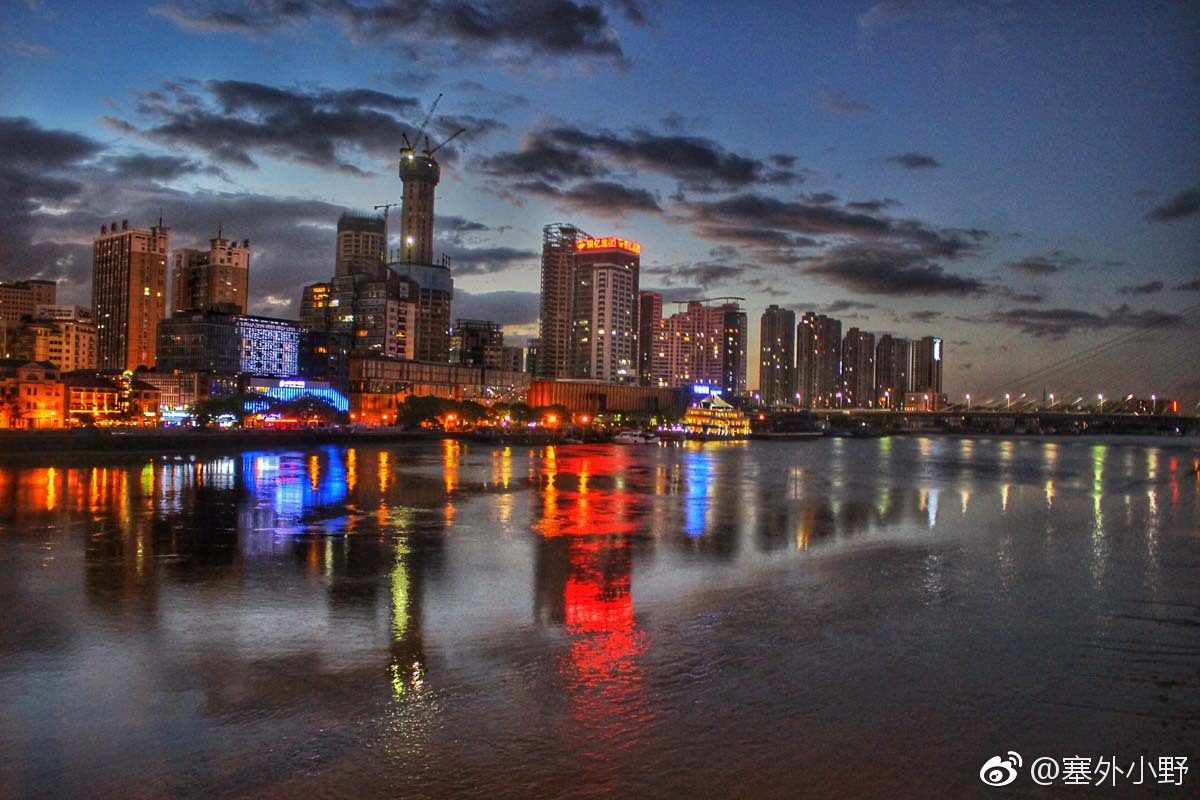
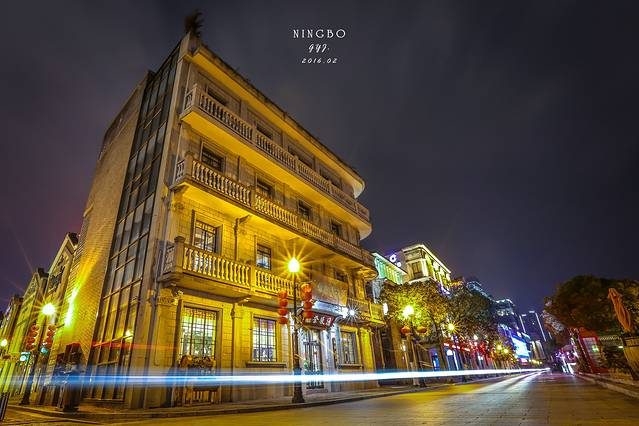
A riverside district of modern concession-era character on the Yong River, opened as a treaty port in 1844, about twenty years before Shanghai's Bund; surviving protected buildings include the Gothic Catholic church (built 1872), the former Zhejiang Customs House, and the Jiangbei police station; bars and restaurants coexist with historic buildings, and the night-view photo spot is in front of the Catholic church…
Visitor info
- Opening hours
- Open all day
- Ticket
- Free
Price is indicative — final quote on inquiry.
A riverside district of modern concession-era character on the Yong River, opened as a treaty port in 1844, about twenty years before Shanghai's Bund; protected building groups survive, including the Gothic Catholic church (built 1872), the former Zhejiang Customs House, and the Jiangbei police station; bars and restaurants coexist with historic buildings, and the best night-view photo spot is the square in front of the Catholic church. After the Second Opium War Ningbo was designated a treaty port and a foreign settlement formed on the Jiangbei bank; it was also the starting point of the Ningbo Bang merchants—men like Yan Xinhou rose from here—and today it is a national-level night-time culture-and-tourism consumption cluster.
Getting there: Metro Line 1, Waitan Dadao (Bund Bridge) Station
Photos
More in Ningbo
- Tianyi Pavilion · Moon Lake Scenic Area
China's oldest extant private library; a national key protected cultural site and a national 5A-level scenic area (the combined Tianyi Pavilion · Moon Lake area)
- Gulouyan Historic and Cultural District
Site of the ruins of Ningbo's ancient inner city; Haishu Tower, repeatedly destroyed and rebuilt on the original site of the inner city's south gate from the first year of the Tang Changqing reign (821), combines a Western-style clock tower with a Chinese-style gate platform—an iconic hybrid landmark of Ningbo
- Nantang Old Street
A Jiangnan water-town district along the Nantang River; its one-river-one-street layout recreates the look of old Ningbo's wharf, with Ming- and Qing-style buildings split into north and south streets
- Ningbo Museum
A signature work by architect Wang Shu after winning the Pritzker Prize; its walls are built from hundreds of thousands of bricks and tiles salvaged from the old city, and its form resembles a mountain or a ship—the building itself is an exhibit
- Qing'an Guild Hall (Eastern Zhejiang Maritime Folk Museum)
A Tianhou (Mazu) temple combined with a guild hall, built in 1853 (the third year of the Xianfeng reign) with funds raised by Ningbo's Northern-trade ship merchants; its brick, wood, and stone carvings are famed as the 'three wonders,' and the gilded coiling dragon in the opera-stage caisson is its crowning sight
- Baoguo Temple
A masterpiece of Northern Song timber architecture in the 'beamless hall' style; the main hall, built in 1013 (the sixth year of the Dazhong Xiangfu reign), is the oldest and best-preserved wooden structure standing south of the Yangtze, listed in 1961 among China's first batch of national key cultural heritage sites