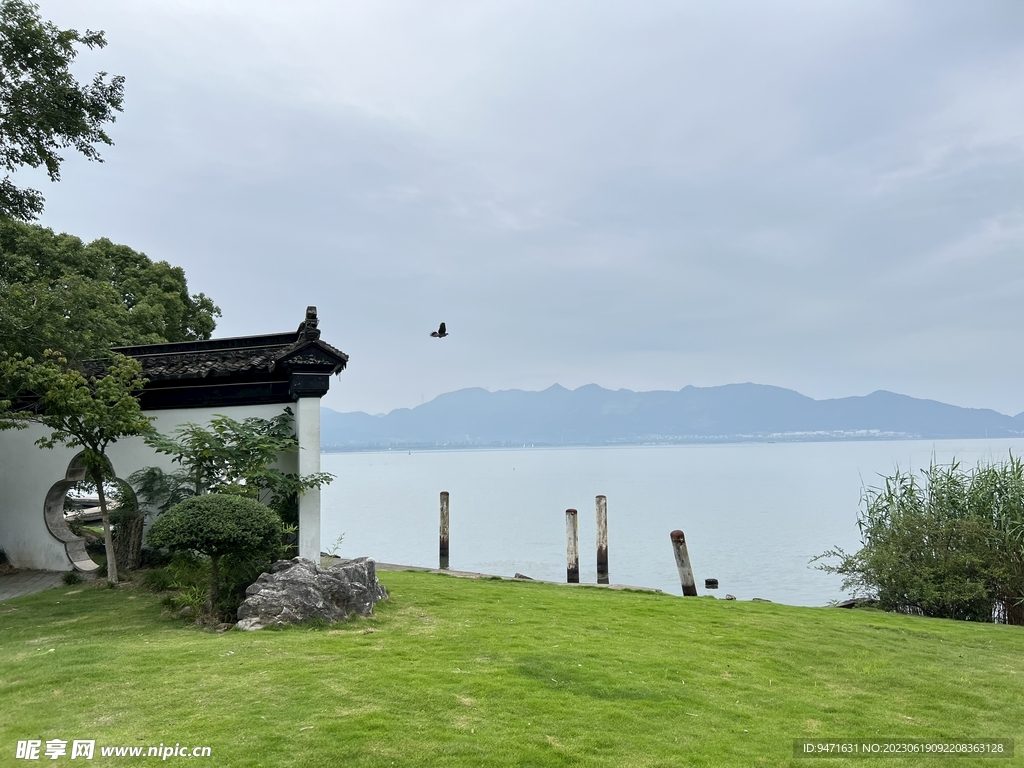
Dongqian Lake
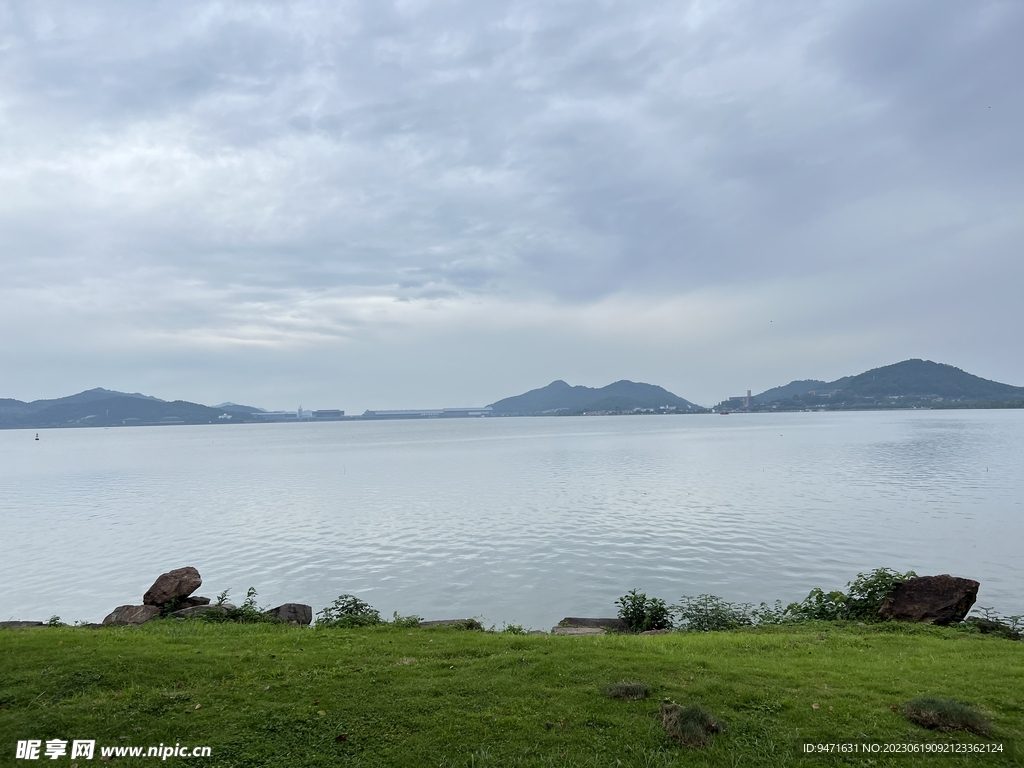
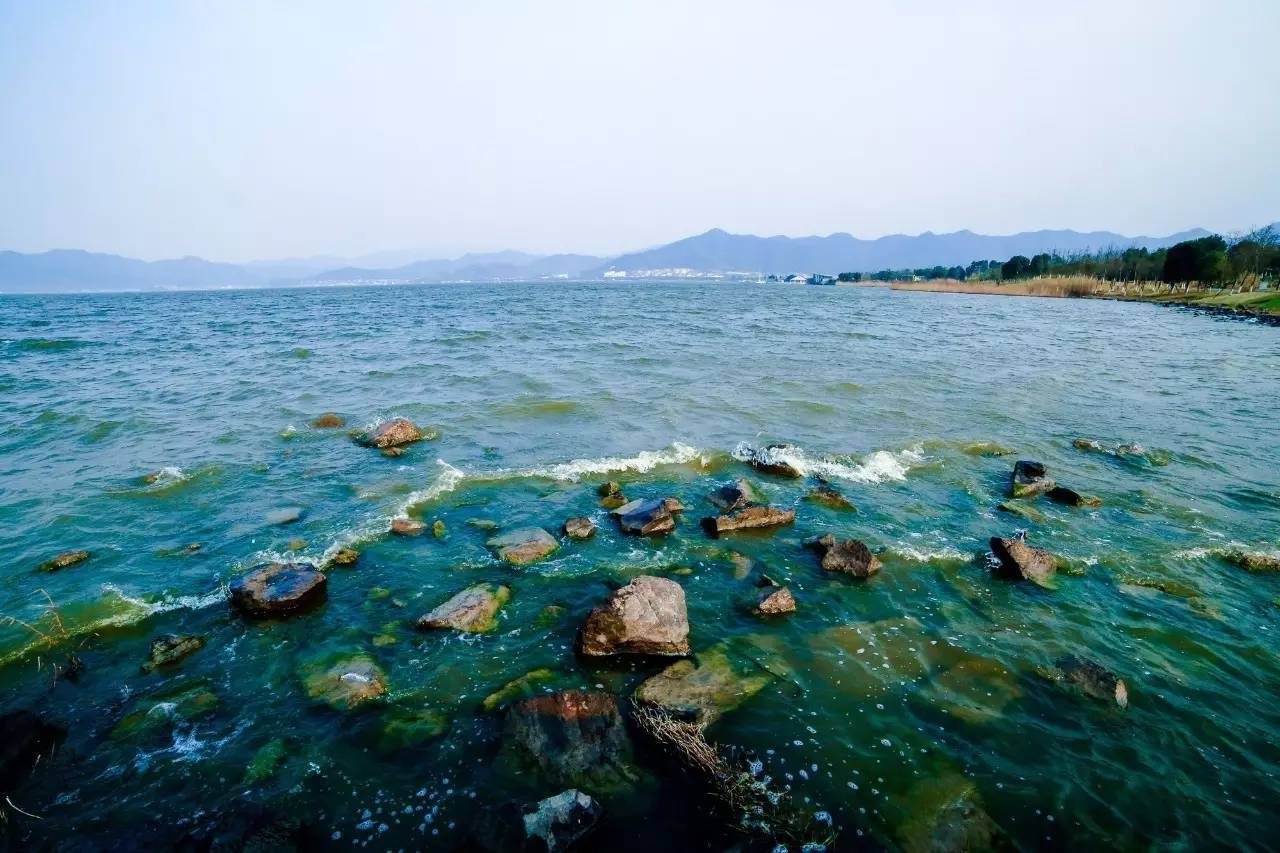
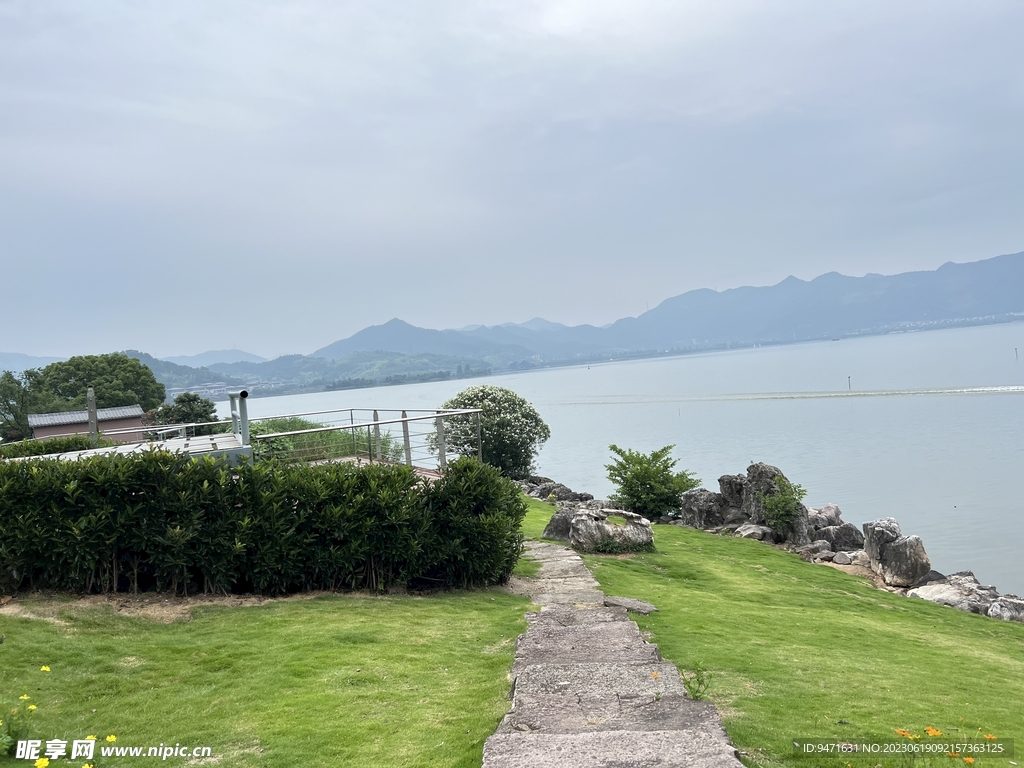
Zhejiang's largest natural freshwater lake, with a water area of approx. 20 sq km and an approx. 45 km circuit around the lake, long famed for having 'the charm of West Lake and the grandeur of Lake Tai'.
Visitor info
- Opening hours
- All day
- Ticket
- Free (Xiaoputuo Scenic Area approx. CNY 30)
Price is indicative — final quote on inquiry.
Zhejiang's largest natural freshwater lake, with a water area of approx. 20 sq km and an approx. 45 km circuit around the lake, long famed for having 'the charm of West Lake and the grandeur of Lake Tai'. The stone statuary along the Shi family tomb passage in the Southern Song Stone Carving Park is a National Key Cultural Relics Protection Unit; Butuo Dongtian (grotto-heaven cave), Taogong Causeway and Hanling Old Street dot the lakeshore, and lakeside cycling and marathons are popular here. In the Song dynasty, Wang Anshi, while serving as magistrate of Yin County, directed the dredging of the lake and the building of dikes—a benefit that has lasted a thousand years; the lake, with its weirs, dikes and temples, forms a complete Jiangnan water-conservancy and cultural landscape.
Getting there: Metro Line 4, Dongqianhu Station
Photos
More in Ningbo
- Tianyi Pavilion · Moon Lake Scenic Area
China's oldest extant private library; a national key protected cultural site and a national 5A-level scenic area (the combined Tianyi Pavilion · Moon Lake area)
- Old Bund
A riverside district of modern concession-era character on the Yong River, opened as a treaty port in 1844, about twenty years before Shanghai's Bund; surviving protected buildings include the Gothic Catholic church (built 1872), the former Zhejiang Customs House, and the Jiangbei police station; bars and restaurants coexist with historic buildings, and the night-view photo spot is in front of the Catholic church…
- Gulouyan Historic and Cultural District
Site of the ruins of Ningbo's ancient inner city; Haishu Tower, repeatedly destroyed and rebuilt on the original site of the inner city's south gate from the first year of the Tang Changqing reign (821), combines a Western-style clock tower with a Chinese-style gate platform—an iconic hybrid landmark of Ningbo
- Nantang Old Street
A Jiangnan water-town district along the Nantang River; its one-river-one-street layout recreates the look of old Ningbo's wharf, with Ming- and Qing-style buildings split into north and south streets
- Ningbo Museum
A signature work by architect Wang Shu after winning the Pritzker Prize; its walls are built from hundreds of thousands of bricks and tiles salvaged from the old city, and its form resembles a mountain or a ship—the building itself is an exhibit
- Qing'an Guild Hall (Eastern Zhejiang Maritime Folk Museum)
A Tianhou (Mazu) temple combined with a guild hall, built in 1853 (the third year of the Xianfeng reign) with funds raised by Ningbo's Northern-trade ship merchants; its brick, wood, and stone carvings are famed as the 'three wonders,' and the gilded coiling dragon in the opera-stage caisson is its crowning sight