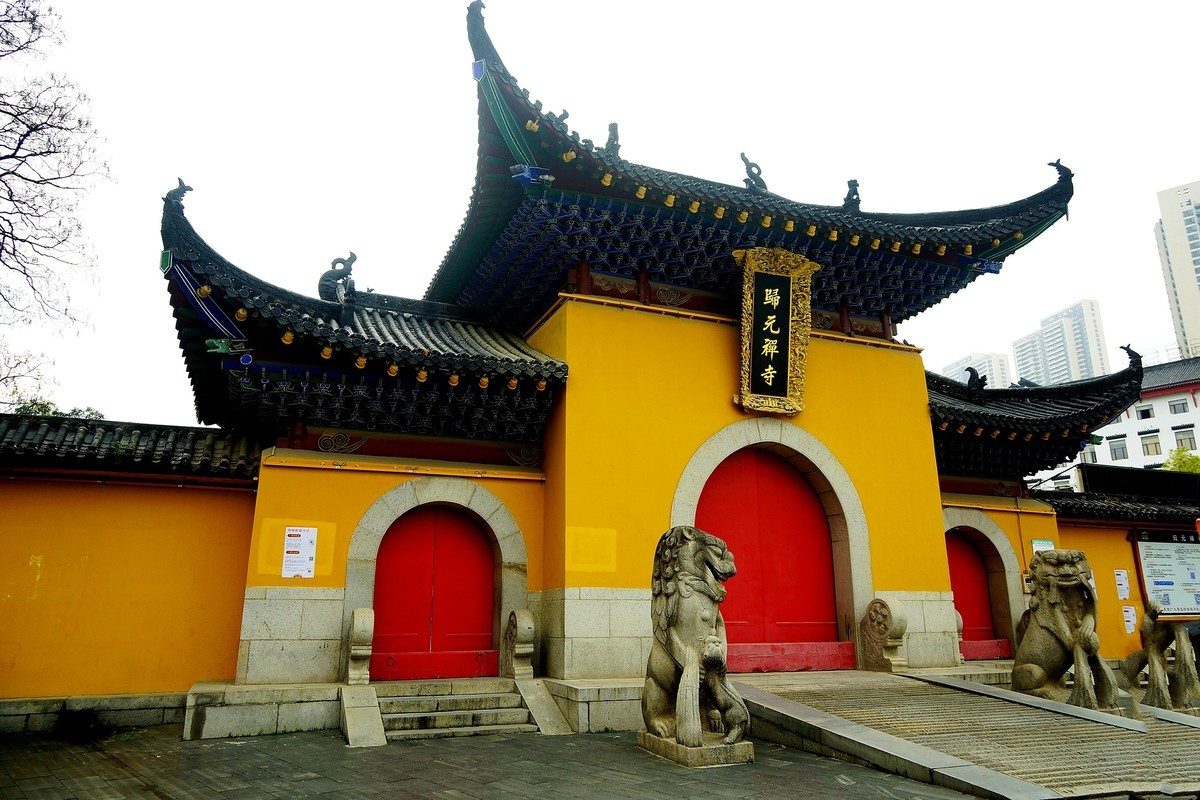
Guiyuan Temple
Built in 1651 (8th year of the Shunzhi reign, Qing dynasty), “a wondrous realm west of the Han River” (the custom of counting arhats — Hall of Five Hundred Arhats in a grid layout), calligraphy by Master Changming
Visitor info
- Opening hours
- 08:00-17:00
- Ticket
- CNY 10
Price is indicative — final quote on inquiry.
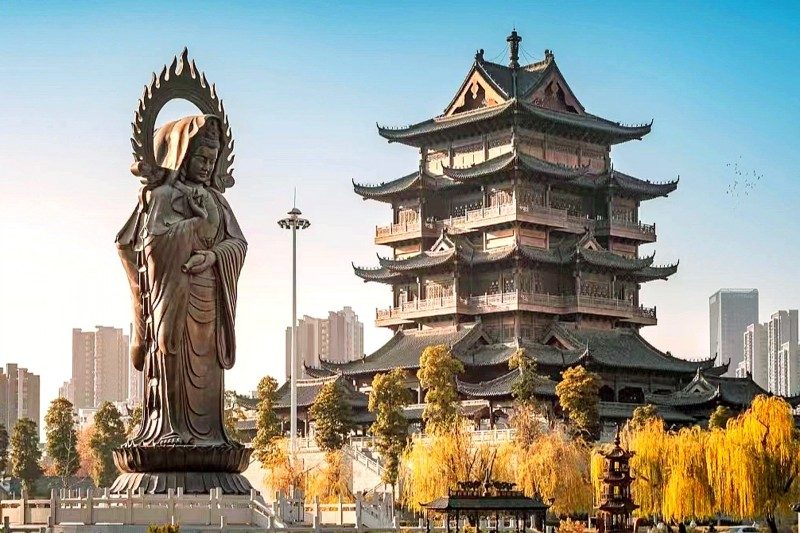
Built in 1651 (8th year of the Shunzhi reign, Qing dynasty), “a wondrous realm west of the Han River” (the custom of counting arhats — Hall of Five Hundred Arhats laid out in a grid), calligraphy by Master Changming; a top prayer destination in Wuhan at Chinese New Year. Founded in 1651 (8th year of the Shunzhi reign, Qing dynasty), its name “Guiyuan” (“all things return to one”) marks it as first among Wuhan's four great Buddhist monasteries, long honored as “a wondrous realm west of the Han River”. Guiyuan Temple's signature experience is “counting the arhats”: the Hall of Five Hundred Arhats arranges 500 gold-plated bronze arhat statues in a grid layout — start from any statue and count up to the one matching your age, whose expression forecasts your fortunes for the coming year, full of folk charm; the temple's Sutra Repository treasures Buddhist texts such as the Dragon Tripitaka, and stone inscriptions of Master Changming's calligraphy are found throughout the temple. During Chinese New Year, worshippers at Guiyuan Temple number in the hundreds of thousands, with queues for the first incense stretching through the night — one of Wuhan's grandest folk events; on ordinary days it is quiet and pleasant to visit, and counting arhats, browsing the sutras and trying the vegetarian meal fit neatly into half a day.
Getting there: Bus or taxi (Cuiwei Road)
Photos
More in Wuhan
- Hubu Alley
Breakfast alley: hot dry noodles, doupi and fried doughsticks.
- Yellow Crane Tower
The most-quoted tower in Chinese poetry, overlooking the Yangtze.
- East Lake
Six times the size of West Lake; greenways, cherry trees and lakeside cycling.
- Hubei Provincial Museum
Home of the 2,400-year-old bells of Marquis Yi of Zeng.
- Yellow Crane Tower Park
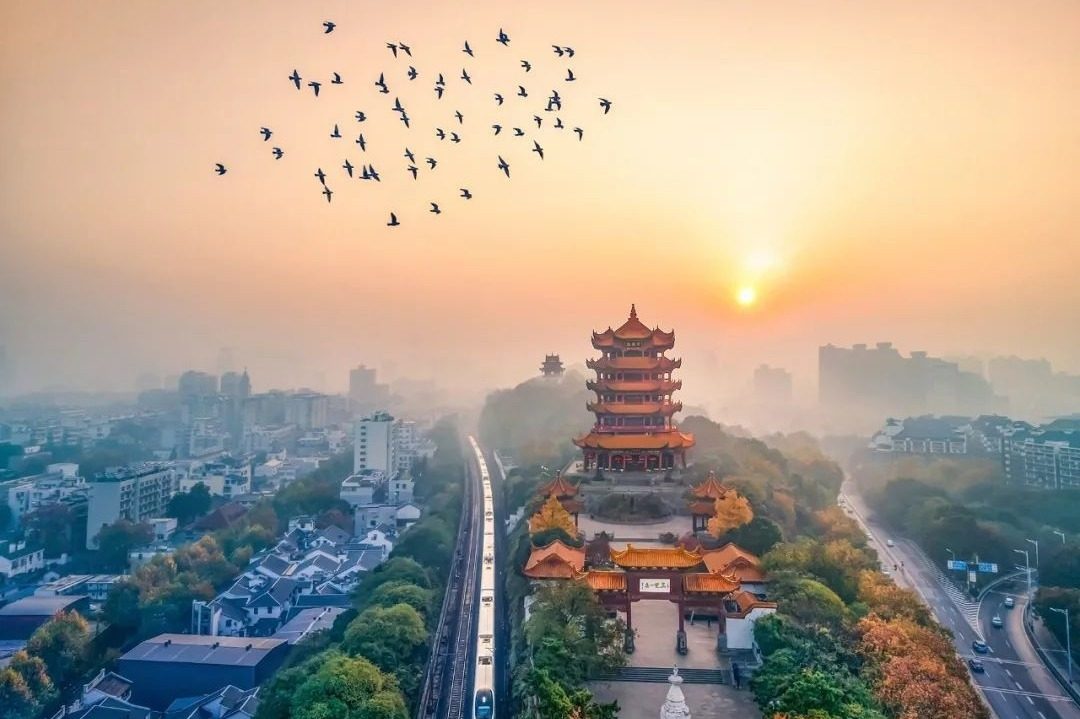
"The First Tower of the Rivers and Mountains under Heaven" (a military watchtower built by Sun Quan in 223, the second year of Huangwu of Eastern Wu in the Three Kingdoms period; repeatedly destroyed and rebuilt—burned down in 1884, rebuilt on Snake Hill in 1985), main tower 51.4m with five tiers of flying eaves (golden gourd finial), Cui Hao's verse "The man of old has ridden away on a yellow crane"…
- Wuhan Yangtze River Bridge
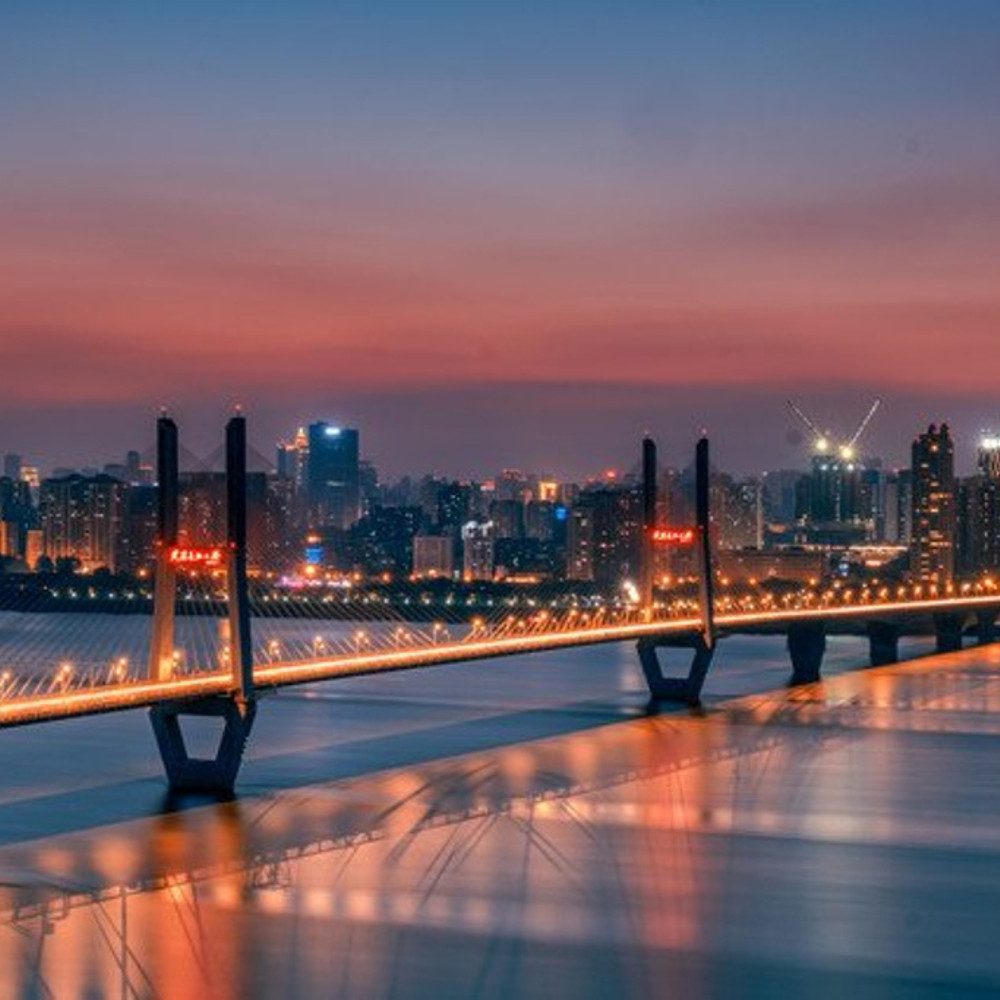
Completed in 1957 as the "First Bridge over the Ten-Thousand-Li Yangtze" (Soviet-assisted design, road-rail dual use); "A flying bridge spans north and south, turning the natural moat into a thoroughfare" (Mao Zedong's ci poem)