Huashan Mysterious Grottoes (Tunxi)
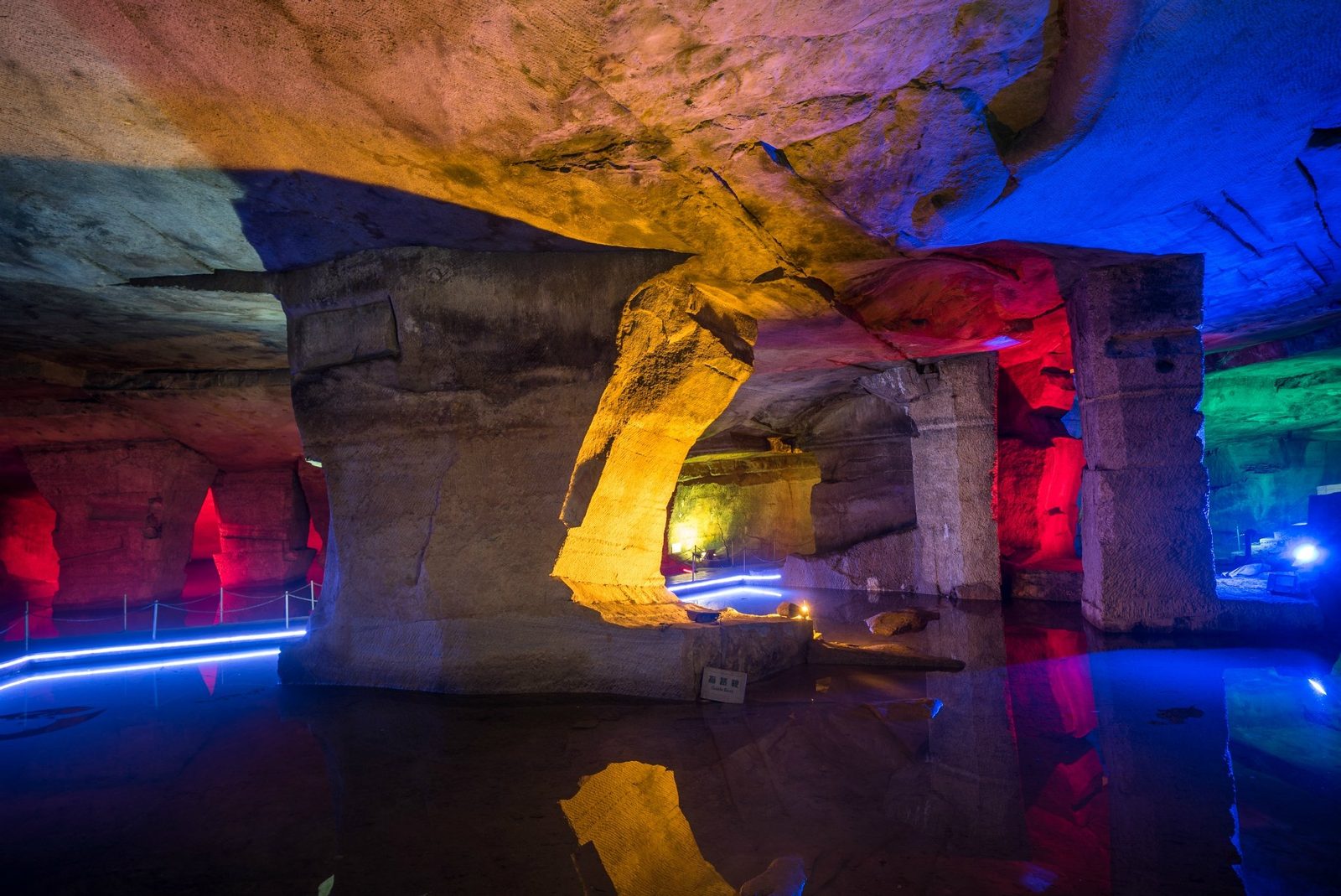
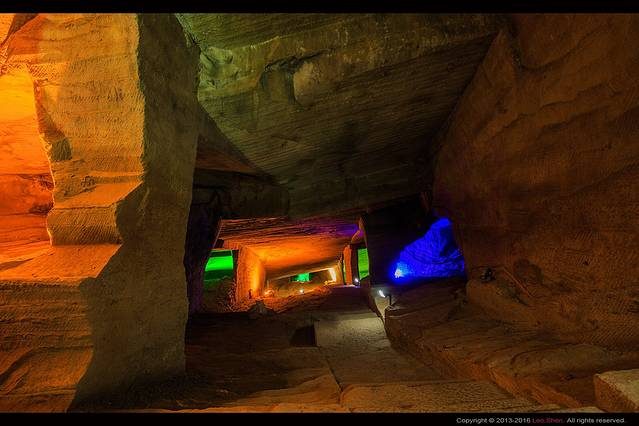
An ancient man-made cave complex on the banks of the Xin'an River; Cave No. 35, the "Underground Palace," is filled with towering stone pillars and vast chambers, its excavation date and purpose still a mystery
Visitor info
- Opening hours
- 08:30-17:00
- Ticket
- approx. CNY 90
Price is indicative — final quote on inquiry.
An ancient man-made cave complex on the banks of the Xin'an River; Cave No. 35, the "Underground Palace," is filled with towering stone pillars and vast chambers, its excavation date and purpose still a mystery. The caves stay cool at a constant temperature—an adventure experience themed on unsolved mysteries—pair with the riverside greenway for a half-day trip.
Getting there: Bus from Tunxi / self-drive
Photos
More in Huangshan
- Huangshan (Yellow Mountain) Scenic Area
UNESCO World Cultural and Natural Dual Heritage Site (inscribed 1990), UNESCO Global Geopark, national 5A-level attraction
- Emerald Valley (Lovers' Valley)
Also known as Lovers' Valley, over a hundred colorful pools of jade-green water strung together, and the filming location of the bamboo-forest fight scene in Crouching Tiger, Hidden Dragon
- Hongcun
UNESCO World Cultural Heritage Site (inscribed 2000 with Xidi as “Ancient Villages in Southern Anhui”), 5A-level Huizhou-style ancient village
- Xidi
One of the UNESCO World Heritage “Ancient Villages in Southern Anhui”, an ancient village of the Hu clan with over 200 well-preserved Ming and Qing residences
- Chengkan
“China's No.1 Feng Shui Village”, laid out according to the Eight Trigrams with two water channels, five streets, and ninety-nine lanes
- Qiankou Folk Residences (Huizhou District)
A complex of Ming-dynasty Hui-style dwellings dismantled and rebuilt on one site, clustered at the foot of Zixia Mountain as a 'Ming-dynasty manor'