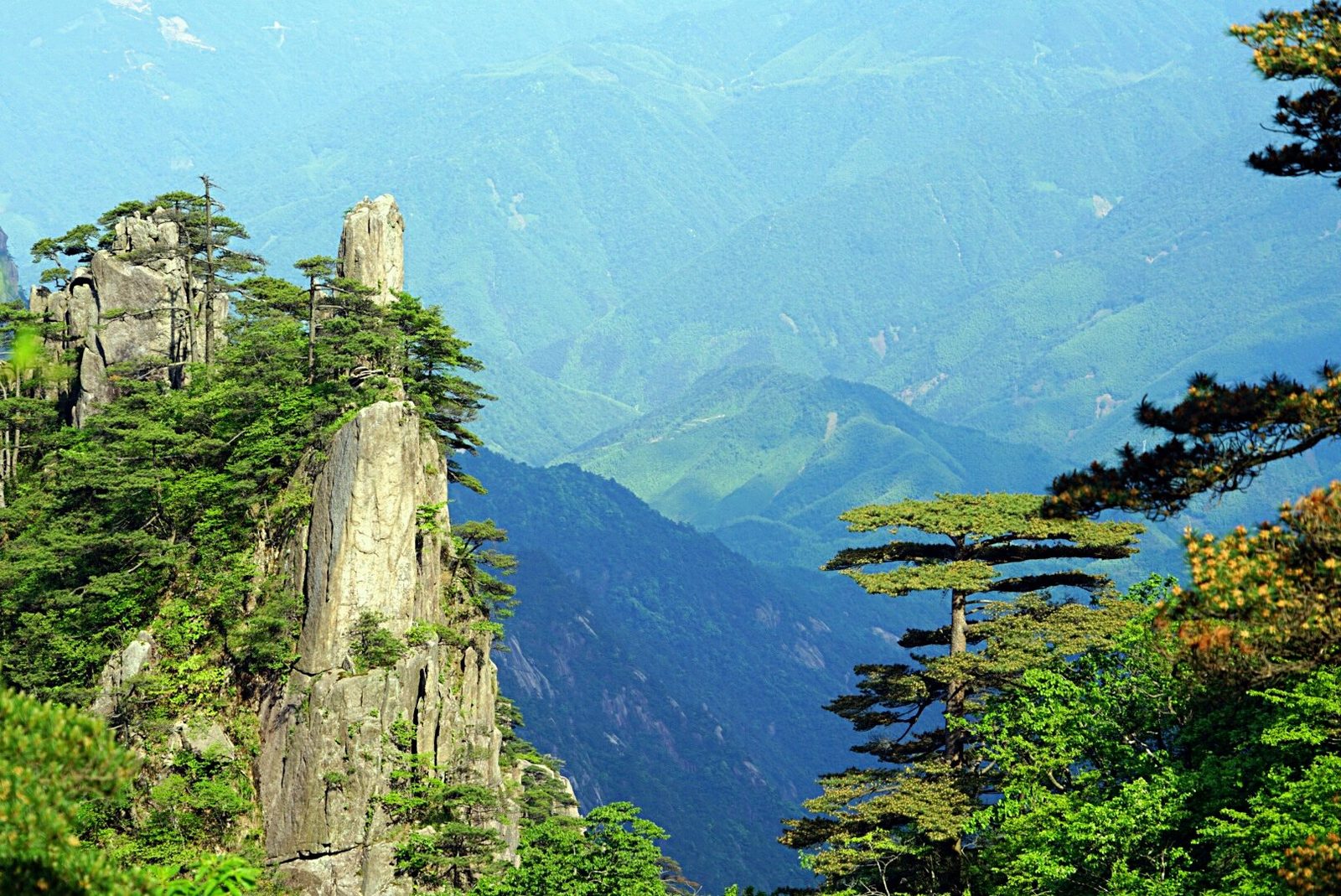
Huizhou Ancient City (Shexian)
Seat of the ancient Huizhou prefecture and the core of the 5A-level Ancient Huizhou Culture Tourism Area
Visitor info
- Opening hours
- 08:00-17:30
- Ticket
- approx. CNY 100 (combo ticket)
Price is indicative — final quote on inquiry.
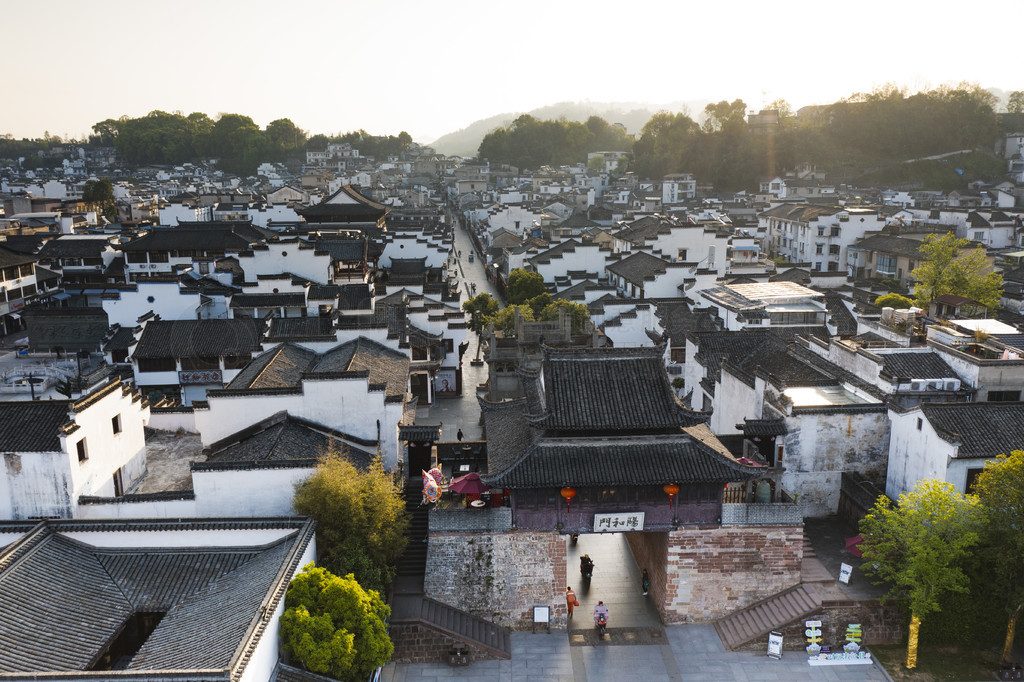
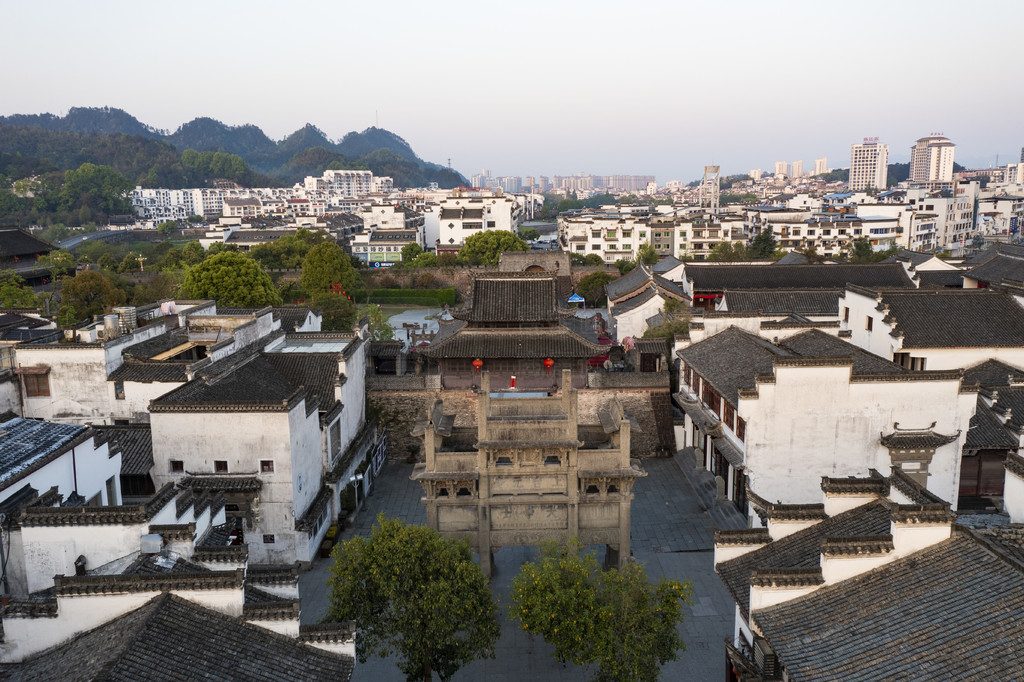
Seat of the ancient Huizhou prefecture and the core of the 5A-level Ancient Huizhou Culture Tourism Area; the Xuguo Stone Archway (a nationally rare eight-legged stone archway for a Grand Secretary), the Huizhou Prefecture Office, the Doushan Street residence cluster and Yuliang Dam (an ancient overflow stone weir and the departure wharf of Hui merchants) link together — a one-stop overview of the prefectural city layout and Huizhou culture.
Getting there: High-speed rail, Shexian North Station, then bus
Photos
More in Huangshan
- Huangshan (Yellow Mountain) Scenic Area
UNESCO World Cultural and Natural Dual Heritage Site (inscribed 1990), UNESCO Global Geopark, national 5A-level attraction
- Emerald Valley (Lovers' Valley)
Also known as Lovers' Valley, over a hundred colorful pools of jade-green water strung together, and the filming location of the bamboo-forest fight scene in Crouching Tiger, Hidden Dragon
- Hongcun
UNESCO World Cultural Heritage Site (inscribed 2000 with Xidi as “Ancient Villages in Southern Anhui”), 5A-level Huizhou-style ancient village
- Xidi
One of the UNESCO World Heritage “Ancient Villages in Southern Anhui”, an ancient village of the Hu clan with over 200 well-preserved Ming and Qing residences
- Chengkan
“China's No.1 Feng Shui Village”, laid out according to the Eight Trigrams with two water channels, five streets, and ninety-nine lanes
- Qiankou Folk Residences (Huizhou District)
A complex of Ming-dynasty Hui-style dwellings dismantled and rebuilt on one site, clustered at the foot of Zixia Mountain as a 'Ming-dynasty manor'