
Jinligou (Huangpi)
Tujia-Miao ethnic culture area (stilt houses + "Jinligou" live-action performance)
Visitor info
- Opening hours
- 08:00-17:30
- Ticket
- CNY 80
Price is indicative — final quote on inquiry.
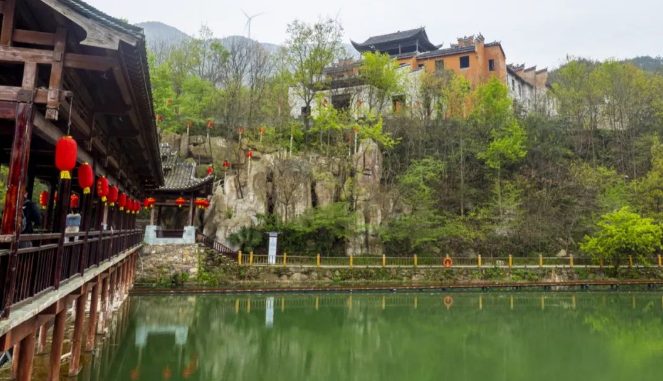
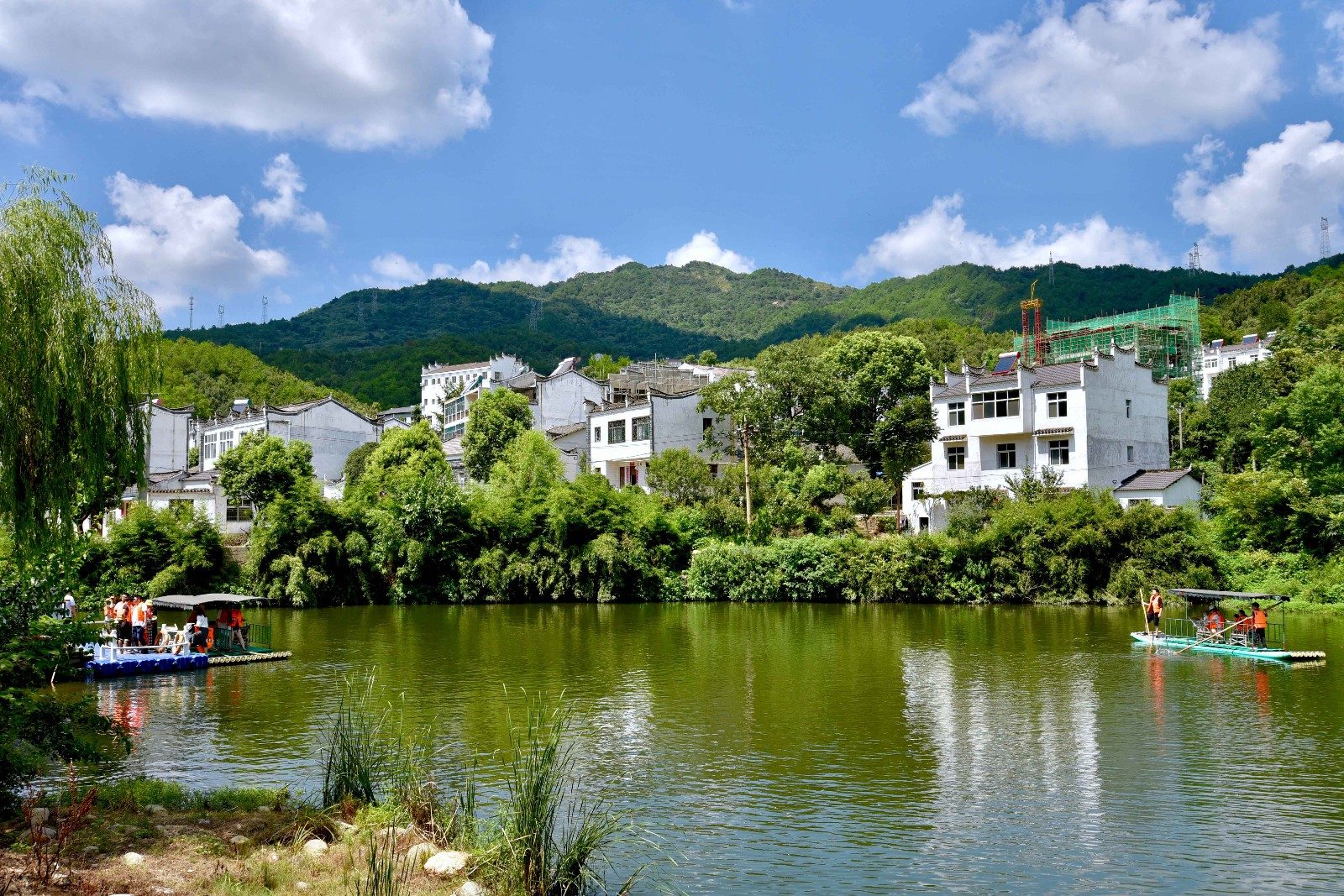
Tujia-Miao ethnic culture area (stilt houses + "Jinligou" live-action performance). A scenic area of Tujia and Miao ethnic flavor in northern Huangpi, said to be where descendants of Tusi (native chieftains) from western Hubei settled in the Wuhan area during the Qing Yongzheng era's "gaitu guiliu" reforms; Tujia stilt-house clusters scatter along the stream through the hills, a rare Tujia-Miao cultural settlement landscape in Central China. Set around canyon streams, the area lays out wind-and-rain bridges, stilt houses and restored Tusi fortress buildings along the water; the folk performance "Jinligou" is staged in a valley theater, with the hand-waving dance and interactive crying-marriage wedding customs drawing visitors in; the mountain boardwalks are gentle and the stream waters shallow, with summer water play and autumn red leaves as the two golden seasons. About 1.5 hours' drive from downtown Wuhan and convenient by car, it can be combined with Mulan Tianchi into a two-day northern Huangpi route, and the nighttime Tujia bonfire party makes an overnight stay worthwhile.
Getting there: Huangpi, self-drive
Photos
More in Wuhan
- Hubu Alley
Breakfast alley: hot dry noodles, doupi and fried doughsticks.
- Yellow Crane Tower
The most-quoted tower in Chinese poetry, overlooking the Yangtze.
- East Lake
Six times the size of West Lake; greenways, cherry trees and lakeside cycling.
- Hubei Provincial Museum
Home of the 2,400-year-old bells of Marquis Yi of Zeng.
- Yellow Crane Tower Park
"The First Tower of the Rivers and Mountains under Heaven" (a military watchtower built by Sun Quan in 223, the second year of Huangwu of Eastern Wu in the Three Kingdoms period; repeatedly destroyed and rebuilt—burned down in 1884, rebuilt on Snake Hill in 1985), main tower 51.4m with five tiers of flying eaves (golden gourd finial), Cui Hao's verse "The man of old has ridden away on a yellow crane"…
- Wuhan Yangtze River Bridge
Completed in 1957 as the "First Bridge over the Ten-Thousand-Li Yangtze" (Soviet-assisted design, road-rail dual use); "A flying bridge spans north and south, turning the natural moat into a thoroughfare" (Mao Zedong's ci poem)