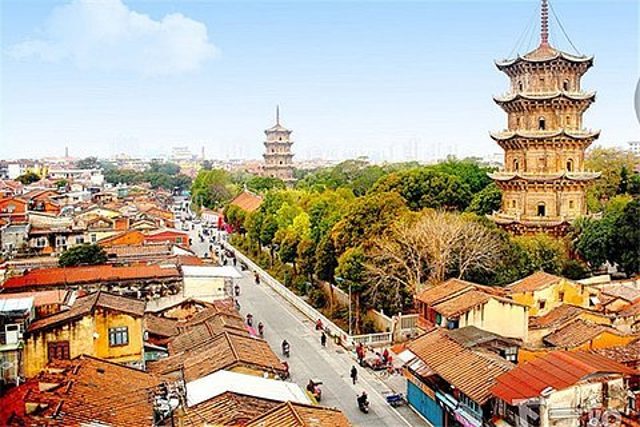
Jiuri Mountain Wind-Praying Inscriptions
A celebrated cultural mountain in Nan'an on Quanzhou's western outskirts, named for the Central Plains migrants who climbed it every Double Ninth Festival to ease their homesickness ever since the Western Jin dynasty
Visitor info
- Opening hours
- 08:30-17:00
- Ticket
- approx. CNY 25
Price is indicative — final quote on inquiry.
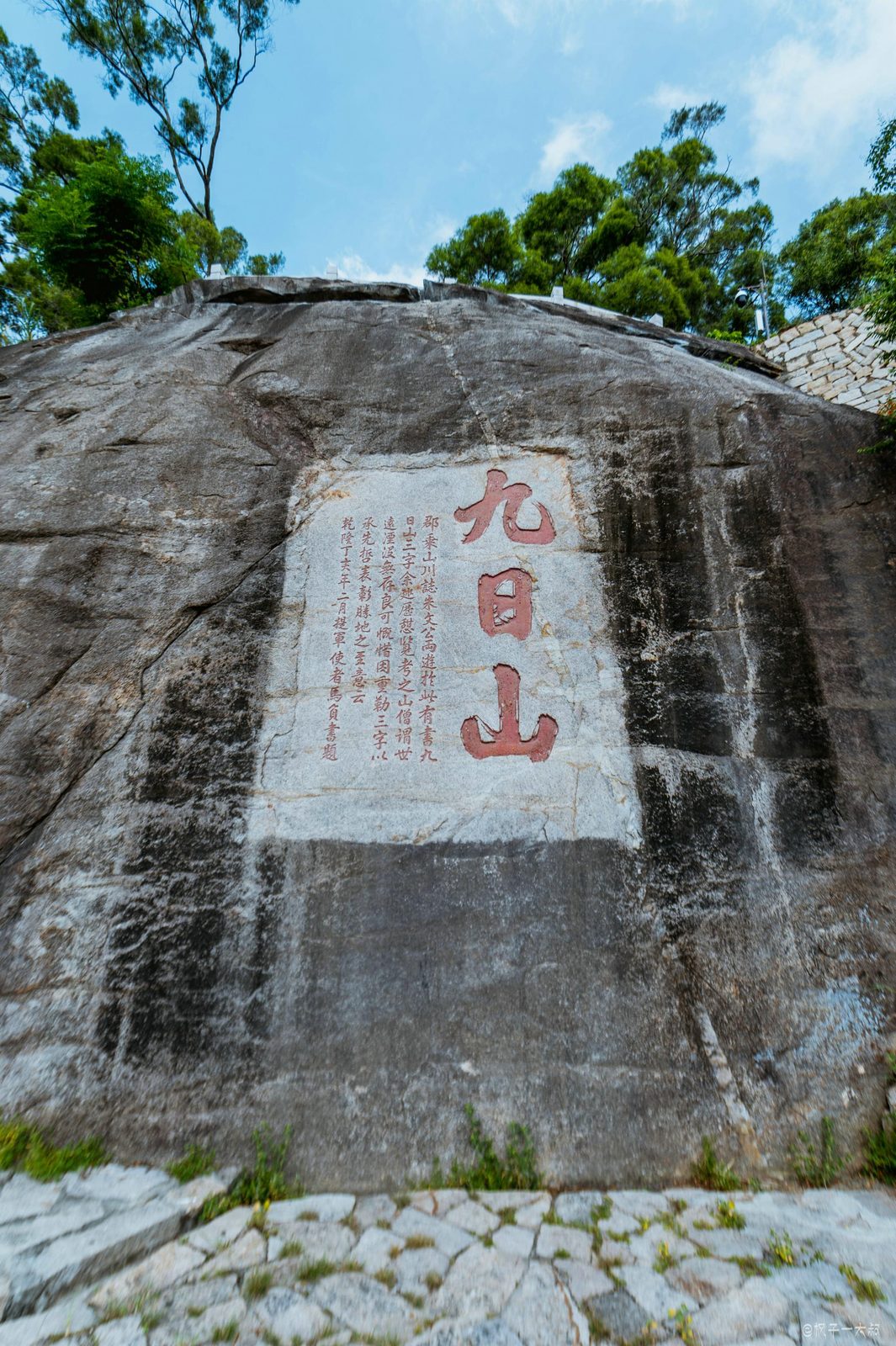
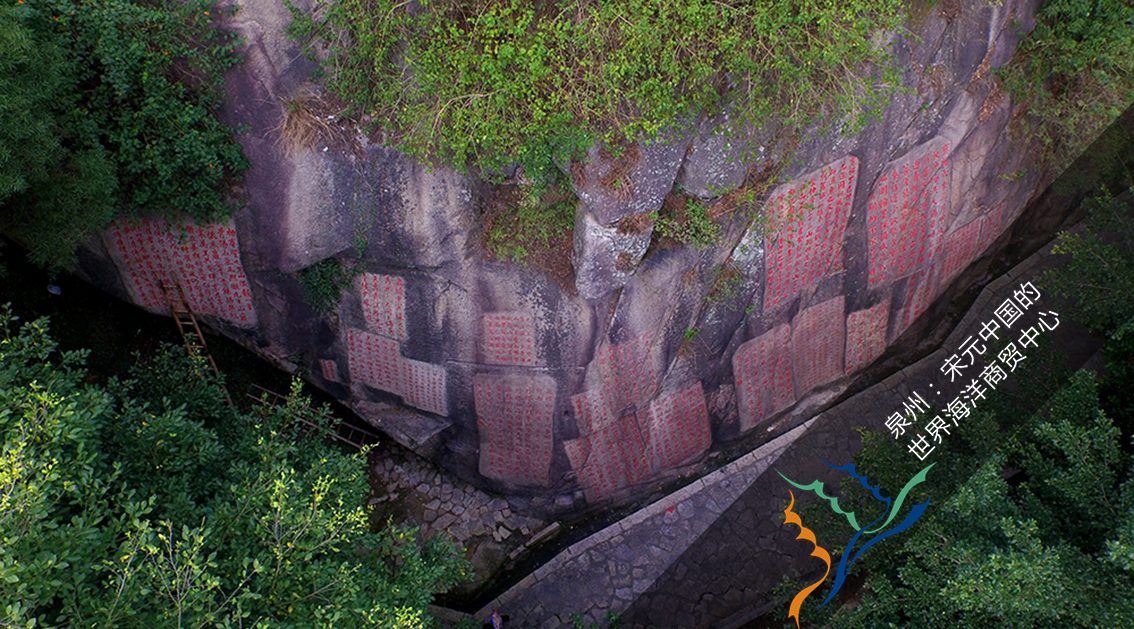
A celebrated cultural mountain in Nan'an on Quanzhou's western outskirts, named for the Central Plains migrants who climbed it every Double Ninth Festival to ease their homesickness ever since the Western Jin dynasty. The mountain preserves 78 Song-dynasty wind-praying inscriptions—every summer and winter the Quanzhou authorities held wind-praying ceremonies at Yanfu Temple on the western peak for merchant ships setting out to sea, with the prefect and his aides taking part and carving records of the events into stone, making this the only stone-inscription archive of the Song dynasty's official maritime trade system. The mountain is therefore hailed as the "sacred wind-praying site of the Maritime Silk Road"; Zhaohui Temple and Shifo Rock (Stone Buddha Rock) on the same mountain can also be visited.
Getting there: Self-drive to Fengzhou, Nan'an (approx. 12 km)
Photos

More in Quanzhou
- Kaiyuan Temple
Quanzhou's largest Buddhist temple, first built in the second year of the Tang Chuigong reign (686); legend holds that the temple was founded when its owner gave up his garden after a mulberry tree bloomed with white lotus flowers — hence the "Purple Clouds Covering the Ground" legend
- West Street
Quanzhou's earliest developed district, born with the founding of the city in the Tang Kaiyuan era; for 1,300 years it has remained the lively central axis of the old town
- Qingjing Mosque
One of China's oldest surviving mosques, founded in 1009 (the second year of the Dazhong Xiangfu reign, Northern Song) by Muslim merchant guilds from Arabia; its Arabic name was "Ashab Mosque". The granite-built gateway and the surviving pillars of the Fengtian altar still echo the style of the Great Mosque of Damascus in Syria.
- Tianhou Palace
One of the starting points from which the Mazu faith spread to the world: built in 1196 (the second year of the Qingyuan reign, Southern Song), it is one of the oldest Mazu temples still standing.
- Confucian Temple (Fuwenmiao)
Quanzhou's prefectural Confucian temple, first built in the Tang dynasty and rebuilt in the Southern Song; its Dacheng Hall is one of the largest surviving Confucian temple halls in Jiangnan (south of the Yangtze), with a double-eaved hip roof and Song-style dougong brackets well preserved.
- Tonghuai Guanyue Temple (Temple of Guan Yu and Yue Fei)
The busiest Guandi (Lord Guan) temple in southern Fujian by incense traffic; its Ming-dynasty complex consists of a front hall, the Sanyi Hall and a rear hall, with worshippers pouring in all day.