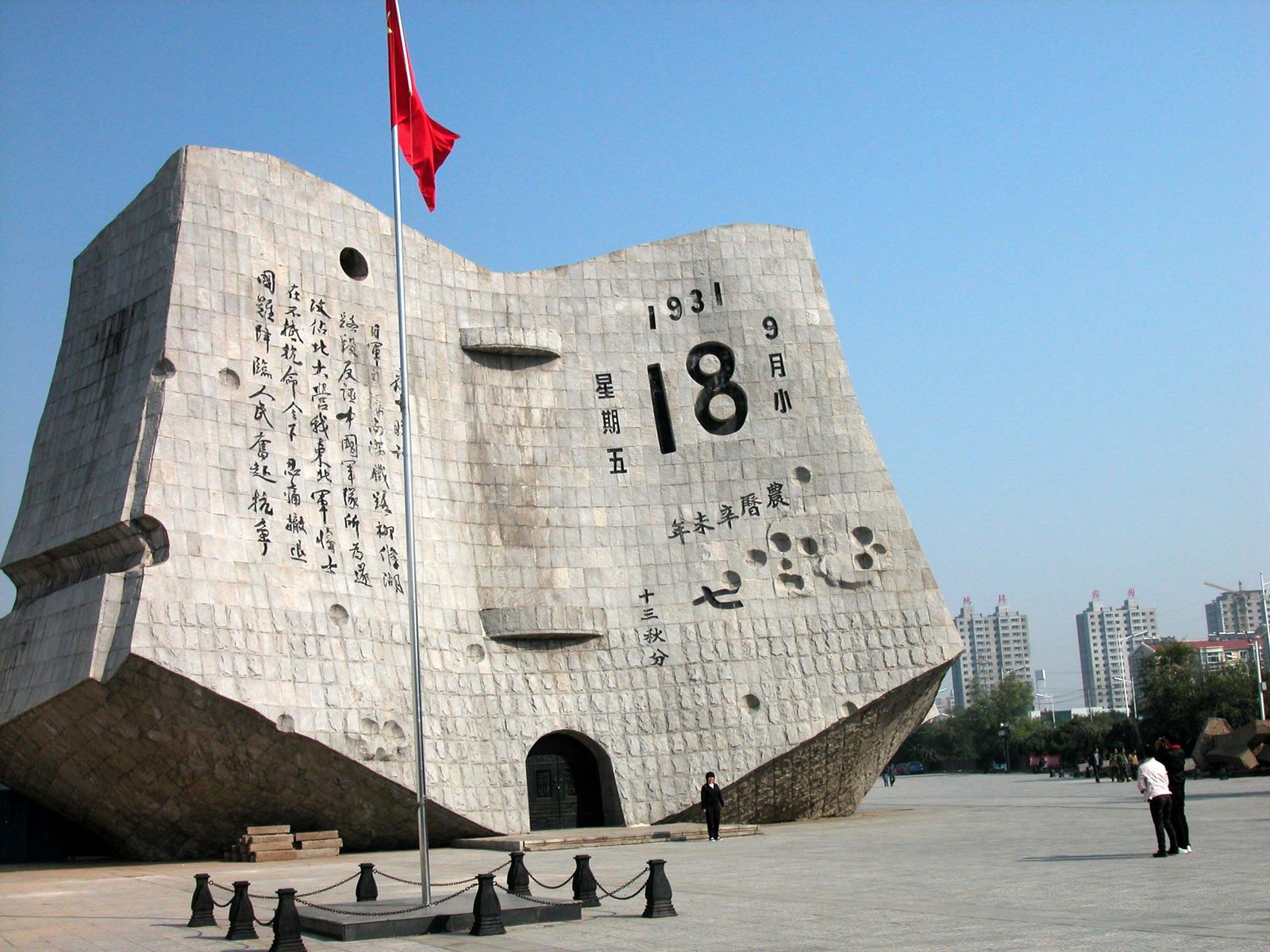
9.18 Historical Museum
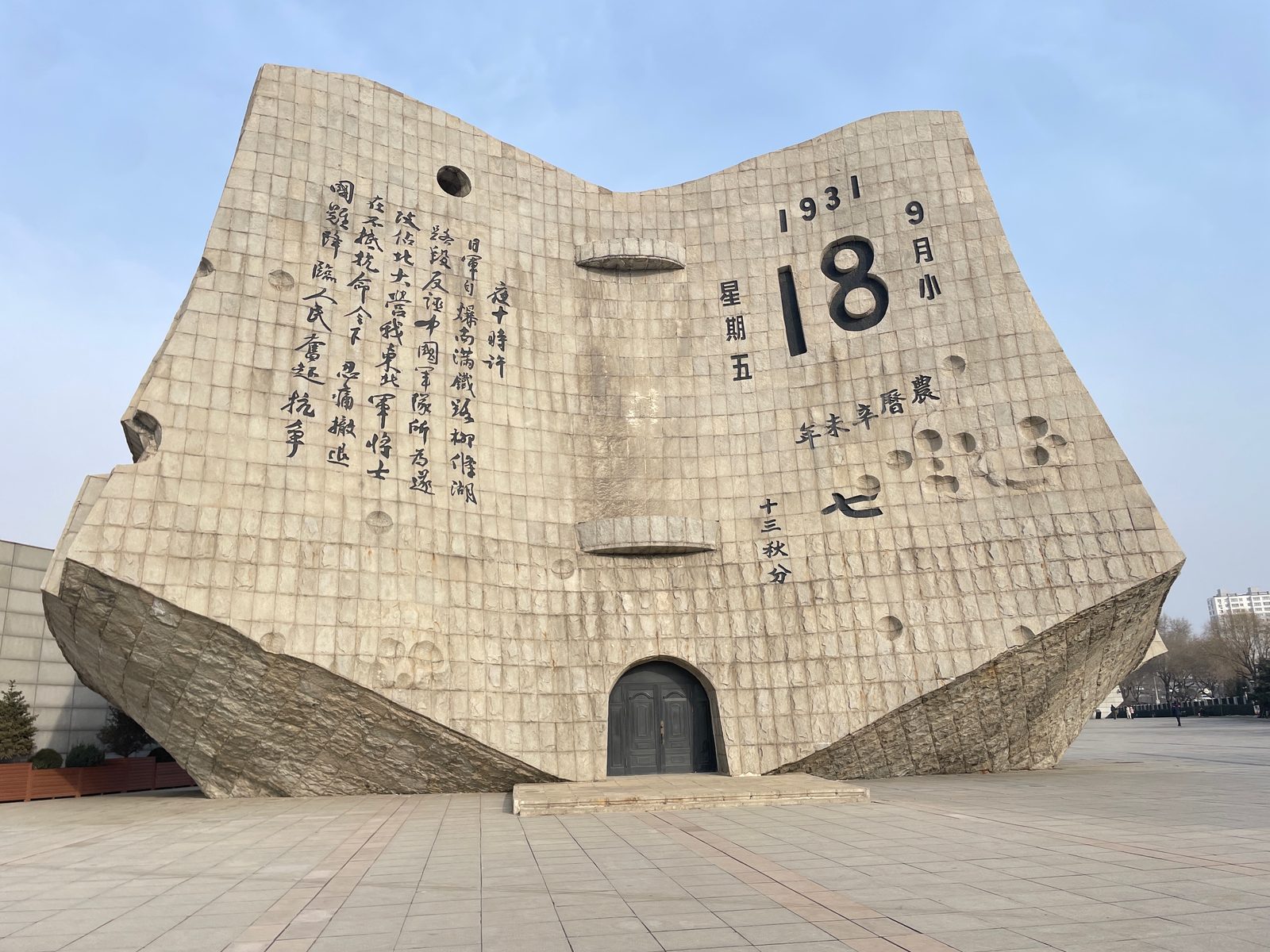
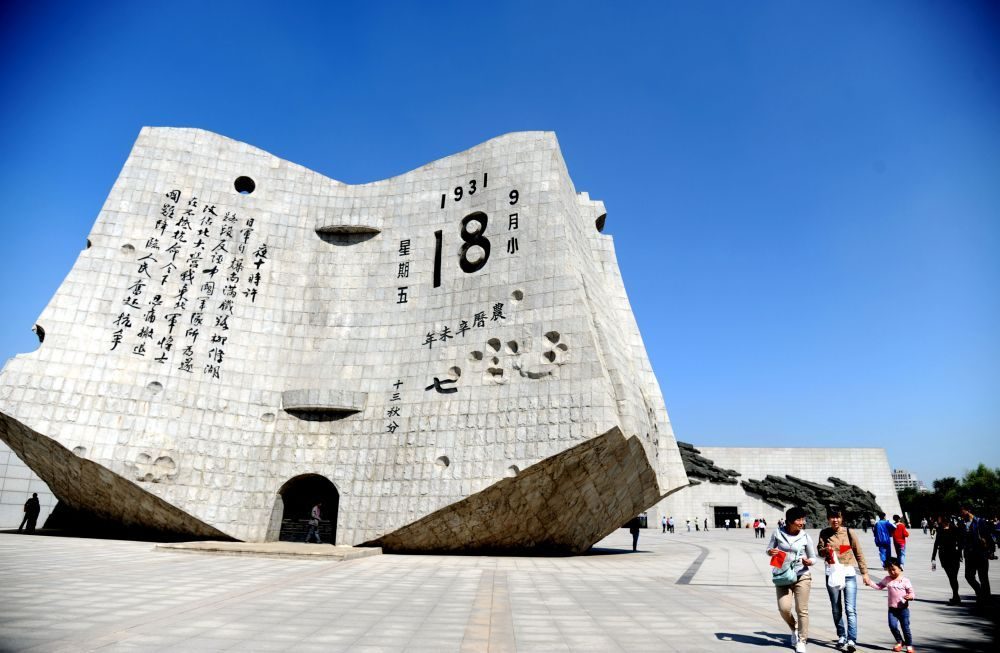
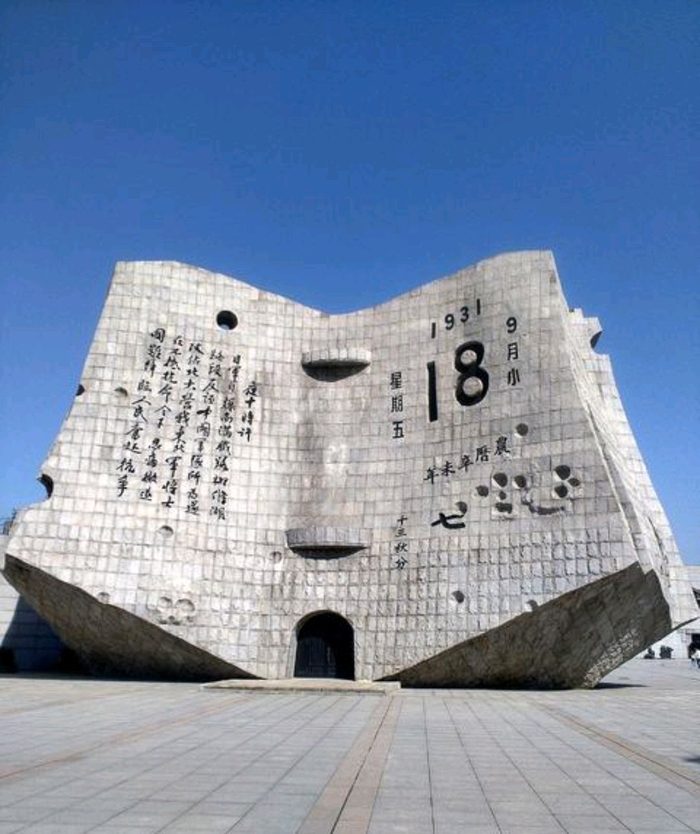
A national-level museum built near the site of the incident; the Broken Calendar stele at the entrance is cast in the shape of a desk calendar for September 18, 1931, its body riddled with bullet marks, freezing in time the explosive night of the Liutiaohu Incident
Visitor info
- Opening hours
- 09:00-16:30 · Closed on Mondays
- Ticket
- Free (reservation required)
Price is indicative — final quote on inquiry.
A national-level museum built near the site of the incident. The Broken Calendar stele at the entrance is cast in the shape of a desk calendar for September 18, 1931, its body riddled with bullet marks, freezing in time the explosive night of the Liutiaohu Incident. The exhibitions center on the historical facts of the September 18th Incident—from the railway bombing through the fourteen years of Northeast China's fall, to the blood-soaked resistance of the Northeast Anti-Japanese United Army—with photos, artifacts and reconstructed scenes presented systematically and completely; it is a key site for national memorial and patriotic education. The visiting route ends at the “Alarm Bell”: the suffering and struggle between the White Mountains and Black Waters leave one unable to calm down for a long time.
Getting there: Bus or taxi, Dadong District
Photos
More in Shenyang
- Shenyang Imperial Palace (Mukden Palace)
The imperial palace begun in 1625 after Nurhaci of the Later Jin moved the capital to Shenyang (then named Shengjing) and completed under Hong Taiji; the most complete palace complex surviving in China after the Forbidden City in Beijing, inscribed as a World Heritage Site in 2004 as an extension of the Imperial Palaces of the Ming and Qing Dynasties
- Zhaoling Mausoleum (Beiling Park)
Tomb of Qing Taizong Hong Taiji and Empress Xiaoduanwen, begun in 1643; Shenyang's largest imperial tomb, inscribed on the World Heritage List together with Fuling as an extension project
- Fuling Tomb (Dongling Park)
Tomb of Qing Taizu Nurhaci, begun in 1629, facing the Hun River and backed by Tianzhu Mountain; inscribed on the World Heritage List as an extension project
- Marshal Zhang's Mansion Museum
Official residence and private home of Zhang Zuolin and his son Zhang Xueliang, built from 1914 and popularly known as “Dashuai Fu” (Grand Marshal's Mansion), arguably the stage on which half of Northeast China's modern history unfolded
- Shenyang Finance Museum
A finance-themed museum converted from the former Bianye Bank building, separated from Marshal Zhang's Mansion by just one wall and covered by a combo ticket
- Zhongjie Pedestrian Street
The “First Street of Northeast China” with over 380 years of history, formed alongside the city of Shengjing (old Shenyang) and one of China's earliest commercial streets, converted into a pedestrian street in 1997