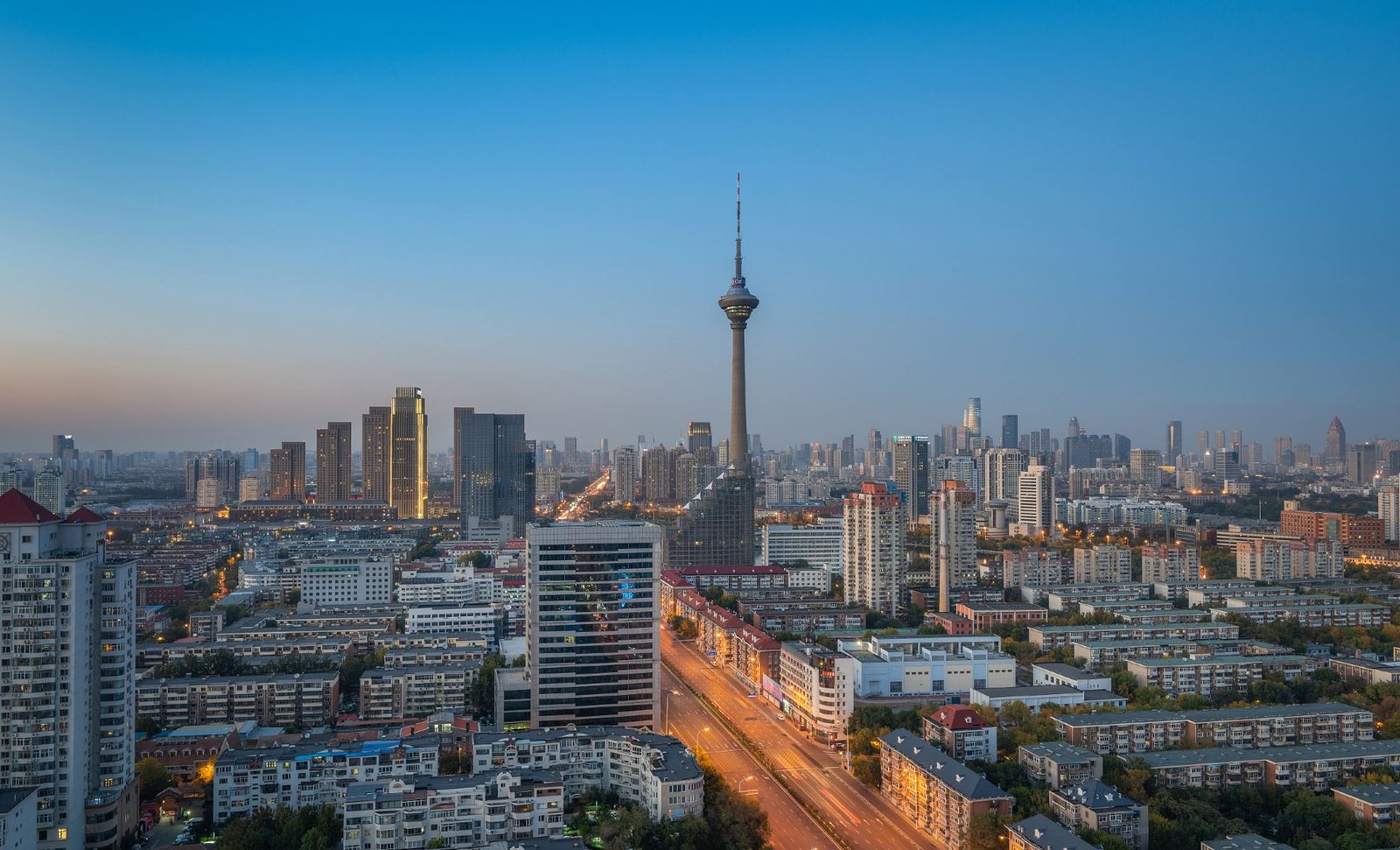
Shenyang 沈阳
Shenyang city guide — sights, tickets and getting around.
Top things to do in Shenyang
Ranked picks — headline sights first, with tickets and timing at a glance.
 1
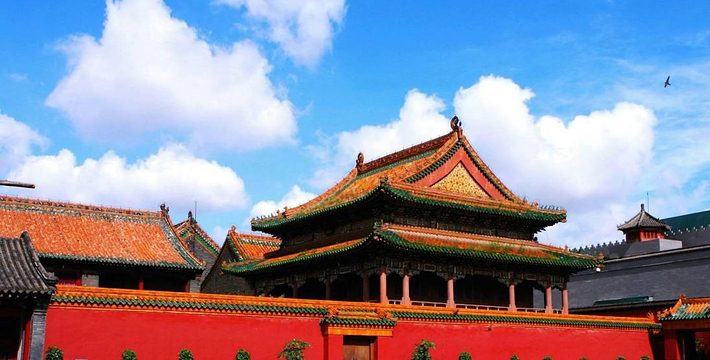
Shenyang Imperial Palace (Mukden Palace)
AttractionThe imperial palace begun in 1625 after Nurhaci of the Later Jin moved the capital to Shenyang (then named Shengjing) and completed under Hong Taiji; the most complete palace complex surviving in China after the Forbidden City in Beijing, inscribed as a World Heritage Site in 2004 as an extension of the Imperial Palaces of the Ming and Qing Dynasties
 2
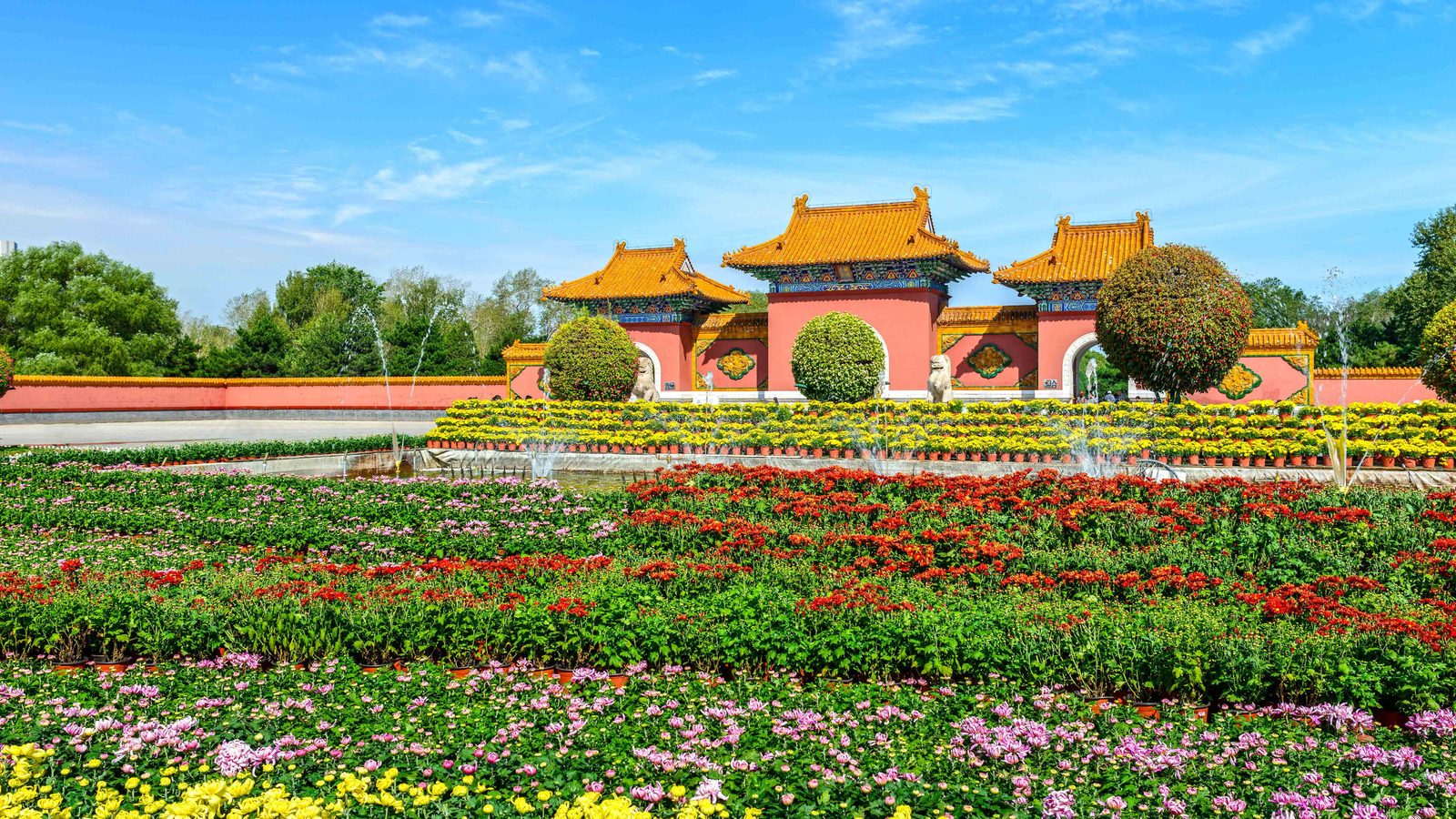
Zhaoling Mausoleum (Beiling Park)
AttractionTomb of Qing Taizong Hong Taiji and Empress Xiaoduanwen, begun in 1643; Shenyang's largest imperial tomb, inscribed on the World Heritage List together with Fuling as an extension project
 3
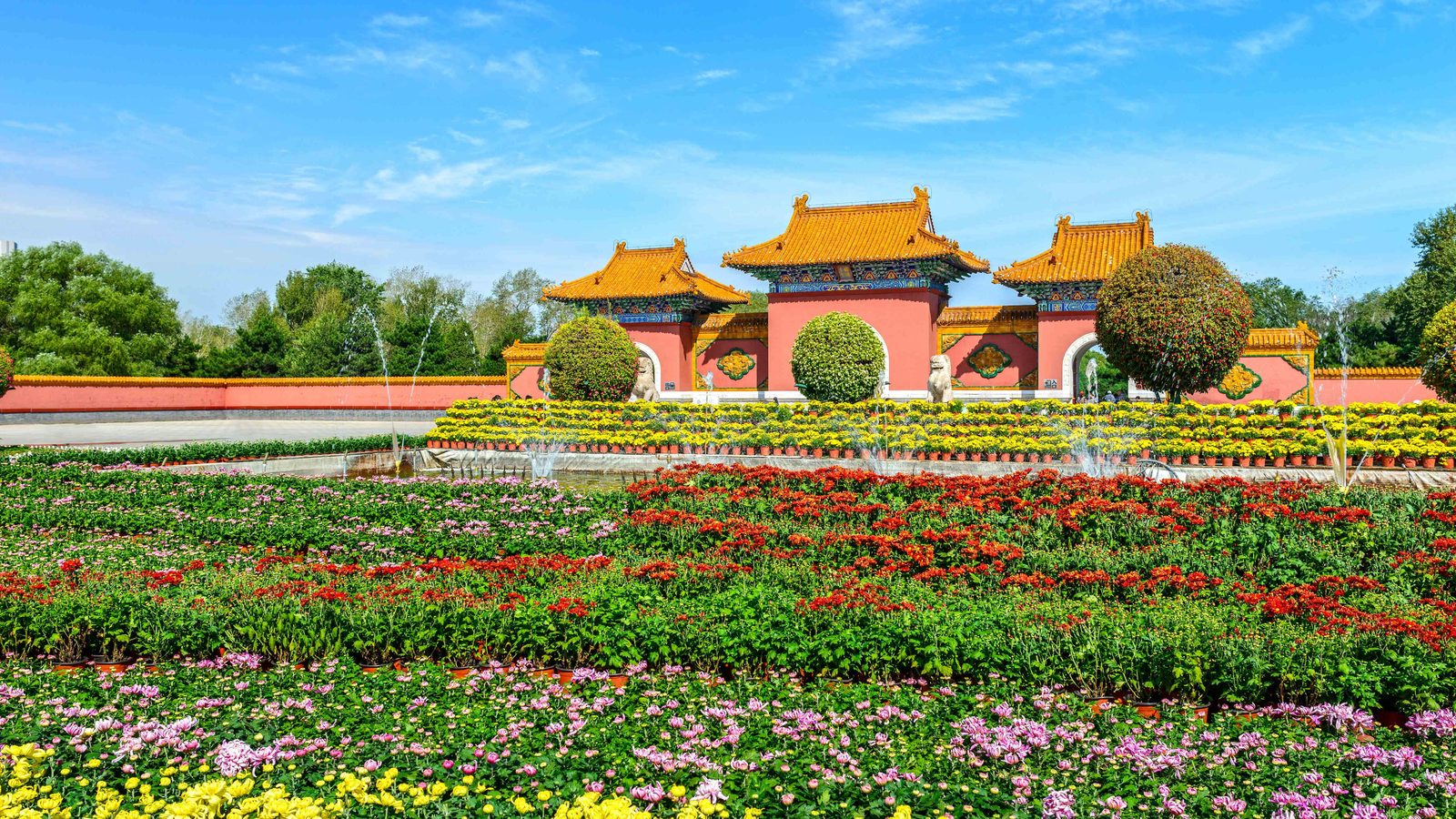
Fuling Tomb (Dongling Park)
AttractionTomb of Qing Taizu Nurhaci, begun in 1629, facing the Hun River and backed by Tianzhu Mountain; inscribed on the World Heritage List as an extension project
 4
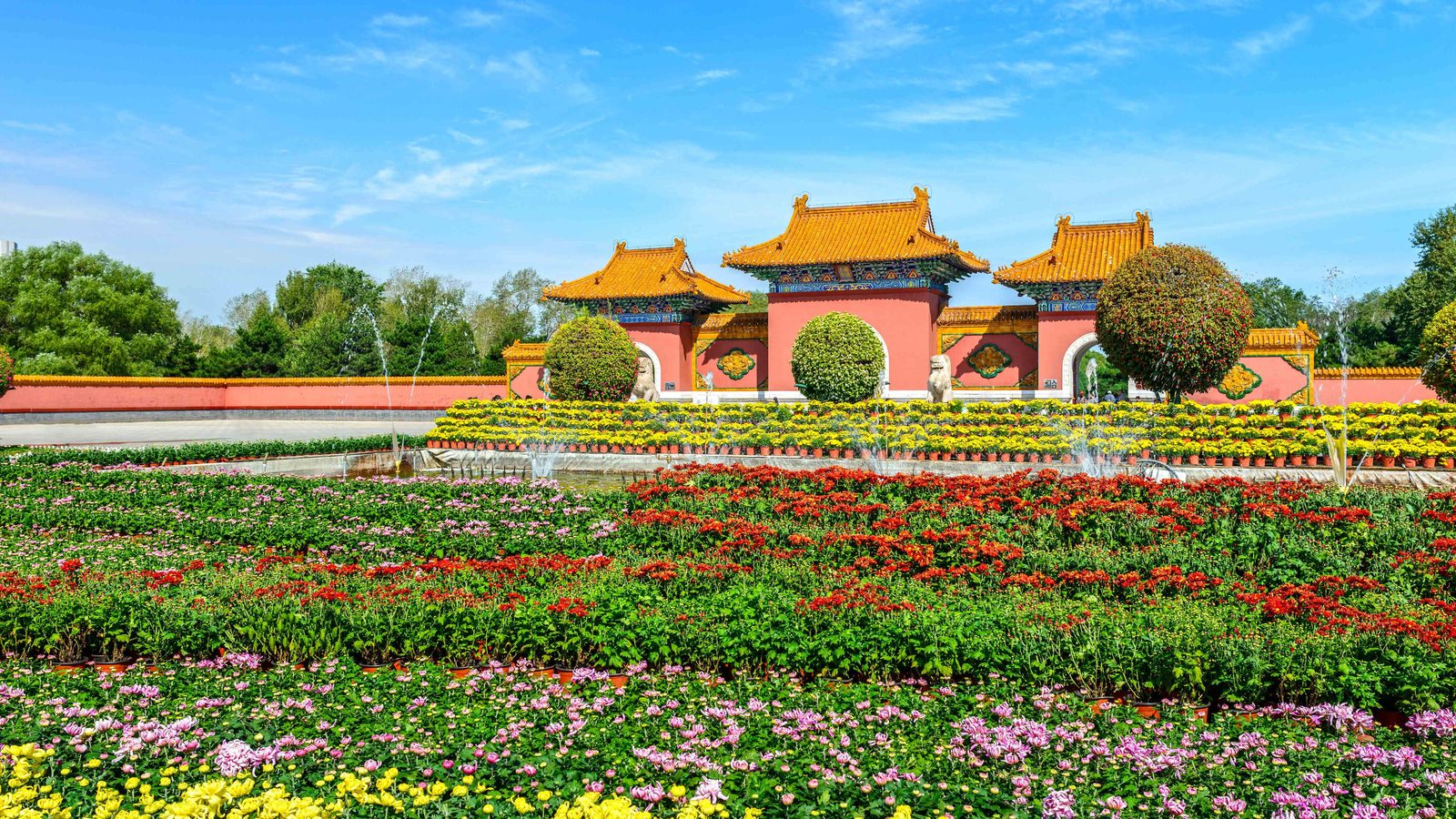
Marshal Zhang's Mansion Museum
AttractionOfficial residence and private home of Zhang Zuolin and his son Zhang Xueliang, built from 1914 and popularly known as “Dashuai Fu” (Grand Marshal's Mansion), arguably the stage on which half of Northeast China's modern history unfolded
 5
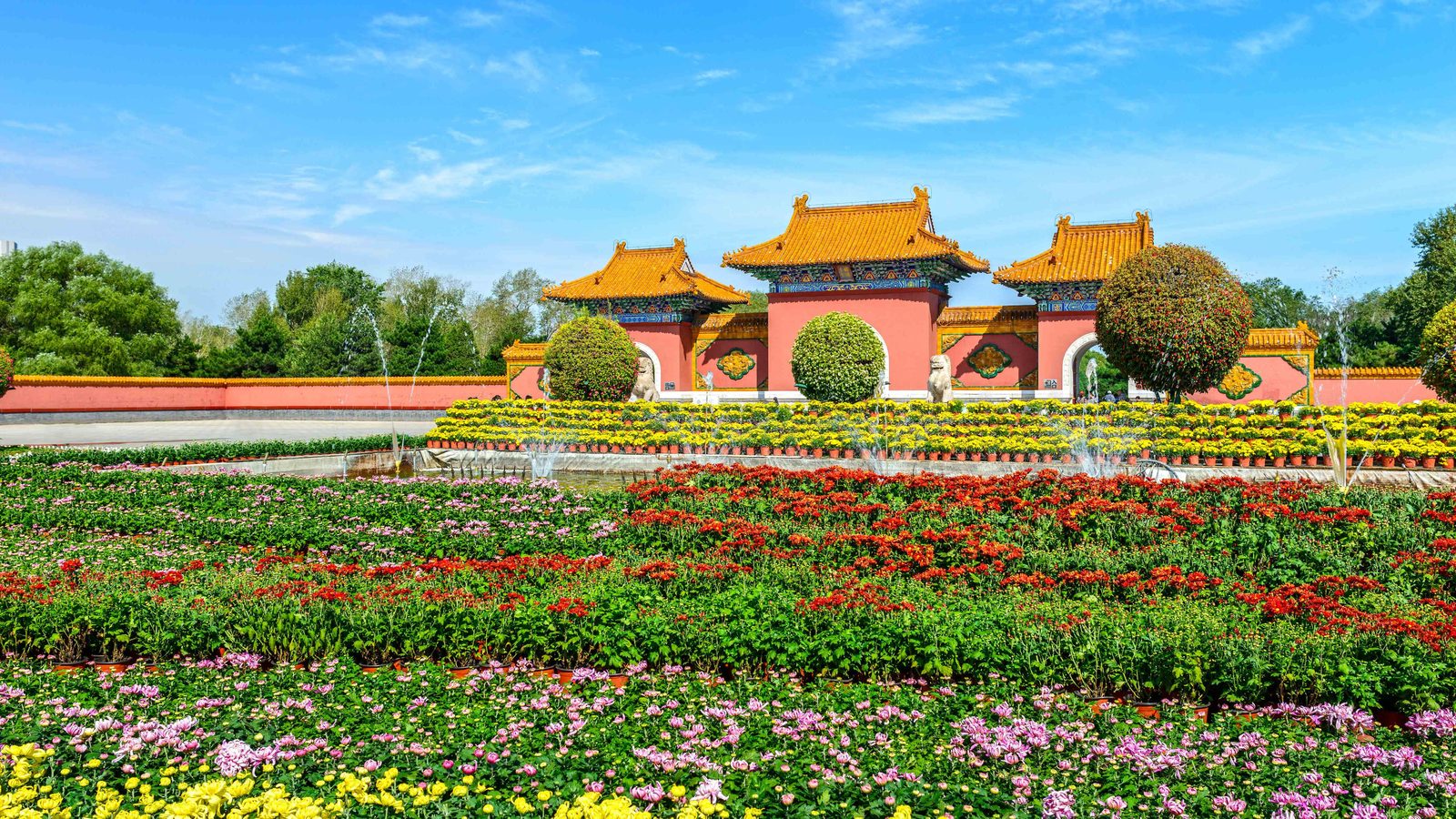
Shenyang Finance Museum
AttractionA finance-themed museum converted from the former Bianye Bank building, separated from Marshal Zhang's Mansion by just one wall and covered by a combo ticket
 6
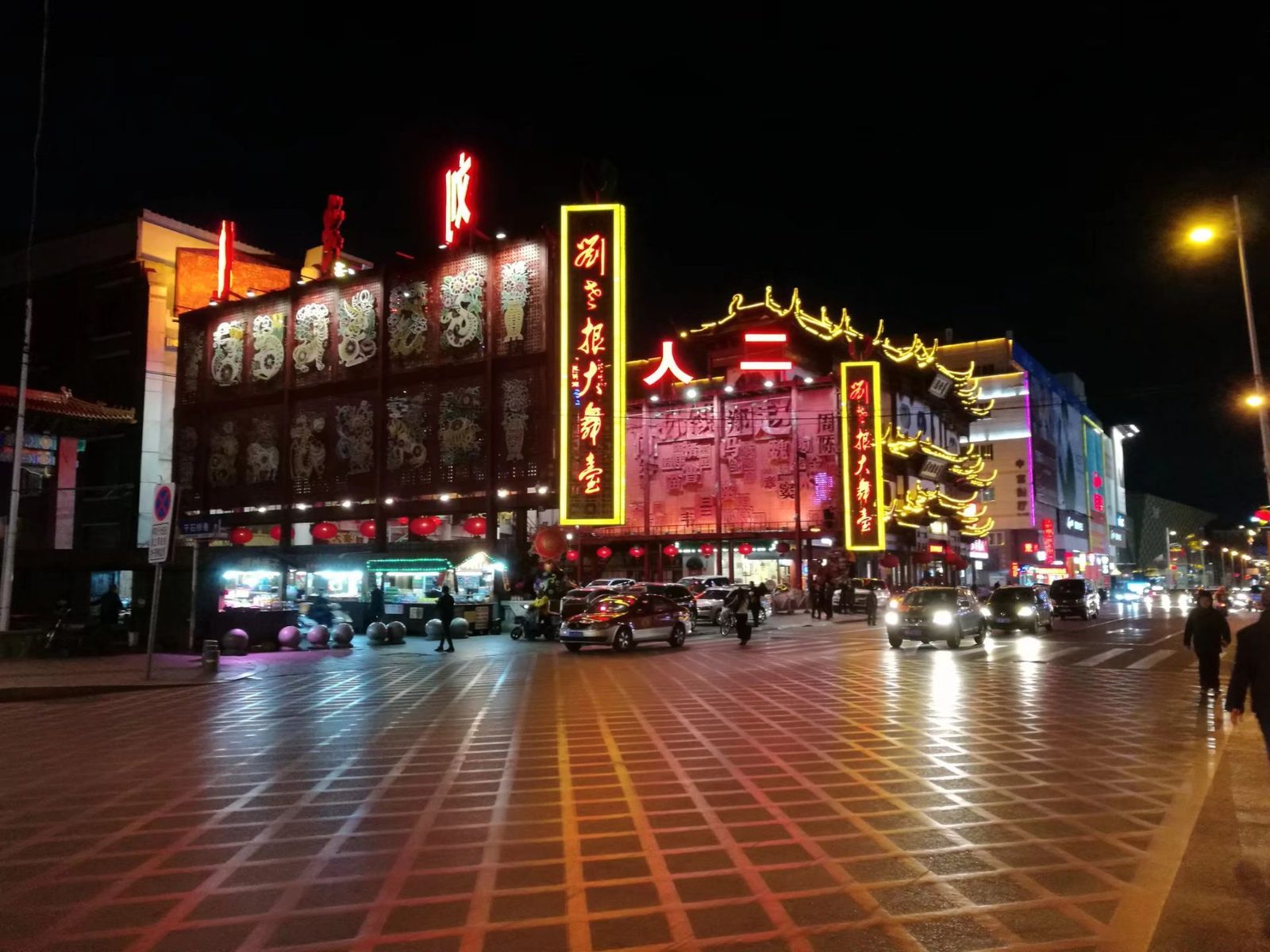
Zhongjie Pedestrian Street
AttractionThe “First Street of Northeast China” with over 380 years of history, formed alongside the city of Shengjing (old Shenyang) and one of China's earliest commercial streets, converted into a pedestrian street in 1997
 7
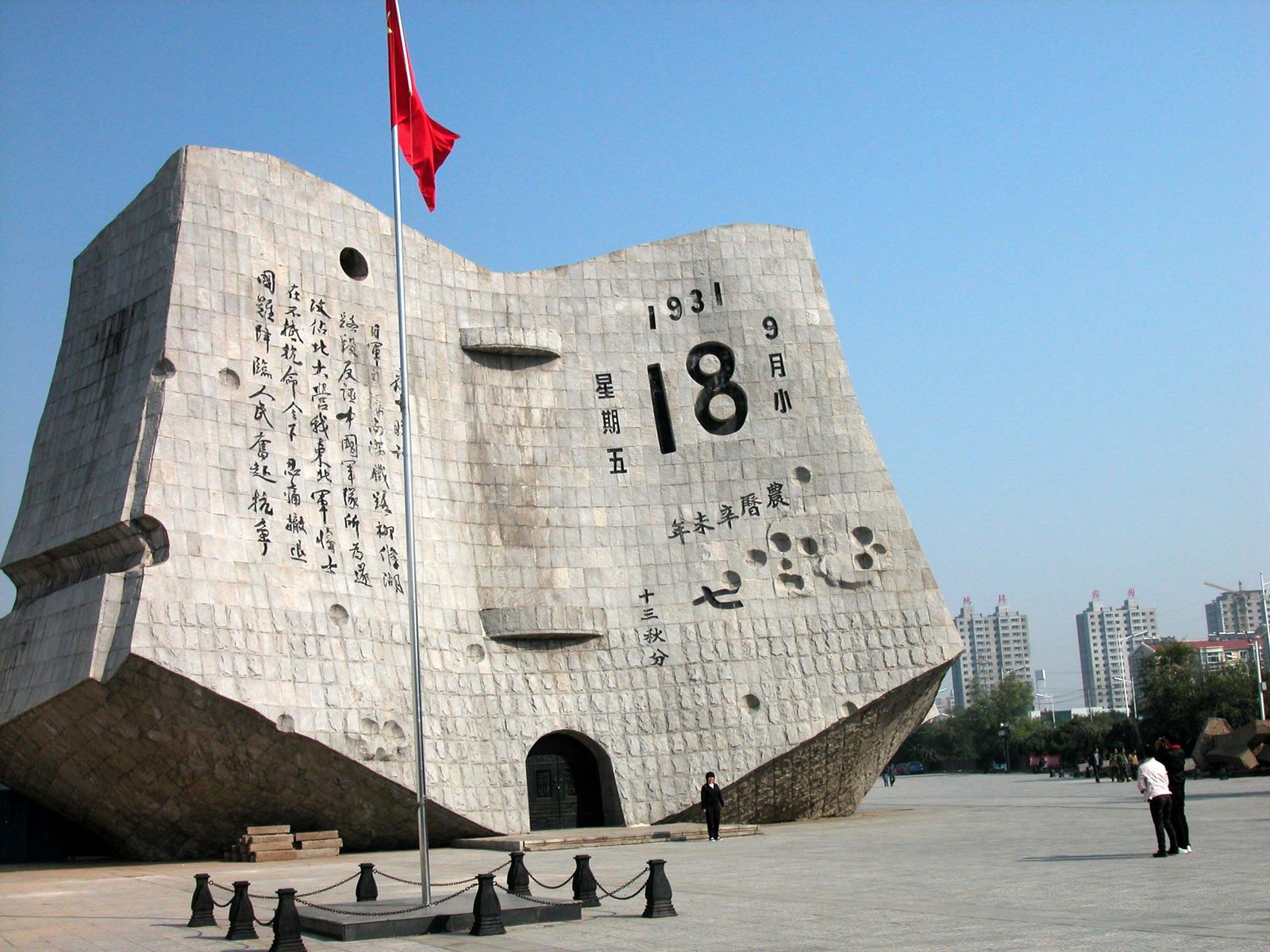
9.18 Historical Museum
AttractionA national-level museum built near the site of the incident; the Broken Calendar stele at the entrance is cast in the shape of a desk calendar for September 18, 1931, its body riddled with bullet marks, freezing in time the explosive night of the Liutiaohu Incident
 8
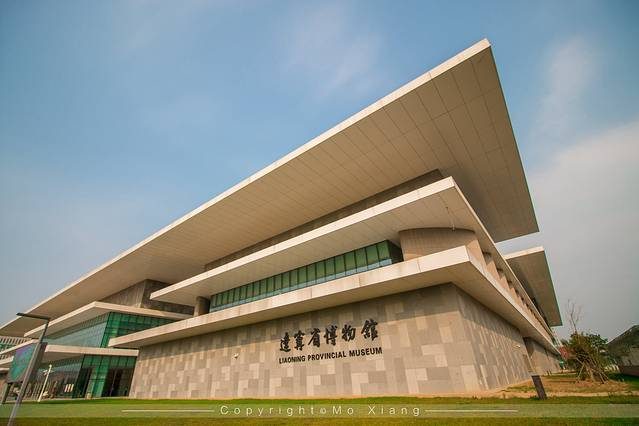
Liaoning Provincial Museum
AttractionFounded in 1949 as the first museum of New China, its collection is famed for masterpieces of Jin, Tang, Song and Yuan painting and calligraphy: “Ladies Adorning Their Hair with Flowers” (Zanhua Shinü Tu), attributed to Tang painter Zhou Fang; “Auspicious Cranes” (Ruihe Tu), painted personally by Emperor Huizong of Song, Zhao Ji; and “Prosperous Suzhou” (Gusu Fanhua Tu), a monumental scroll by Qing painter Xu Yang—all landmark works in the history of Chinese painting and calligraphy
 9
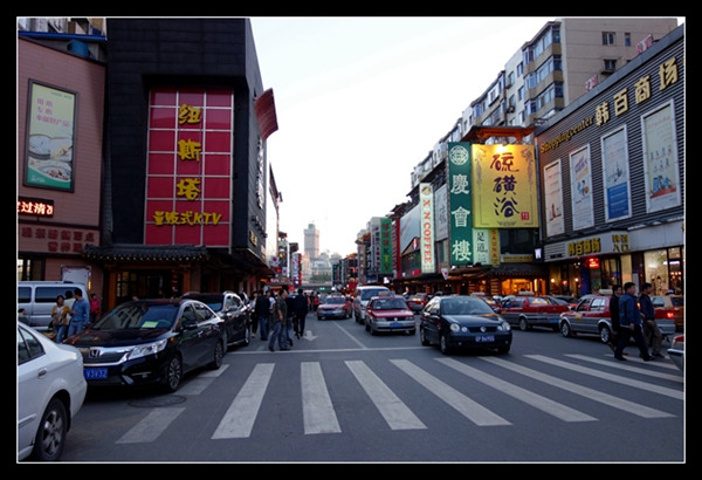
Xita Street (Korean Street)
AttractionThe largest Korean ethnic neighborhood in Northeast China, named after the white pagoda of Huguo Yanshou Temple (commonly known as Xita, “West Pagoda”) at the head of the street; it has been a street for over a hundred years
 10
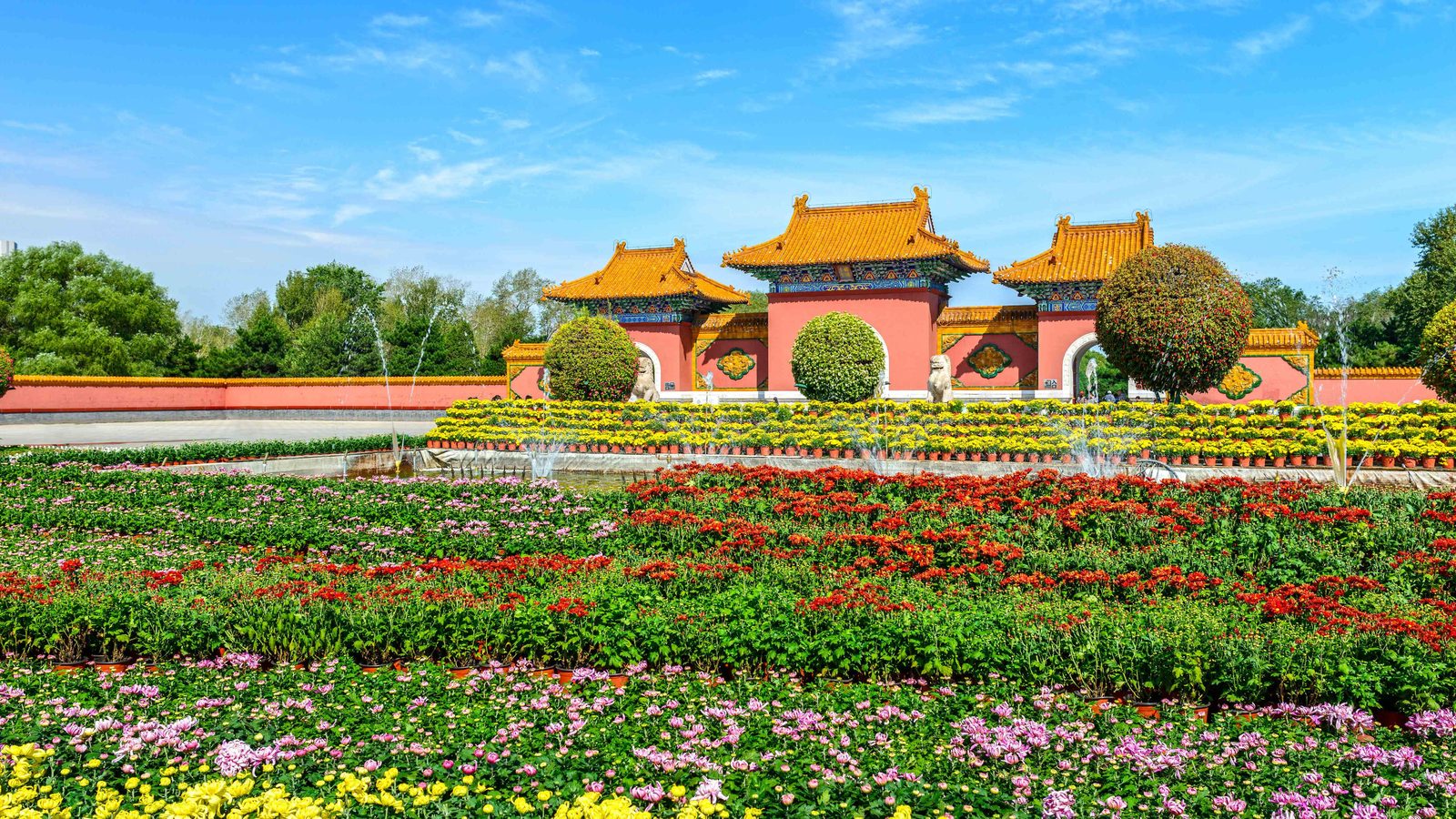
Qipanshan Scenic Area
AttractionA scenic area in the northeastern suburbs of Shenyang, named for the legend that immortals played chess here in the mountains; encircled by three mountains and one lake—Qipan Mountain, Hui Mountain, and Xiu Lake—it is known as Shenyang's back garden
 11
Xinle Site
AttractionA Neolithic settlement site from 7,200 years ago that gave its name to the Xinle Culture—the earliest known civilization remains in the Shenyang area
 12
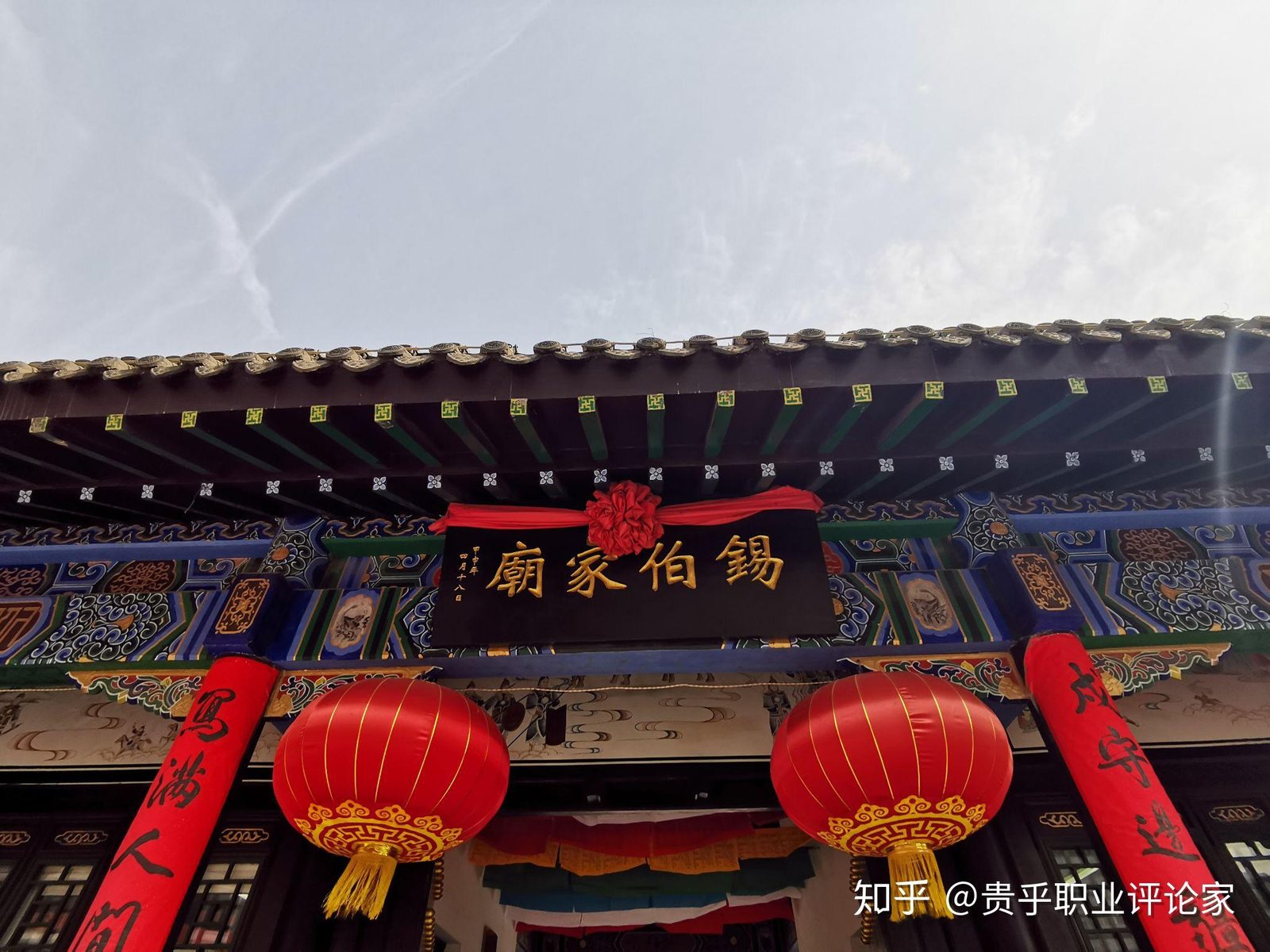
Xibe Ancestral Temple (Taiping Temple)
AttractionTaiping Temple, a Xibe ancestral temple built in 1769 during the Qianlong reign of the Qing Dynasty—the only Xibe ancestral temple in China
 13
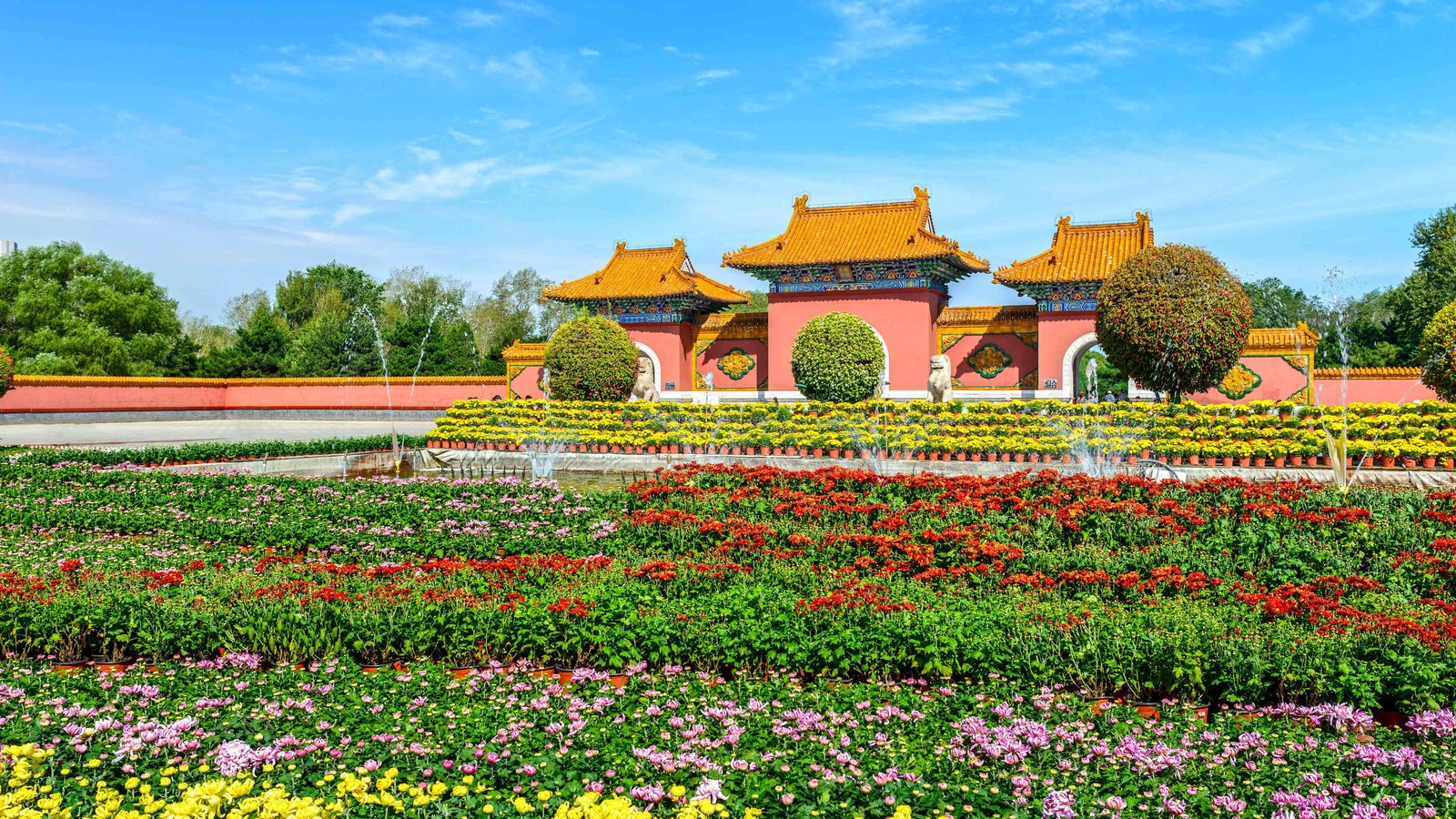
Kangping Wolong Lake · Faku
AttractionWolong Lake is Liaoning's largest plain freshwater lake, with vast open water and stretches of reed marshes; the January Winter Fishing Festival recreates traditional fishing—drilling through the ice and setting nets—and the first-fish auction is a lively spectacle
Want a custom Shenyang trip?
Tell us your dates — free draft plan within 24 hours.