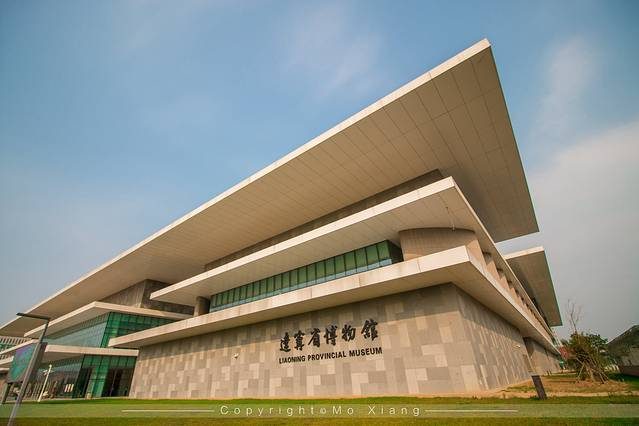
Liaoning Provincial Museum
Founded in 1949 as the first museum of New China, its collection is famed for masterpieces of Jin, Tang, Song and Yuan painting and calligraphy: “Ladies Adorning Their Hair with Flowers” (Zanhua Shinü Tu), attributed to Tang painter Zhou Fang; “Auspicious Cranes” (Ruihe Tu), painted personally by Emperor Huizong of Song, Zhao Ji; and “Prosperous Suzhou” (Gusu Fanhua Tu), a monumental scroll by Qing painter Xu Yang—all landmark works in the history of Chinese painting and calligraphy
Visitor info
- Opening hours
- 09:00-17:00 · Closed on Mondays
- Ticket
- Free (reservation required)
Price is indicative — final quote on inquiry.
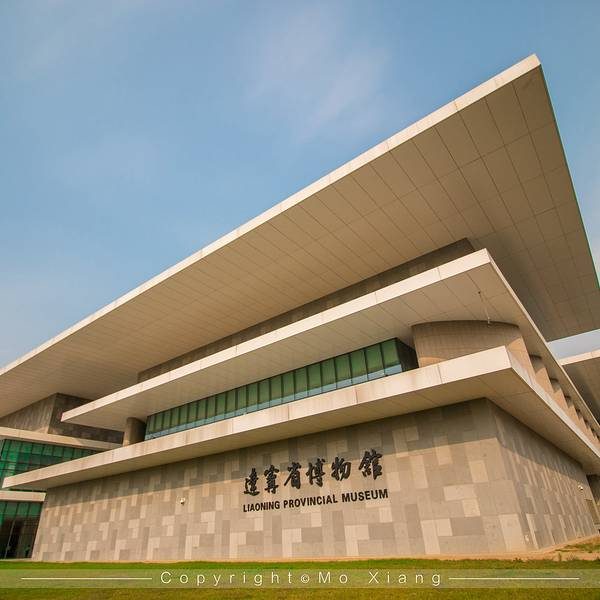
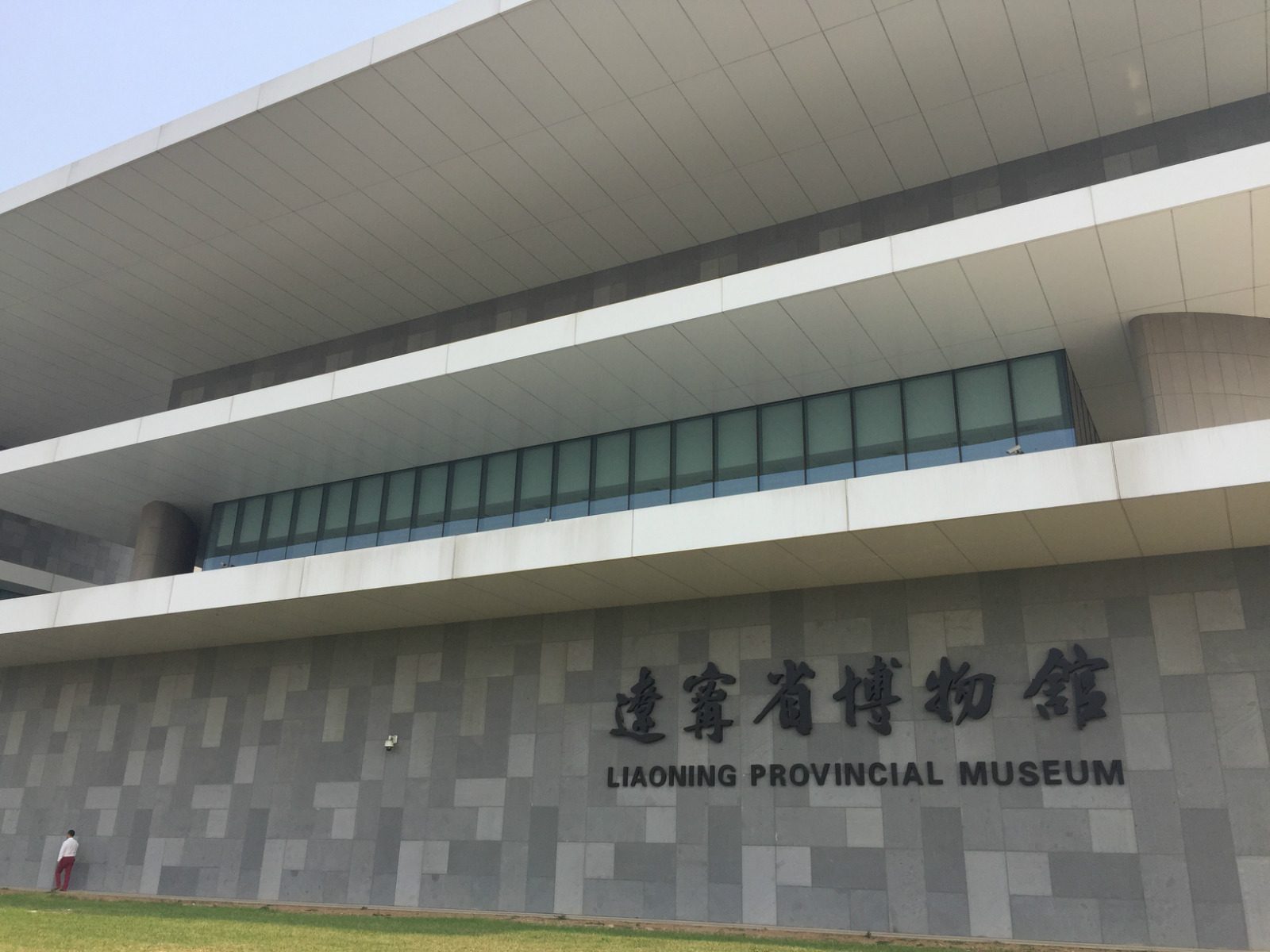
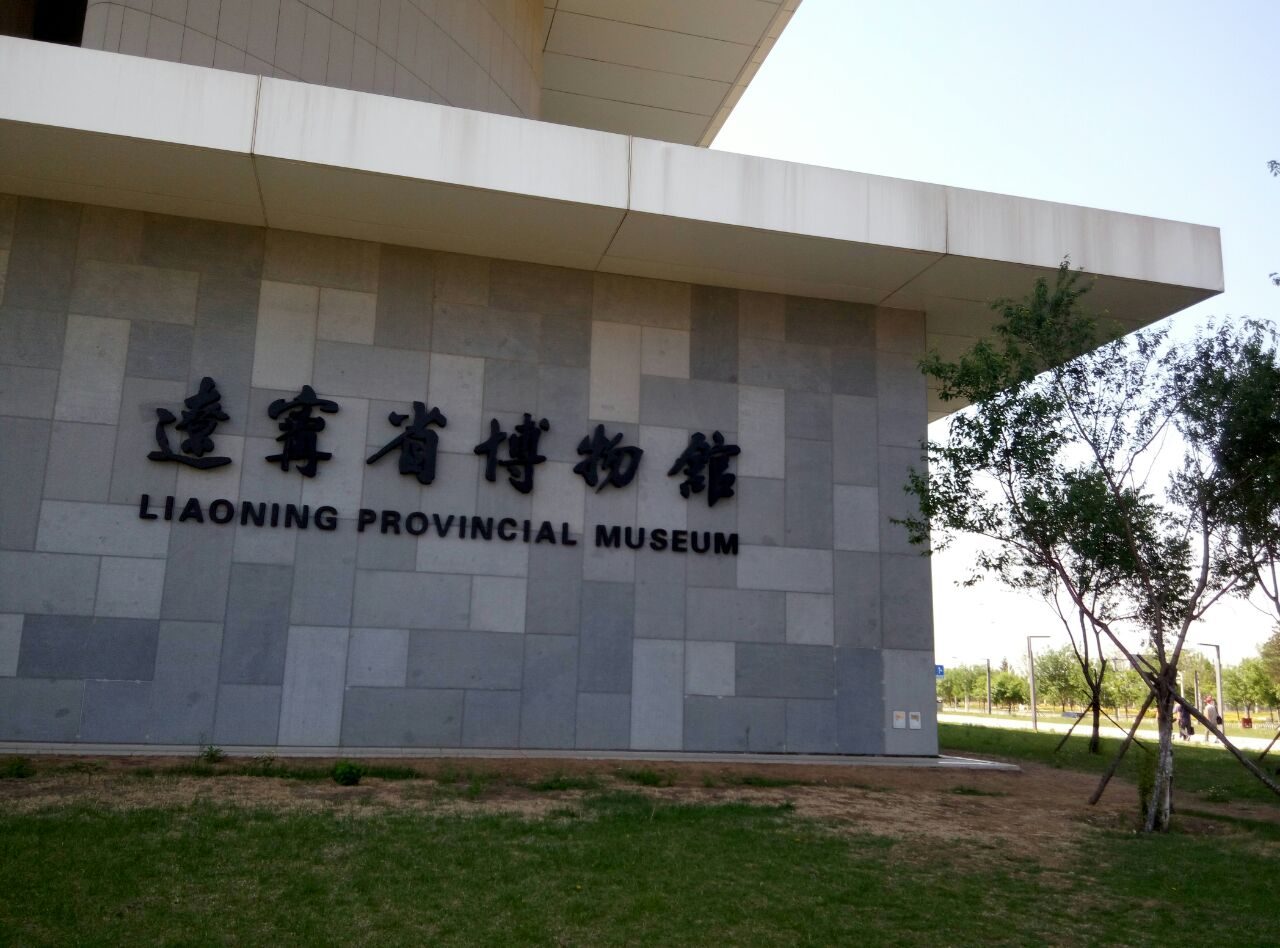
Founded in 1949 as the first museum of New China, its collection is celebrated for famous paintings and calligraphy of the Jin, Tang, Song and Yuan dynasties: “Ladies Adorning Their Hair with Flowers” (Zanhua Shinü Tu), attributed to Tang dynasty painter Zhou Fang; “Auspicious Cranes” (Ruihe Tu), painted personally by Emperor Huizong of Song, Zhao Ji; and “Prosperous Suzhou” (Gusu Fanhua Tu), a monumental scroll by Qing painter Xu Yang—all landmark works in the history of Chinese painting and calligraphy. The Liao dynasty artifacts are equally splendid: Khitan horse tack, Liao ceramics and Liao tomb murals recreate the aura of a steppe empire; its special displays of ancient maps are unique in the country. The new building is in Hunnan with spacious galleries; lovers of painting and calligraphy should plan at least half a day.
Getting there: Zhihui Avenue, Hunnan District
Photos
More in Shenyang
- Shenyang Imperial Palace (Mukden Palace)
The imperial palace begun in 1625 after Nurhaci of the Later Jin moved the capital to Shenyang (then named Shengjing) and completed under Hong Taiji; the most complete palace complex surviving in China after the Forbidden City in Beijing, inscribed as a World Heritage Site in 2004 as an extension of the Imperial Palaces of the Ming and Qing Dynasties
- Zhaoling Mausoleum (Beiling Park)
Tomb of Qing Taizong Hong Taiji and Empress Xiaoduanwen, begun in 1643; Shenyang's largest imperial tomb, inscribed on the World Heritage List together with Fuling as an extension project
- Fuling Tomb (Dongling Park)
Tomb of Qing Taizu Nurhaci, begun in 1629, facing the Hun River and backed by Tianzhu Mountain; inscribed on the World Heritage List as an extension project
- Marshal Zhang's Mansion Museum
Official residence and private home of Zhang Zuolin and his son Zhang Xueliang, built from 1914 and popularly known as “Dashuai Fu” (Grand Marshal's Mansion), arguably the stage on which half of Northeast China's modern history unfolded
- Shenyang Finance Museum
A finance-themed museum converted from the former Bianye Bank building, separated from Marshal Zhang's Mansion by just one wall and covered by a combo ticket
- Zhongjie Pedestrian Street
The “First Street of Northeast China” with over 380 years of history, formed alongside the city of Shengjing (old Shenyang) and one of China's earliest commercial streets, converted into a pedestrian street in 1997