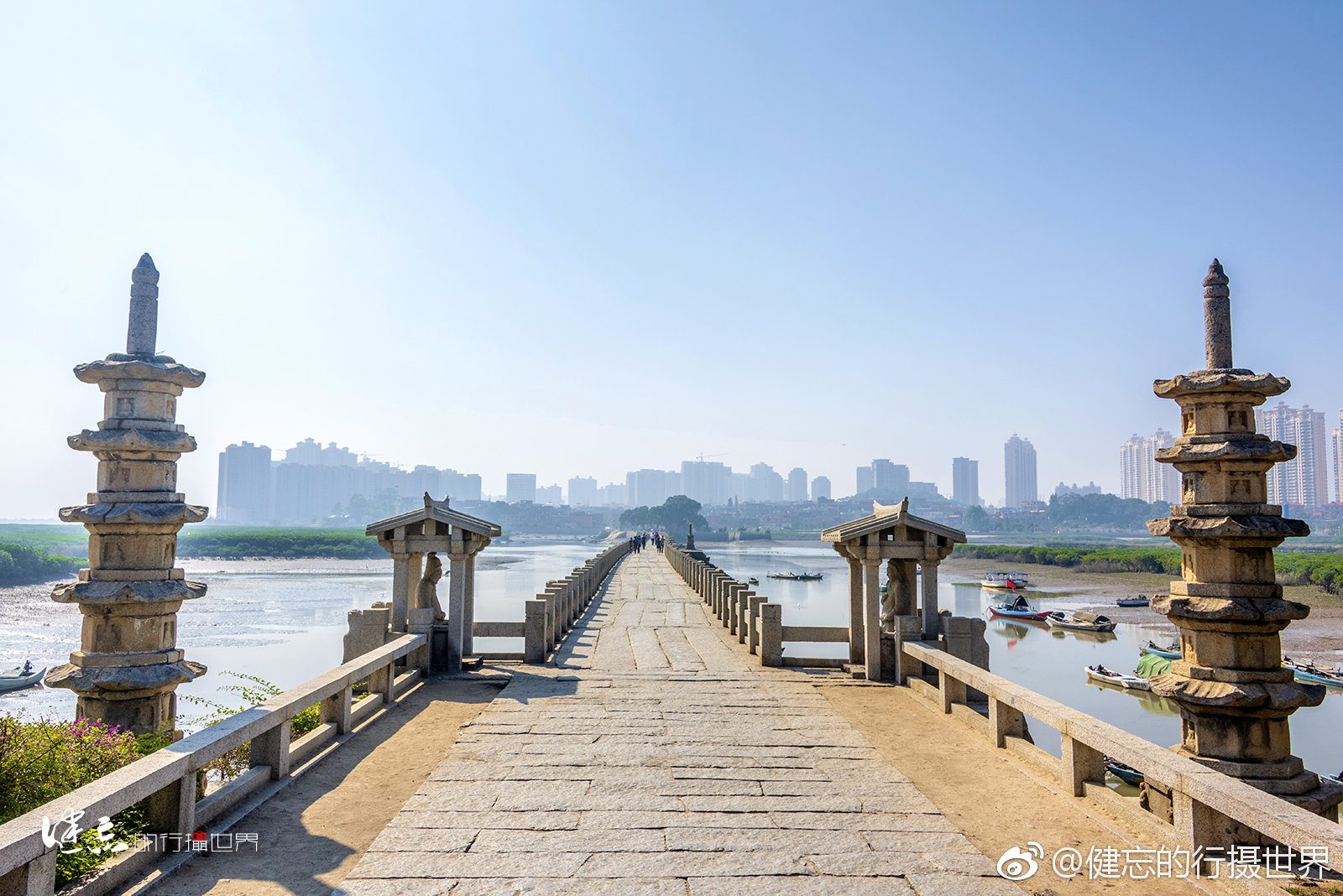
Luoyang Bridge
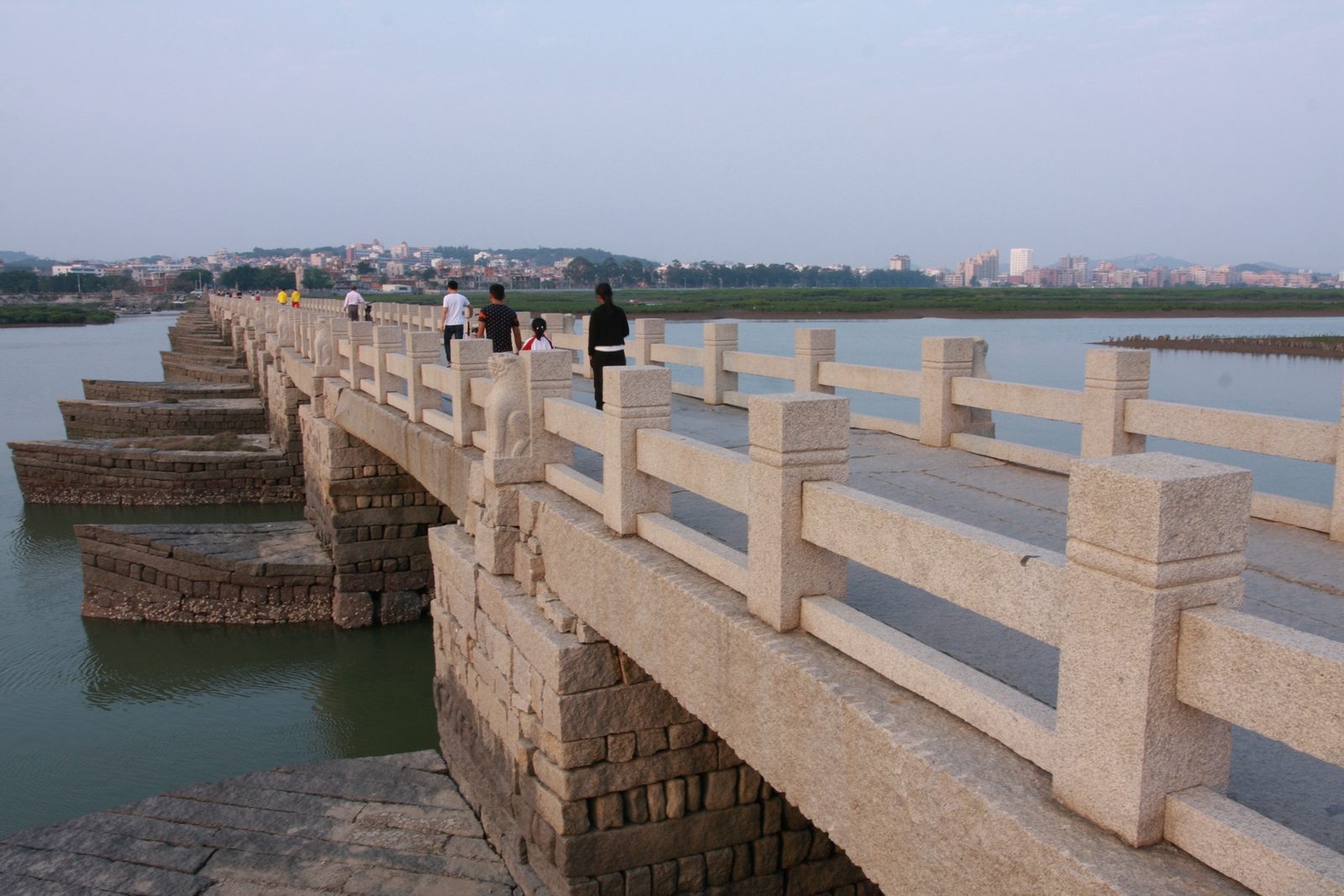
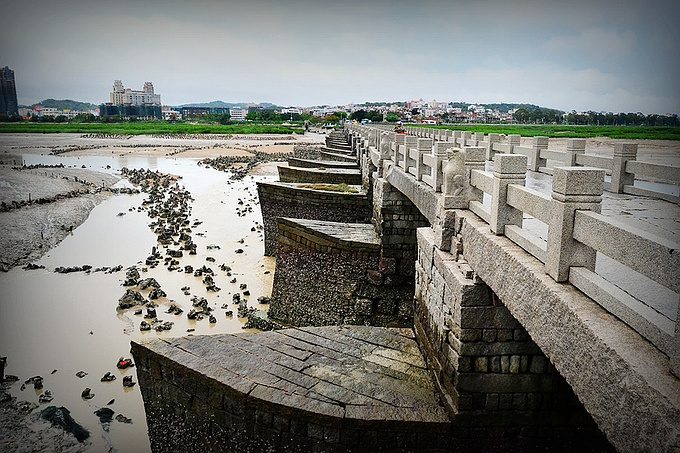
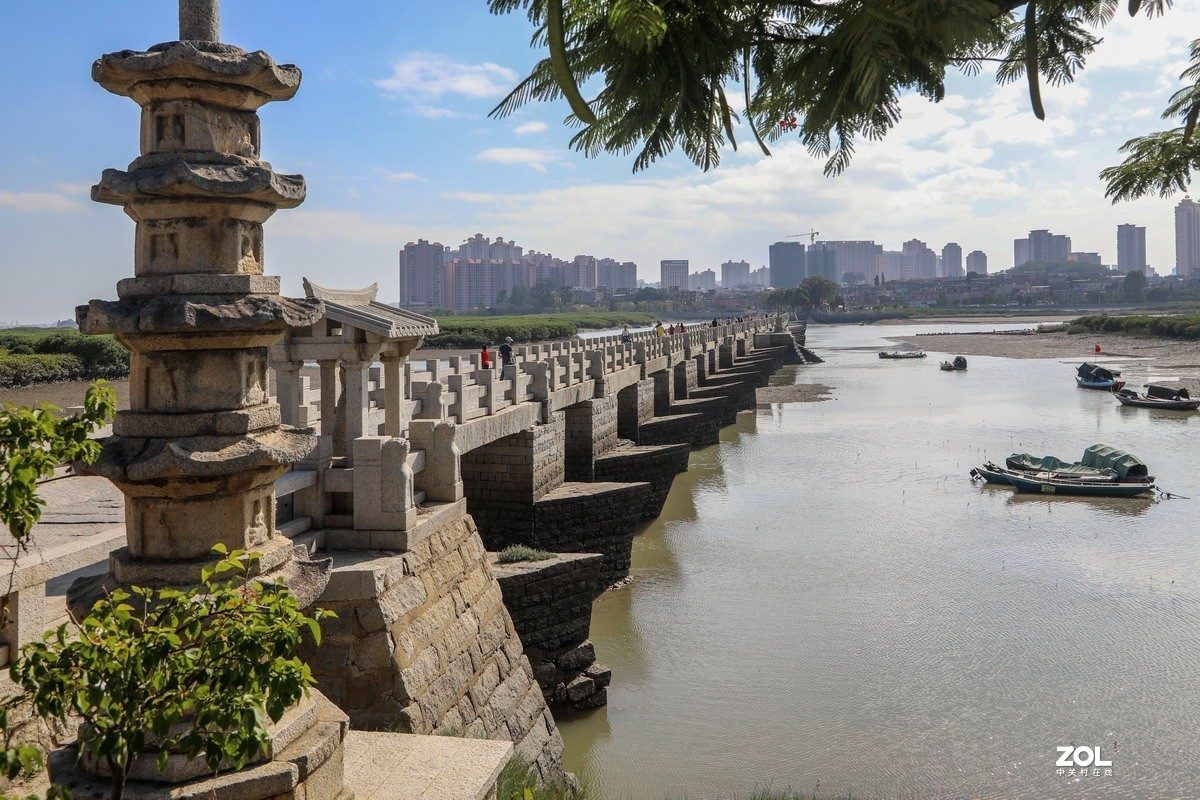
Originally named Wanan Bridge, it was built under the direction of Quanzhou prefect Cai Xiang during the Huangyou to Jiayou reign periods of the Northern Song (1053–1059); it is China's earliest surviving cross-sea beam-style stone bridge, pioneering the "raft-type foundation" and the "oyster-solidification method"—breeding oysters on the bridge foundations to secure the piers, a pioneering feat in world bridge history…
Visitor info
- Opening hours
- Open all day
- Ticket
- Free
Price is indicative — final quote on inquiry.
Originally named Wanan Bridge, it was built under the direction of Quanzhou prefect Cai Xiang during the Huangyou to Jiayou reign periods of the Northern Song (1053–1059); it is China's earliest surviving cross-sea beam-style stone bridge, pioneering the "raft-type foundation" and the "oyster-solidification method"—breeding oysters on the bridge foundations to secure the piers, a groundbreaking use of biological foundation-solidification in world bridge history. The bridge is over 800 meters long, with the Moonlight Bodhisattva Pagoda and stone stelae from successive dynasties standing along it. Egrets roost on the islet by the bridge; "when the tide comes, it surges like a thousand fathoms of snow" is a Song-dynasty verse written about it.
Getting there: Self-drive / bus, Luojiang District (approx. 15 km)
Photos
More in Quanzhou
- Kaiyuan Temple
Quanzhou's largest Buddhist temple, first built in the second year of the Tang Chuigong reign (686); legend holds that the temple was founded when its owner gave up his garden after a mulberry tree bloomed with white lotus flowers — hence the "Purple Clouds Covering the Ground" legend
- West Street
Quanzhou's earliest developed district, born with the founding of the city in the Tang Kaiyuan era; for 1,300 years it has remained the lively central axis of the old town
- Qingjing Mosque
One of China's oldest surviving mosques, founded in 1009 (the second year of the Dazhong Xiangfu reign, Northern Song) by Muslim merchant guilds from Arabia; its Arabic name was "Ashab Mosque". The granite-built gateway and the surviving pillars of the Fengtian altar still echo the style of the Great Mosque of Damascus in Syria.
- Tianhou Palace
One of the starting points from which the Mazu faith spread to the world: built in 1196 (the second year of the Qingyuan reign, Southern Song), it is one of the oldest Mazu temples still standing.
- Confucian Temple (Fuwenmiao)
Quanzhou's prefectural Confucian temple, first built in the Tang dynasty and rebuilt in the Southern Song; its Dacheng Hall is one of the largest surviving Confucian temple halls in Jiangnan (south of the Yangtze), with a double-eaved hip roof and Song-style dougong brackets well preserved.
- Tonghuai Guanyue Temple (Temple of Guan Yu and Yue Fei)
The busiest Guandi (Lord Guan) temple in southern Fujian by incense traffic; its Ming-dynasty complex consists of a front hall, the Sanyi Hall and a rear hall, with worshippers pouring in all day.