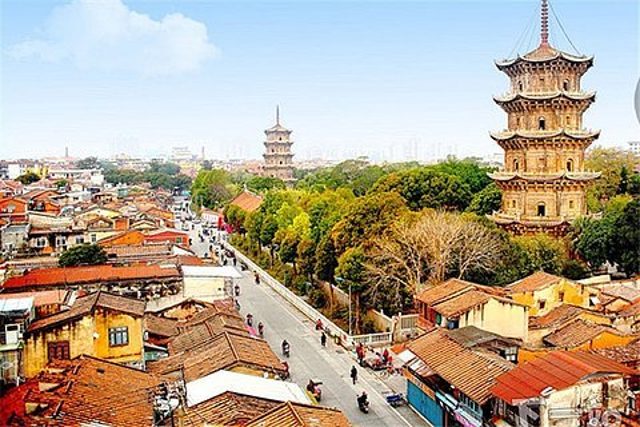
Meizhou Island (Mazu Ancestral Temple)
Birthplace of the Mazu faith: In the Song Dynasty, Lin Moniang of Meizhou rose from human to goddess; hundreds of millions of Mazu devotees worldwide revere the Meizhou Ancestral Temple as the ancestral home
Visitor info
- Opening hours
- 08:00-18:00
- Ticket
- Island entry CNY 65 + ferry ticket
Price is indicative — final quote on inquiry.
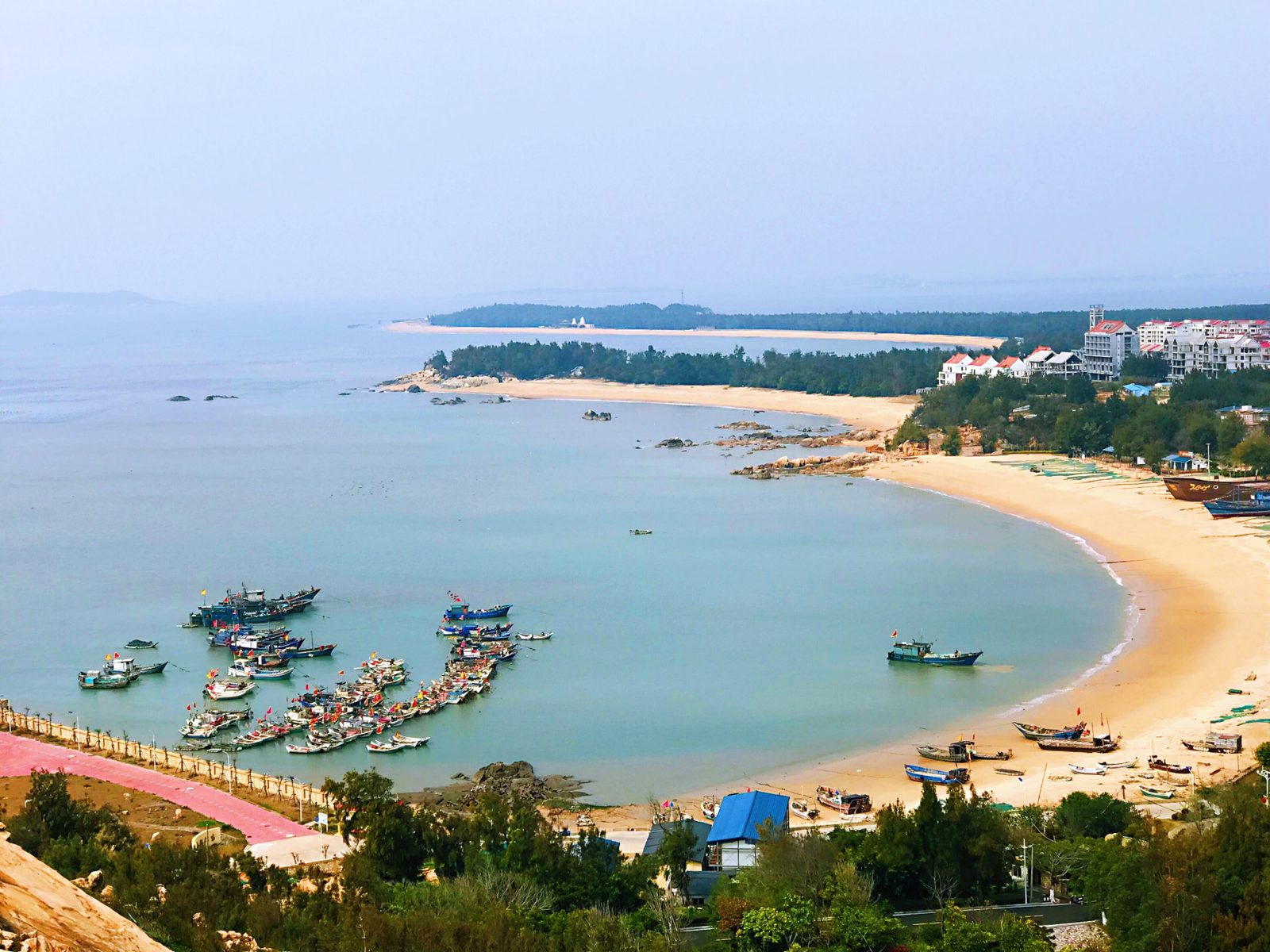
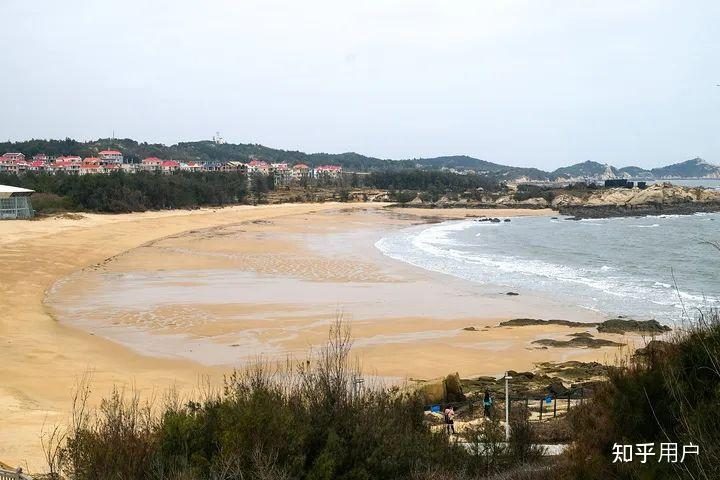
Birthplace of the Mazu faith: In the Song Dynasty, Lin Moniang of Meizhou rose from human to goddess; hundreds of millions of Mazu devotees worldwide revere the Meizhou Ancestral Temple as their ancestral home. The temple is built against the mountainside with halls rising in layers, and the temple fair on the 23rd day of the third lunar month, Mazu's birthday, draws throngs of worshippers, with Taiwanese pilgrims coming in groups — an important bond of cross-strait exchange. In Mazu Culture Park, a 14.35-meter stone statue faces the strait, while Golden Beach and E'wei Mountain Geopark complete the island's leisure circuit.
Getting there: Ferry from Putian Wenjia Wharf (approx. 180km)
Photos
More in Quanzhou
- Kaiyuan Temple
Quanzhou's largest Buddhist temple, first built in the second year of the Tang Chuigong reign (686); legend holds that the temple was founded when its owner gave up his garden after a mulberry tree bloomed with white lotus flowers — hence the "Purple Clouds Covering the Ground" legend
- West Street
Quanzhou's earliest developed district, born with the founding of the city in the Tang Kaiyuan era; for 1,300 years it has remained the lively central axis of the old town
- Qingjing Mosque
One of China's oldest surviving mosques, founded in 1009 (the second year of the Dazhong Xiangfu reign, Northern Song) by Muslim merchant guilds from Arabia; its Arabic name was "Ashab Mosque". The granite-built gateway and the surviving pillars of the Fengtian altar still echo the style of the Great Mosque of Damascus in Syria.
- Tianhou Palace
One of the starting points from which the Mazu faith spread to the world: built in 1196 (the second year of the Qingyuan reign, Southern Song), it is one of the oldest Mazu temples still standing.
- Confucian Temple (Fuwenmiao)
Quanzhou's prefectural Confucian temple, first built in the Tang dynasty and rebuilt in the Southern Song; its Dacheng Hall is one of the largest surviving Confucian temple halls in Jiangnan (south of the Yangtze), with a double-eaved hip roof and Song-style dougong brackets well preserved.
- Tonghuai Guanyue Temple (Temple of Guan Yu and Yue Fei)
The busiest Guandi (Lord Guan) temple in southern Fujian by incense traffic; its Ming-dynasty complex consists of a front hall, the Sanyi Hall and a rear hall, with worshippers pouring in all day.