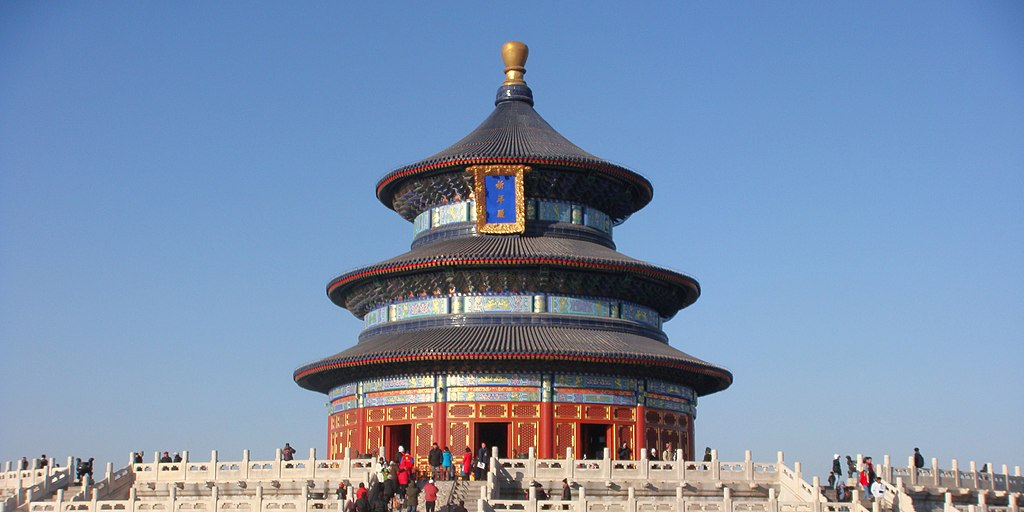
Temple of Heaven
Where emperors prayed for harvest; morning tai chi in the cypress park.
Visitor info
- Opening hours
- 06:00-22:00 park
- Ticket
- 34 CNY park + 20 CNY halls
- Suggested visit
- 2 hours
Price is indicative — final quote on inquiry.
Why it's worth it
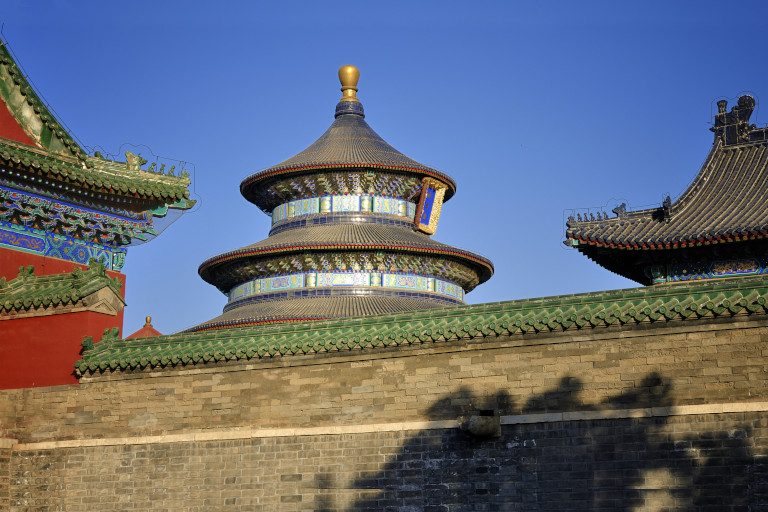
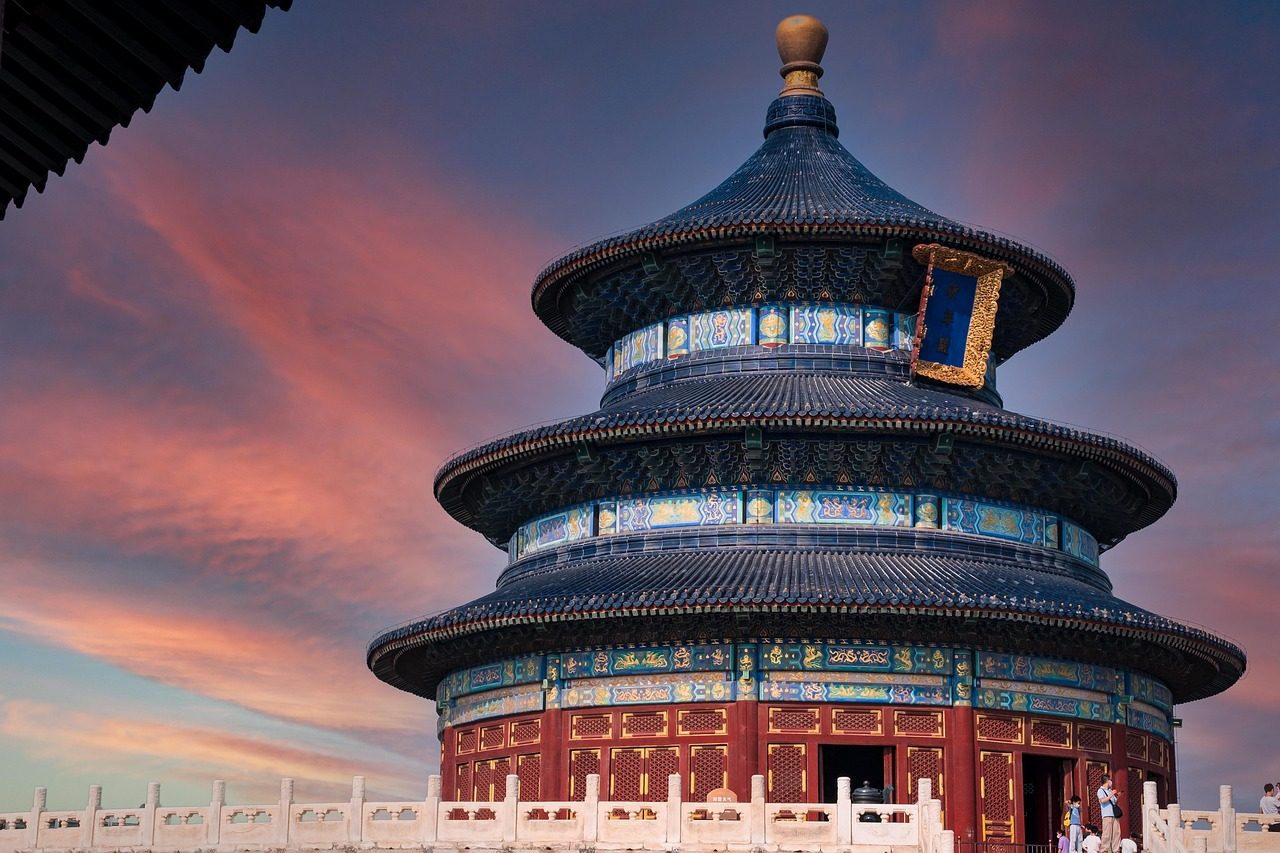
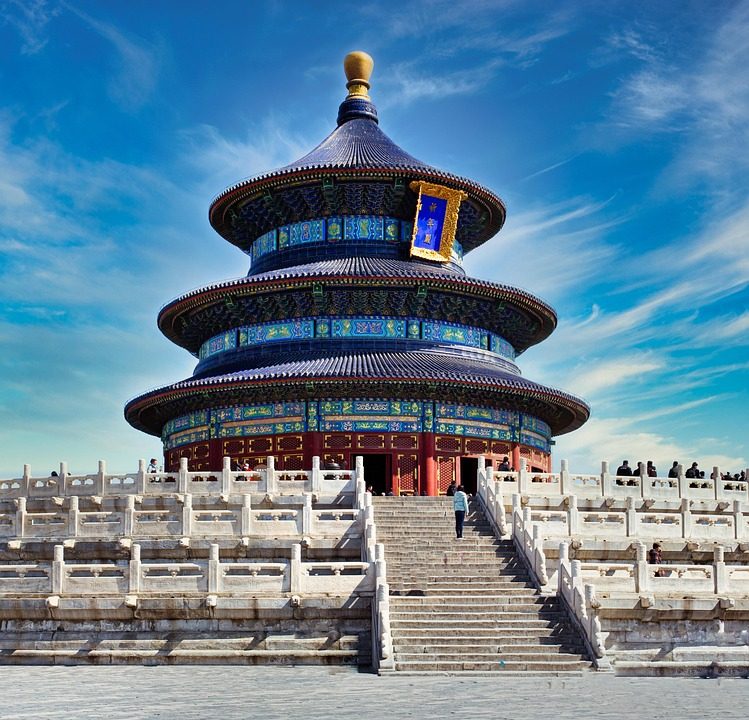
Where Ming and Qing emperors twice a year prayed for good harvests — the 1420 compound is geometry as theology: round halls on square bases under triple-eaved blue roofs, all aligned to draw heaven down to earth.
Don't miss
- Hall of Prayer for Good Harvests — the 38-metre wooden tower, built without a single nail
- The Echo Wall and the bare marble Circular Mound at the southern end
- Early morning in the park: locals doing taichi, sword dance and water calligraphy — free theatre
Getting there
Metro Line 5 to Tiantan Dongmen (East Gate), Exit A. Enter from the east, walk west through the park to the halls, exit via the south gate.
Tips
- The park itself is cheap or free at dawn; the inner halls need a through-ticket — buy the combo
- The park is huge; allow 2 hours with halls, more if you linger with the morning crowds
- Retirees set up chorus groups and chess games from 7am — the compound is a living public space, not just a monument
Photos
More in Beijing
- Summer Palace
Kunming Lake, the Long Corridor and Marble Boat of the imperial resort.
- The Forbidden City
The world's largest palace complex, 9,999 rooms of Ming and Qing emperors.
- Mutianyu Great Wall
The restored, less-crowded Great Wall section with a toboggan descent.
- Tiananmen Square
One of the world's largest city squares, about 880 m long north to south and able to hold a million people—the core space of Beijing's Central Axis: the founding ceremony of the PRC was held here on October 1, 1949; the Monument to the People's Heroes stands at the center, the Great Hall of the People on the west, and on the east the China...
- The Palace Museum (Forbidden City)
Completed in the 18th year of Ming Yongle (1420), the imperial palace where 24 emperors of the Ming and Qing dynasties lived and ruled, formerly the Forbidden City: covering 720,000 sq m with over 8,700 rooms, the world's largest and best-preserved wooden palace complex
- Jingshan Park
A small hill park directly facing the Forbidden City's Shenwu Gate, built in the Ming Wanli era from moat-digging earth and palace rubble, formerly Coal Hill: Wanchun Pavilion on the central peak is the high point of Beijing's Central Axis—the only vantage for a panorama of the Forbidden City's golden roofs, looking south to the palace and north to the Bell and Drum Towers