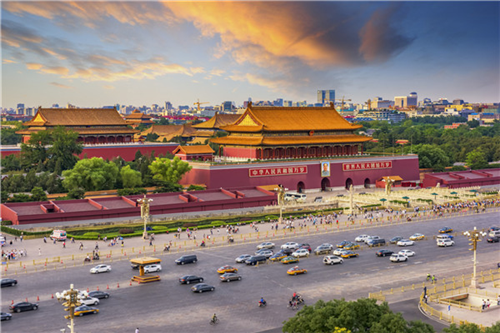
Beijing 北京
Imperial capital: the Forbidden City, Great Wall and hutong courtyards.
- Best season
- Sep-Oct (crisp autumn) and Apr-May
- Getting in
- PEK Capital or PKX Daxing; high-speed rail hub
Why Beijing
Imperial core: Forbidden City, Great Wall day trips, hutong breakfasts and the country's best duck.
Best season
Mar-May and Sep-Nov
Getting in
PEK/DAX international airports; HSR to Shanghai in 4.5h
First-timer's route
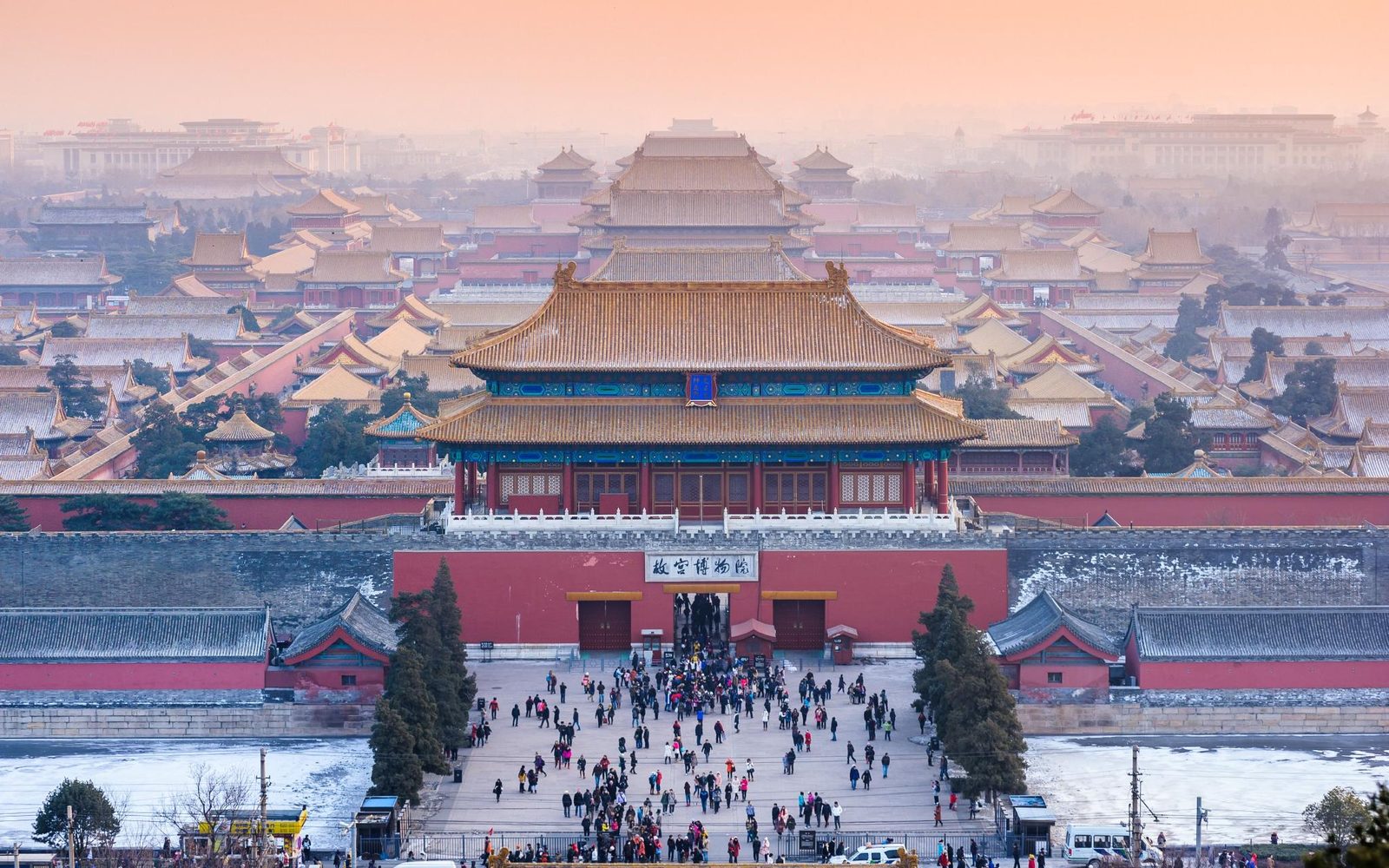
- Day 1: The imperial axis — Tiananmen Square early, Forbidden City (book ahead), then Jingshan Park's panorama and the hutongs around Nanluoguxiang
- Day 2: Mutianyu Great Wall with a driver or tourist bus; collapse into Peking duck afterwards
- Day 3: Temple of Heaven at opening with the morning exercisers, then Qianmen and the Dashilan lanes, evening at the lakes (Houhai)
- Day 4 (if you have it): Summer Palace morning, 798 Art District afternoon
Getting around
The metro covers everything and English signage is universal; use Alipay or WeChat transit QR codes instead of a physical card. DiDi rides are cheap and legible in-app. Avoid rush hours (7:30-9:00, 17:30-19:00) with luggage — stations get sardine-dense.
Top things to do in Beijing
Ranked picks — headline sights first, with tickets and timing at a glance.
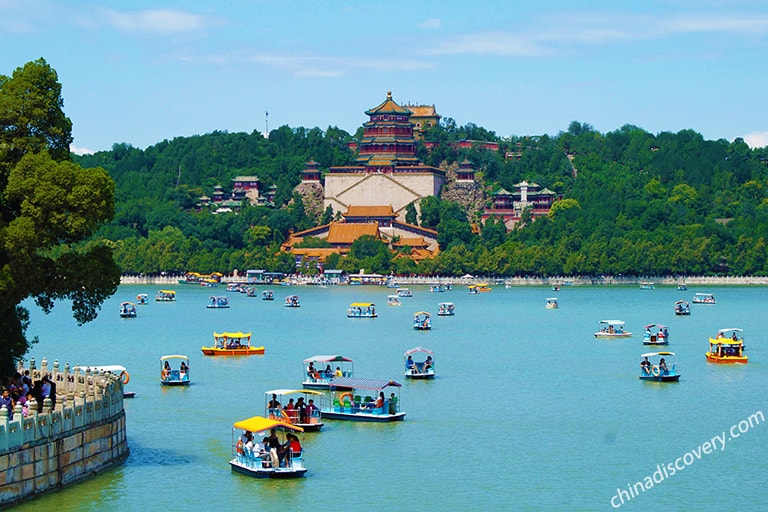 1
Summer Palace
AttractionKunming Lake, the Long Corridor and Marble Boat of the imperial resort.
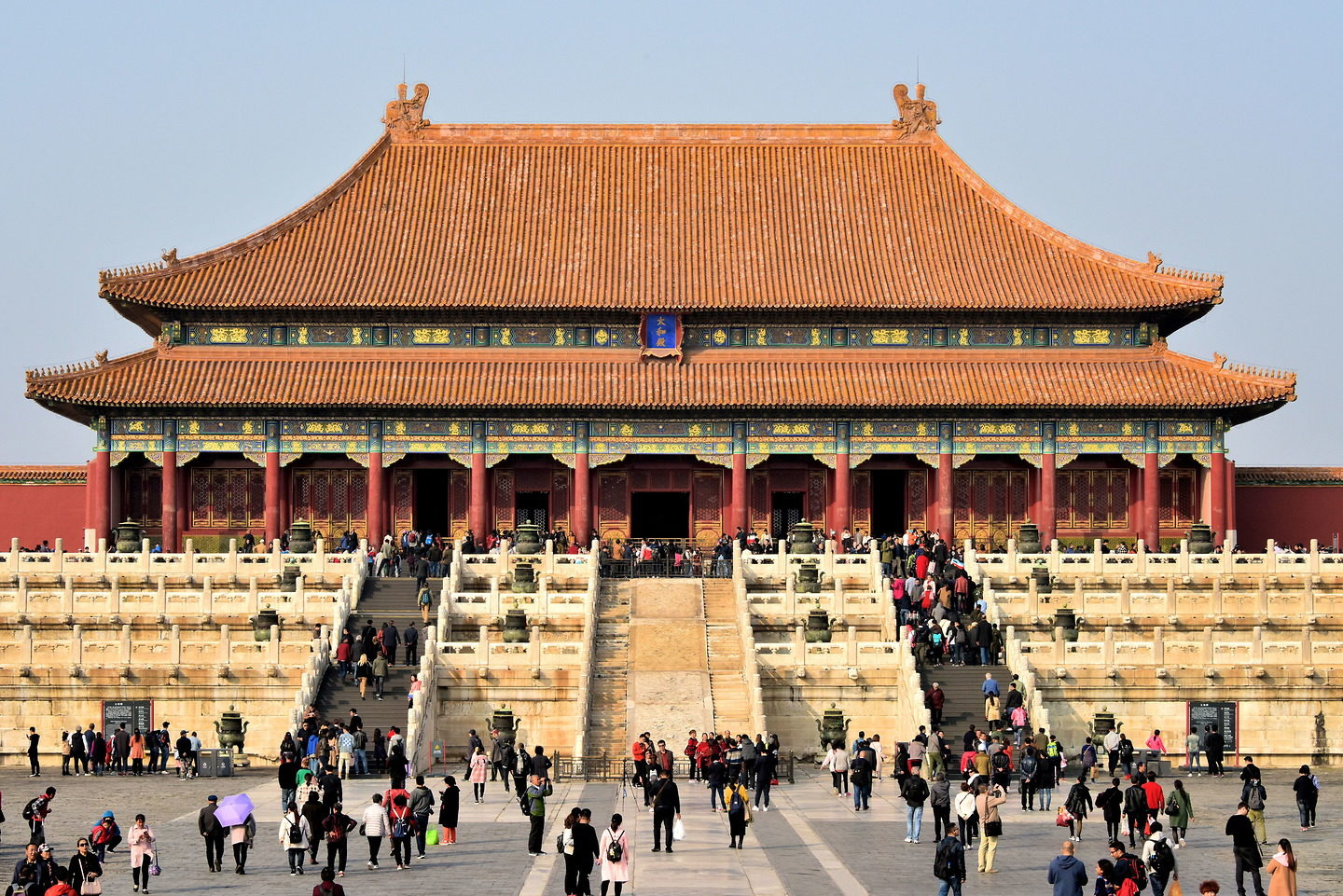 2
The Forbidden City
AttractionThe world's largest palace complex, 9,999 rooms of Ming and Qing emperors.
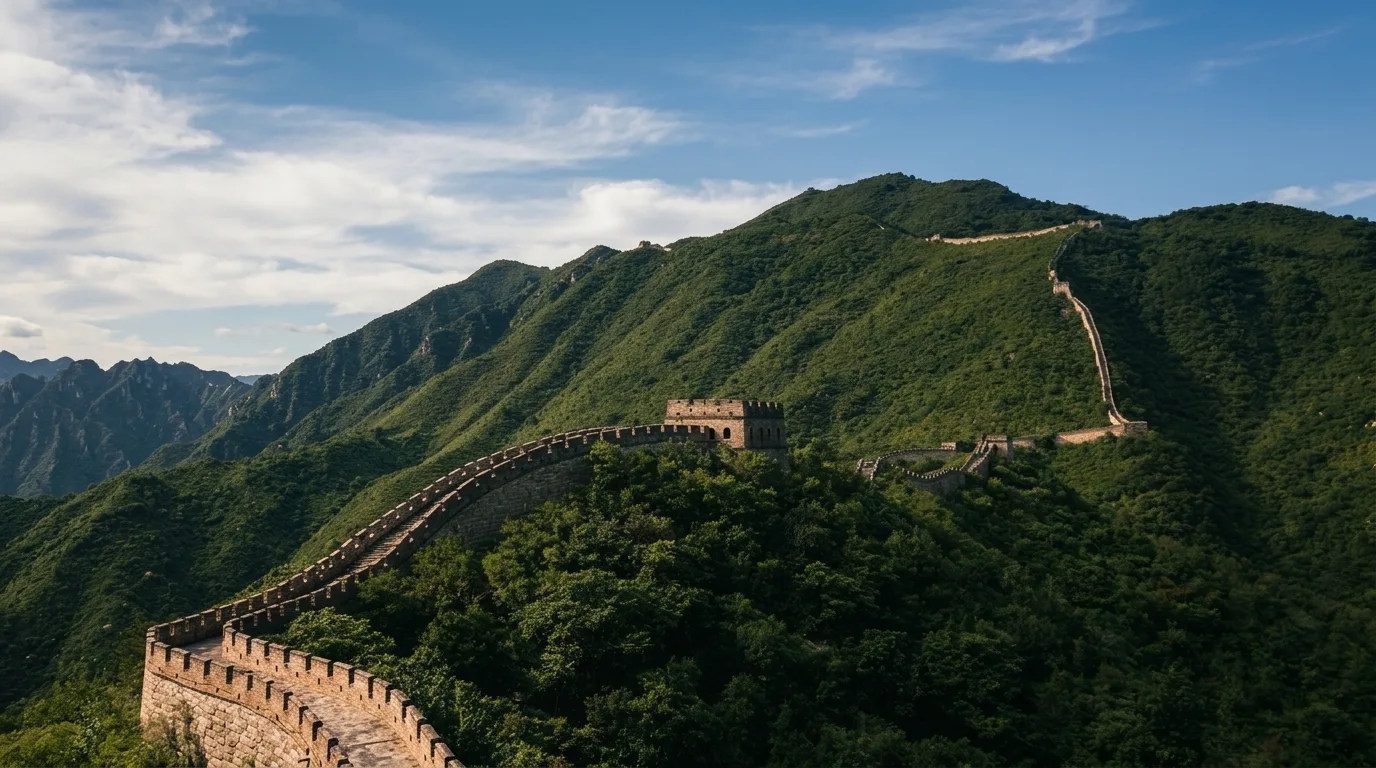 3
Mutianyu Great Wall
AttractionThe restored, less-crowded Great Wall section with a toboggan descent.
 4
Temple of Heaven
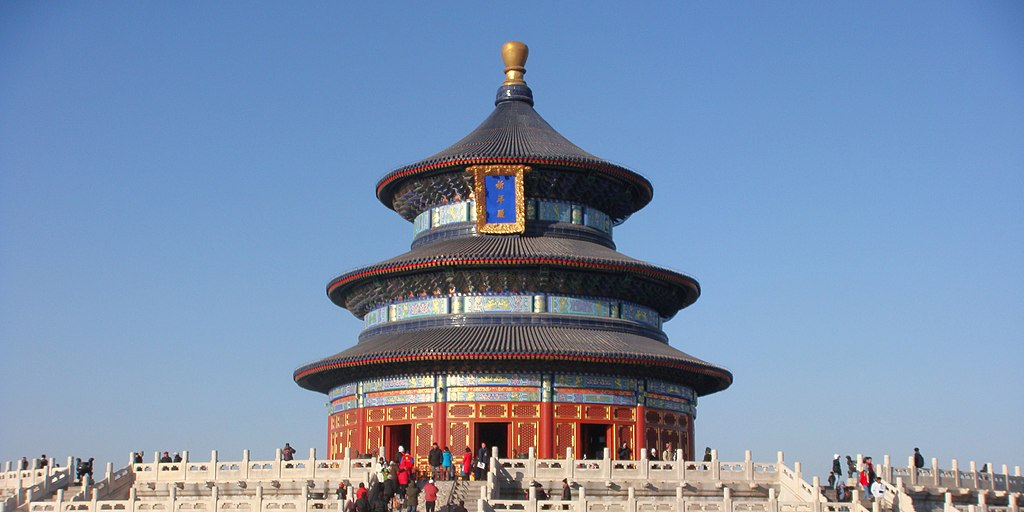
AttractionWhere emperors prayed for harvest; morning tai chi in the cypress park.
 5
Tiananmen Square
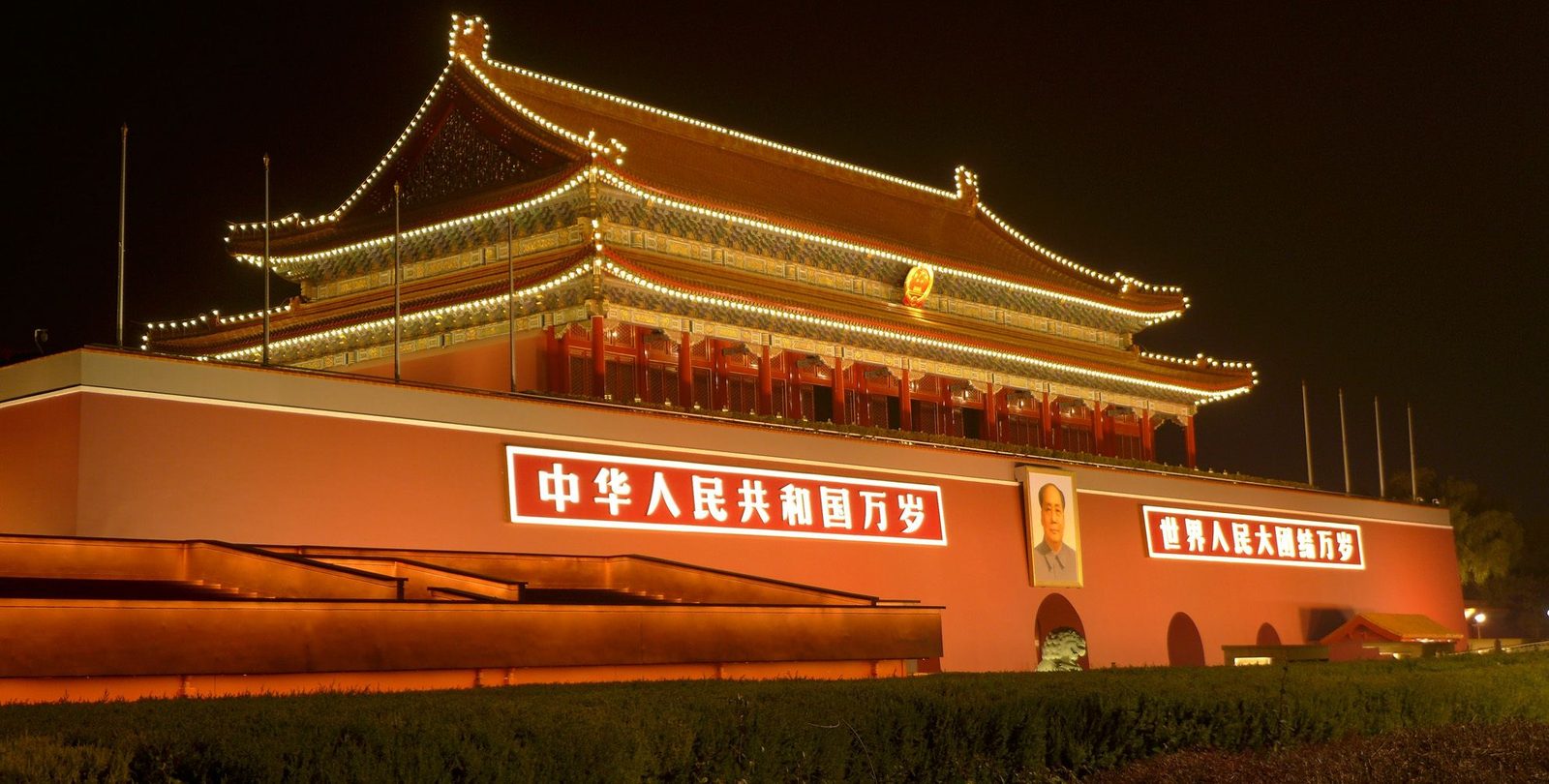
AttractionOne of the world's largest city squares, about 880 m long north to south and able to hold a million people—the core space of Beijing's Central Axis: the founding ceremony of the PRC was held here on October 1, 1949; the Monument to the People's Heroes stands at the center, the Great Hall of the People on the west, and on the east the China...
 6
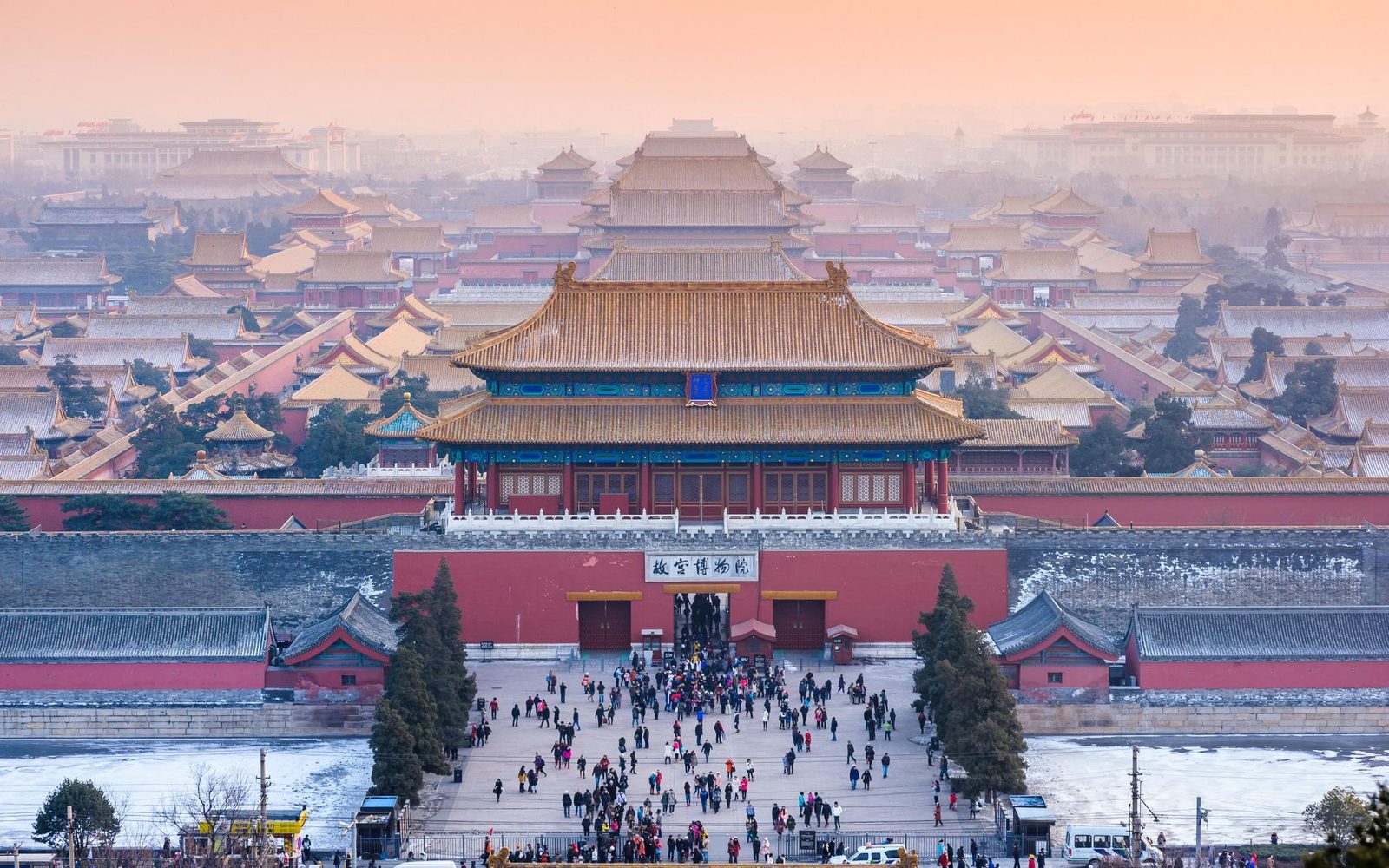
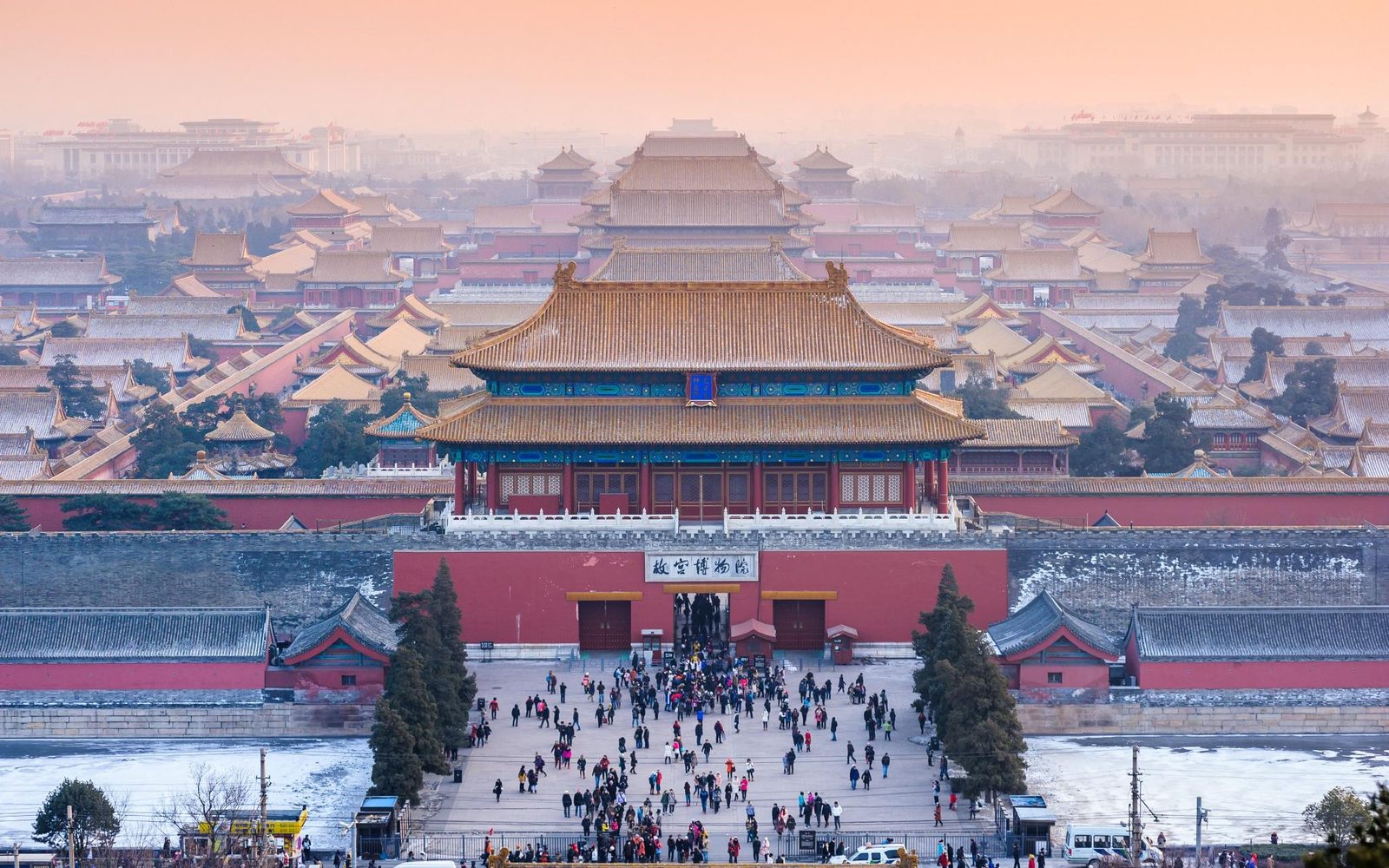
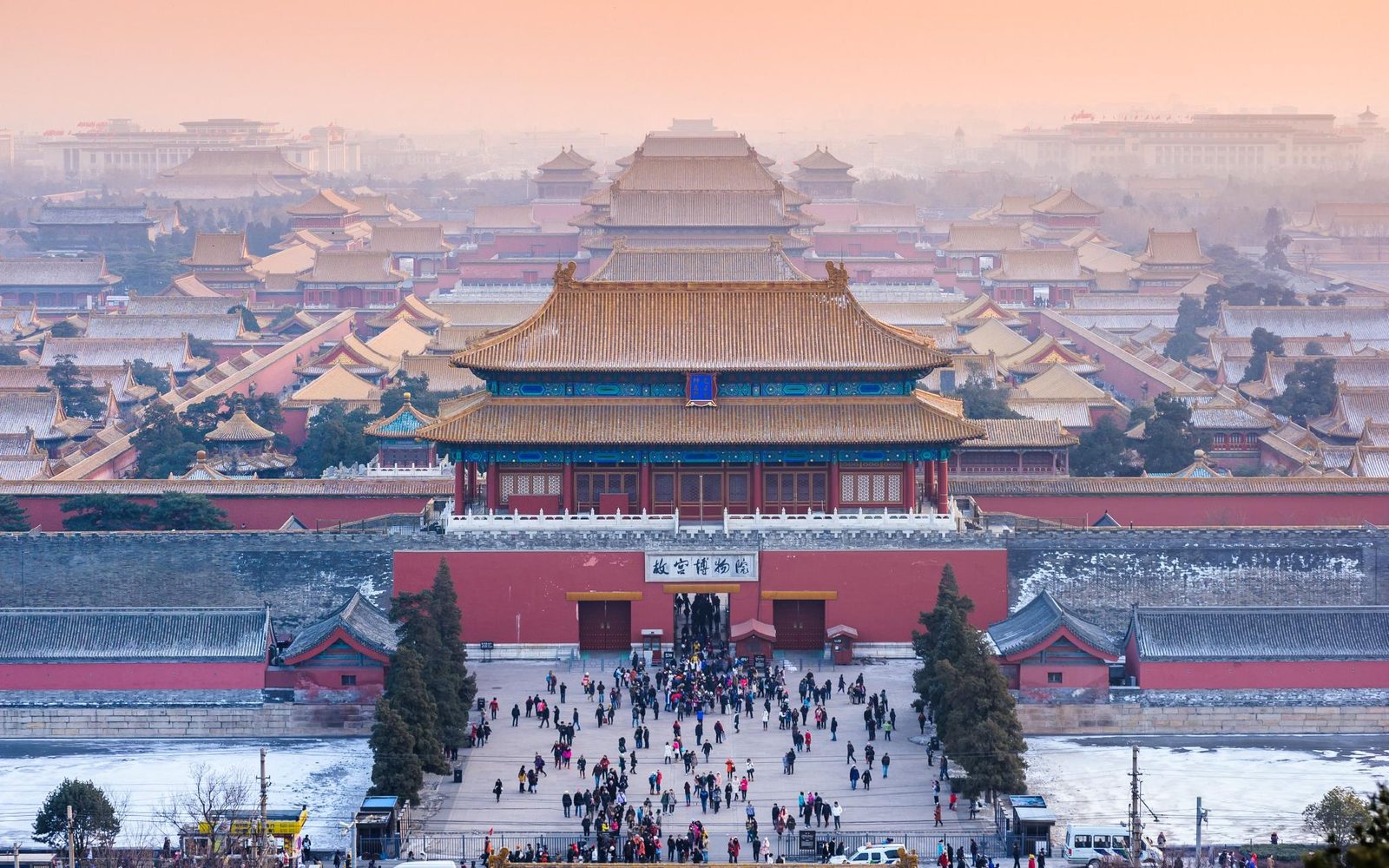
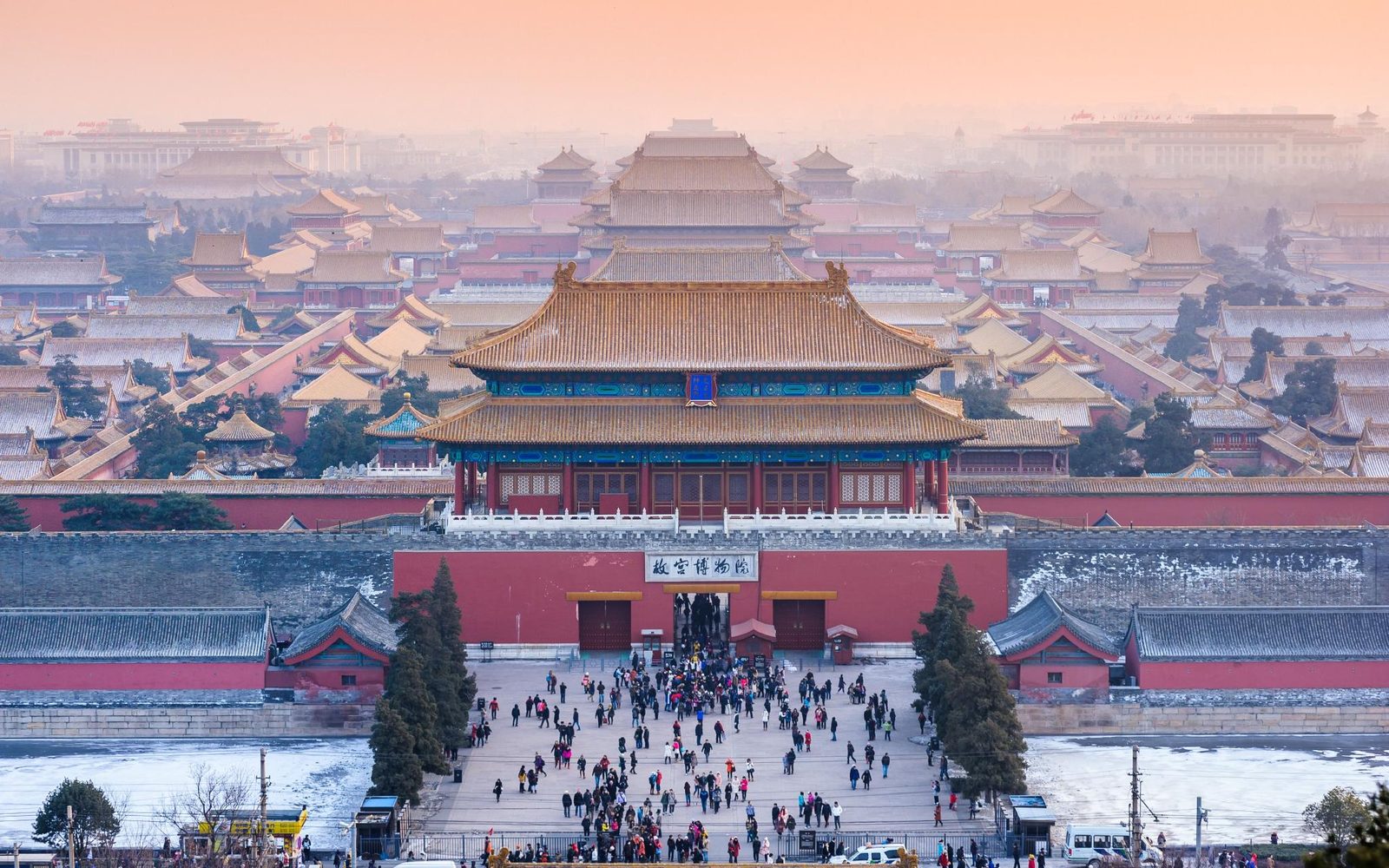
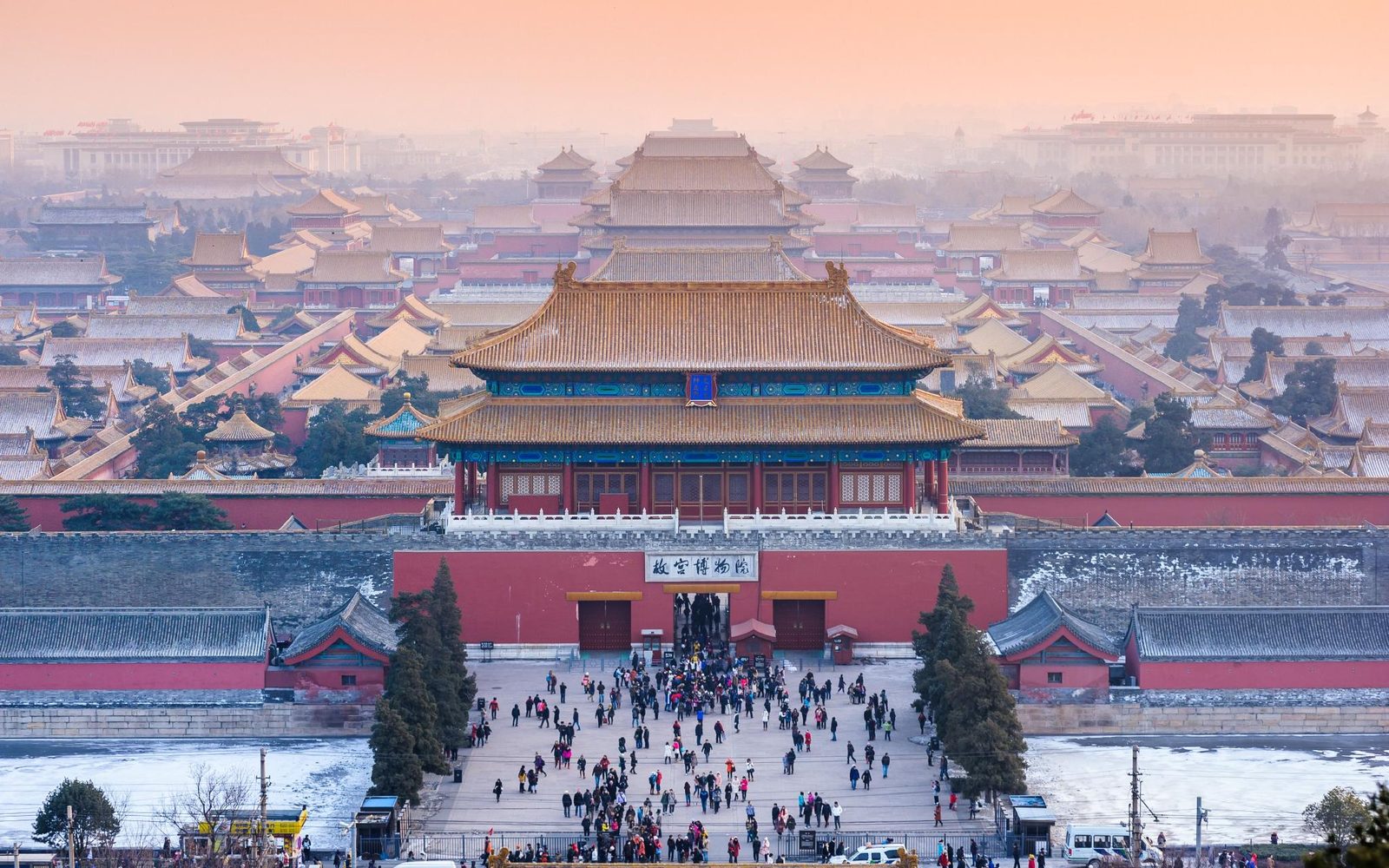
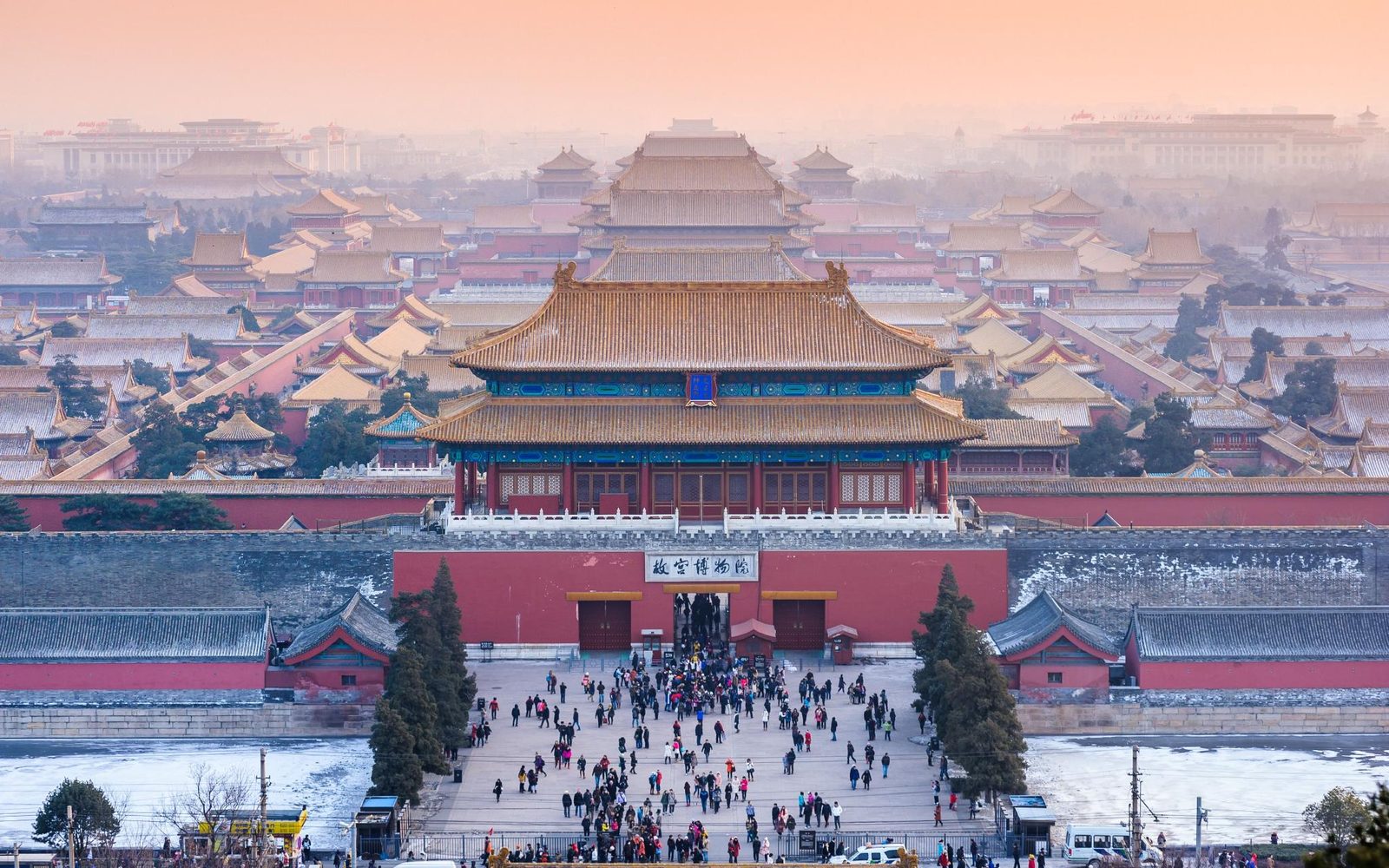
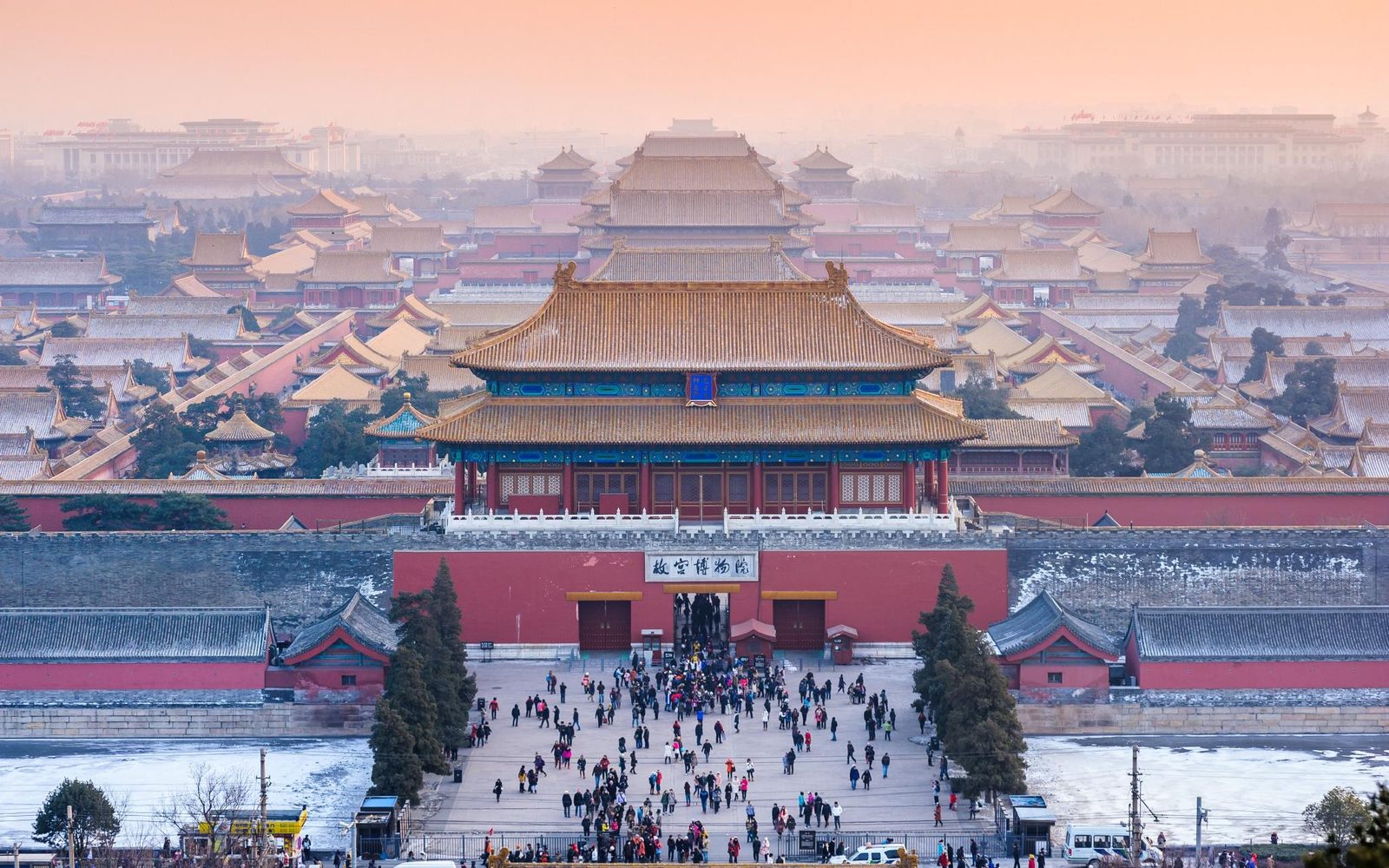
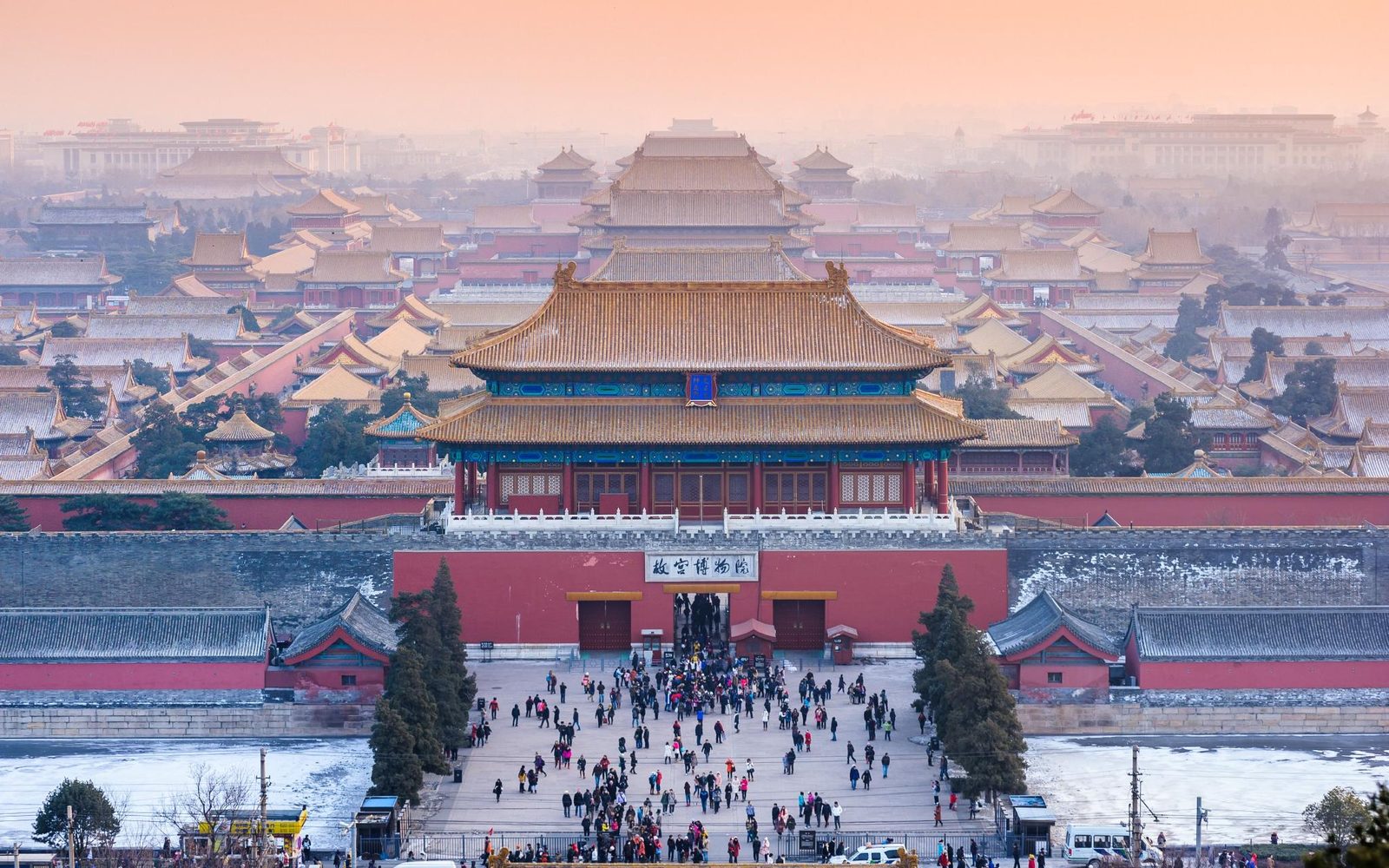
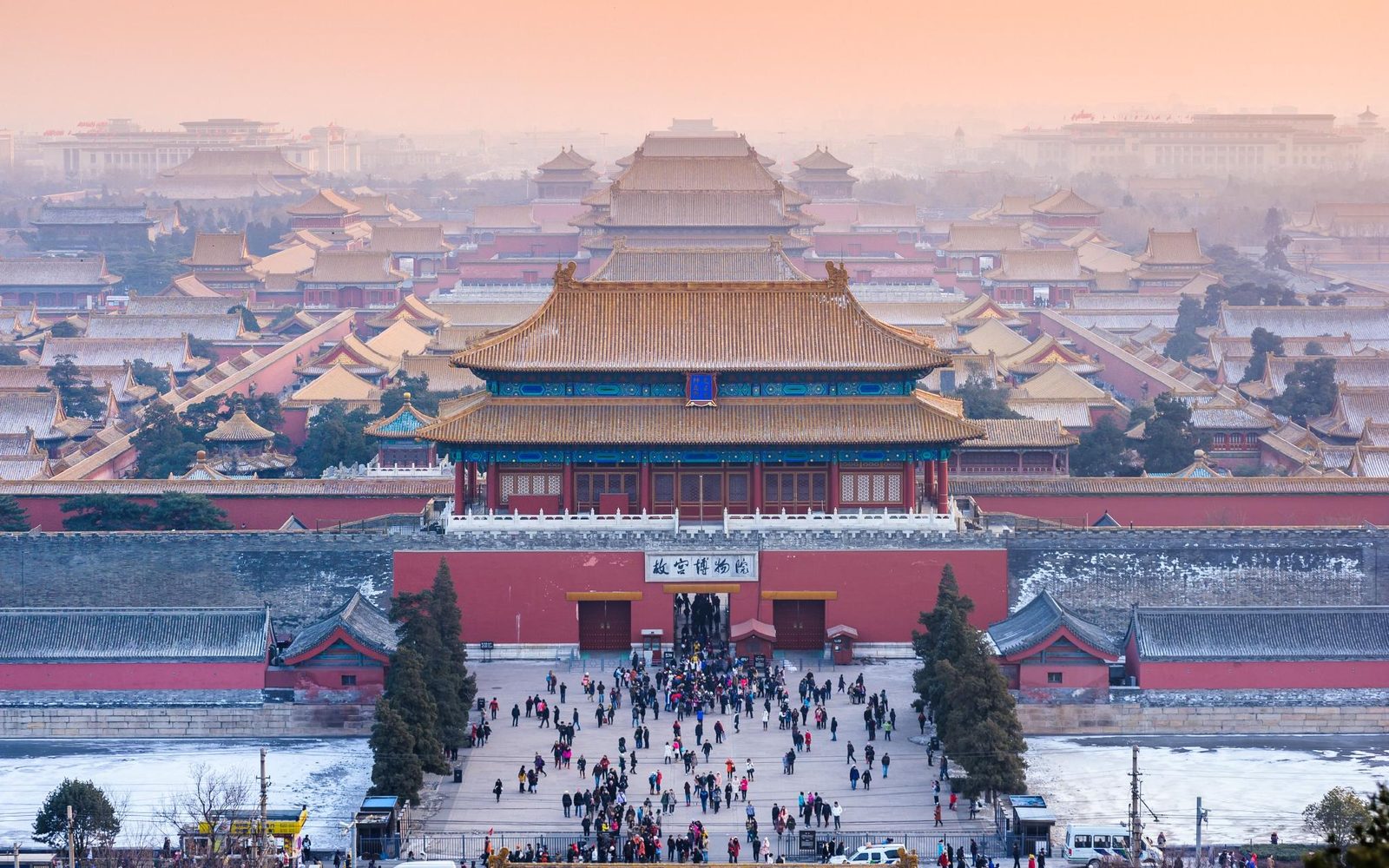
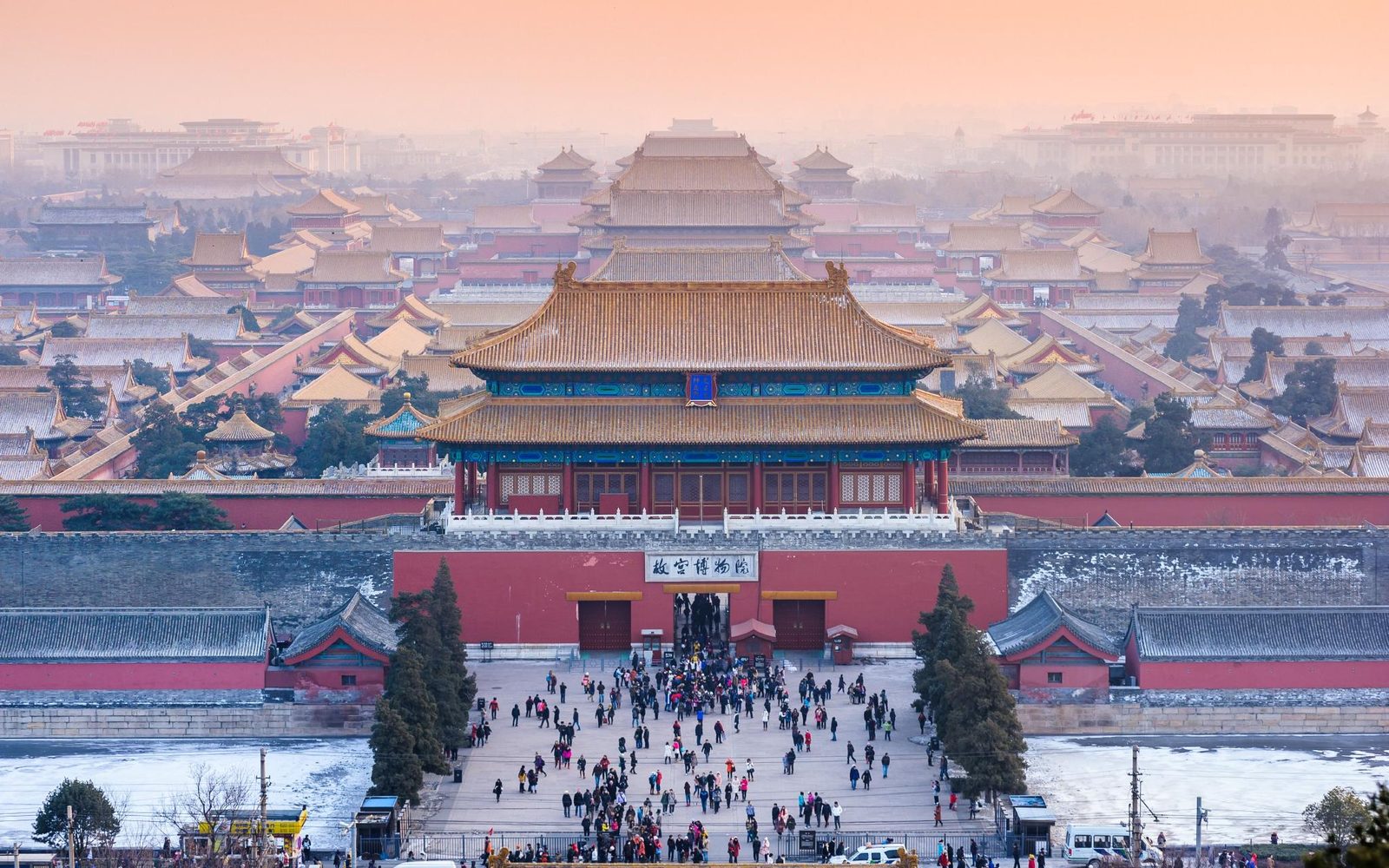
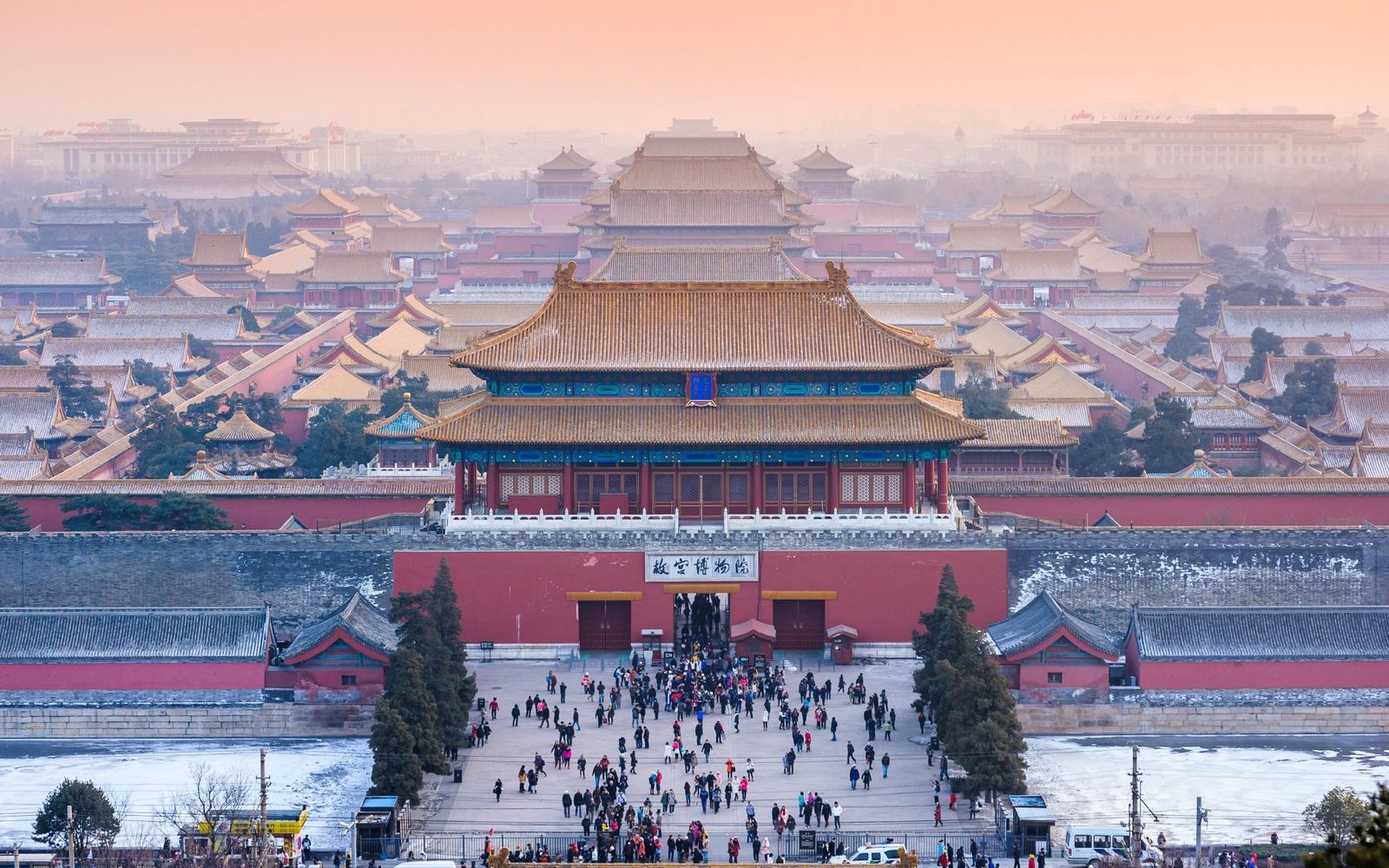
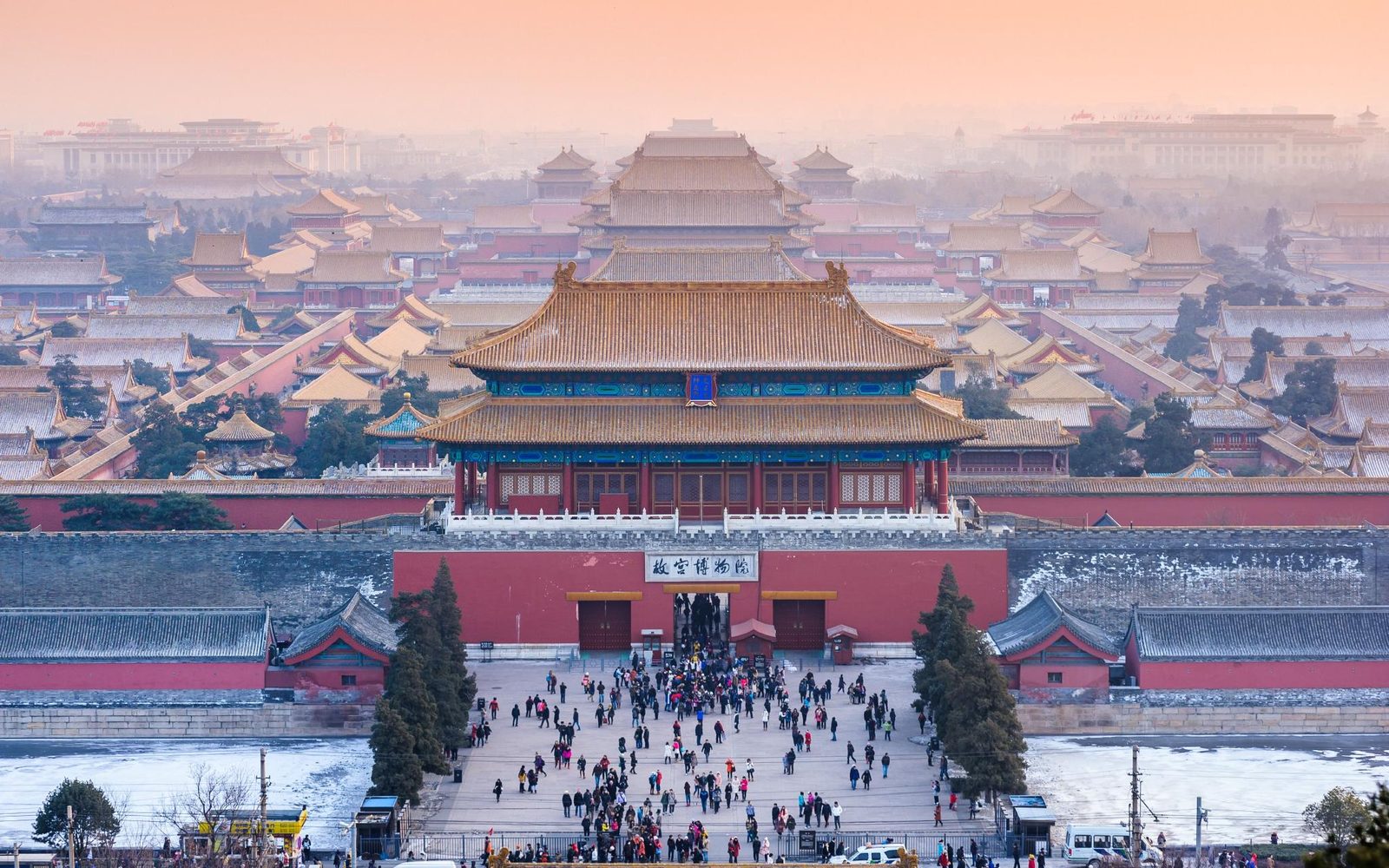
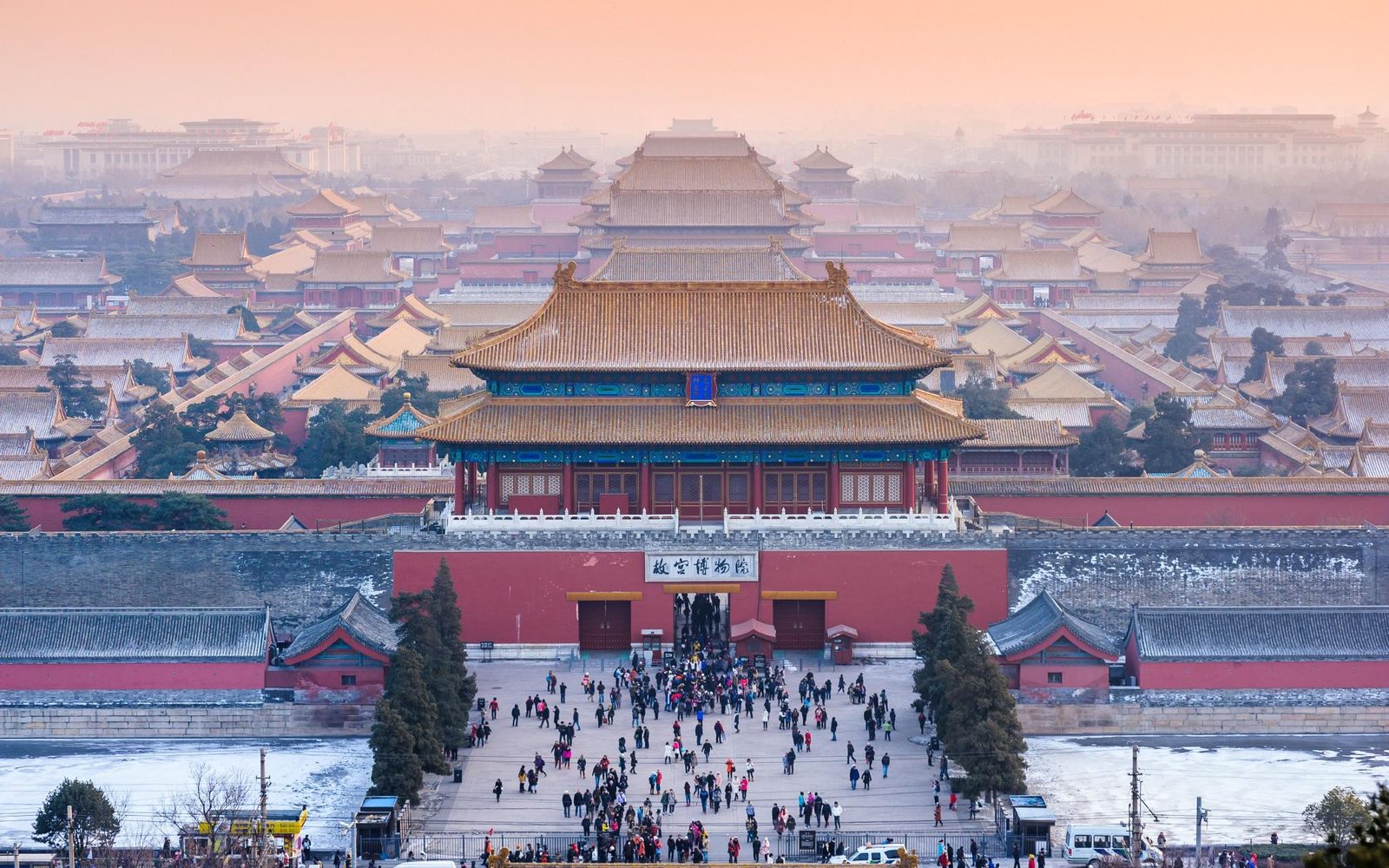
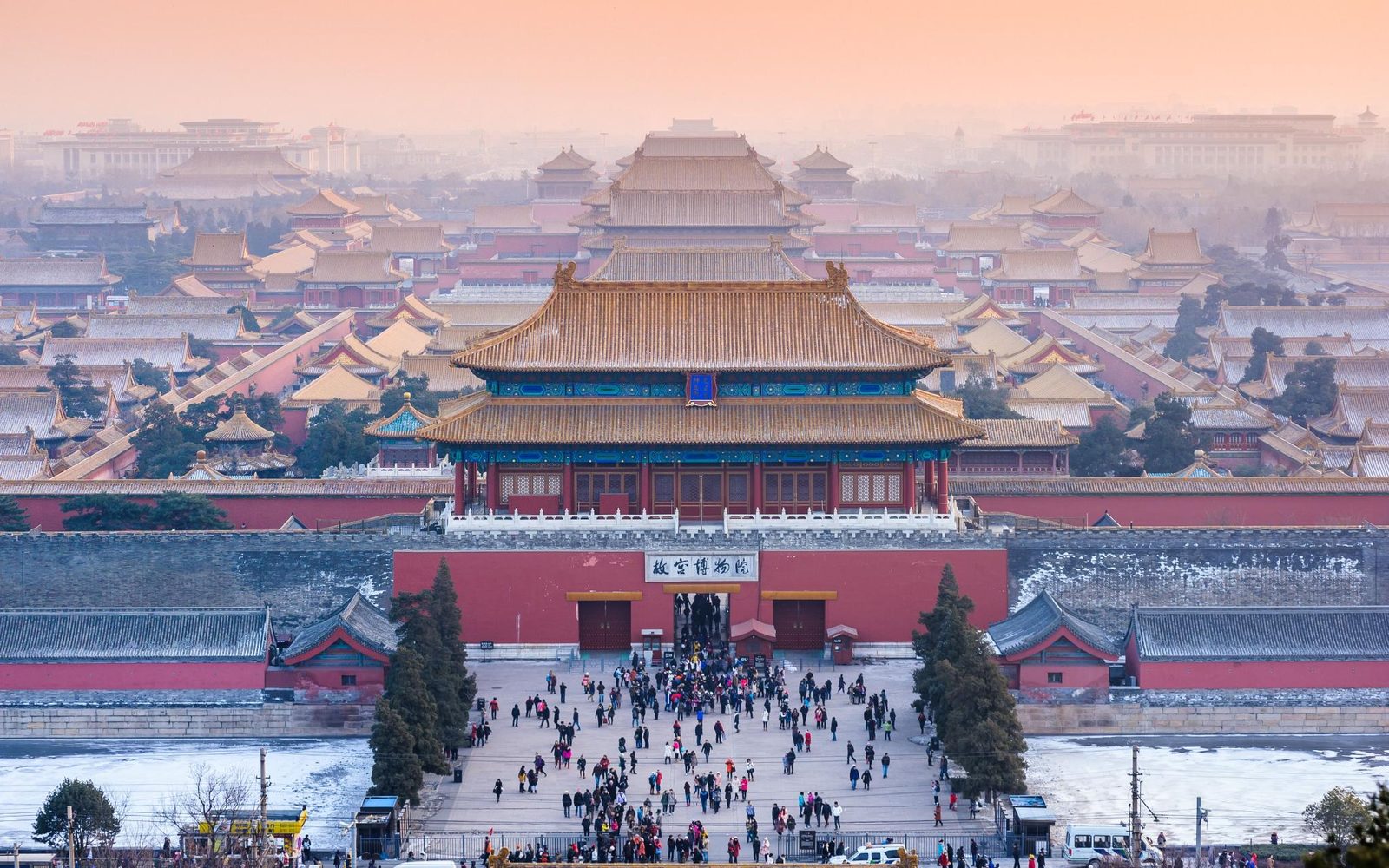
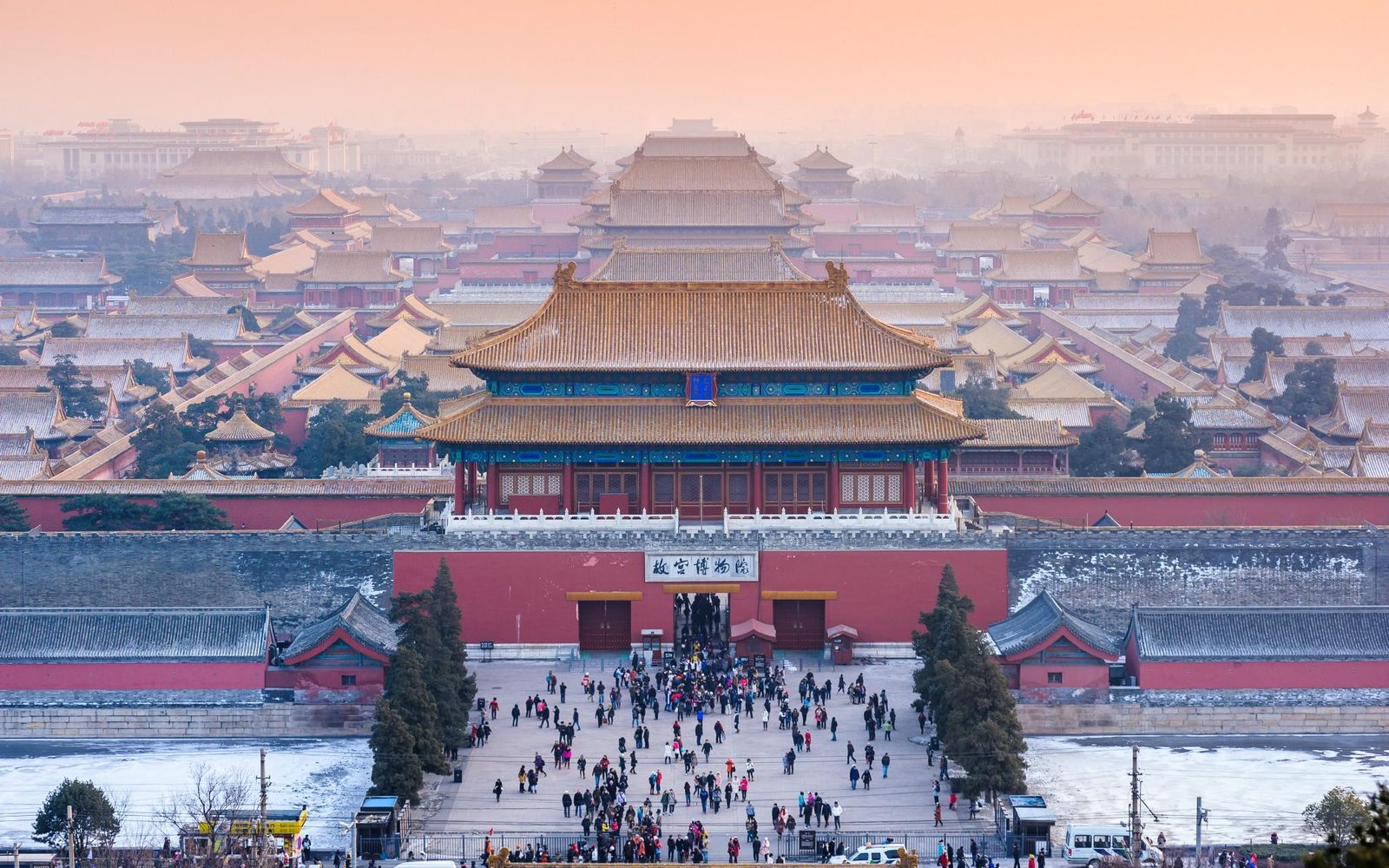
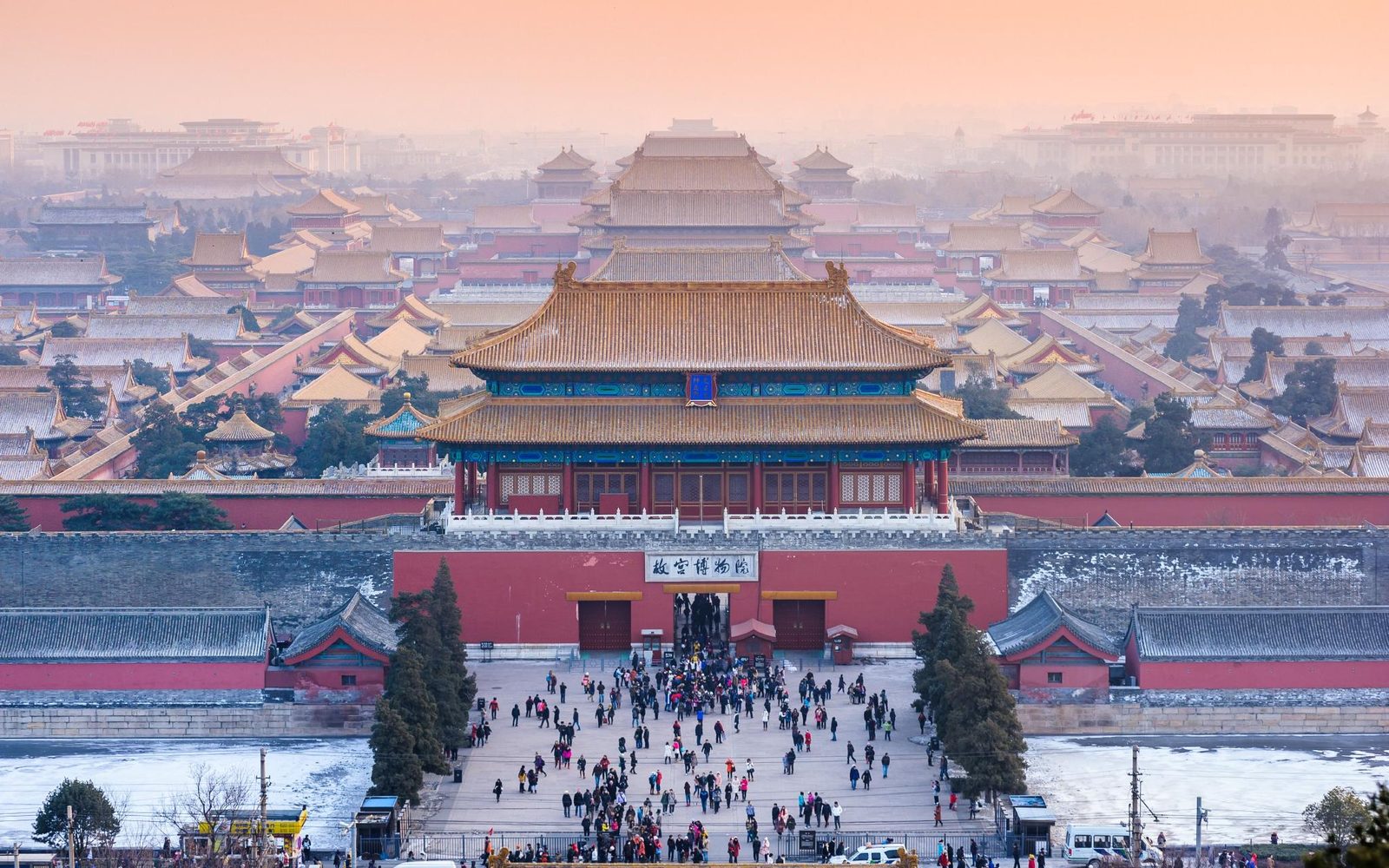
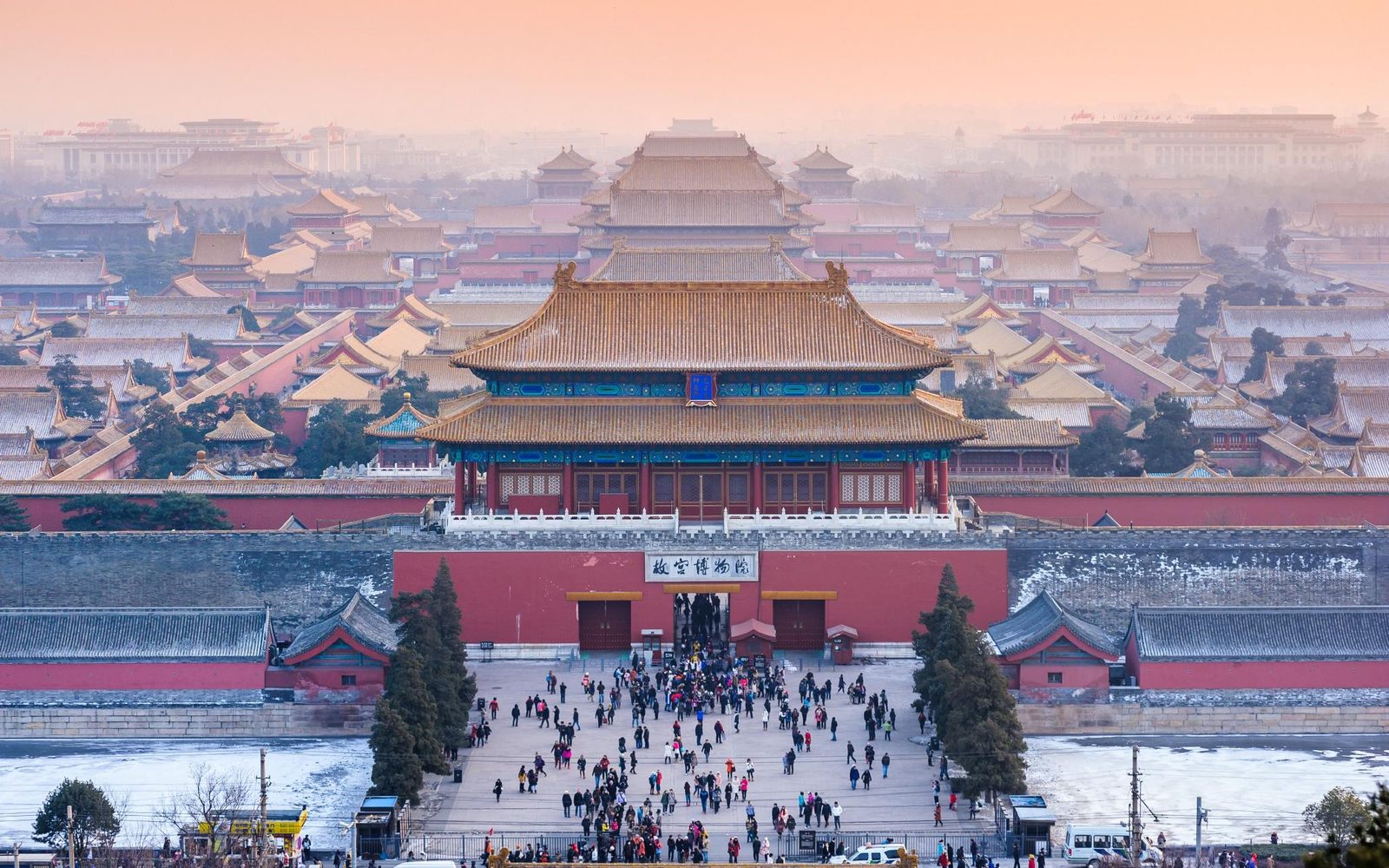
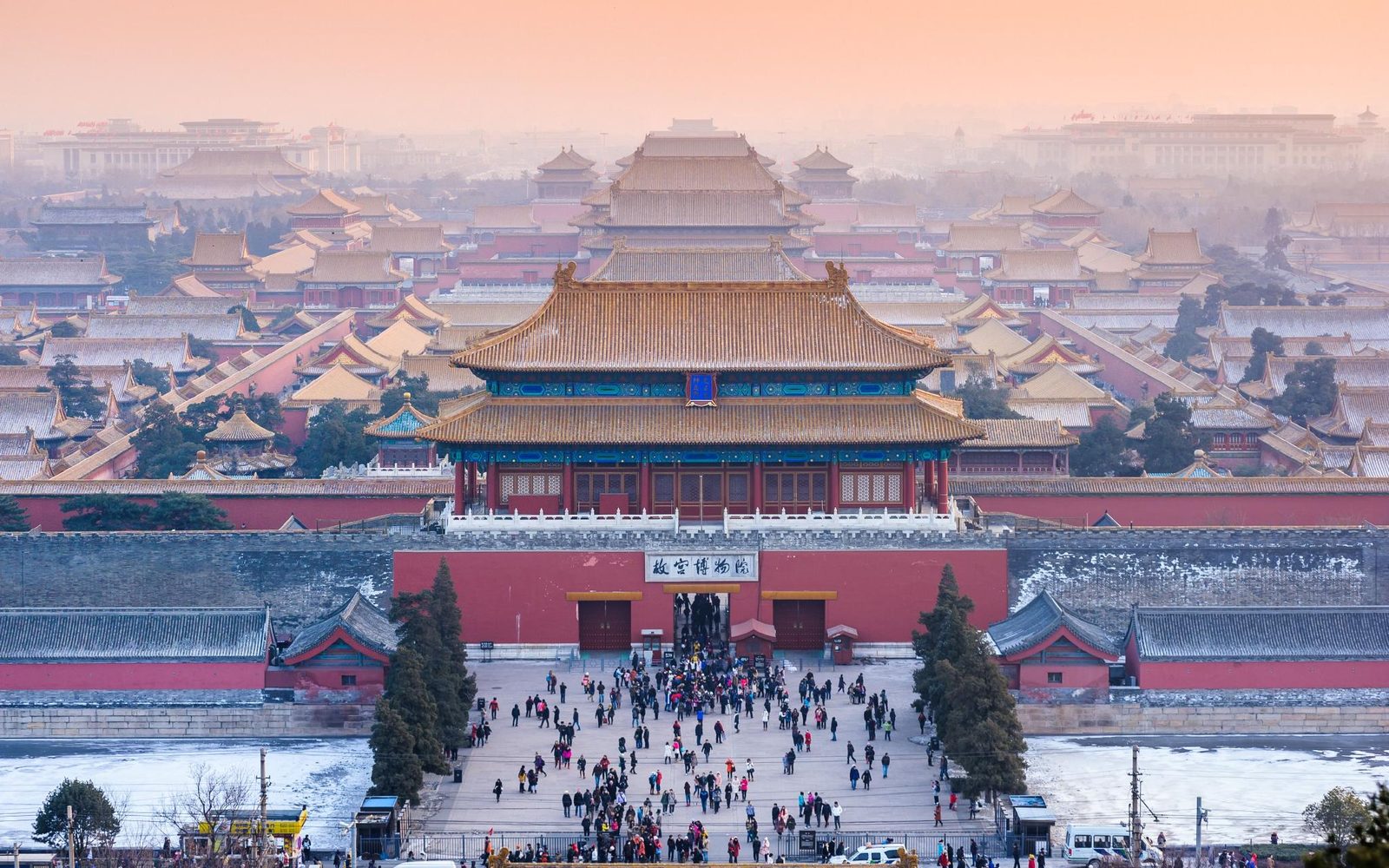
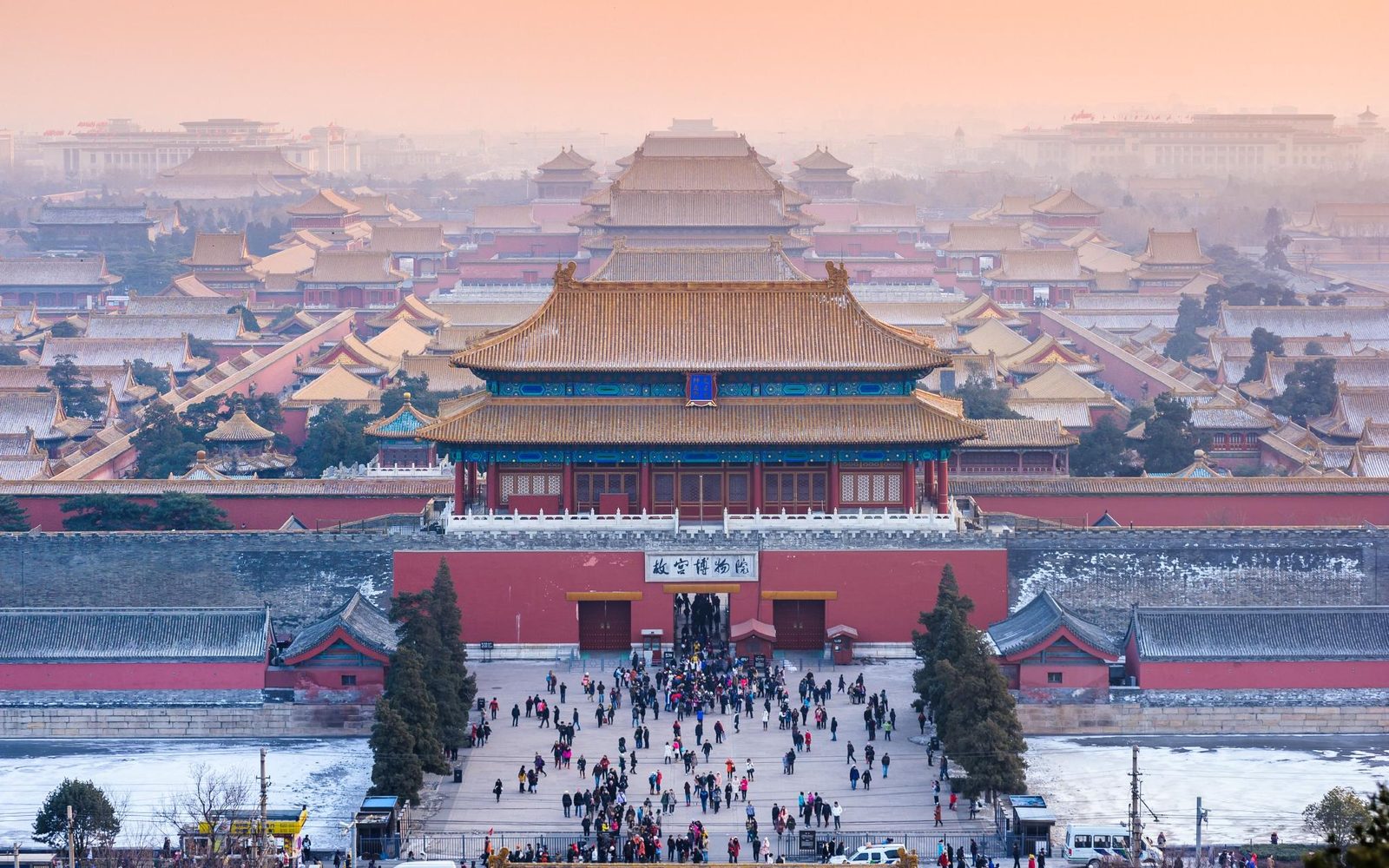
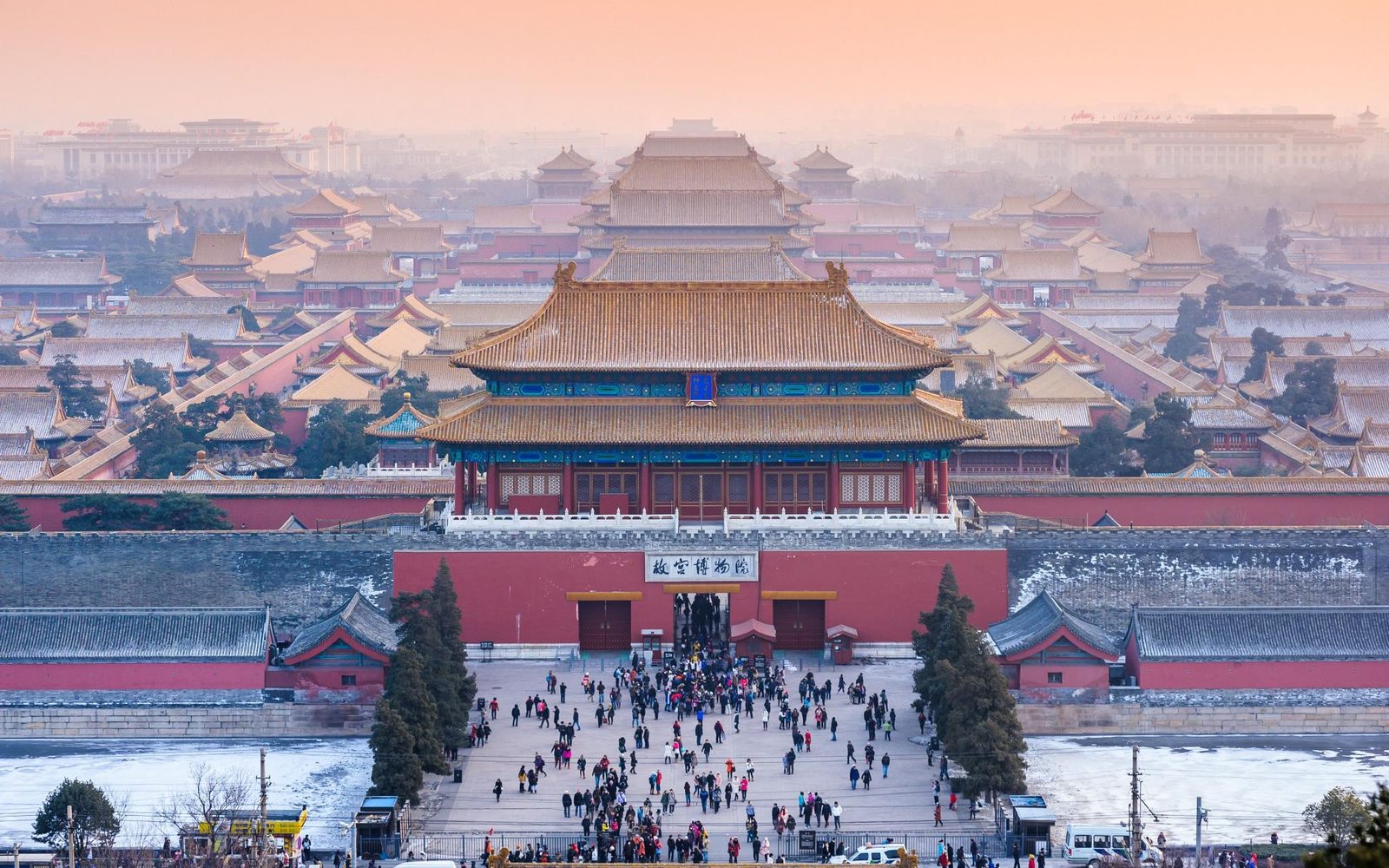
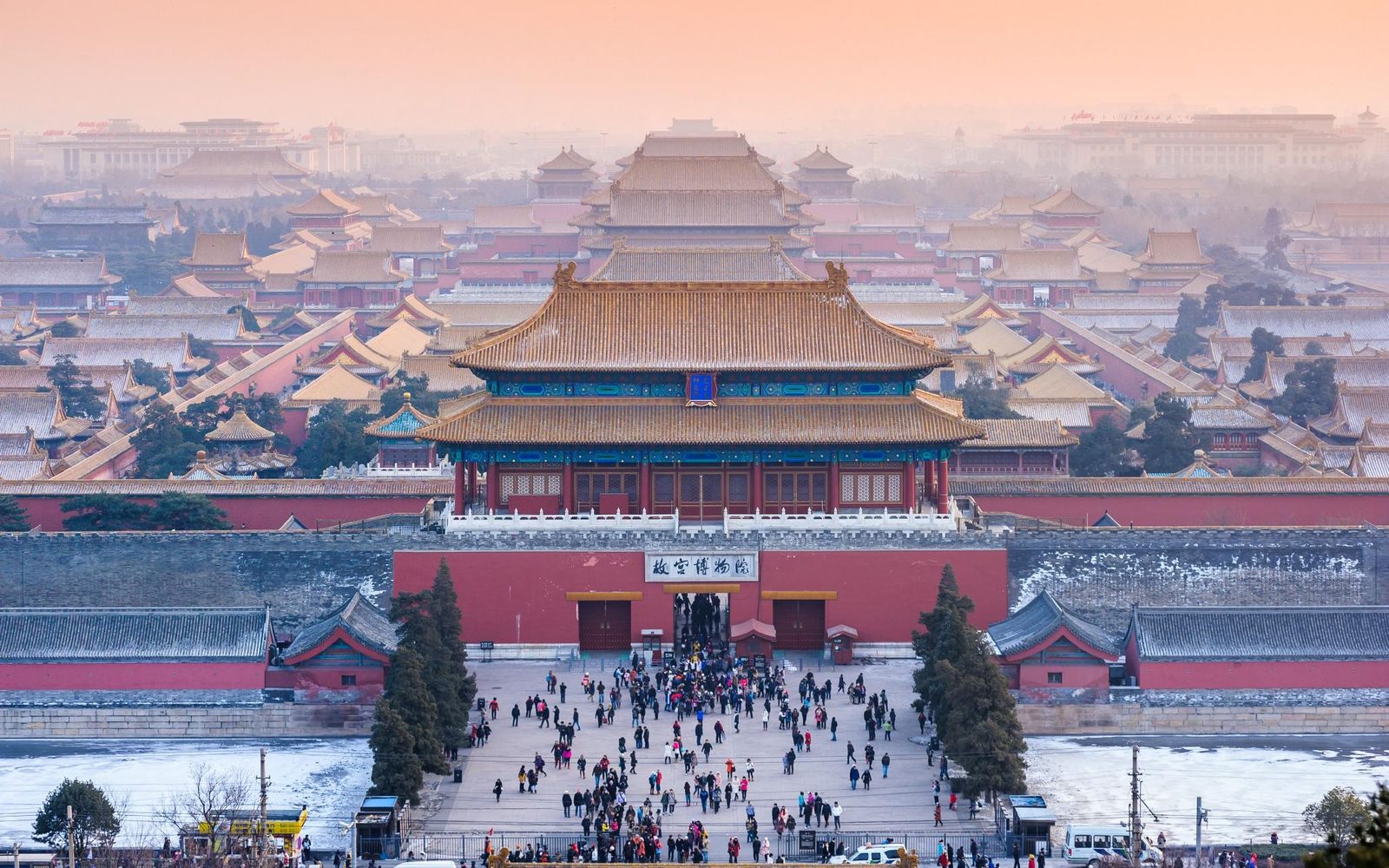
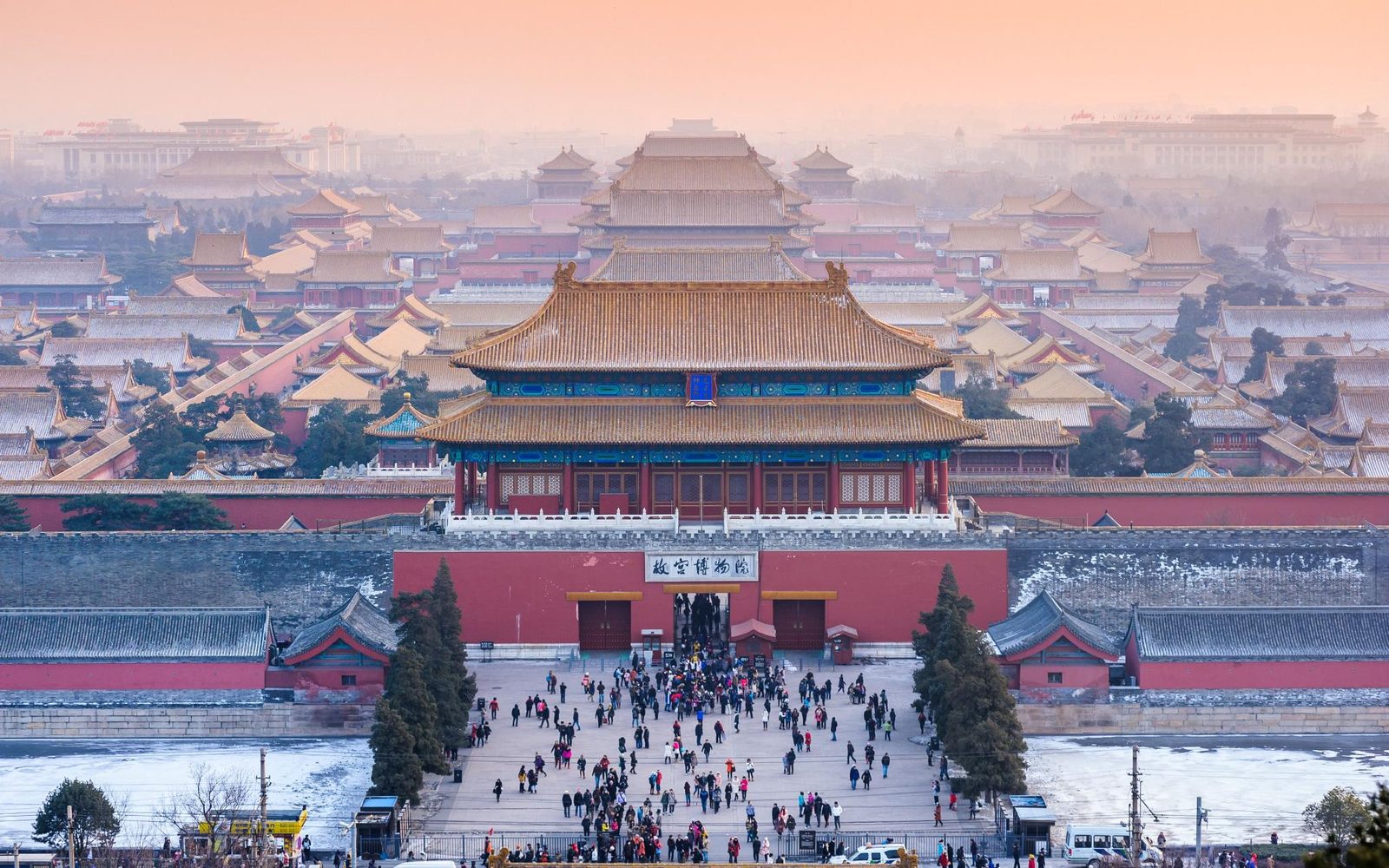
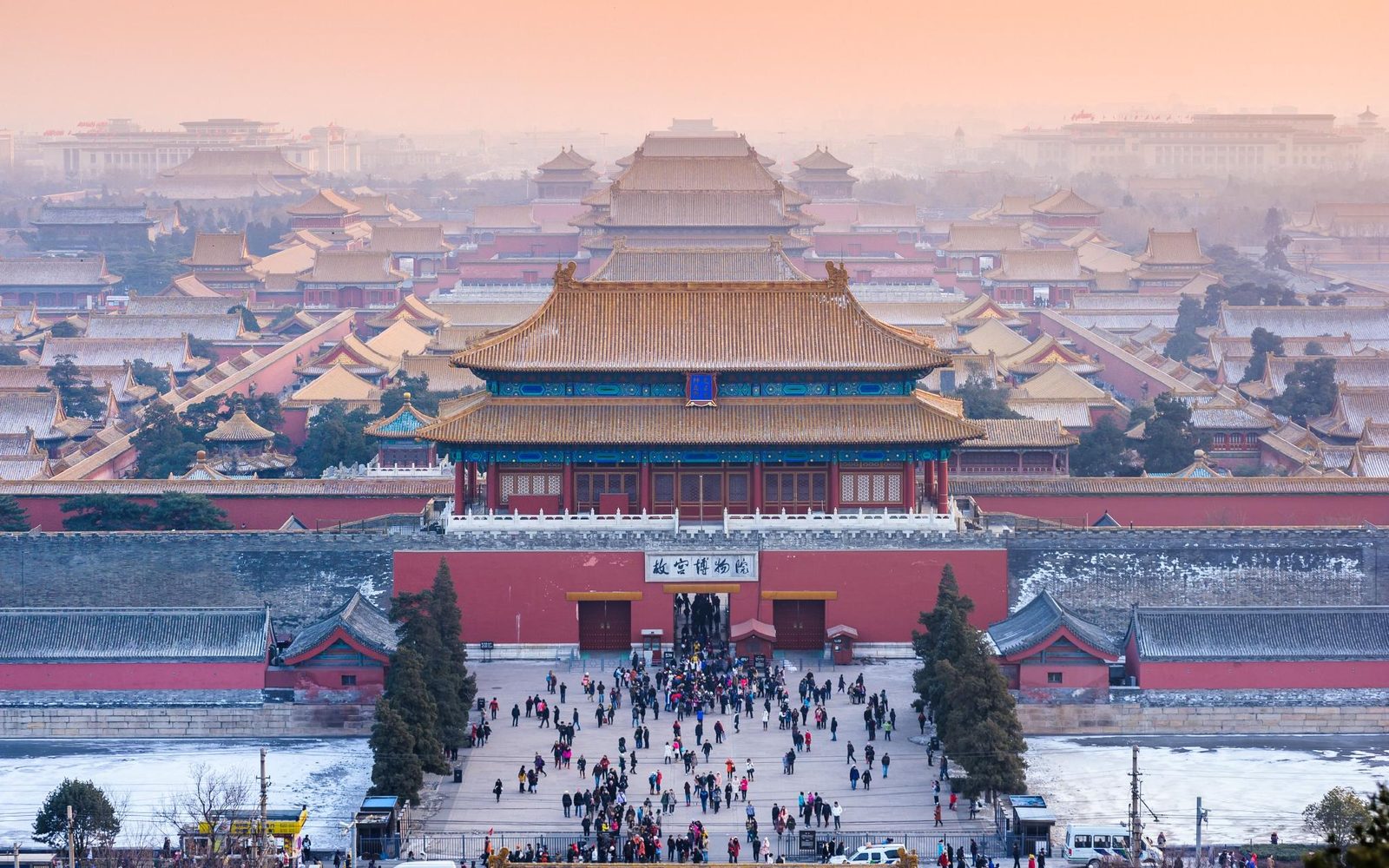
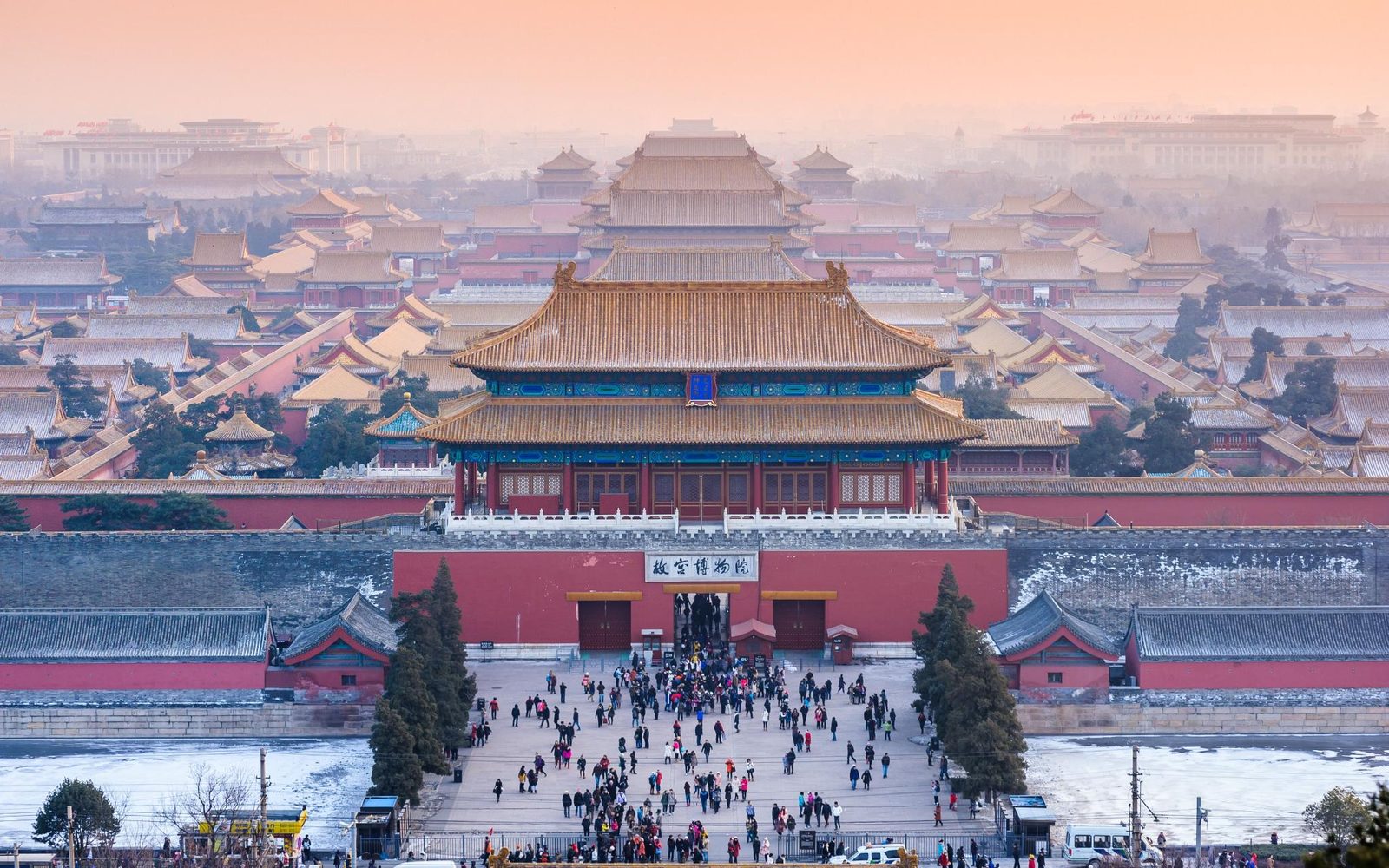
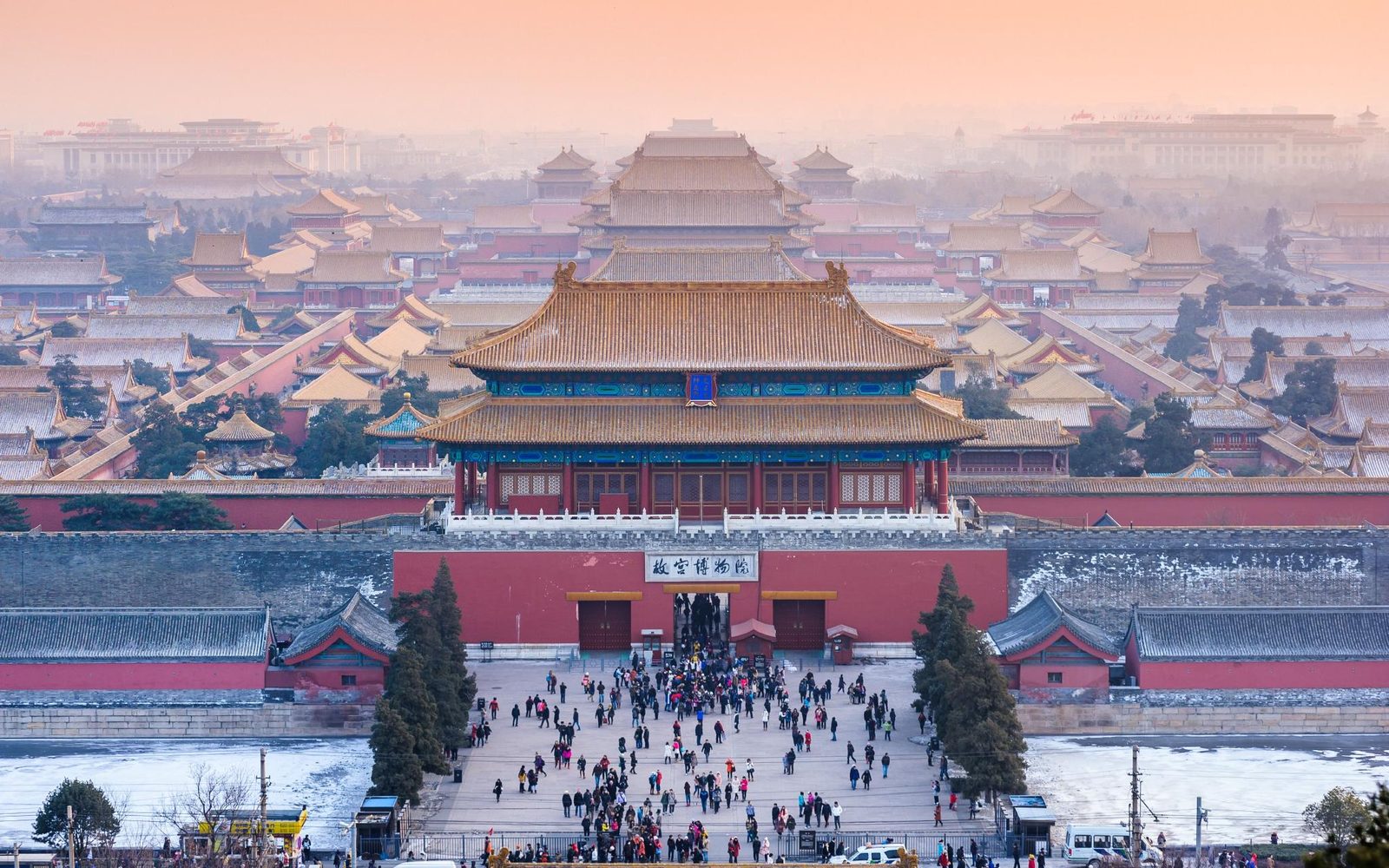
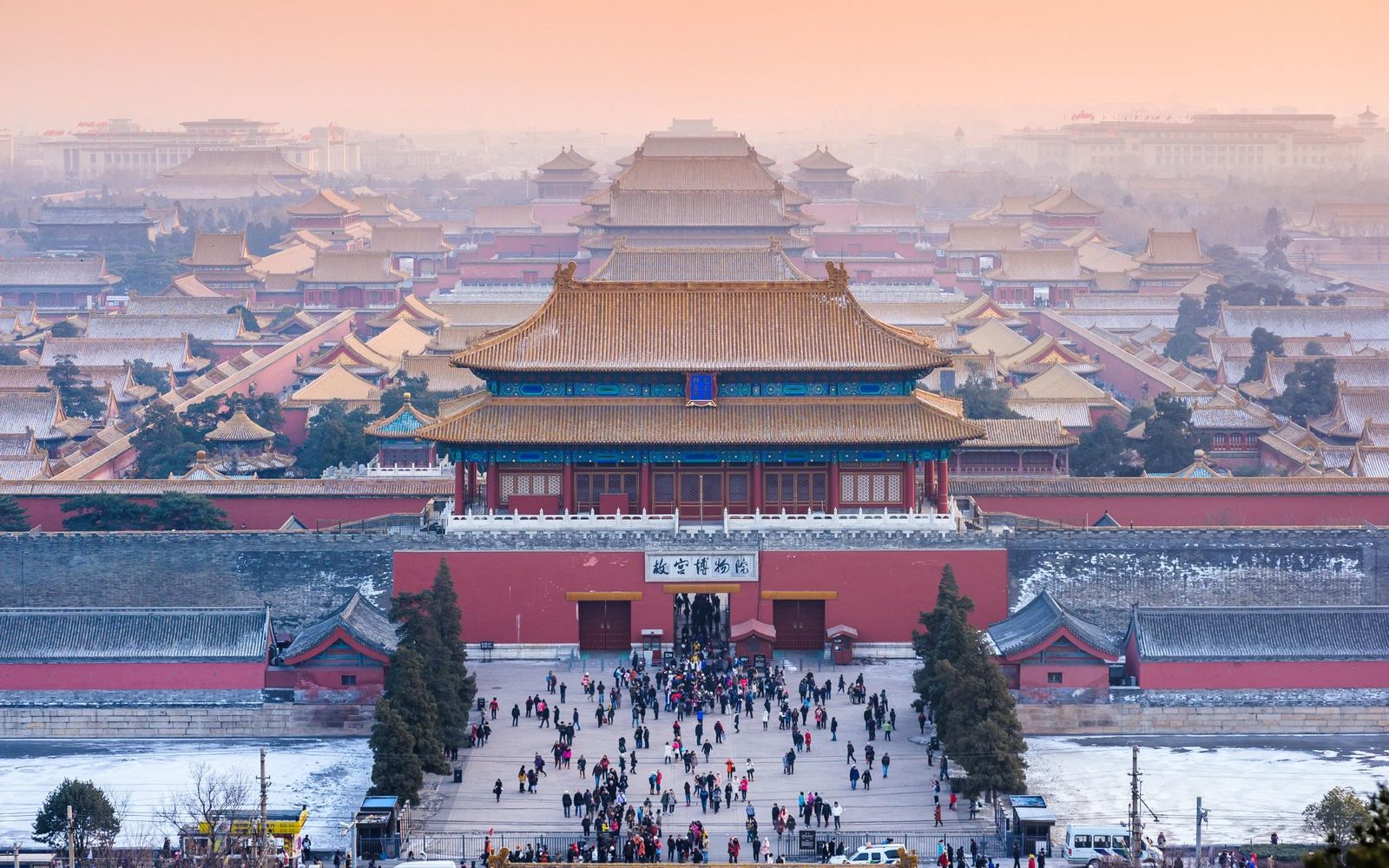
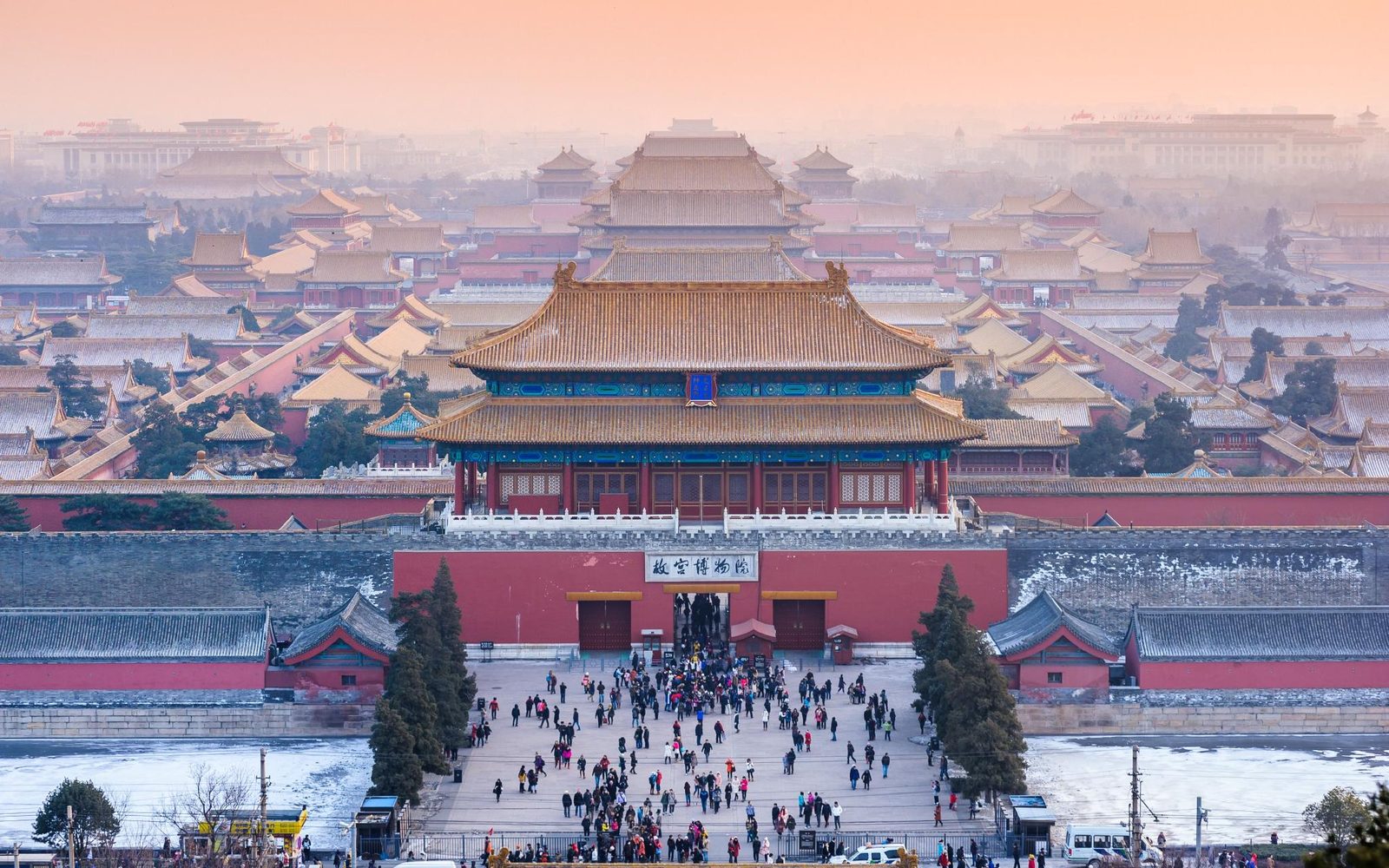
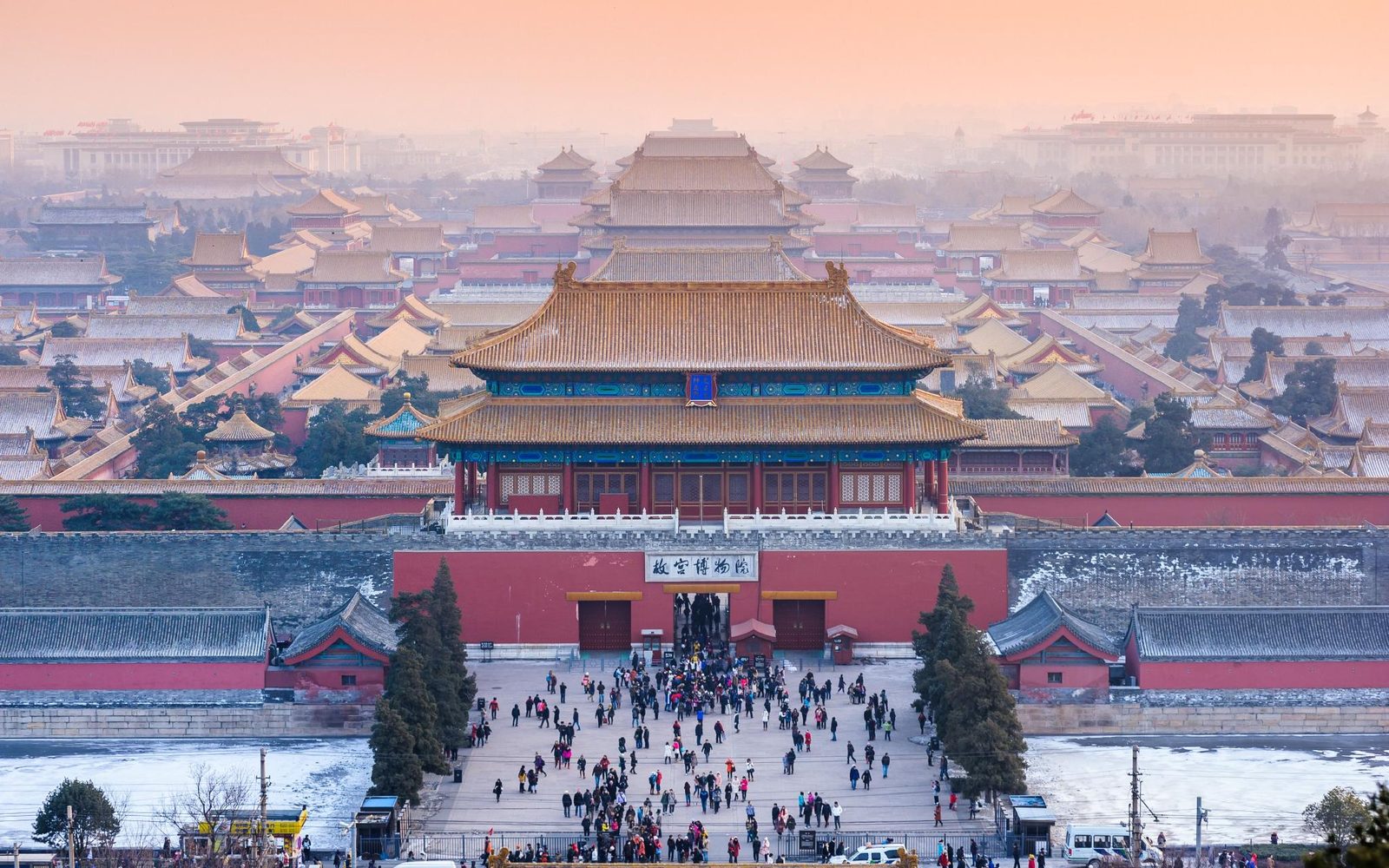
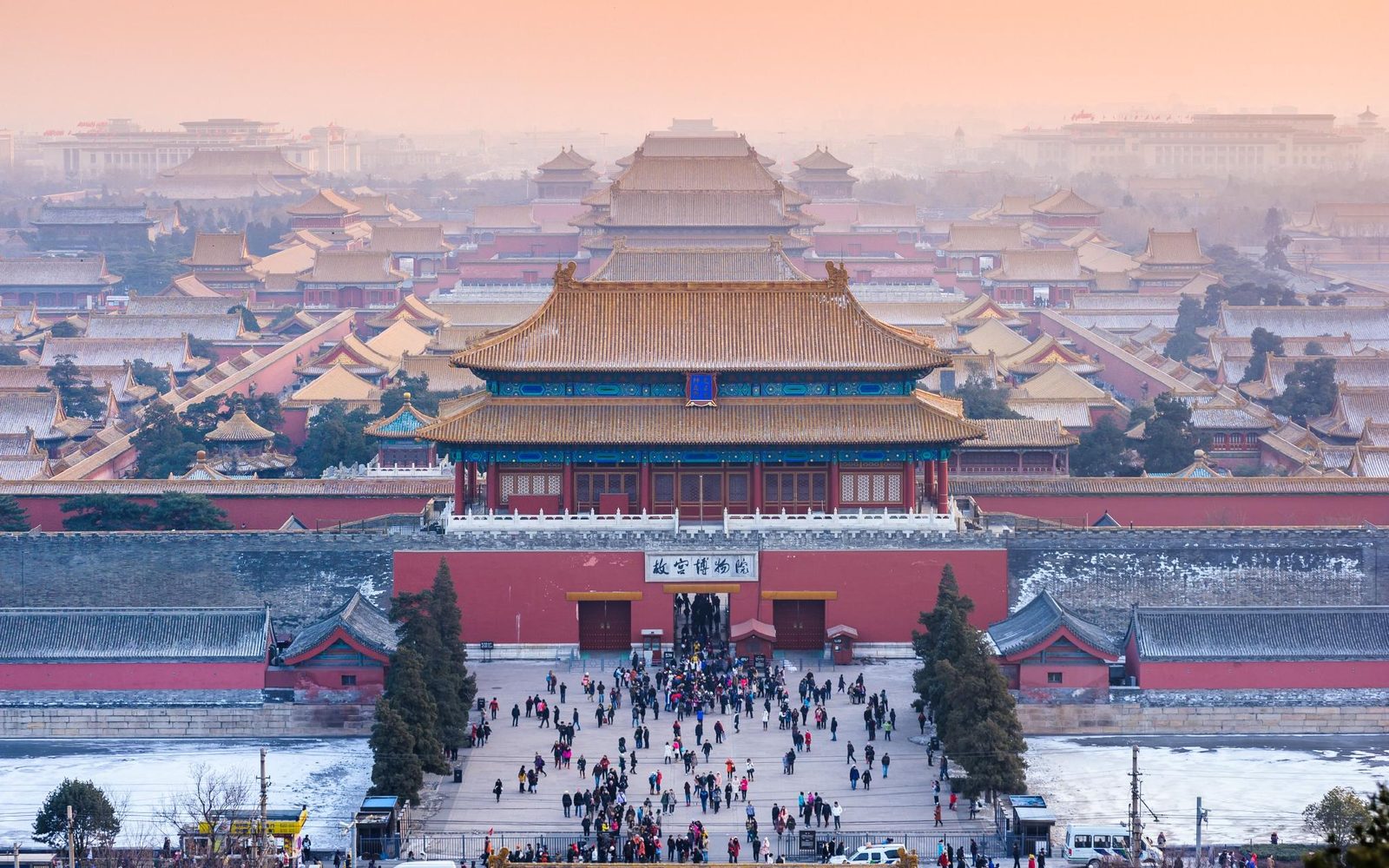
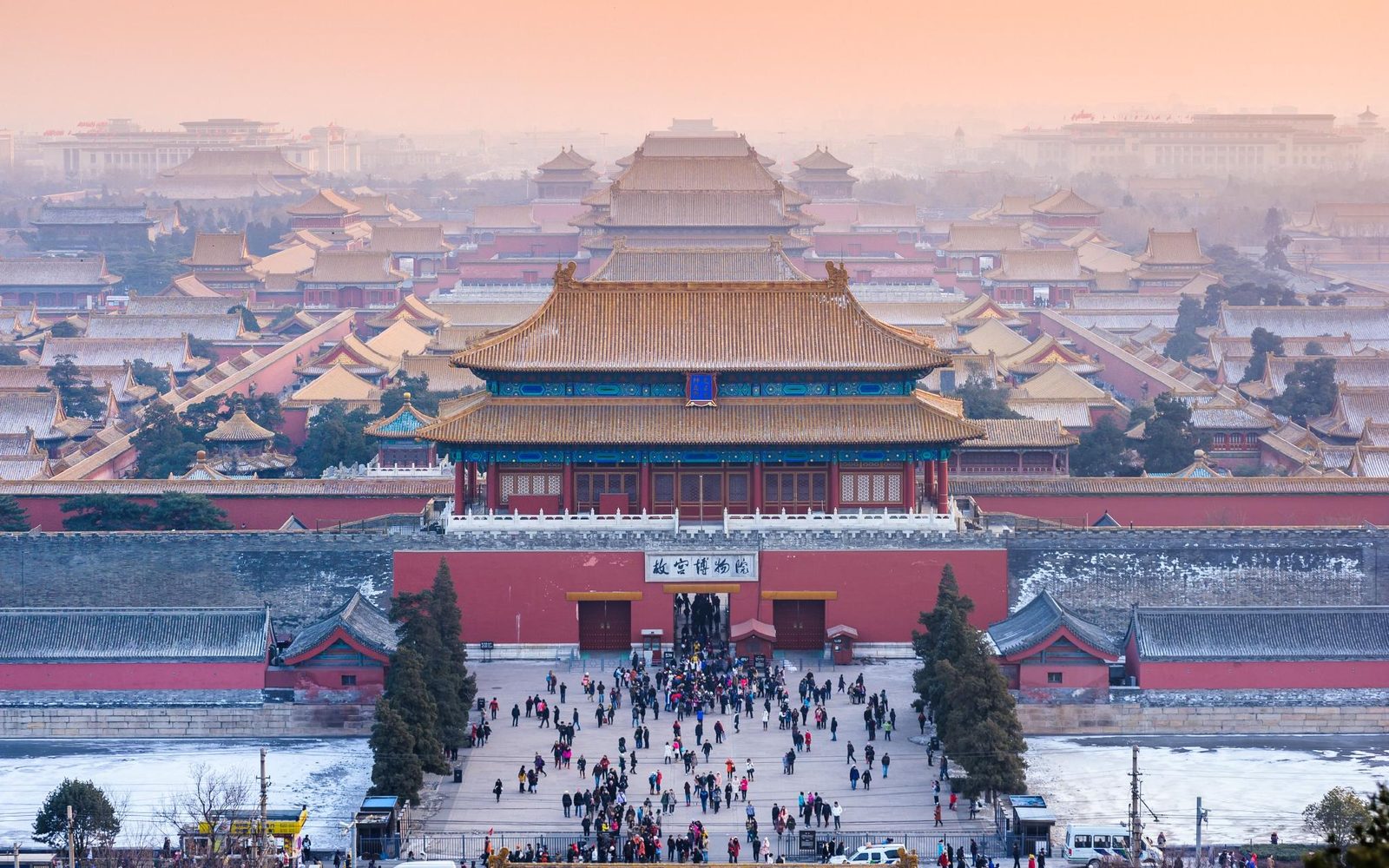
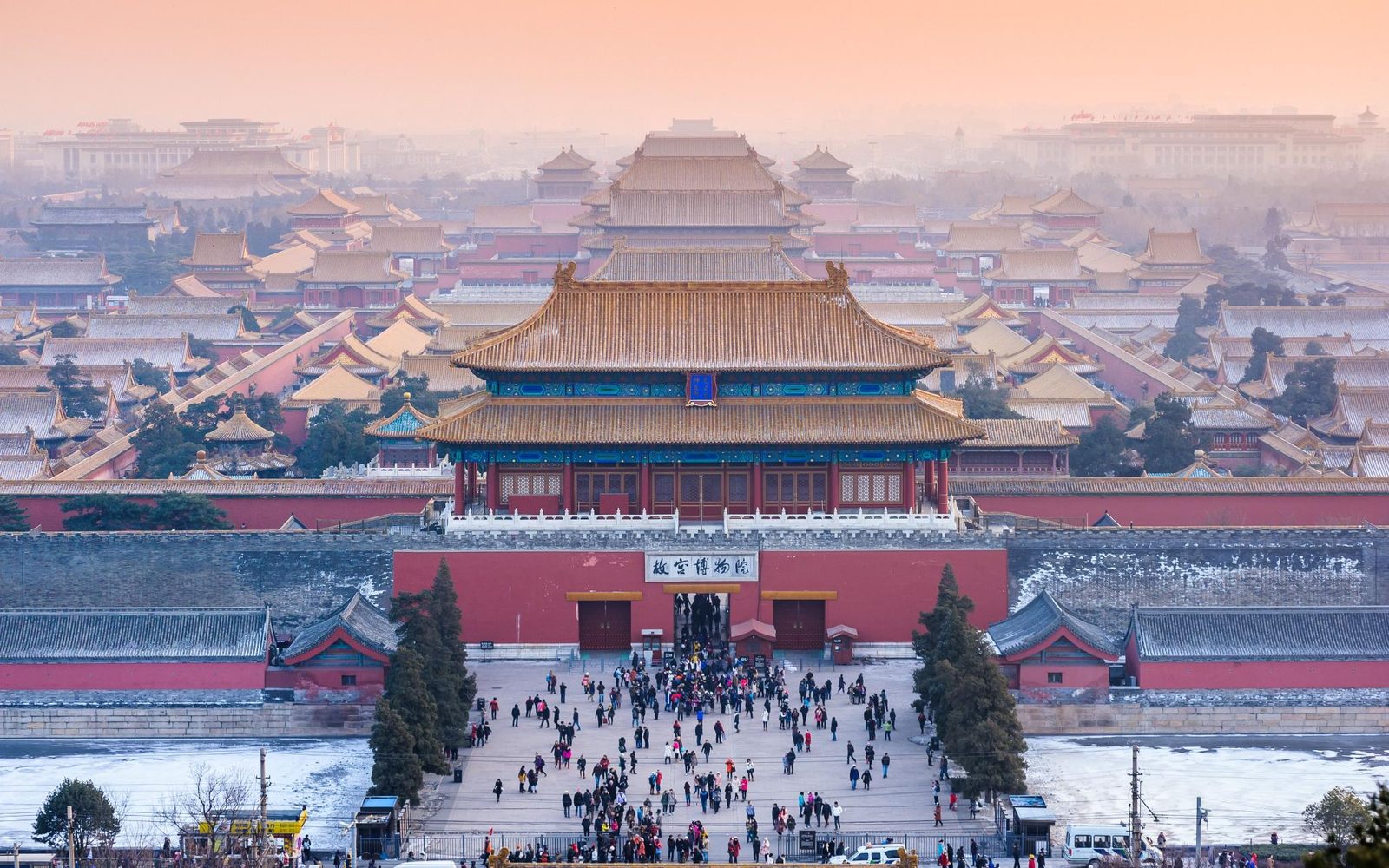
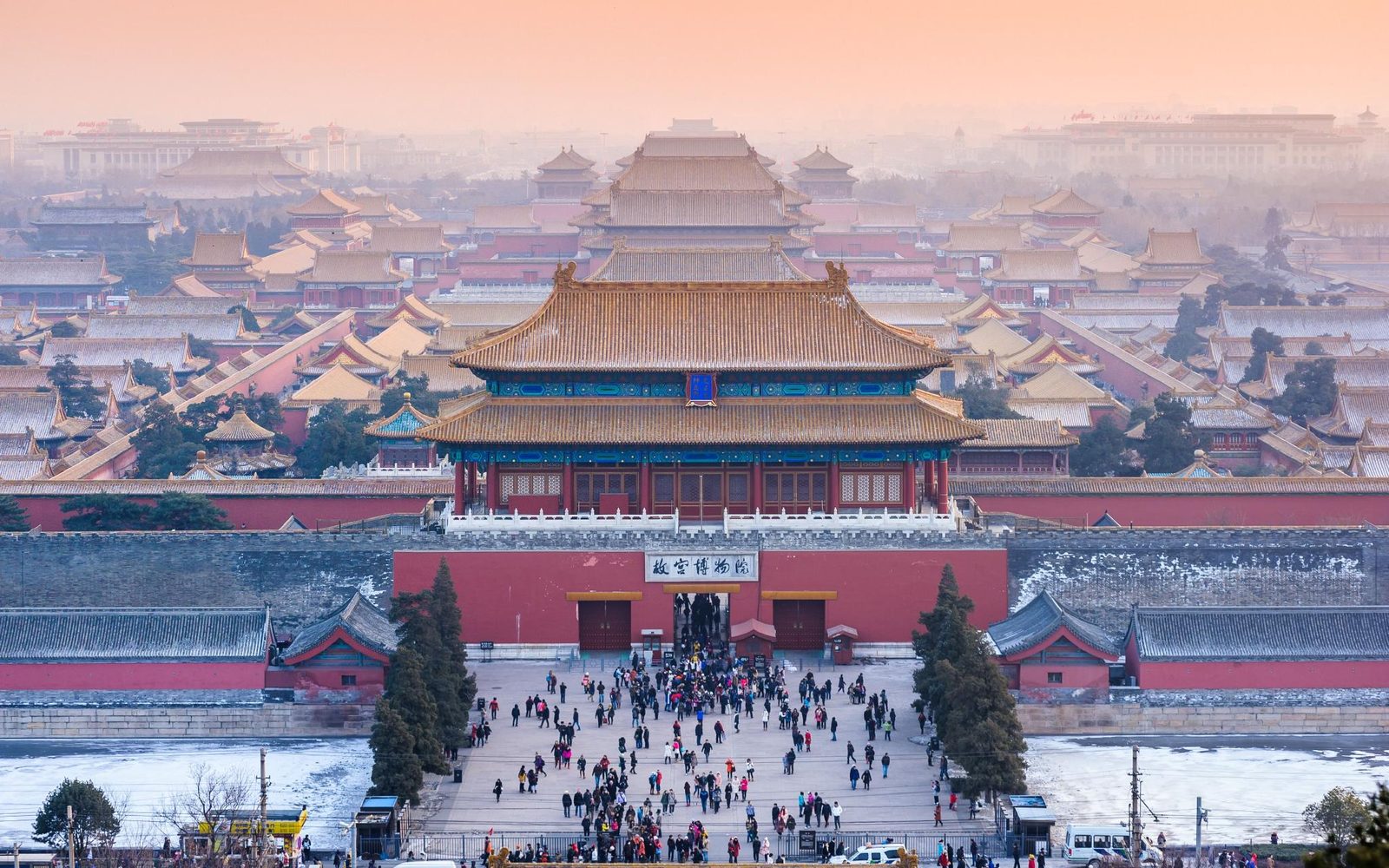
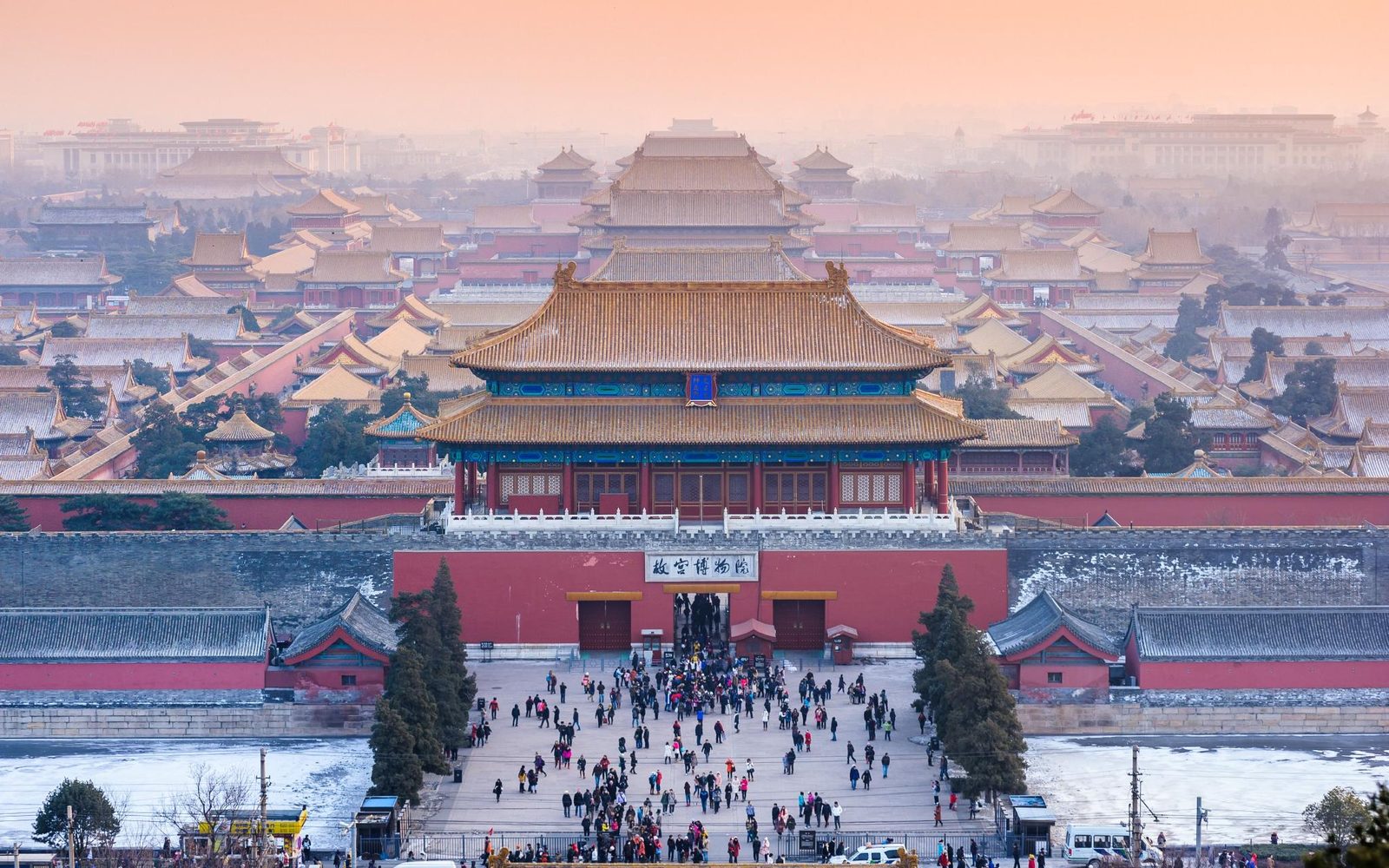
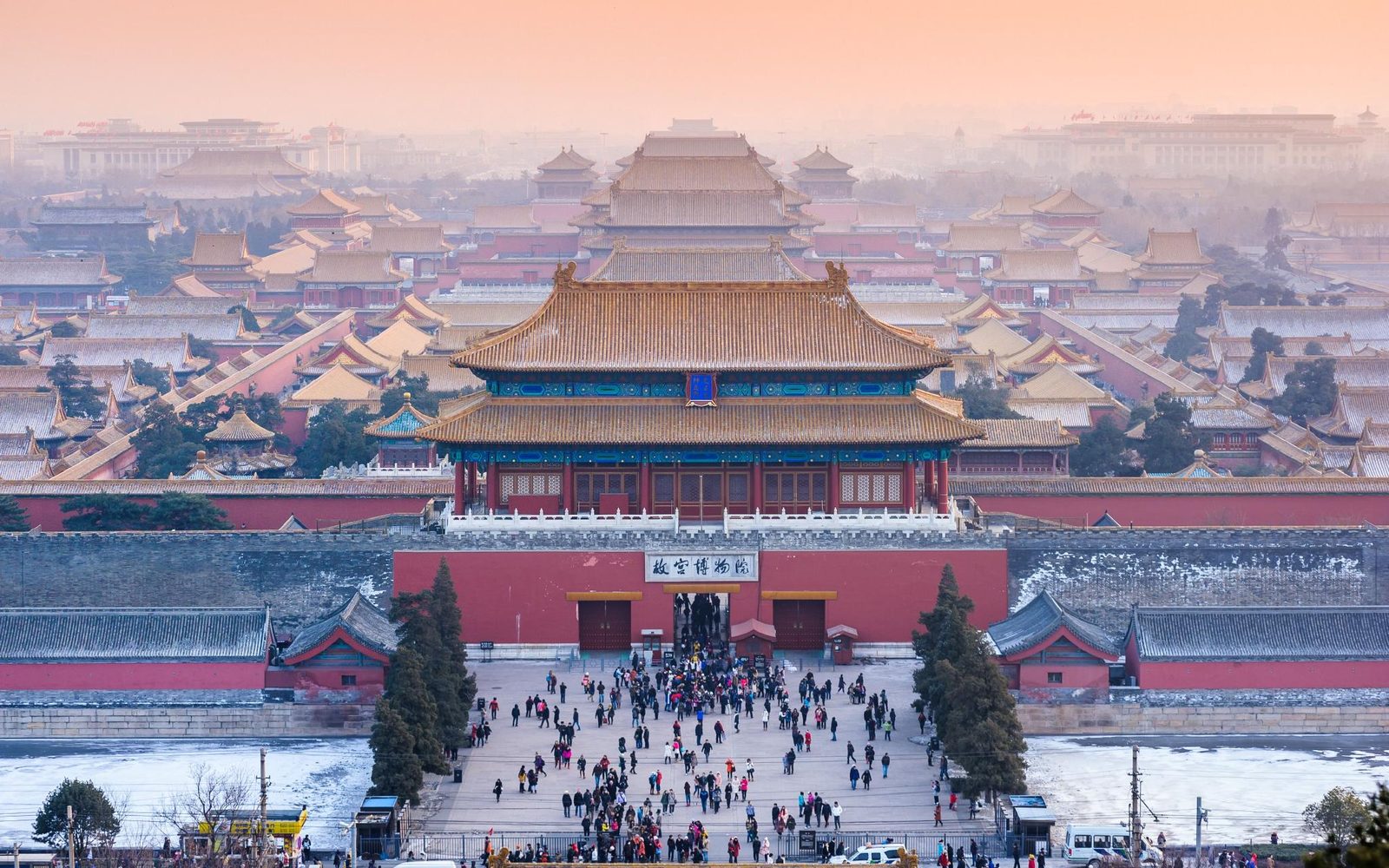
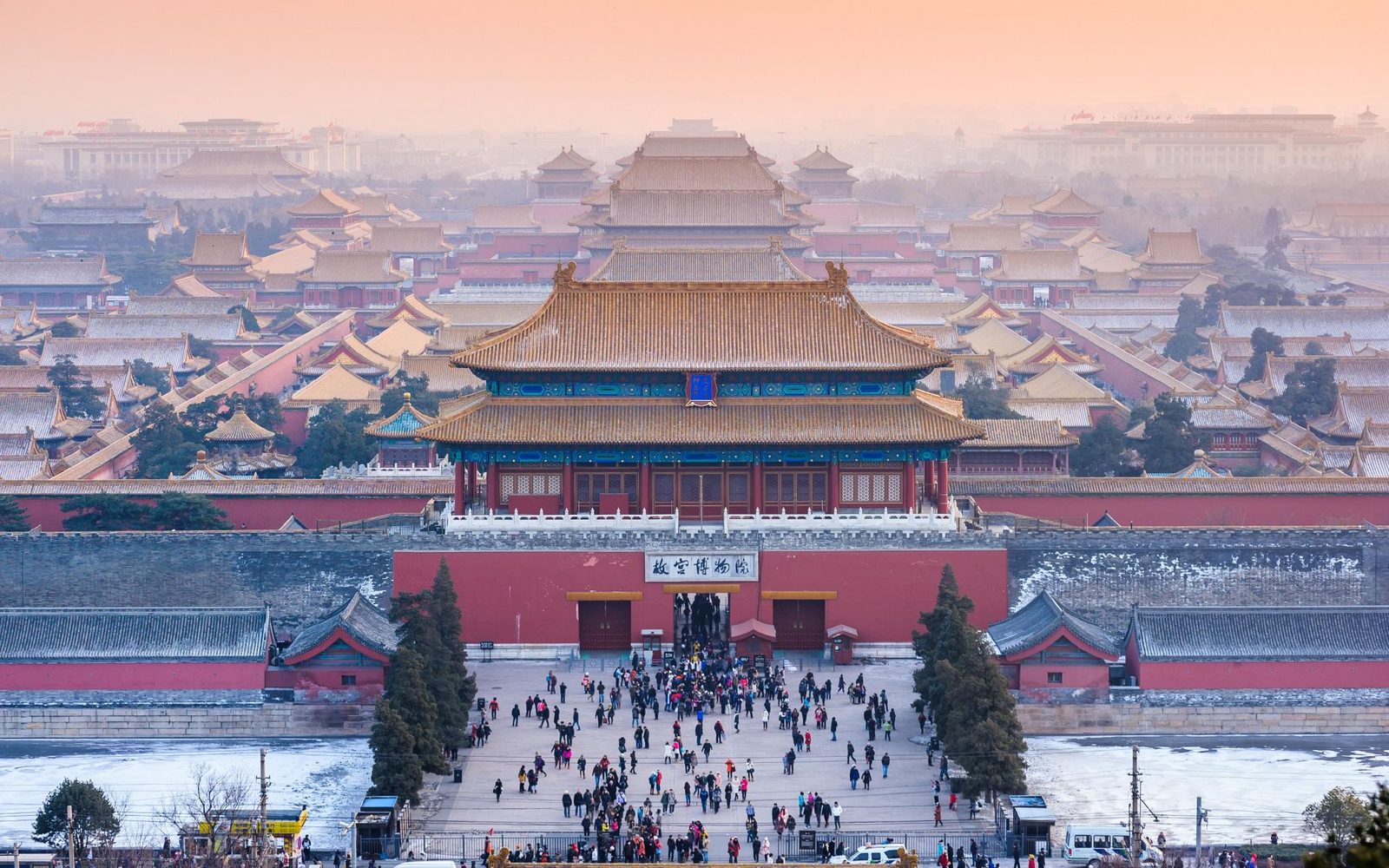
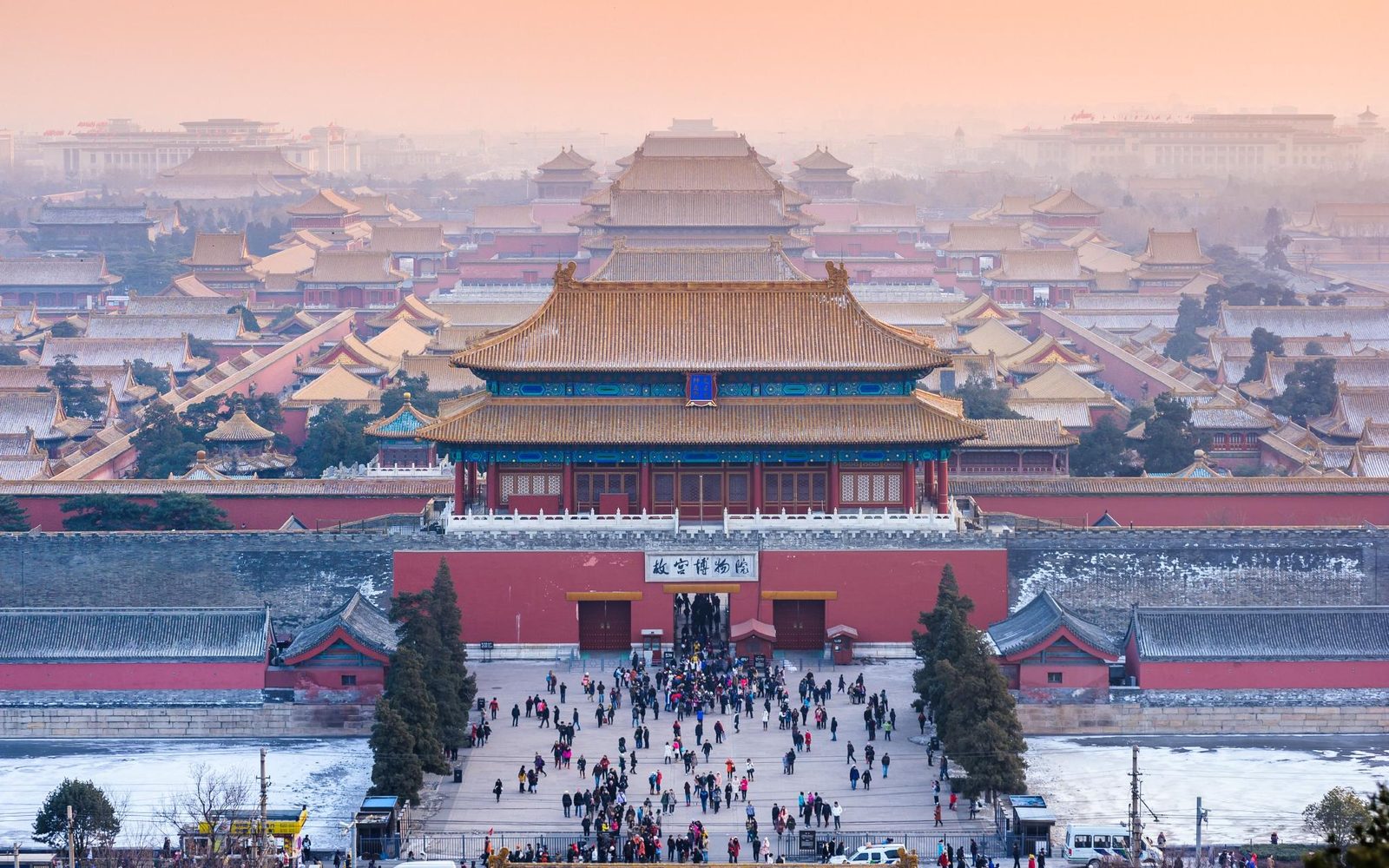
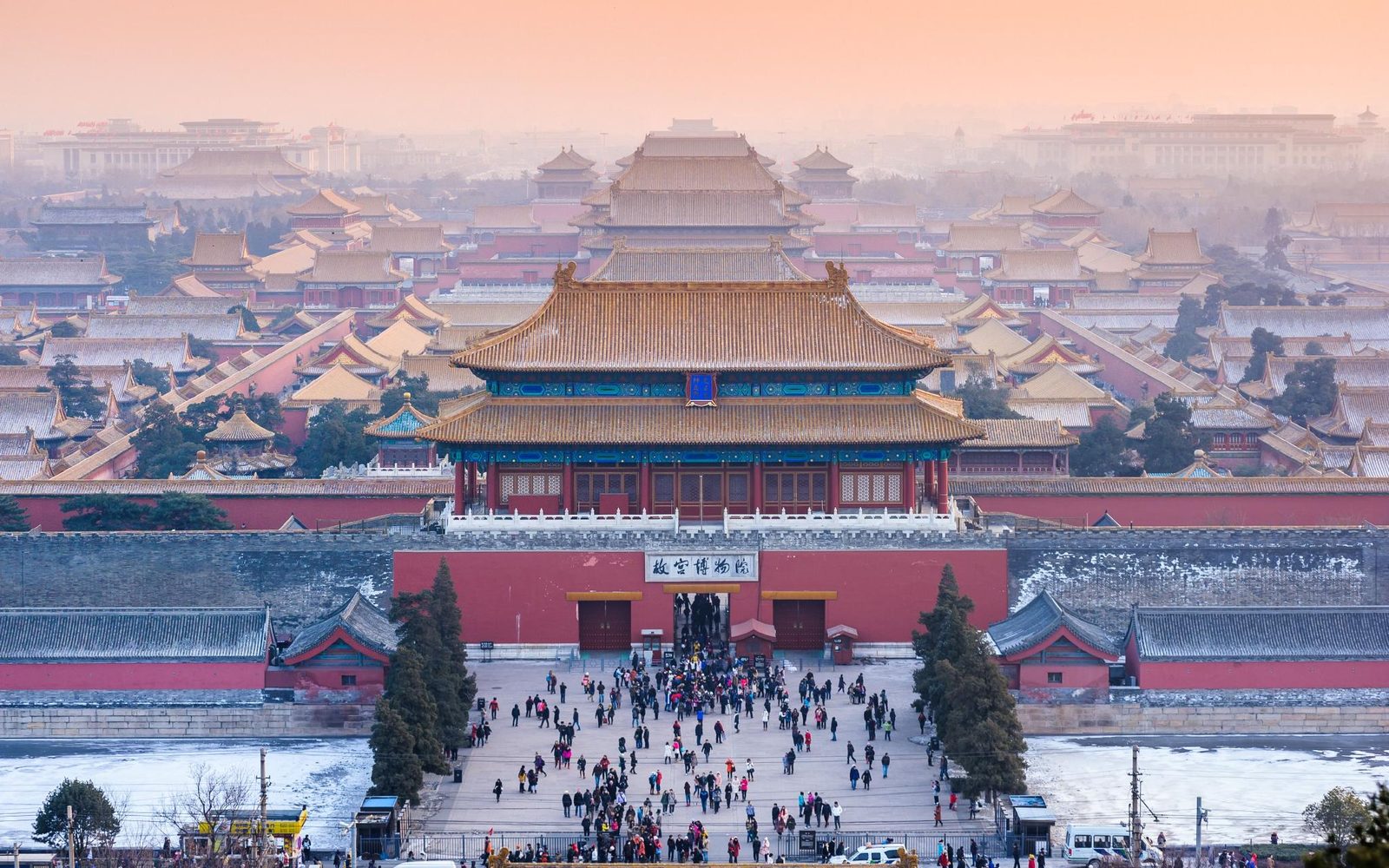
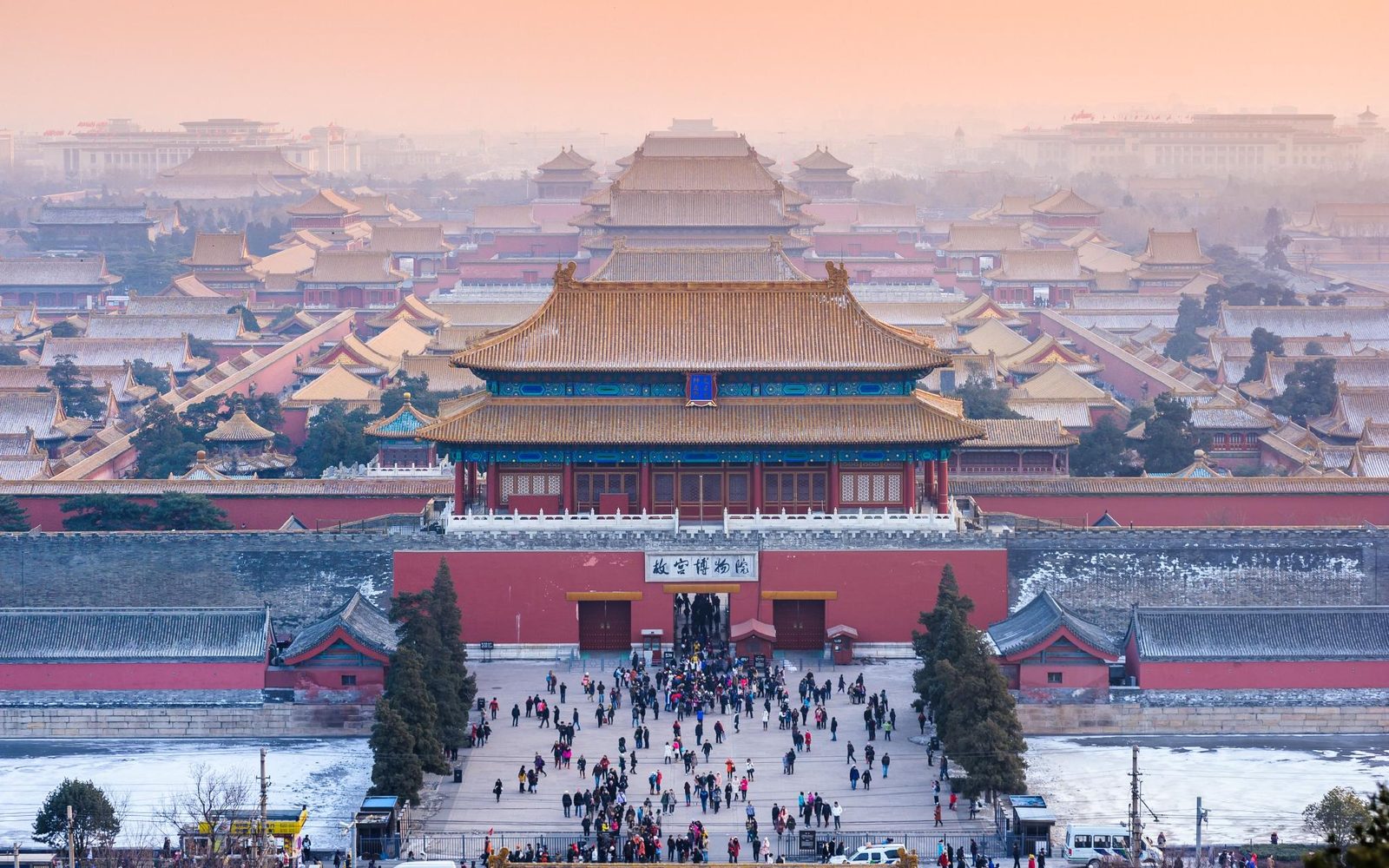
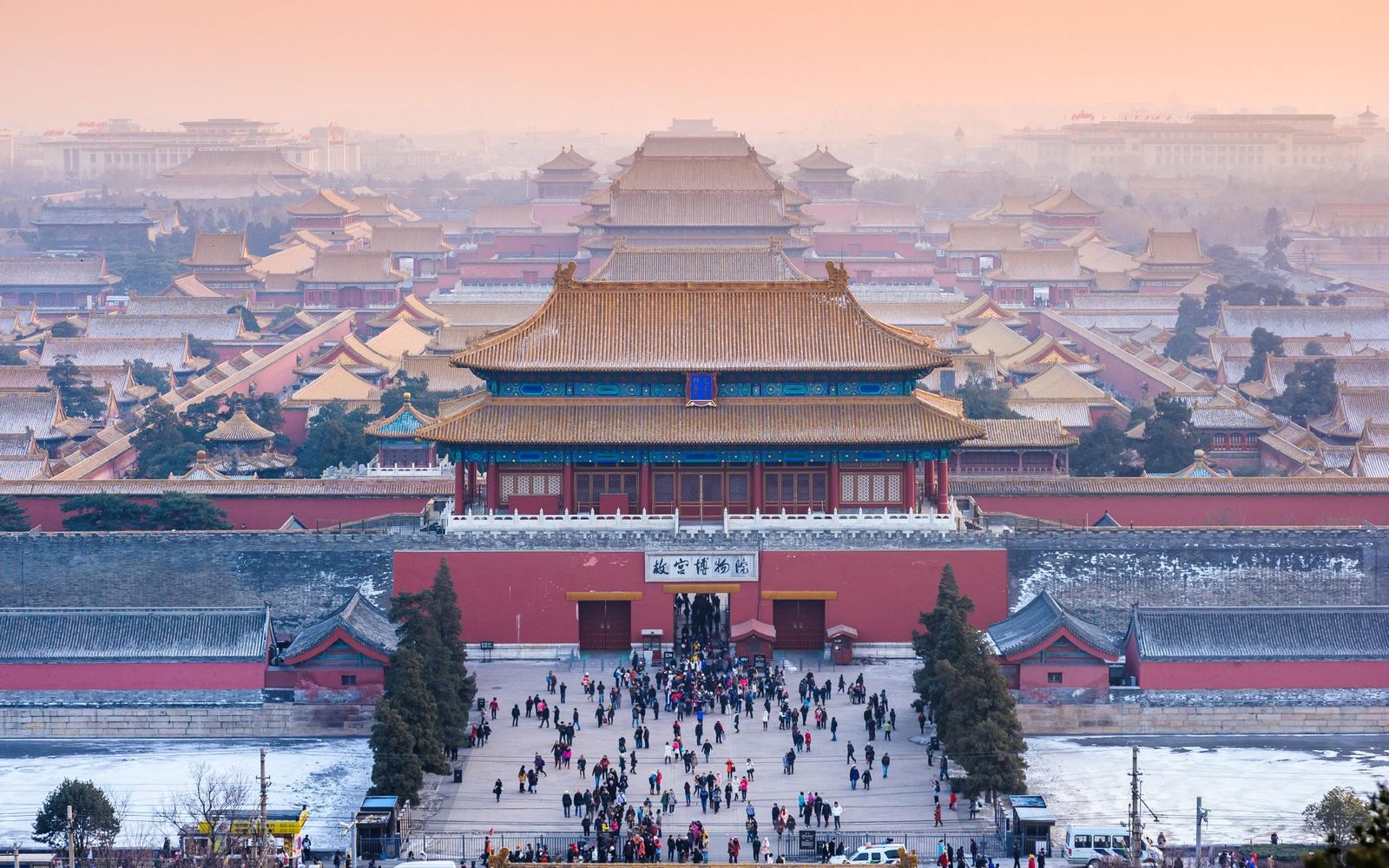
The Palace Museum (Forbidden City)
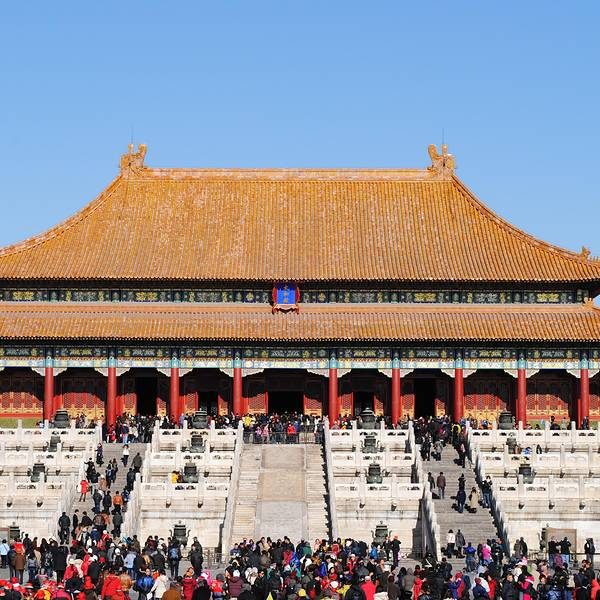
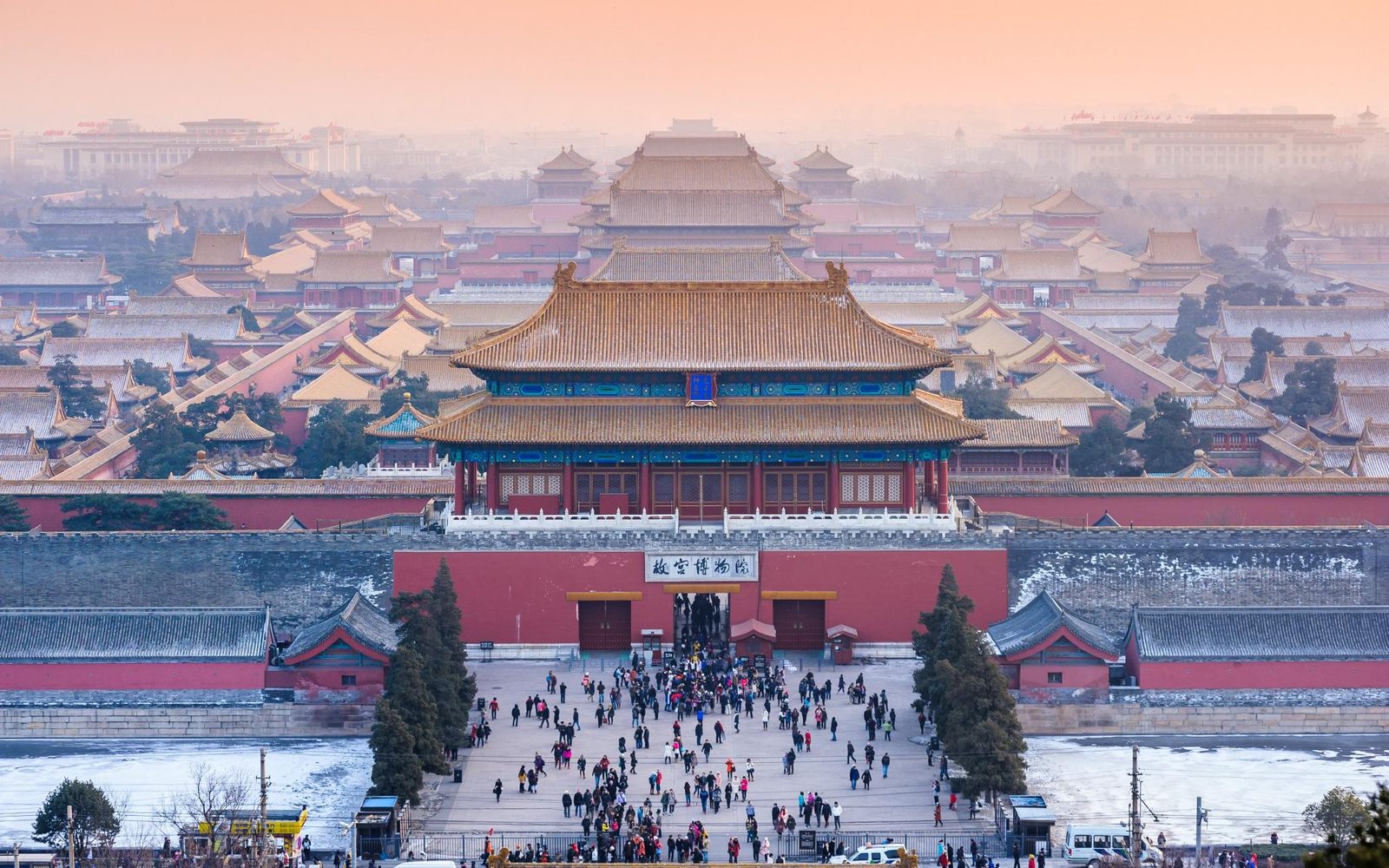
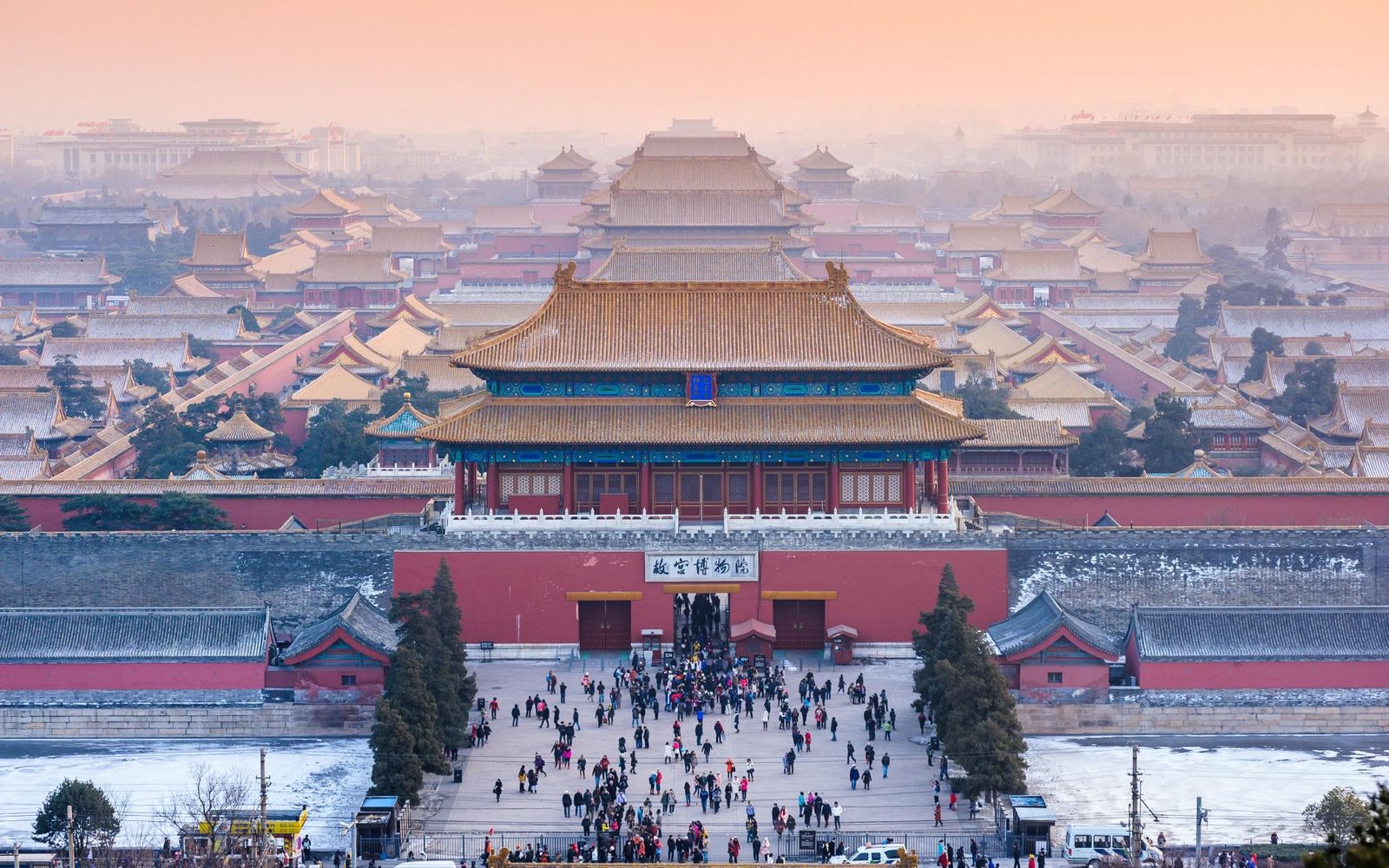
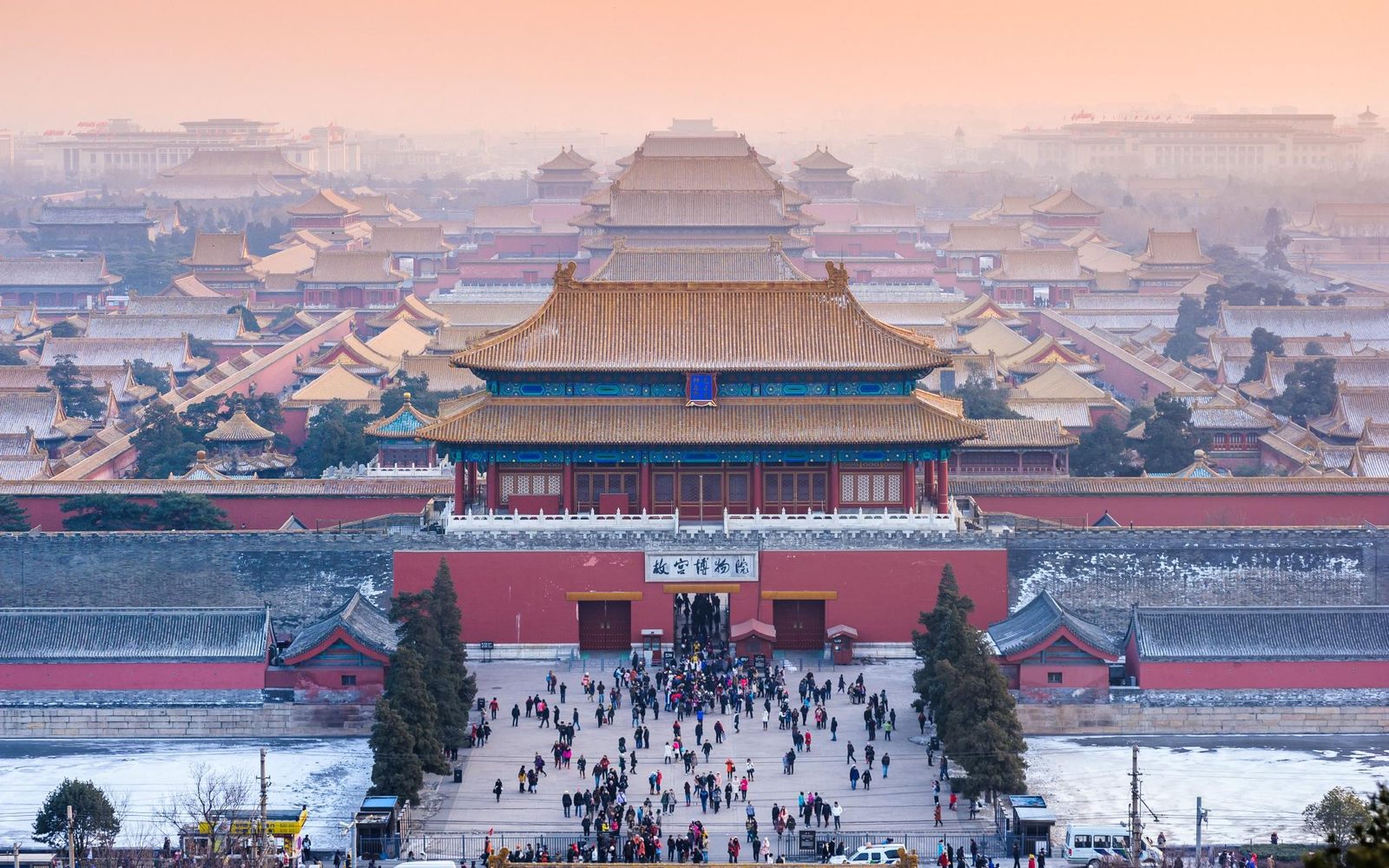
AttractionCompleted in the 18th year of Ming Yongle (1420), the imperial palace where 24 emperors of the Ming and Qing dynasties lived and ruled, formerly the Forbidden City: covering 720,000 sq m with over 8,700 rooms, the world's largest and best-preserved wooden palace complex
 7
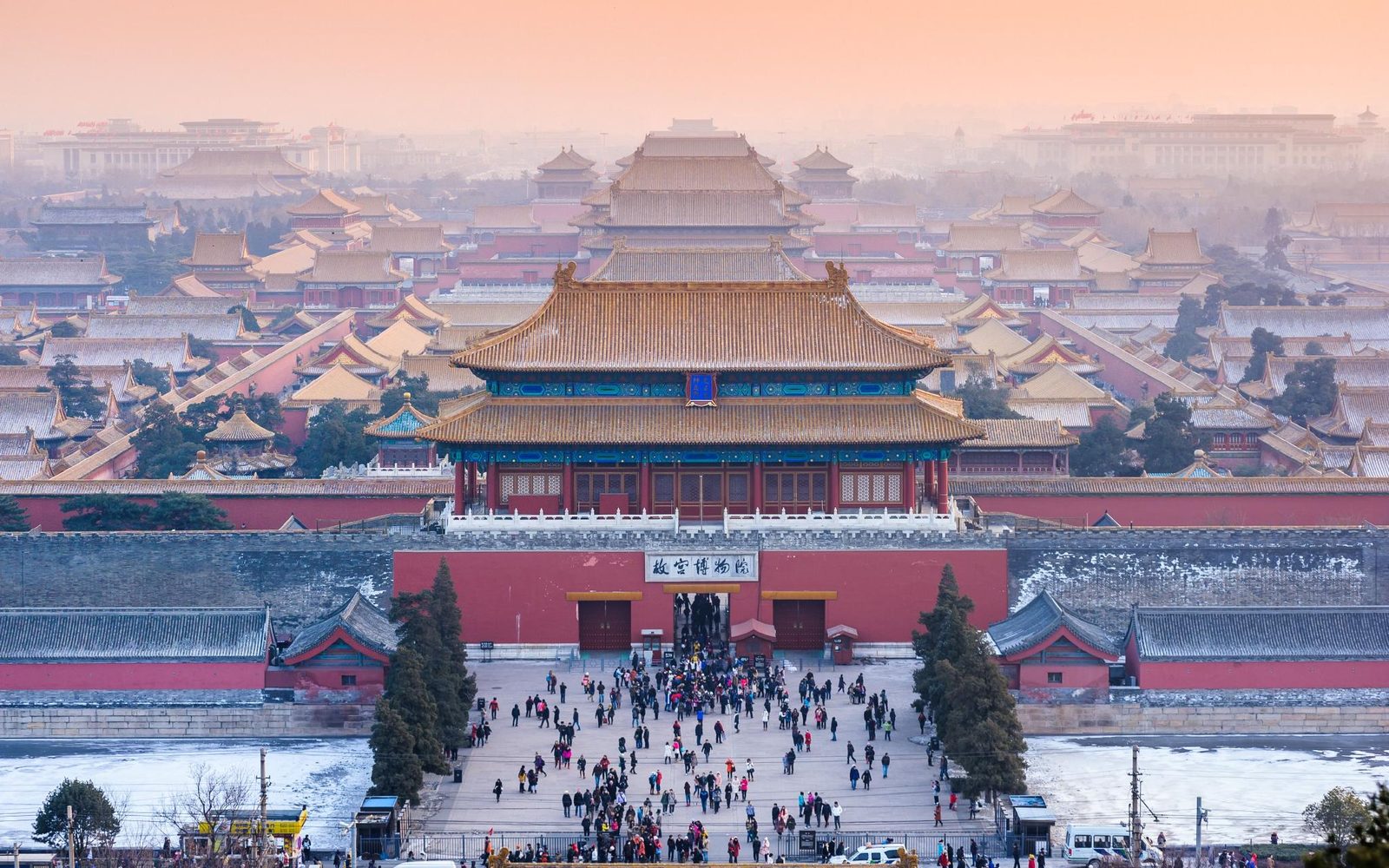
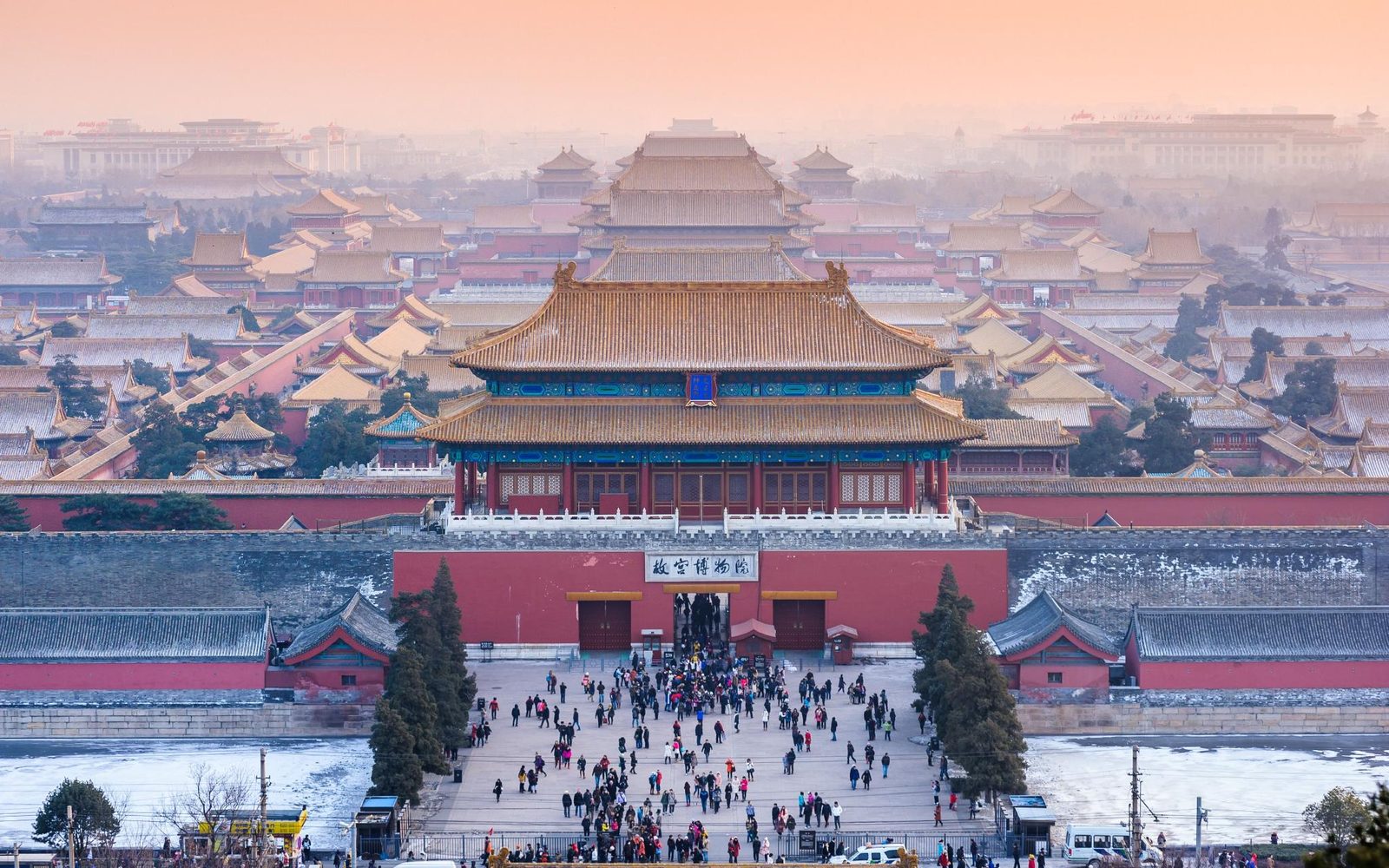
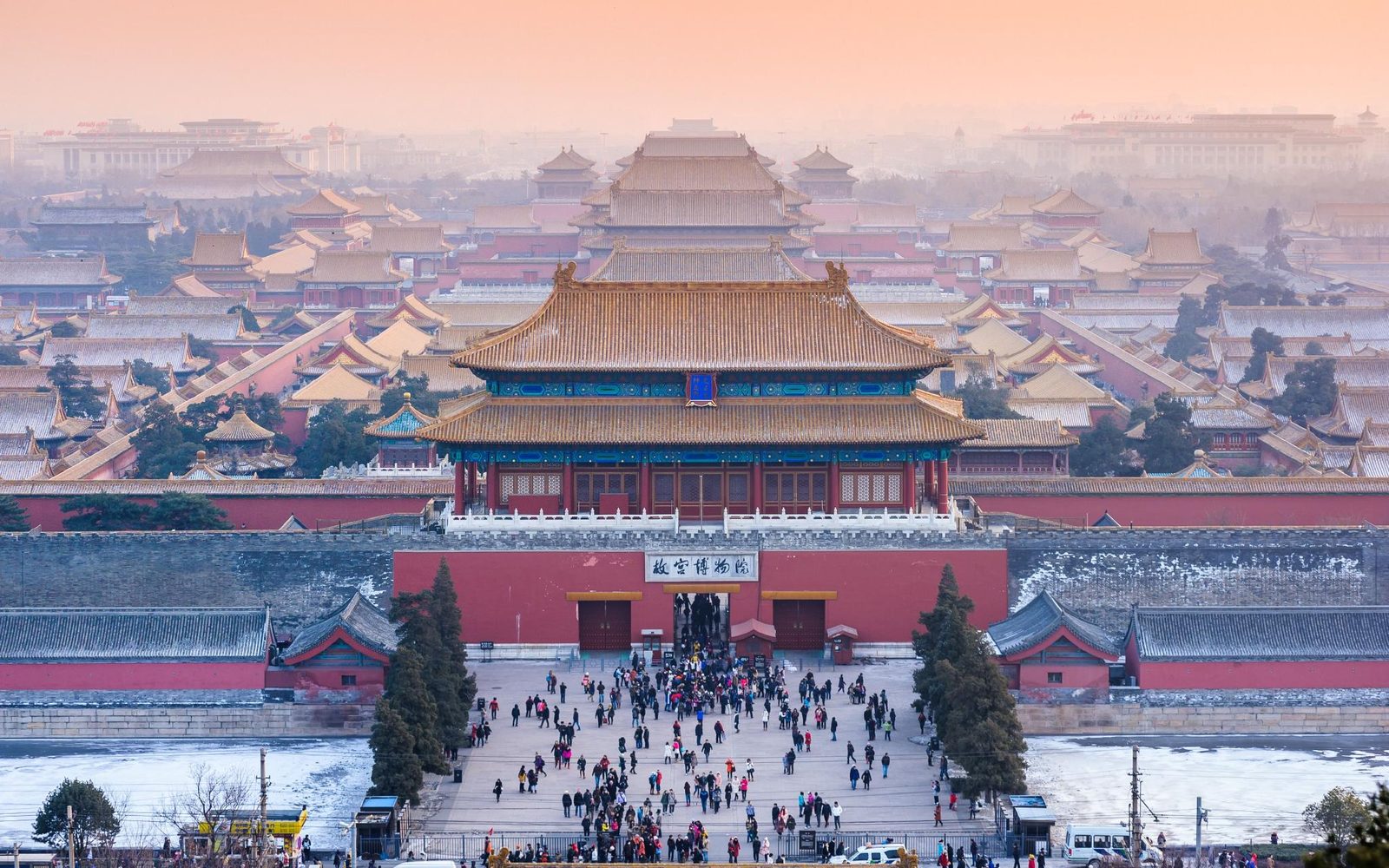
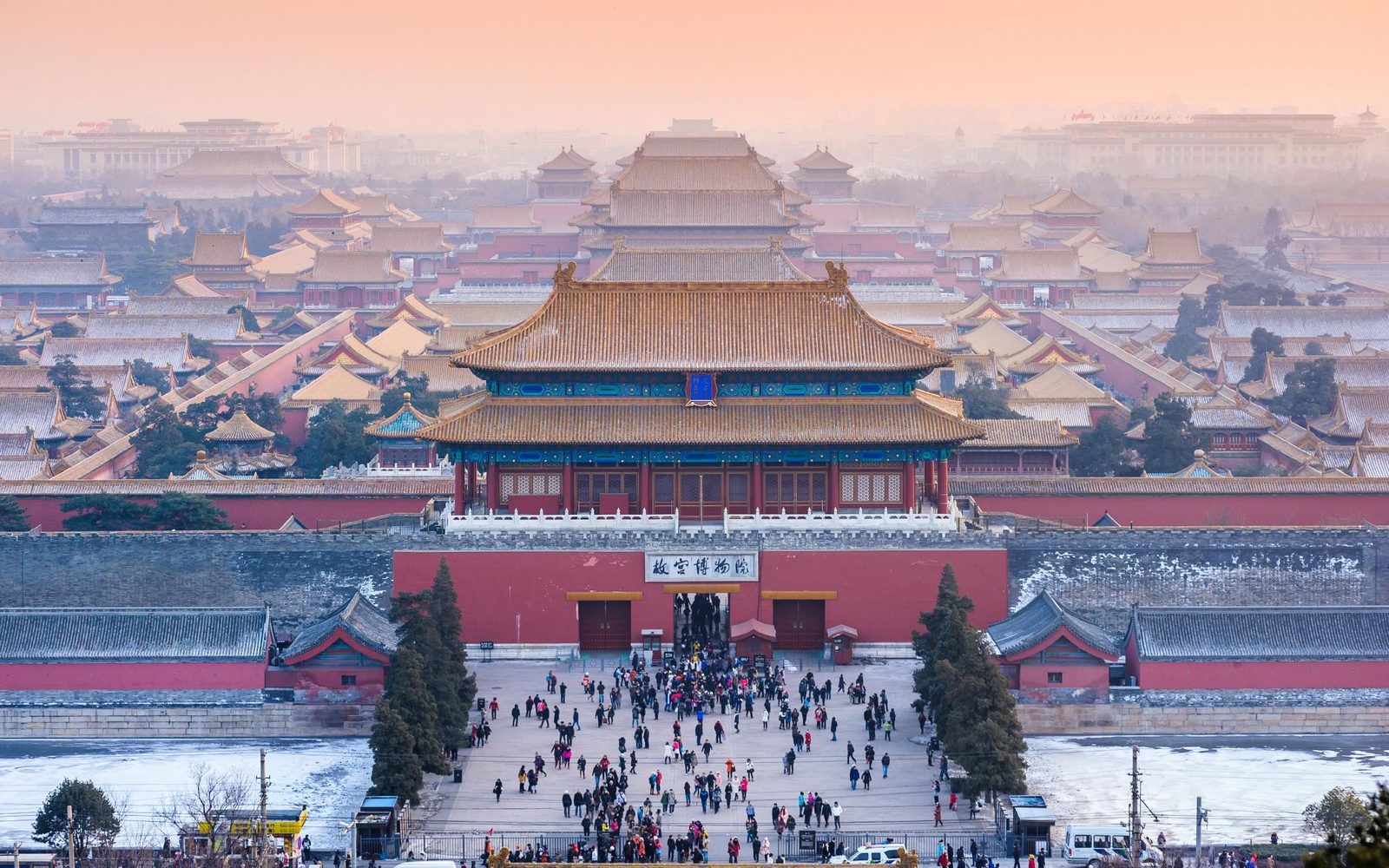
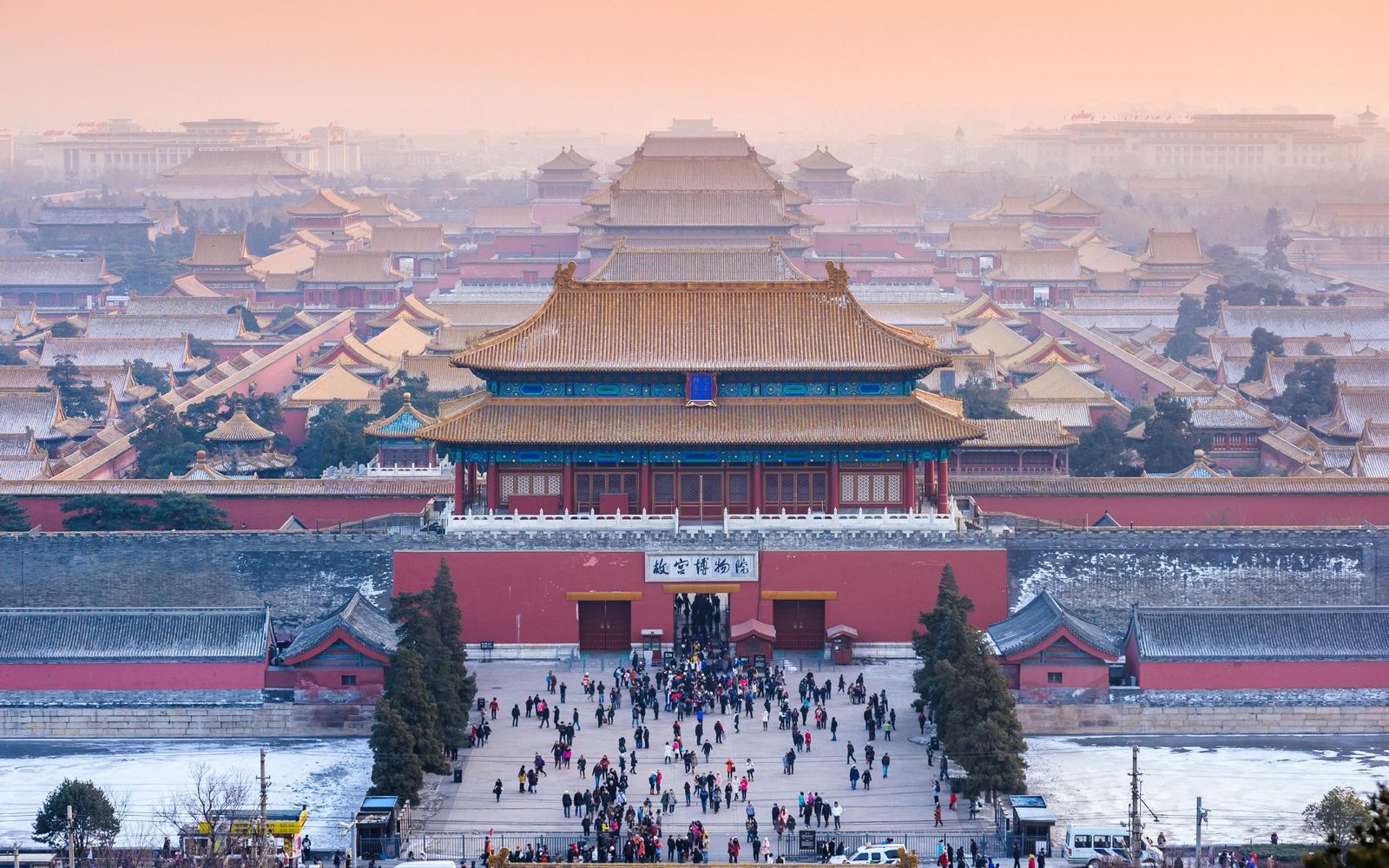
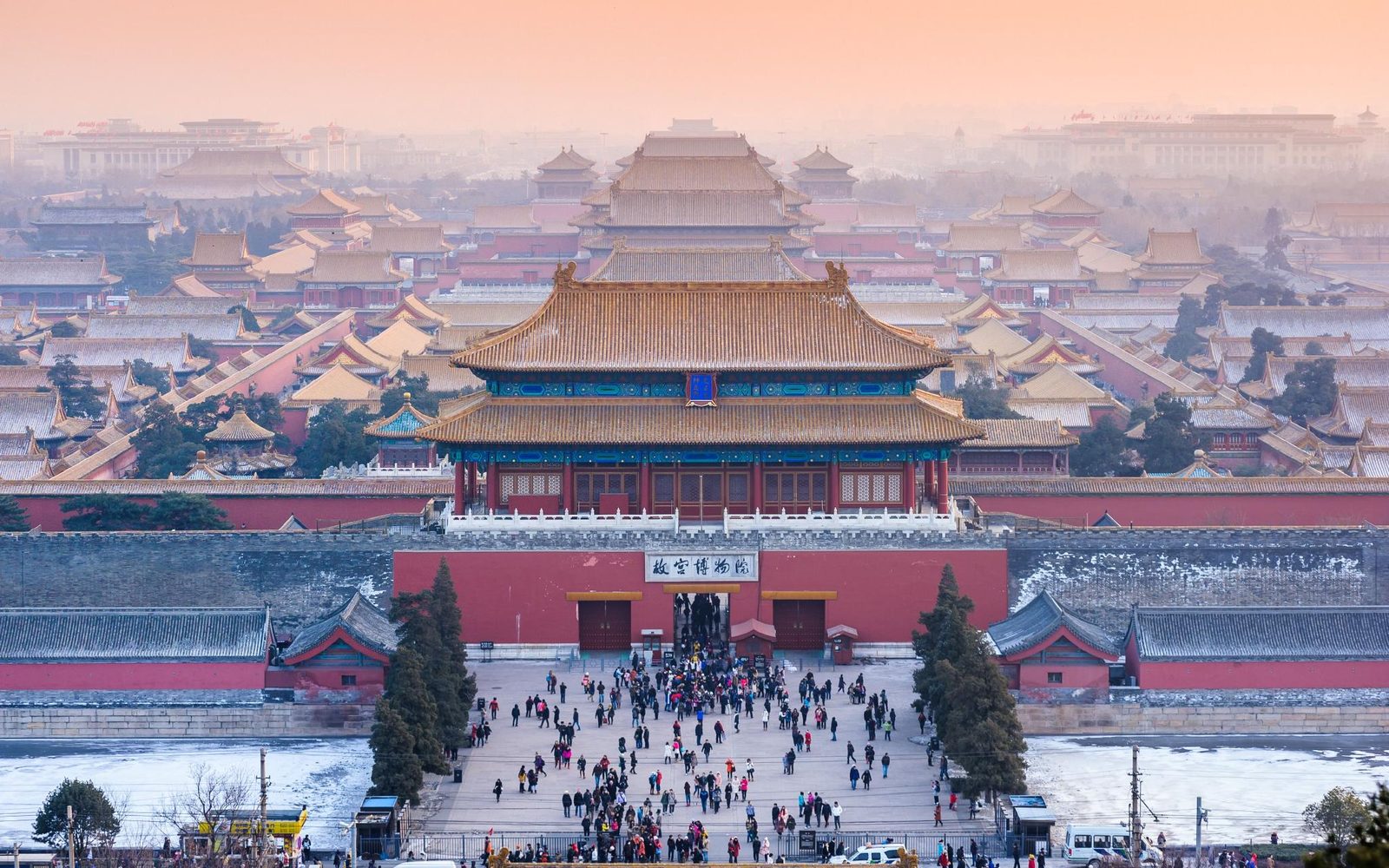
Jingshan Park
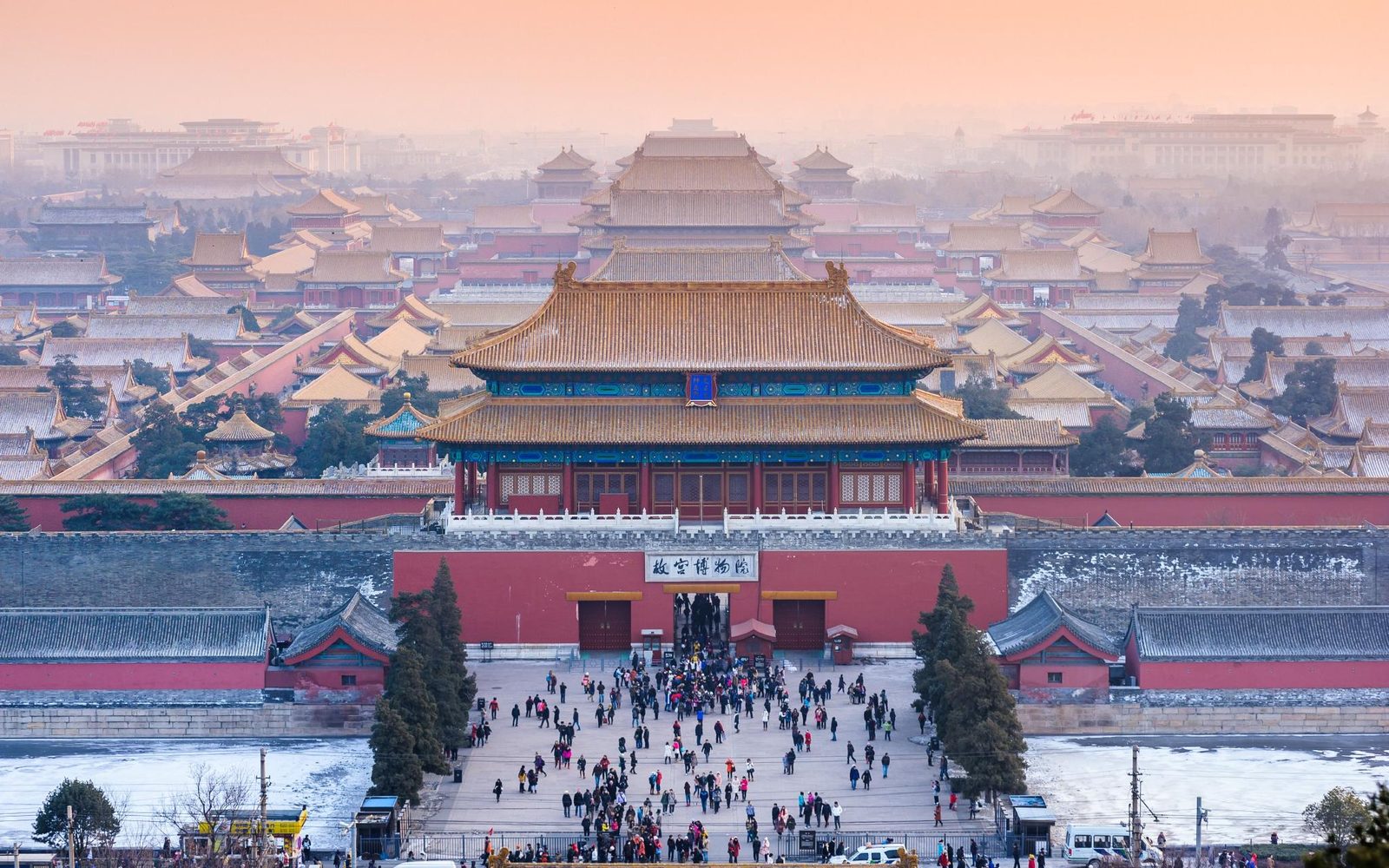
AttractionA small hill park directly facing the Forbidden City's Shenwu Gate, built in the Ming Wanli era from moat-digging earth and palace rubble, formerly Coal Hill: Wanchun Pavilion on the central peak is the high point of Beijing's Central Axis—the only vantage for a panorama of the Forbidden City's golden roofs, looking south to the palace and north to the Bell and Drum Towers
 8
Bell and Drum Towers
AttractionA timekeeping building complex at the north end of Beijing's Central Axis: the capital's "drums at dusk, bells at dawn" system ran from Yuan Dadu to the late Qing; the Drum Tower stands over 40 m tall with one main drum and 24 drums symbolizing the 24 solar terms, while the Bell Tower hangs the great Ming Yongle bronze bell (weighing dozens of tons, the heaviest ancient bell surviving in...
 9
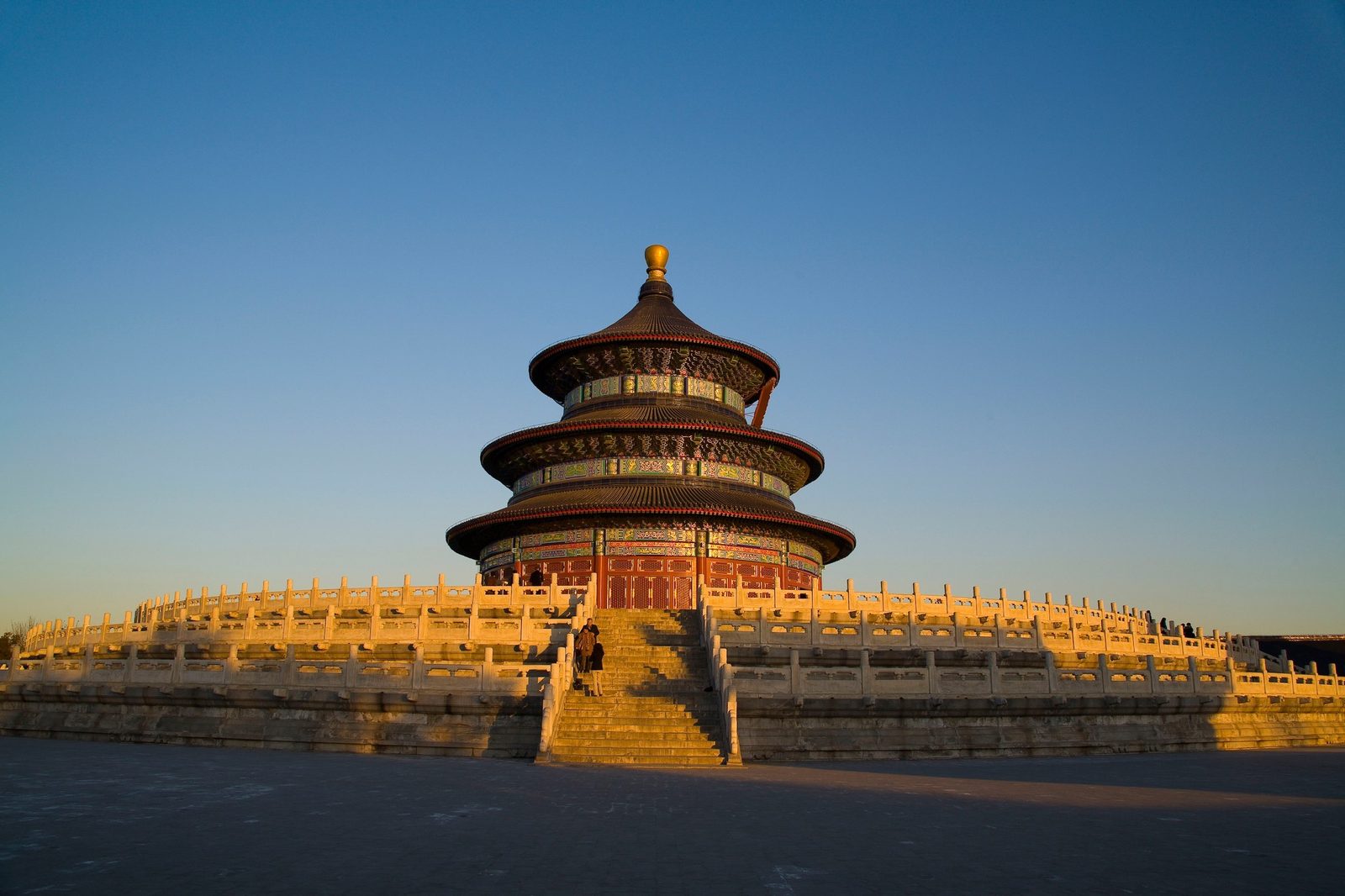
Temple of Heaven
AttractionBuilt in the 18th year of the Ming Yongle reign (1420), this imperial altar complex was where emperors of the Ming and Qing sacrificed to heaven and prayed for good harvests: the Hall of Prayer for Good Harvests, with its triple-eaved conical roof and gilded finial, built entirely of mortise-and-tenon timber without a main beam, is an iconic symbol of ancient Chinese architecture
 10
Temple of Earth (Ditan Park)
AttractionBuilt in the 9th year of the Ming Jiajing reign (1530), Fangzetan (the Square Water Altar) was where emperors of the Ming and Qing sacrificed to the 'God of Earth,' echoing the Temple of Heaven to the south: the altar is ringed by a square water channel symbolizing 'round heaven and square earth'; ancient cypresses shroud the grounds, and it opened as a public park in 1925
 11
Qianmen Street & Dashilan
AttractionQianmen Street was the 'Heavenly Street' of the Ming and Qing dynasties, along the imperial route by which emperors left the city for the Temple of Heaven, starting in the north at the Zhengyangmen Archery Tower
 12
Zhengyangmen (Qianmen)
AttractionBeijing's main southern inner-city gate, commonly known as Qianmen, comprises a gate tower and an archery tower; it ranked first among the nine inner-city gates of the Ming and Qing and held the status of the 'national gate': the gate tower dates to the Ming Yongle reign, and its present form is the result of repeated restorations after it burned down in 1900
 13
Ming City Wall Relics Park
AttractionAbout 1.5 km of the surviving Ming inner-city wall preserved along the stretch from Chongwenmen to the Southeast Corner Tower: most of Beijing's city wall was demolished in modern times, and this is the only surviving section of the original rampart; the relics park was completed in 2003
 14
Summer Palace
AttractionChina's largest surviving imperial garden, covering about 2.9 sq km, three-quarters of it Kunming Lake: in 1750 Emperor Qianlong built Qingyi Garden in the name of water-conservancy works; it was burned by the Anglo-French forces in 1860, and in 1888 Empress Dowager Cixi rebuilt it and renamed it the Summer Palace
 15
Old Summer Palace (Yuanmingyuan)
AttractionThe Qing dynasty's "Garden of Gardens": in 1709 the Kangxi Emperor granted it to his fourth son (the future Yongzheng Emperor); developed over 150-plus years under six emperors and merged with Changchun Garden and Qichun Garden, it formed an imperial garden of roughly 350 hectares that brought together the finest of Chinese and Western garden art
 16
Beihai Park
AttractionAn imperial garden through five dynasties—Liao, Jin, Yuan, Ming and Qing—with over 800 years of history: the Liao built Yaoyu Palace here, and the Yuan centered the Dadu palace city on Qionghua Island, hence the saying "Beihai existed before the city of Beijing"
 17
Fragrant Hills Park
AttractionA royal hill-and-forest park in the western suburbs: the Jin dynasty built Yong'an Temple, the Qianlong Emperor of the Qing expanded it into Jingyi Garden with its 28 scenes, and after it burned in 1860 parts were restored
 18
China National Botanical Garden
AttractionCreated in 2021 by merging the CAS Institute of Botany garden with Beijing Botanical Garden—China's first national botanical garden: the Wofo (Reclining Buddha) Temple inside was first built in the Tang Zhenguan era, and its Yuan-dynasty cast-bronze reclining Sakyamuni statue weighs dozens of tons, making it a famed Beijing temple
 19
Ming Tombs (Shisanling)
AttractionThe Ming Yongle Emperor Zhu Di chose Tianshou Mountain to build Changling; this imperial tomb complex, where 13 Ming emperors were subsequently buried, was listed as a UNESCO World Heritage Site in 2003: the 24 stone statues flanking the Sacred Way are Ming stone-carving masterpieces, and the Great Palace Gate and stone archway form the gateway to the tomb area
 20
Peking Man Site at Zhoukoudian
AttractionA UNESCO World Heritage Site and sacred ground for the study of human origins: in 1929 the young scholar Pei Wenzhong unearthed the first complete "Peking Man" skullcap at the Ape Man Cave, stunning the academic world and providing proof of the Homo erectus stage and traces of fire use
 21
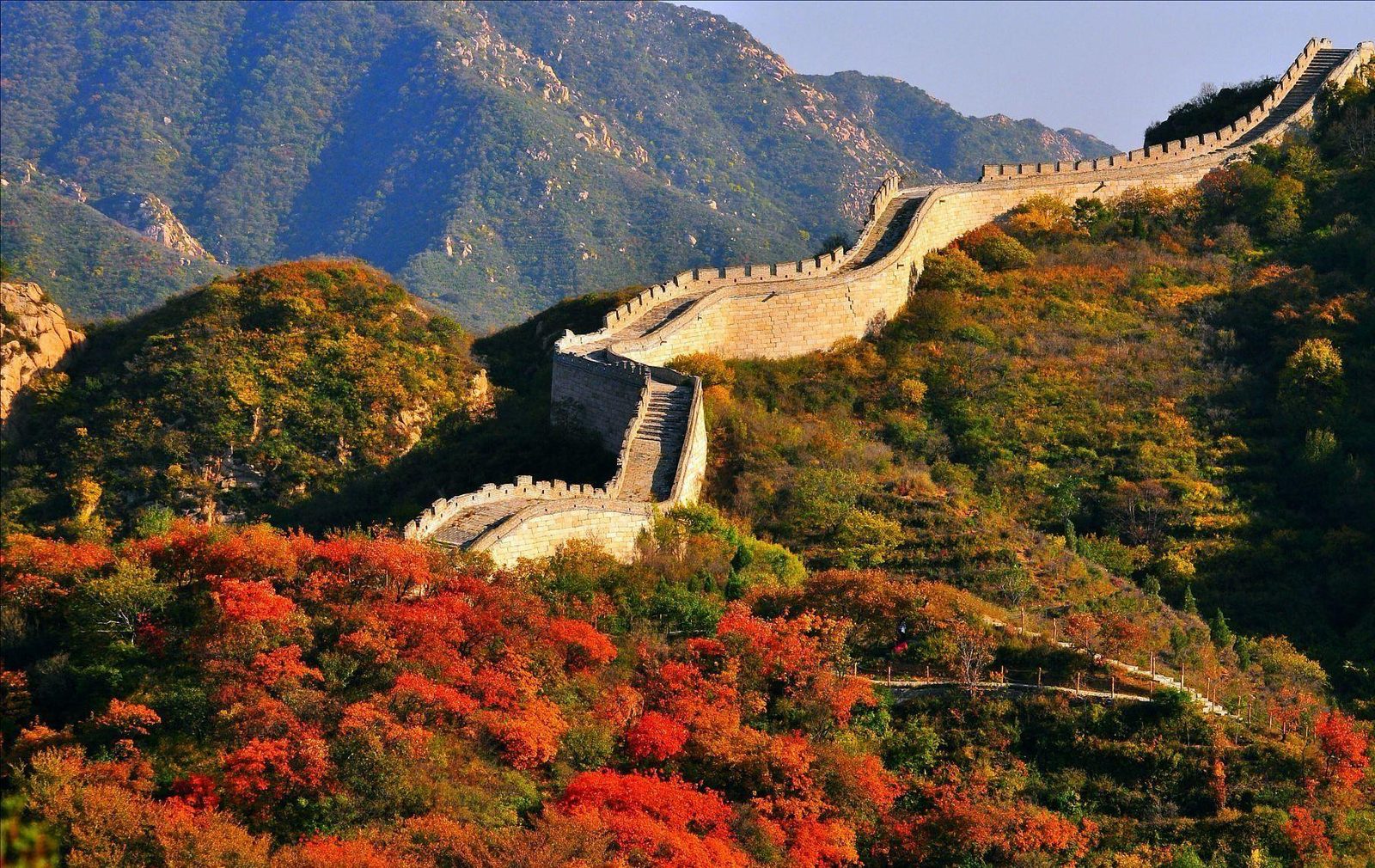
Badaling Great Wall
AttractionA highlight stretch of the Ming Great Wall and a perilous strongpoint beyond Juyongguan Pass — "the danger of Juyong lies not in the pass itself but at Badaling": the pass fortress was built in the Ming Hongzhi era; the wall winds along the ridges of the Jundu Mountains; cable cars run on both the south and north lines, and the north-line "Hero Slope" climbs straight up to Tower 8 North — the best-equipped section of the Great Wall for visitors.
 22
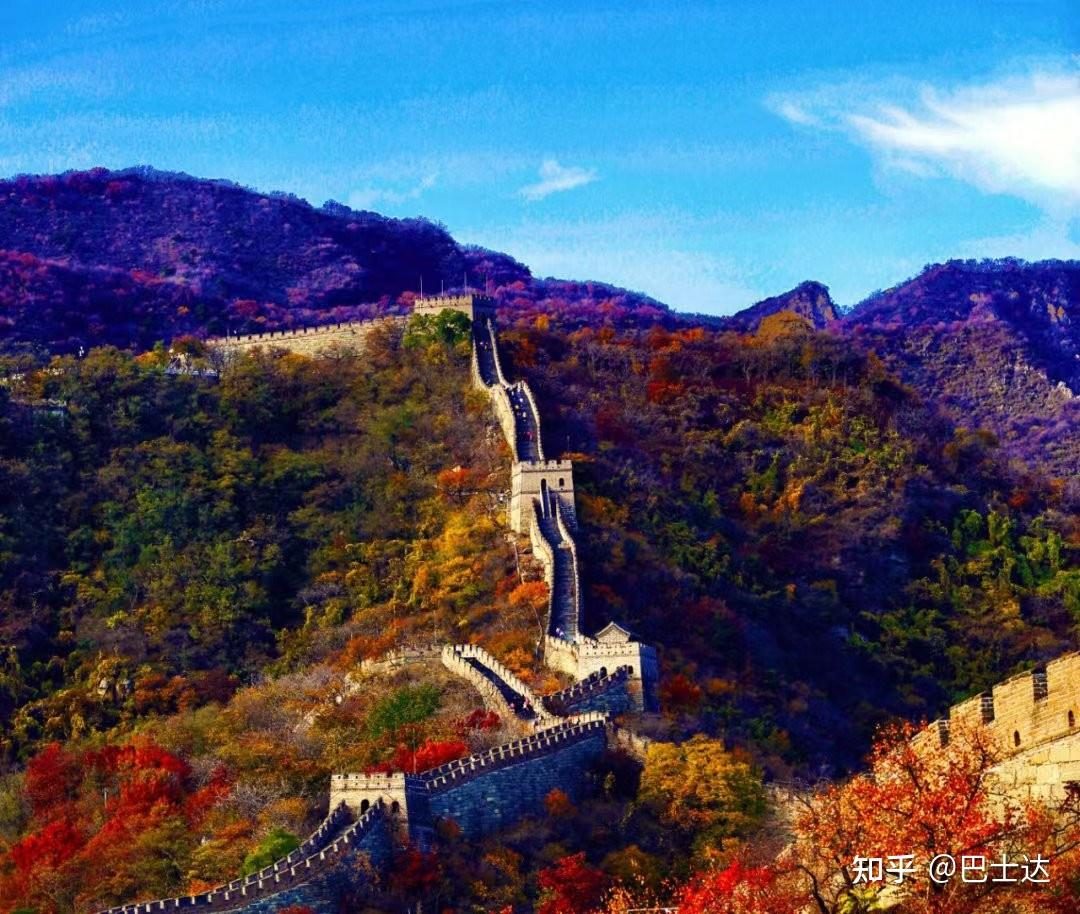
Mutianyu Great Wall
AttractionA stretch of the Great Wall in Huairou built under the supervision of early-Ming general Xu Da, with densely packed watchtowers, exceptionally high vegetation coverage and clearly distinct four-season scenery: Zhengguantai, where three watchtowers stand side by side, is unique in Great Wall architecture, and high points such as Dajiaolou (Big Corner Tower) and Niujijiaobian (Ox Horn Bend) offer sweeping views.
 23
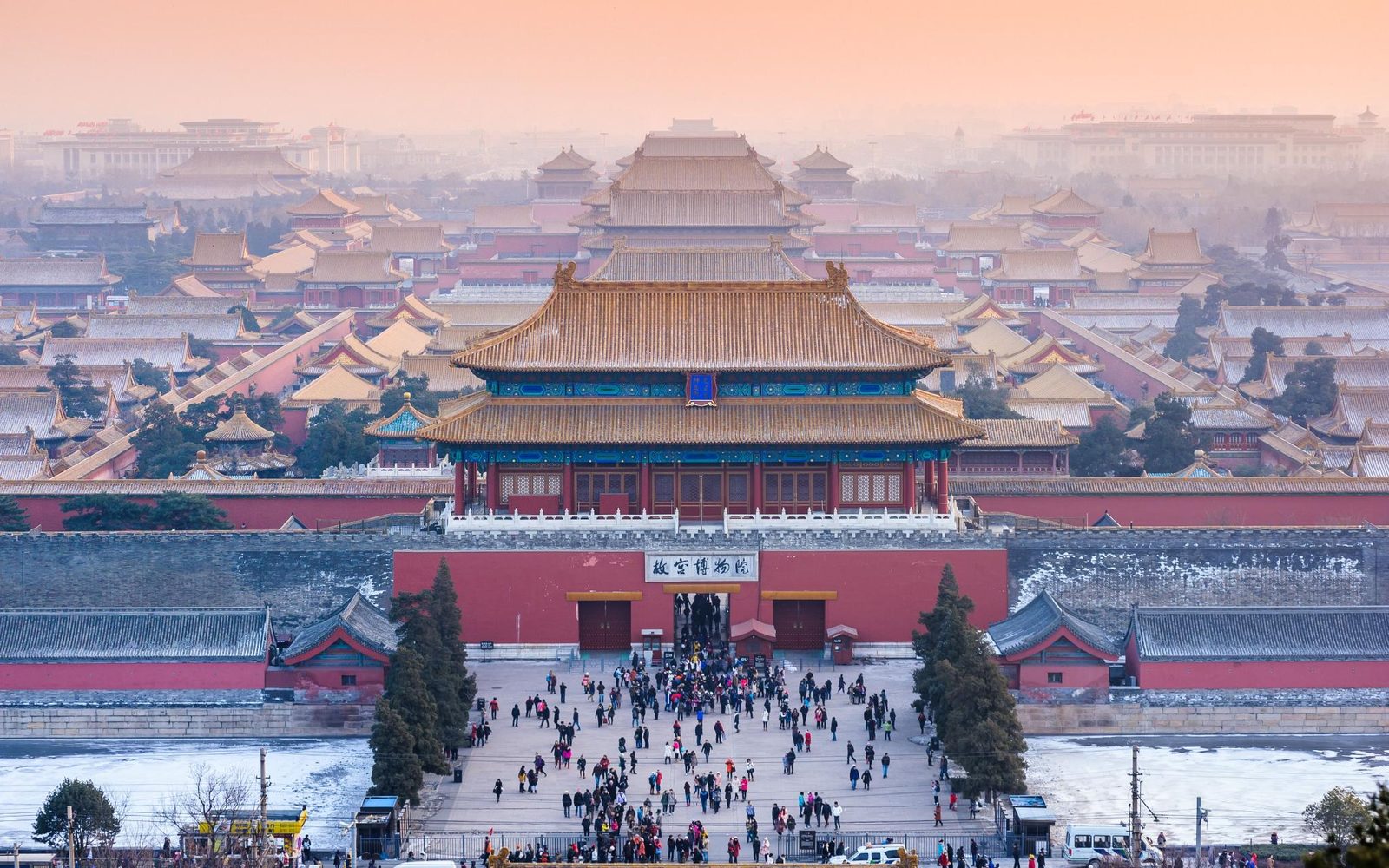
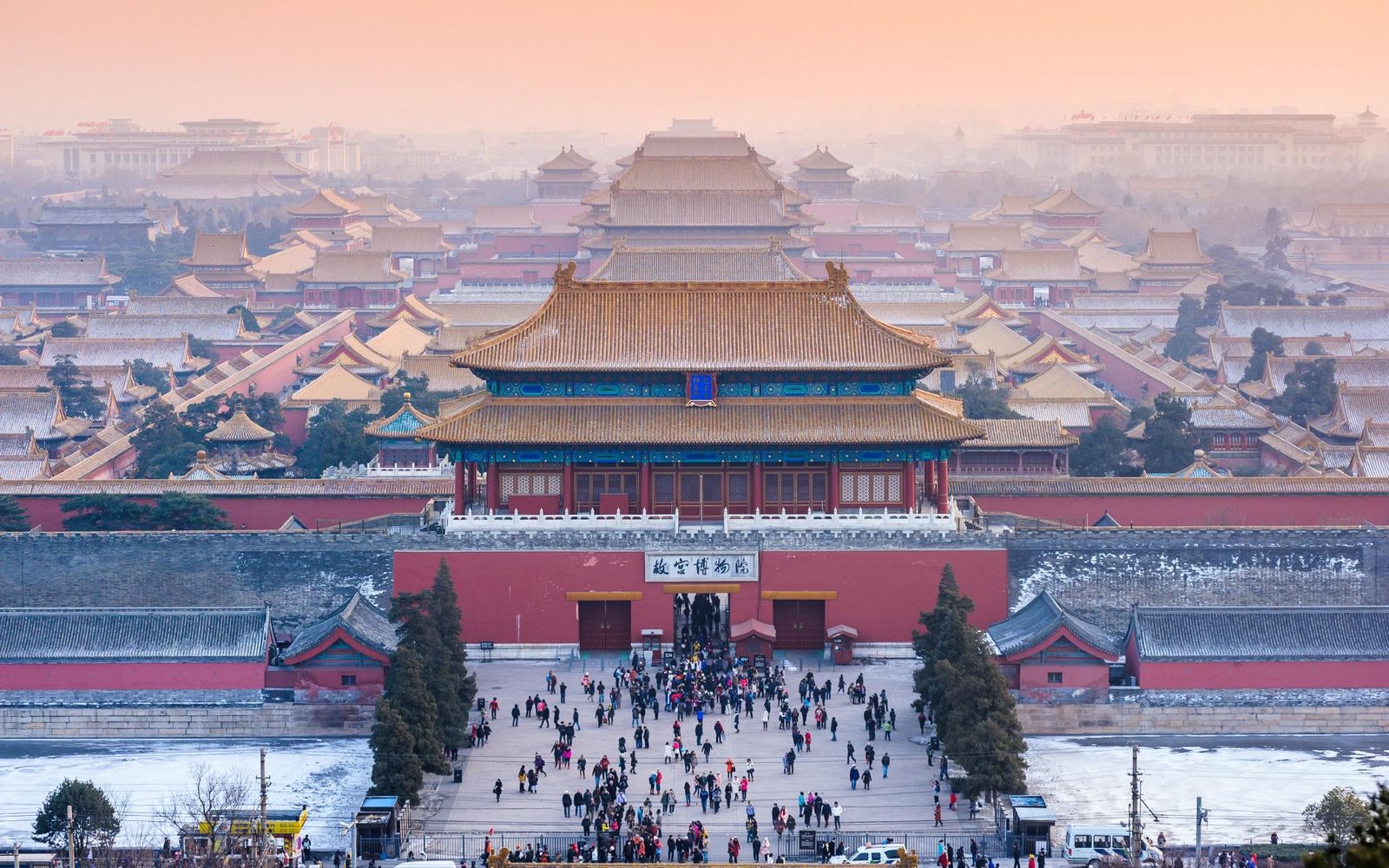
Simatai Great Wall · Gubei Water Town
AttractionThe Simatai Great Wall is the best-preserved original section of the Ming Great Wall, praised by Great Wall scholar Luo Zhewen as "the finest stretch of China's Great Wall": watchtowers such as Wangjinglou (Watching-Beijing Tower) and Xiannülou (Fairy Tower) perch on perilous peaks; its character is summed up in five words — steep, dense, remarkable, ingenious, complete — and it is the only Great Wall section in China open for night visits...
 24
Juyongguan Great Wall
AttractionA famed Great Wall pass north of Beijing, with the plaque "The First Magnificent Pass Under Heaven" hanging high: Juyongguan commands the Jundu Corridor, one of the eight passes of the Taihang Mountains; a pass has existed here since the Han dynasty, and the Ming-era fortress survives intact.
 25
Huanghuacheng Water Great Wall
AttractionA unique section in Huairou District famous for "the Great Wall meeting the water": three stretches of the Ming Great Wall dip into Haoming Lake, and "the Wall around the lakeshore, a giant dragon sporting in blue water" is a landscape combination rarely seen in China.
 26
Shichahai · Houhai
AttractionA remnant of the Yuan-dynasty Jishuitan grain-shipping wharf, made up of three waters — Qianhai (Front Sea), Houhai (Rear Sea) and Xihai (West Sea): after Guo Shoujing opened the Tonghui River in the Yuan dynasty, this was the terminal wharf for grain barges heading north from the south, and the spectacle of "boats blanketing the water" lasted for centuries.
 27
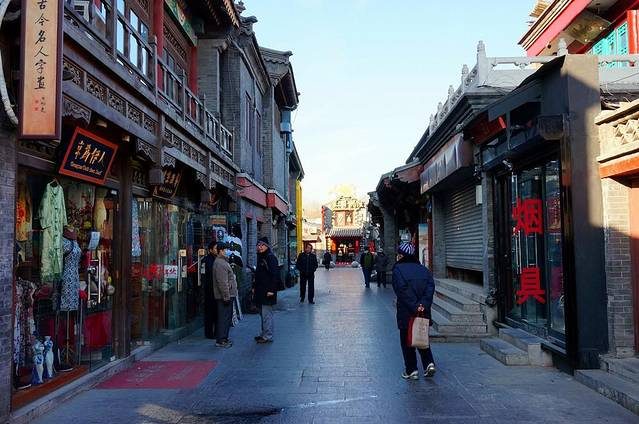
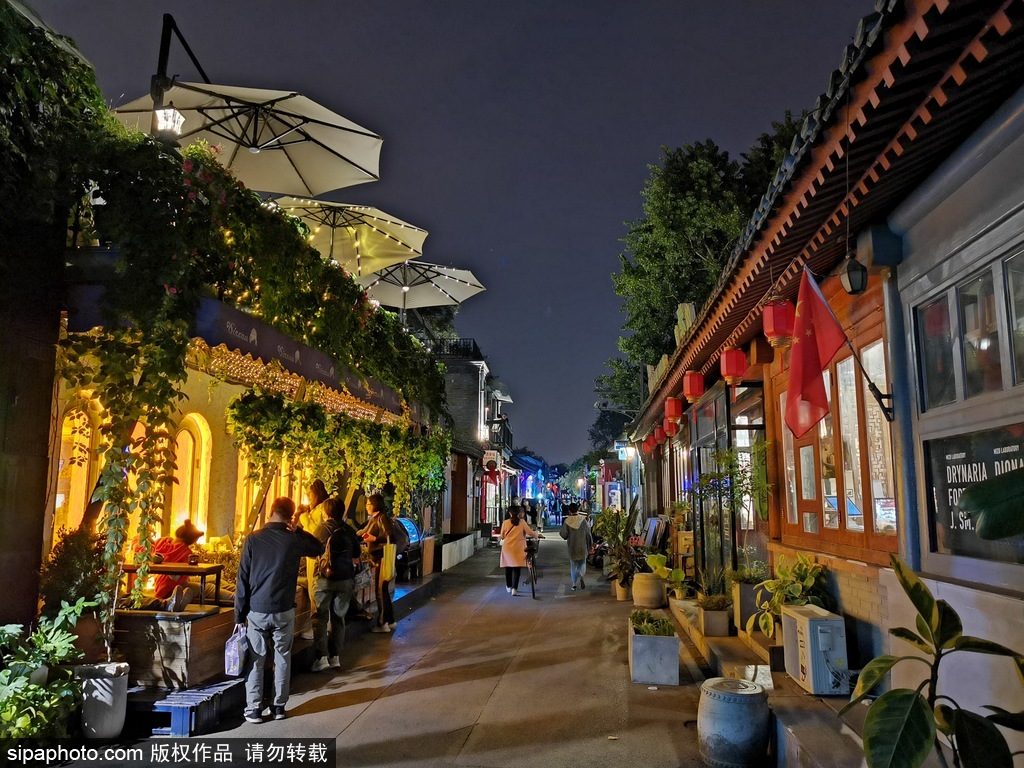
Nanluoguxiang Hutong
AttractionA famous hutong surviving from the Yuan dynasty's lifang (residential ward) system, about 787 m long; the main lane and the 16 hutongs on either side spread out symmetrically like a "centipede", hence the old name "Centipede Street": Mao'er Hutong preserves the former residence of Wanrong, the last empress; Dongmianhua Hutong is home to the Central Academy of Drama; Yu'er Hutong has the former residence of Qi Baishi…
 28
Wudaoying Hutong
AttractionA garrison camp of the Ming dynasty's 'Wude Guard' (Wudewei), now Beijing's most atmospheric artsy hutong: separated from Yonghe Temple (Lama Temple) by just one wall, with cafés, select boutiques, Old Beijing hotpot and craft-beer bars scattered along it, where gray walls and gray tiles coexist with a community feel of "shopkeepers as neighbors"
 29
Yandai Xiejie (Skewed Tobacco Pouch Street)
AttractionA slanted street off Di'anmen Outer Street, named after the tobacco-pouch shops of the Qing dynasty (bannermen's fondness for smoking gear turned it into a whole trade): about 230 m long, it links Di'anmen with Yinding Bridge and is the shortest and densest commercial slanted street around Shichahai — the street itself is a "street fossil" formed after a Yuan dynasty grain-transport canal silted up…
 30
Guozijian Street
AttractionAn ancient-street layout of "one market, one tower, one temple, one street", with four street-spanning archways unique in the capital: the Confucius Temple on the east side was the state venue for honoring Confucius through the Yuan, Ming and Qing dynasties; 198 jinshi (top graduate) steles engrave the names of more than 50,000 jinshi — imperial-examination history within arm's reach
 31
Yangmeizhu Xiejie (Slanted Street)
AttractionA street of Republican-era publishing houses west of Dashilan: the former sites of World Book Company and Zhongzheng Book Company line the street, and the old Qingyunge Building is a mixed-use commercial building from the late Qing and early Republic
 32
Baitasi (White Pagoda Temple) Neighborhood
AttractionA renewed hutong district centered on the Yuan dynasty's White Pagoda of Miaoying Temple: designed in 1271 by the Nepali craftsman Araniko, the pagoda rises 51 m in total height and is Beijing's oldest surviving landmark; the "White Pagoda looming over hutong rooftops" camera angle has become a photography signature
 33
Lama Temple (Yonghe Temple)
AttractionBeijing's largest Tibetan Buddhist temple: built during the Kangxi era as the Prince Yong Mansion for the fourth imperial son Yinzheng (later Emperor Yongzheng), it is the birthplace of Emperor Qianlong and was converted into a lama temple in 1744 — the only site of its kind, both a "blessed land where the dragon lay hidden" princely mansion and a Buddhist temple
 34
Tanzhe Temple
Attraction"First there was Tanzhe Temple, then came the city of Beijing" — founded in the Western Jin era (originally named Jiafu Temple), it is Beijing's oldest temple, named after the Dragon Pool behind it and the many cudrania (zhe) trees on the hills
 35
Jietai Temple
AttractionFounded in the Tang dynasty (originally named Huiju Temple); the Liao-dynasty monk Fazhen built an ordination platform here, one of the "three great ordination platforms of China" together with Zhaoqing Temple in Hangzhou and Kaiyuan Temple in Quanzhou — and its platform is the largest in the country: rebuilt by imperial decree in the Ming dynasty, the Peony Courtyard was where Qing emperors and empresses stayed on their visits, and Emperor Qianlong left many inscriptions here
 36
Hongluo Temple
AttractionA millennium-old temple in Huairou District, founded in the Eastern Jin era and named after the "Red Snail Fairy" legend: folk saying has it that "in the south there is Putuo, in the north there is Hongluo" — as Guanyin's northern place of worship it draws especially fervent prayers for love and children
 37
Yunju Temple
AttractionA famed millennium-old temple at the foot of Baidai Mountain in Fangshan: the Sui-dynasty monk Jingwan, in a grand vow to protect the Dharma, began carving sutras in stone, an endeavor carried on for a thousand years to produce the "Buddhist canon in stone"; 14,278 stone-carved Buddhist sutras survive in the scripture caves of Shijing Mountain and the underground vault beneath the temple, earning it the name "the world's largest stone-carved library"
 38
White Pagoda Temple (Miaoying Temple)
AttractionAlso known as Miaoying Temple, centered on the Yuan-dynasty White Stupa: built in 1271 under the direction of the Nepalese craftsman Araniko, this Tibetan-style inverted-bowl stupa, 51 m tall overall, is one of the oldest surviving buildings in Beijing, commissioned by Emperor Shizu of Yuan (Kublai Khan) as a blessing landmark for Dadu
 39
Niujie Mosque
AttractionBeijing's largest mosque, founded in 996 (2nd year of the Zhidao reign, Northern Song): Chinese-style timber architecture paired with Arabic-style decorative motifs; the Shaikh Tombs (graves of Song-dynasty sages) and steles of successive dynasties preserve the history of Islam's spread in China; the Moon-Watching Tower (Wangyue Lou) has a unique form.
 40
Dongyue Temple
AttractionThe foremost Zhengyi Taoist temple in North China, founded in 1319 by Zhang Liusun, Grand Master of the Xuanjiao sect in the Yuan dynasty, with the God of Mount Tai (Dongyue Dadi) as its main deity: the Daiyue Hall and the Seventy-Two Departments (underworld offices said to govern human fortune and misfortune) form a vast statue ensemble; Ming-dynasty steles stand in rows, and the glazed-tile archway in front of the temple is a Ming relic.
 41
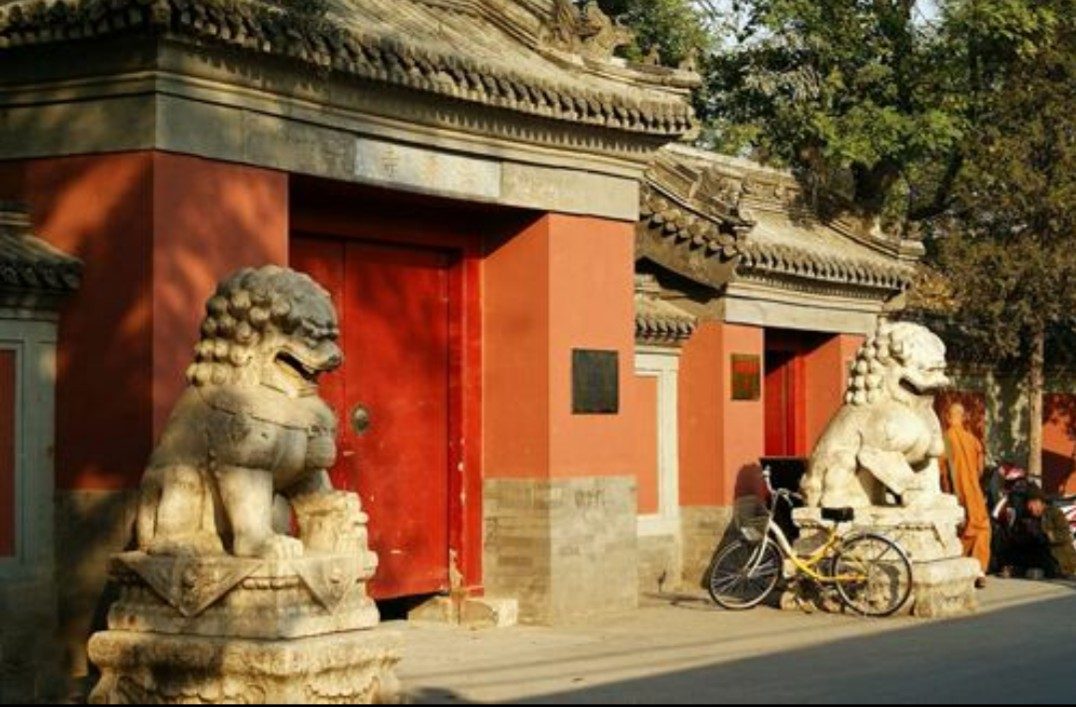
Dajue Temple
AttractionAn ancient temple in the Western Hills founded in the Liao dynasty and formerly named Qingshui Yuan (Clear Water Courtyard): its Liao-dynasty stele 'Record of the Sutra Repository of Qingshui Yuan at Yangtai Mountain' is a celebrated piece among Yanjing (old Beijing) inscriptions; in the Jin dynasty it served as a royal lodging, and after a Qing-dynasty renovation it took on an imperial-palace-style layout.
 42
Fayuan Temple
AttractionOne of the oldest famous temples in Beijing: built by imperial decree during the Zhenguan reign of the Tang dynasty to mourn soldiers killed in the eastern campaigns (originally Minzhong Temple, 'Temple of Mourning the Loyal'); Emperor Qinzong of Song was imprisoned here in the Jin dynasty; renamed Fayuan Temple during the Yongzheng reign of the Qing.
 43
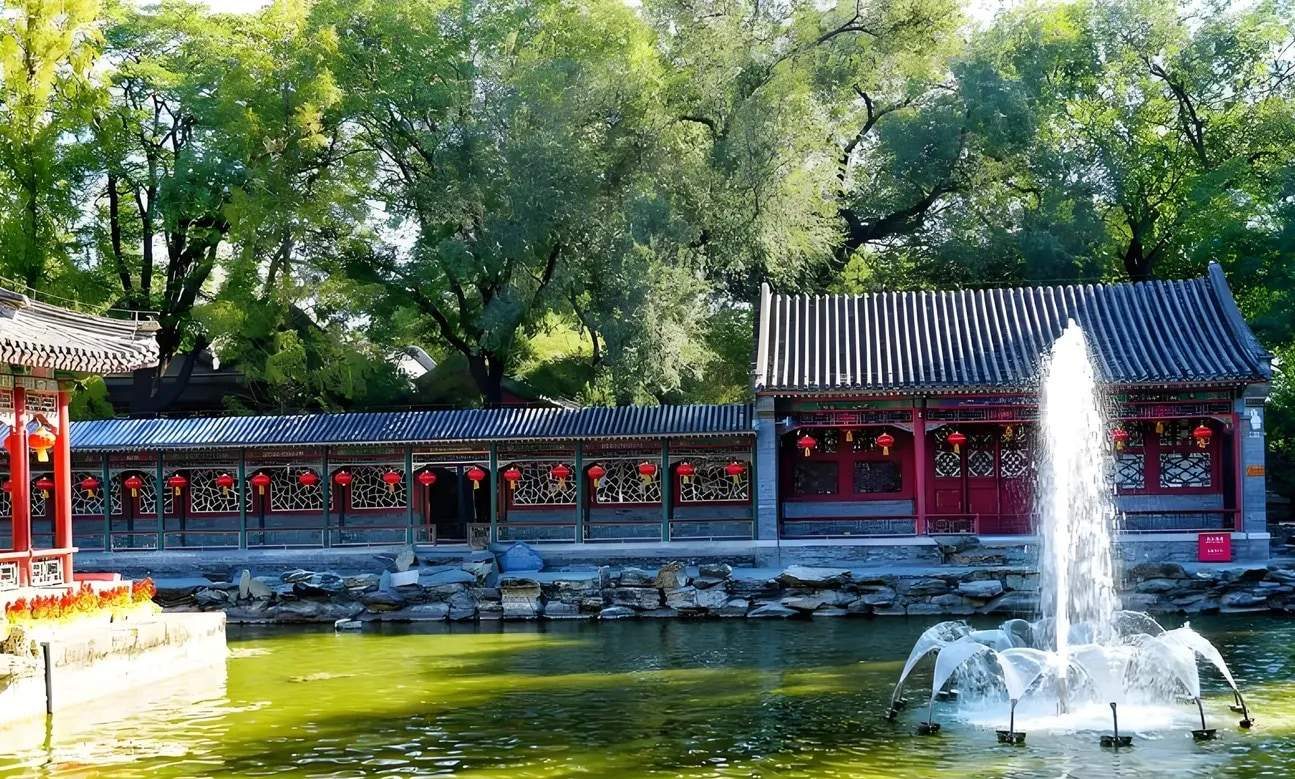
Prince Gong's Mansion
AttractionThe largest princely mansion complex of the Qing dynasty: built in 1776 as the residence of the powerful minister Heshen, granted to Prince Qing (Yonglin) in the Jiaqing reign and transferred to Prince Gong (Yixin) in the Xianfeng era — 'One Prince Gong's Mansion, half the history of the Qing' sums up the changing owners and their entanglement with the nation's fate.
 44
Former Residence of Soong Ching-ling
AttractionThe former garden of Prince Chun's Mansion, where Soong Ching-ling lived for 18 years from 1963 to 1981: the South Building, Tingyu House (Rain-Listening House) and the long corridor preserve the princely garden layout; the study and bedroom are displayed as they originally were, and the exhibitions systematically present her life story and her exchanges with international friends.
 45
Lu Xun Museum
AttractionLu Xun's former residence (Gongmenkou Ertiao), where he lived from spring 1924 to August 1926: in the small three-sided courtyard, the “Tiger's Tail” (a small room he added at the back) designed by Lu Xun himself is where he wrote *Wild Grass* and *Huagai Ji*, and the two lilac trees in the courtyard were planted by him
 46
Lao She's Former Residence (Danqi Xiaoyuan, the Red Persimmon Courtyard)
AttractionThe courtyard where Lao She lived from 1950 to 1966: two persimmon trees he planted behind the screen wall gave the courtyard its name “Red Persimmon Courtyard” (Danqi Xiaoyuan); the living room and study are furnished as they originally were, works such as *Teahouse* and *Beneath the Red Banner* were written here, and the exhibits tell the life story of the “People's Artist”
 47
Mei Lanfang Memorial Hall
AttractionA courtyard residence on Huguosi Street, Mei Lanfang's late-life home from 1951 to 1961: the interiors are preserved in their original state, with a rich collection of opera costumes, stage photos, and calligraphy and paintings; the exhibition is threaded through by his artistic philosophy of “changing the steps without changing the form”, and Peking Opera fans can study the exquisite costumes and props up close
 48
Capital Museum
AttractionThe premier museum of Beijing's local history: the permanent exhibitions “Ancient Capital Beijing: History and Culture” and “Folk Customs of Old Beijing” systematically present the city's 3,000-year history and its more than 860 years as a capital; highlights include the Yuan dynasty blue-and-white flask (unearthed at the Yuan capital Dadu) and the Qianlong imperial stele, and the bronze ware and Buddhist statue collecti…
 49
National Art Museum of China (NAMOC)
AttractionA national-level art hall opened in 1963 with its name inscribed by Mao Zedong: the building is a “round mountain-style” pavilion drawing on motifs from the Dunhuang Mogao Grottoes, and is itself a landmark of the capital
 50
Military Museum of the Chinese People's Revolution
AttractionOne of the “Ten Great Buildings” of 1959: the weapons hall displays merit-credited fighter jets, tanks, artillery, and real missiles; the Dongfeng (East Wind) series and captured equipment from various periods draw the biggest crowds, and the exhibit line runs from the Red Army era all the way to modern national defense
 51
China Science and Technology Museum
AttractionThe national science and technology museum beside Olympic Park, its "Luban lock" shape symbolizing the wisdom of craftsmen: permanent halls include "Light of China" (ancient science and technology), "Exploration and Discovery" and "Science and Life"; the actual "Shenzhou" spacecraft return capsule and robot shows are hugely popular, and the Children's Science Hall and dome thea…
 52
National Natural History Museum of China
AttractionA pioneer of China's natural science museums, founded in 1951 (formerly the Beijing Museum of Natural History): the dinosaur skeleton group in the Ancient Reptile Hall and the fossil skull of the ancient Yellow River elephant are star exhibits; the recreated "Dinosaur Park" scenes are the biggest hit with kids, and the displays of flora, fauna and anthropology are compre…
 53
Beijing Auto Museum
AttractionA car-themed museum in Fengtai District: the building looks like a bright eye overlaid with a speedometer; the exhibition line runs from the history of the world automobile to China's auto industry, with vintage cars such as the Ford Model T and Hongqi CA72 as highlights
 54
China National Film Museum
AttractionThe China National Film Museum in Cuigezhuang, Chaoyang: a systematic display of a century of Chinese cinema starting from 1905's "Dingjun Mountain", with separate halls for directing, acting, cinematography and animation; the 4K giant-screen cinema and special-effects experiences are a plus
 55
Olympic Park (Bird's Nest / Water Cube / Olympic Tower)
AttractionMain venue of both the 2008 Summer Olympics and the 2022 Winter Olympics ("double Olympic" site): the Bird's Nest, a woven form of 42,000 tonnes of steel, has become a national symbol, and you can climb the "Dingmei" air corridor to overlook the northern extension of the Central Axis
 56
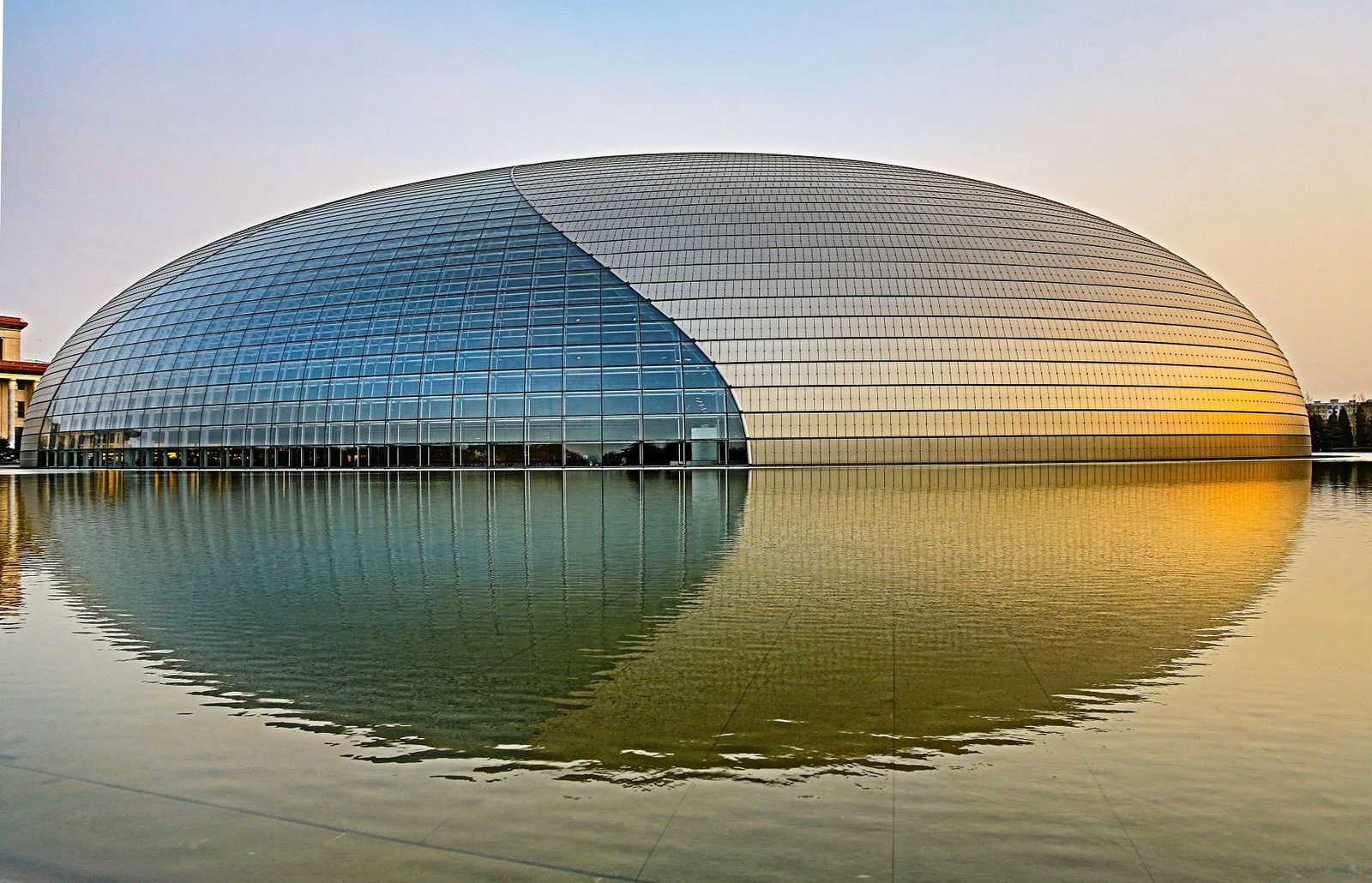
National Centre for the Performing Arts
AttractionThe "Pearl on the Lake", completed in 2007 and designed by French architect Paul Andreu: the titanium-and-glass shell shaped like a "giant egg" floats on an artificial lake and is entered through an underwater corridor, with the Opera House, Concert Hall and Theatre as its three venues
 57
798 Art District
AttractionConverted from the Beijing 718 United Factory, built with East German aid in the 1950s: Bauhaus-style sawtooth-roof factory buildings and old slogan walls preserve the industrial memory; artists and galleries moved in from 2002, and it is now a world-class landmark of Chinese contemporary art.
 58
751 Park
AttractionA design and creativity park next to 798, converted from the former 751 Plant (gas works): industrial relics such as the slag silo, power tanks and coal-conveyor corridors have been transformed into show venues, exhibition spaces and live music venues; main venue of Beijing International Design Week, with fashion launches and installation art seasons staged in rotation.
 59
Taikoo Li Sanlitun
AttractionA fashion landmark beside the embassy district and a byword for Beijing's trendy retail: the South Area mixes vintage and street style, the North Area assembles a cluster of international brand flagships, and the 'trend mecca's' window displays and pop-up stores are refreshed year-round.
 60
China Zun (CITIC Tower)
AttractionAlso known as CITIC Tower, at 528 m it is Beijing's tallest building: its form takes after the ancient ritual vessel 'zun', with the tower body first tapering inward and then flaring out from bottom to top, anchoring the very core and highest point of the CBD skyline.
 61
Central Radio & TV Tower
AttractionA 405 m TV tower completed in 1994: the observation deck and revolving restaurant overlook Yuyuantan Park, the Summer Palace direction and the cityscape along the West Third Ring; the tower base features radio, film and television themed exhibits.
 62
Universal Beijing Resort
AttractionThe first Universal Studios theme park in mainland China, opened in 2021: Harry Potter and the Forbidden Journey, built around realistic recreations of Diagon Alley and Hogwarts Castle, is among the most popular immersive rides in the world; the Decepticoaster, Jurassic World Adventure and the Kung Fu Panda land are content exclusive to Chin…
 63
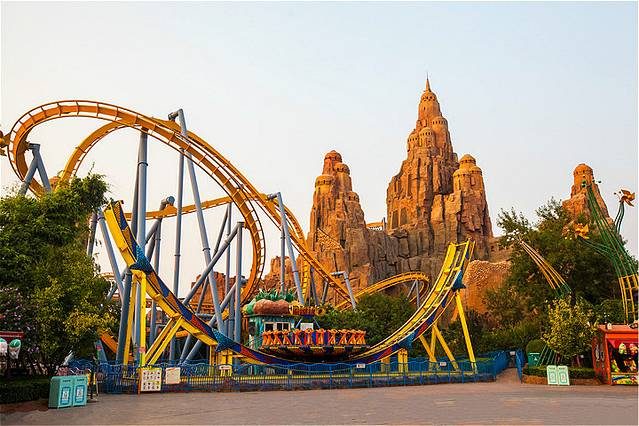
Happy Valley
AttractionLong-standing Beijing theme park opened in 2006: the Snow Eagle launched roller coaster (among Asia's tallest and fastest) and the Crystal Wing suspended flying coaster are the signature rides, while the Odyssey Journey flume ride is a summer must-do
 64
Beijing World Park
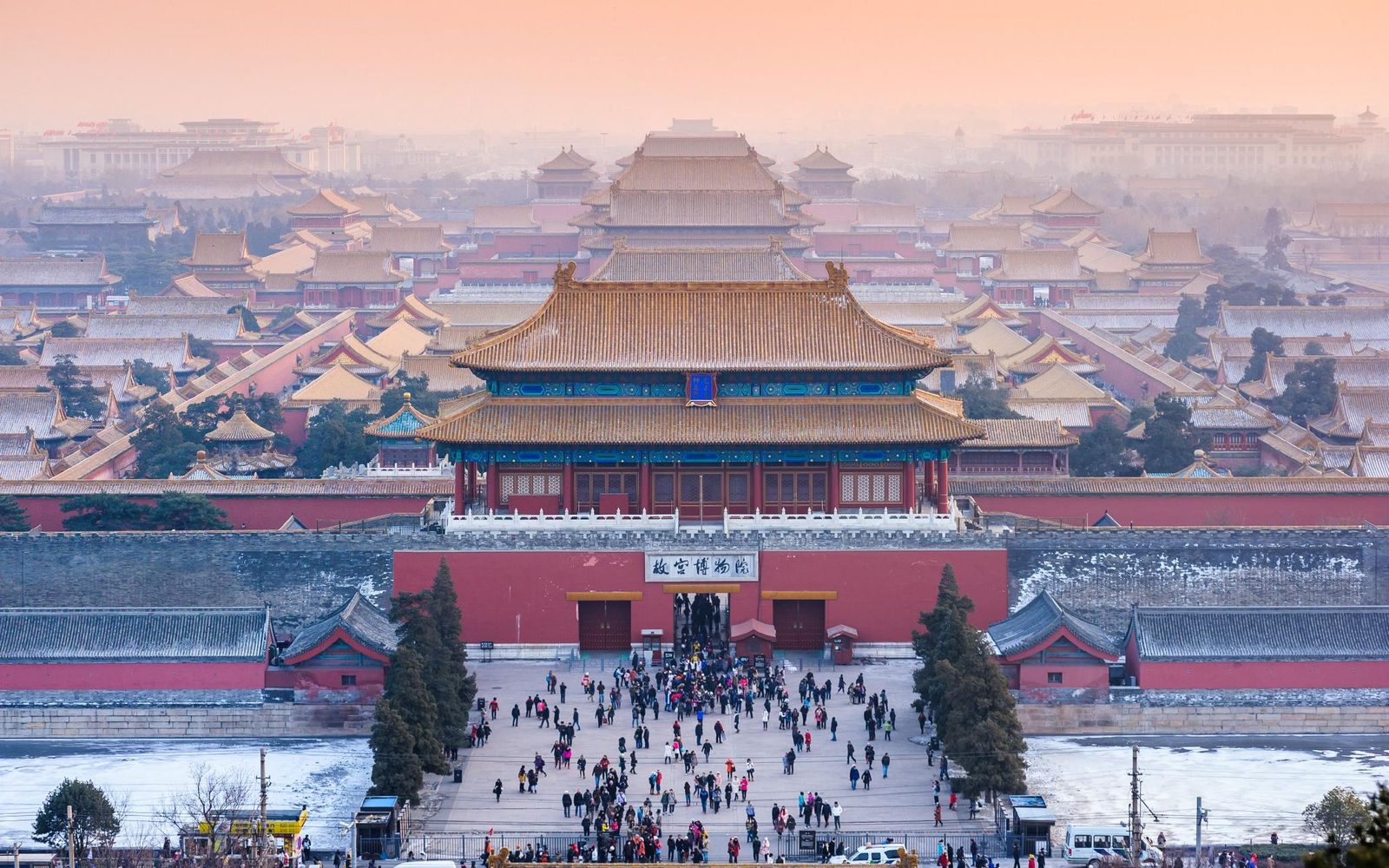
AttractionMiniature world landscape park opened in 1993: scaled-down replicas of famous world buildings such as the Eiffel Tower, the Pyramids and the Arc de Triomphe gathered in one place - the nostalgic fun of "touring the world in a day"
 65
China Ethnic Culture Park
AttractionEthnic village park at Beitucheng: the Tibetan grand sutra hall, Dai bamboo houses, Dong drum towers and wind-and-rain bridges rebuilt in ethnic styles; scheduled song-and-dance performances in each village, with lively seasonal events (Water-Splashing Festival and more)
 66
Shidu
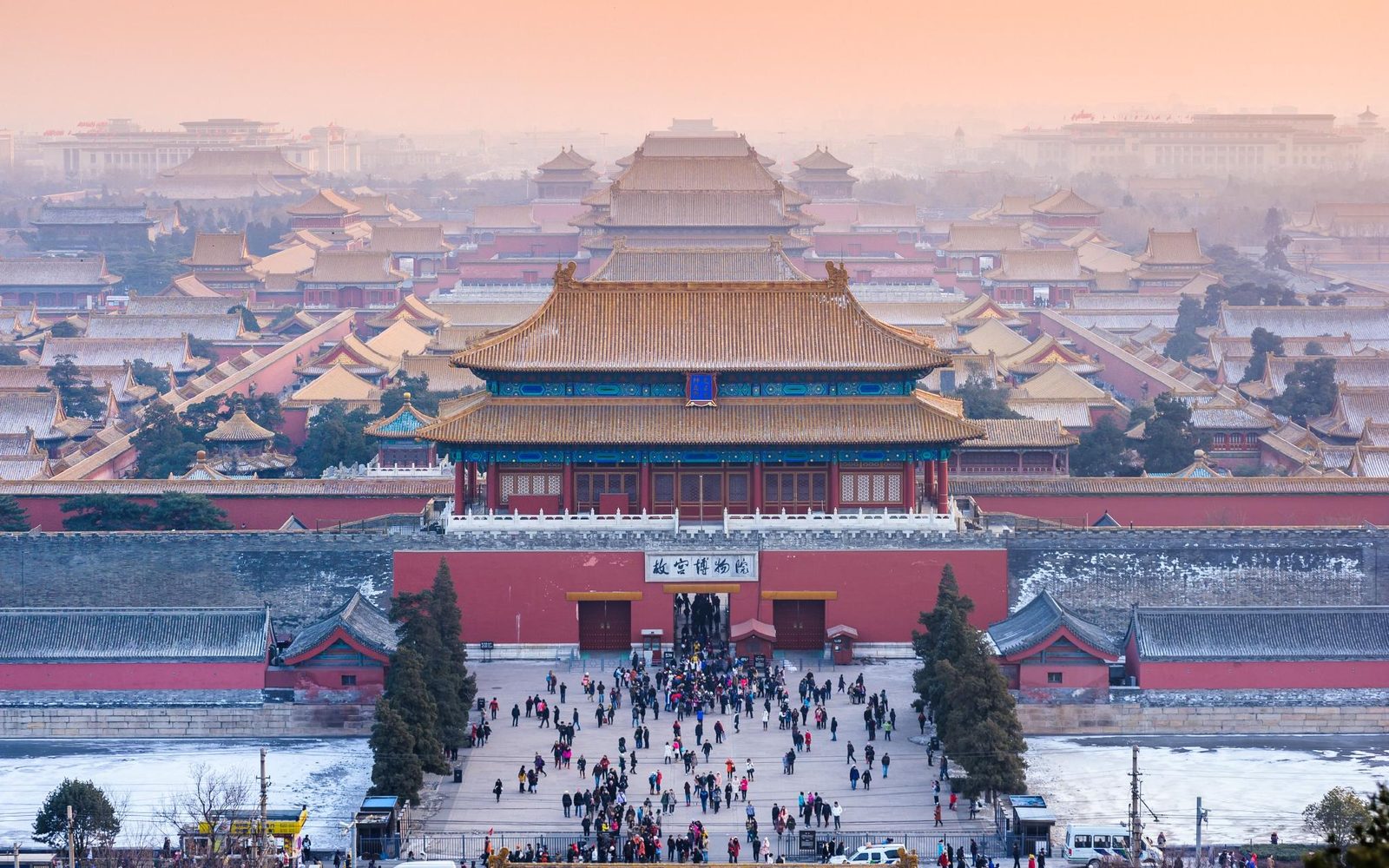
AttractionKarst peak-forest scenic area along the Juma River in Fangshan District, known as the "Guilin of the North": the name "Shidu" (Ten Ferries) comes from the river's ten ferry crossings, and the scenic area actually stretches about 20 km
 67
Longqing Gorge
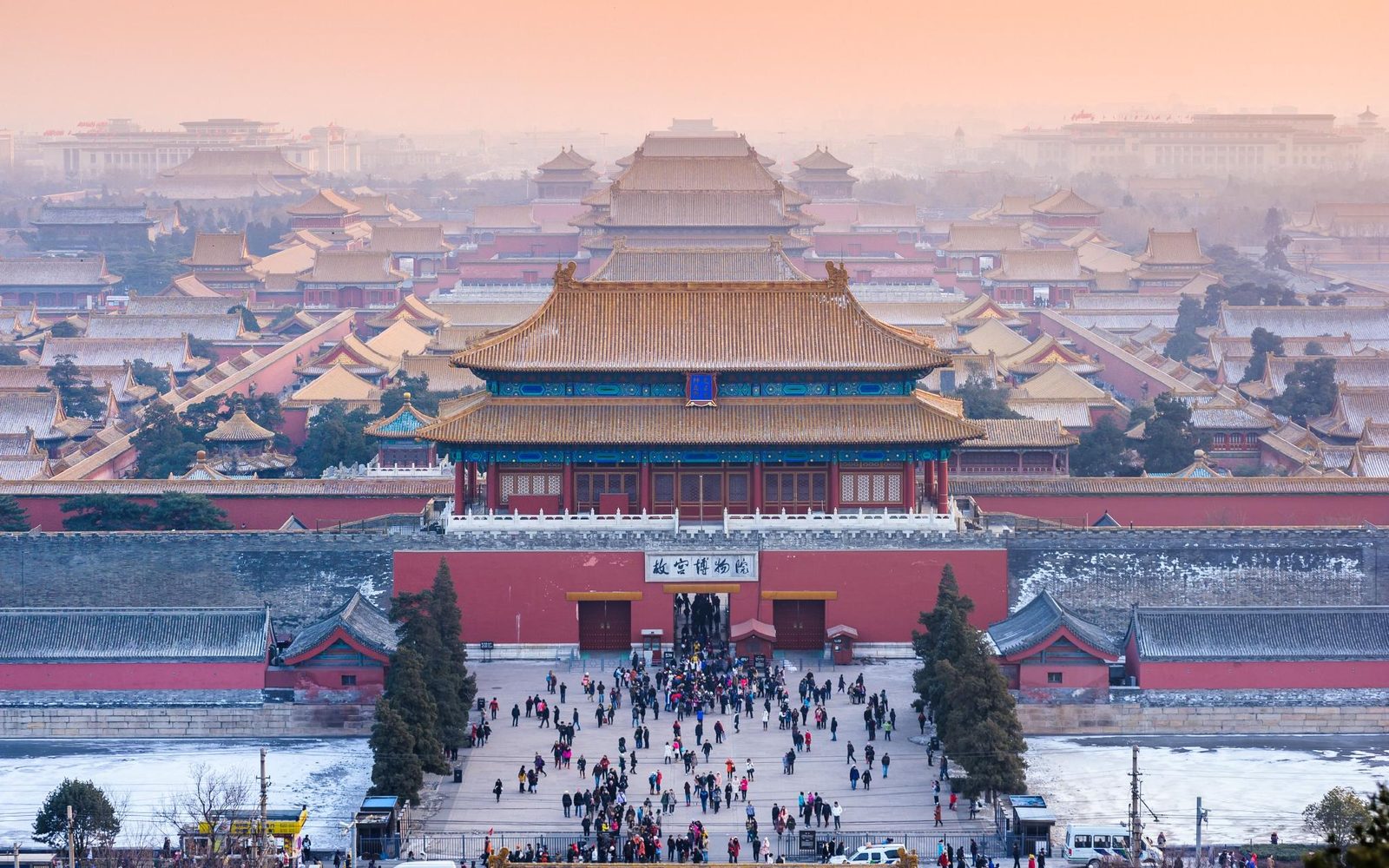
AttractionGorge scenic area in Yanqing District known as the "Little Li River": enter the valley on a dragon-shaped escalator and cruise between sheer cliffs on both sides; pleasantly cool in summer and autumn
 68
Qinglong Gorge
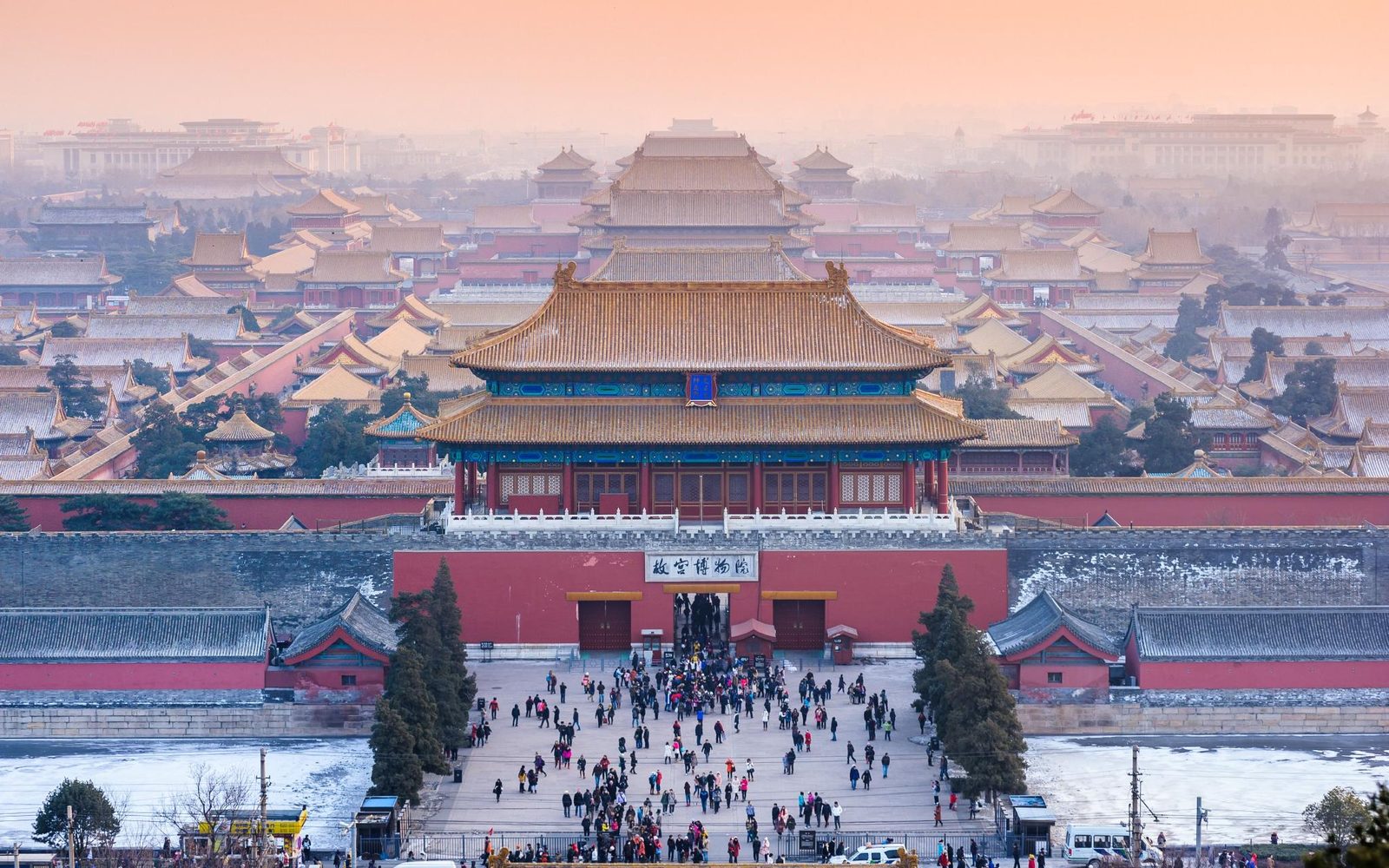
AttractionScenic area in Huairou District combining a reservoir dam with ancient Great Wall remains: the Qinglong Gorge dam holds back a lake, a cable car up to the ancient Great Wall site offers panoramic lake and mountain views, the bungee platform is one of the earliest in North China, and gorge boardwalks and boating are the usual activities
 69
Yanqi Lake
AttractionYanqi Lake International Convention Center in Huairou District: the 2014 APEC Economic Leaders' Meeting was held here; the Han-Tang style building complex on the core island and the shell-shaped 'Sunrise East' hotel have become lakeside landmarks
 70
Jinhai Lake
AttractionA reservoir resort in Pinggu District, nicknamed 'Little Beidaihe': expansive lake with a winding shoreline, rich options for boat cruises, sailing and paddleboarding; the Bibo Island lawns and lakeview hotels suit a resort stay
 71
Miaofeng Mountain
AttractionA famed mountain in Mentougou District (main peak 1,291 m): in the Ming and Qing dynasties it was the center of the Goddess Temple fairs in North China, with the Bixia Yuanjun Shrine at the heart of worship; since the Qing dynasty pilgrims have climbed its five incense trails to offer incense, and the scene famed as 'incense burning unrivaled under heaven' continues today, with crowds of pilgrims during the spring traditional temple fair
 72
Cuandixia Village
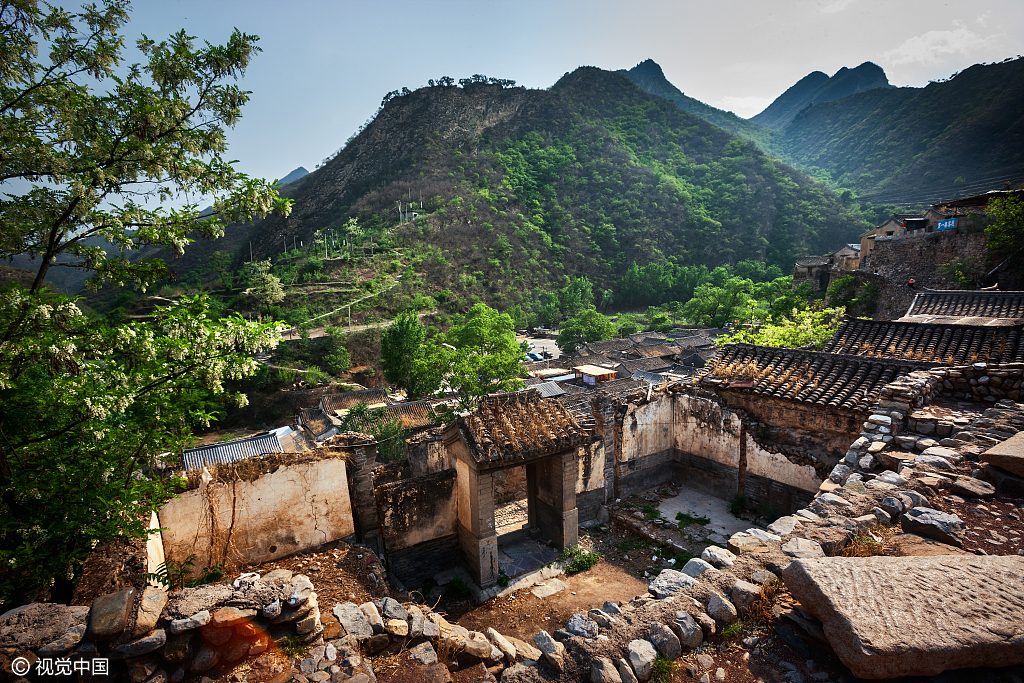
AttractionAn ancient Ming-Qing mountain siheyuan courtyard village in Zhaitang Town, Mentougou: built against the hillside, its 70-plus courtyards are staggered in a 'gold ingot' layout; the village name 'Cuan' has an unusually complex character (originally meaning to light a fire for cooking), making it a living specimen of a complete village from the Ming dynasty military garrison farming era, and a filming location for 'The Warlords'…
 73
Lingshan · Baihua Mountain
AttractionAn alpine zone on the border of Mentougou and Fangshan: Lingshan's main peak at 2,303 m is the 'Roof of Beijing'; from June to September the alpine meadows roll in green waves, and the windy, chilly summit calls for a jacket
 74
Yunmeng Mountain
AttractionThe 'Little Huangshan' of Miyun District: dense scenery of jagged peaks, strange rocks and waterfall clusters; Great Wall ruins remain along the ridge, and the recently added canyon boardwalks and glass viewing platforms have become popular photo spots
 75
Shihua Cave (Stone Flower Cave)
AttractionCore scenic area of the Fangshan National Geopark: a seven-level karst cave descending in stacked layers, where stalagmites, stalactites, stone curtains and rare moonmilk deposits form the "Underground Pearl of Beijing". The cave keeps a constant temperature of approx. 13°C — warm in winter, cool in summer, pleasant in all seasons.
 76
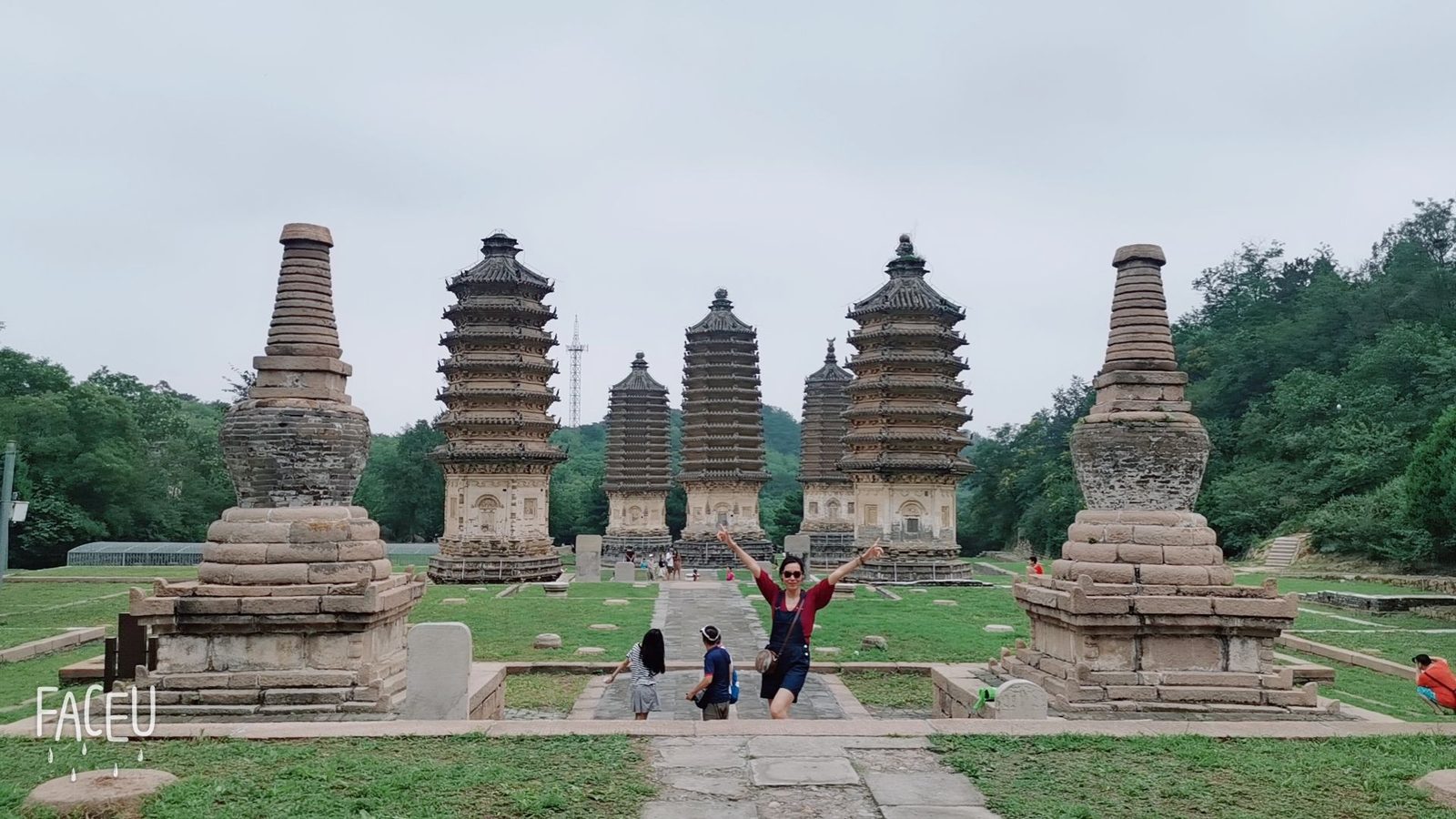
Yinshan Pagoda Forest
AttractionA pagoda-cluster scenic area in Changping District, home of "Yinshan Tiebi" (Silver Mountain, Iron Wall), one of the "Eight Scenic Views of Yanping": the cliff rock is black as iron and winter snow lies silver-white, hence the name.
What to eat in Beijing
Signature dishes, famous tables and street-food runs — spice levels marked honestly.
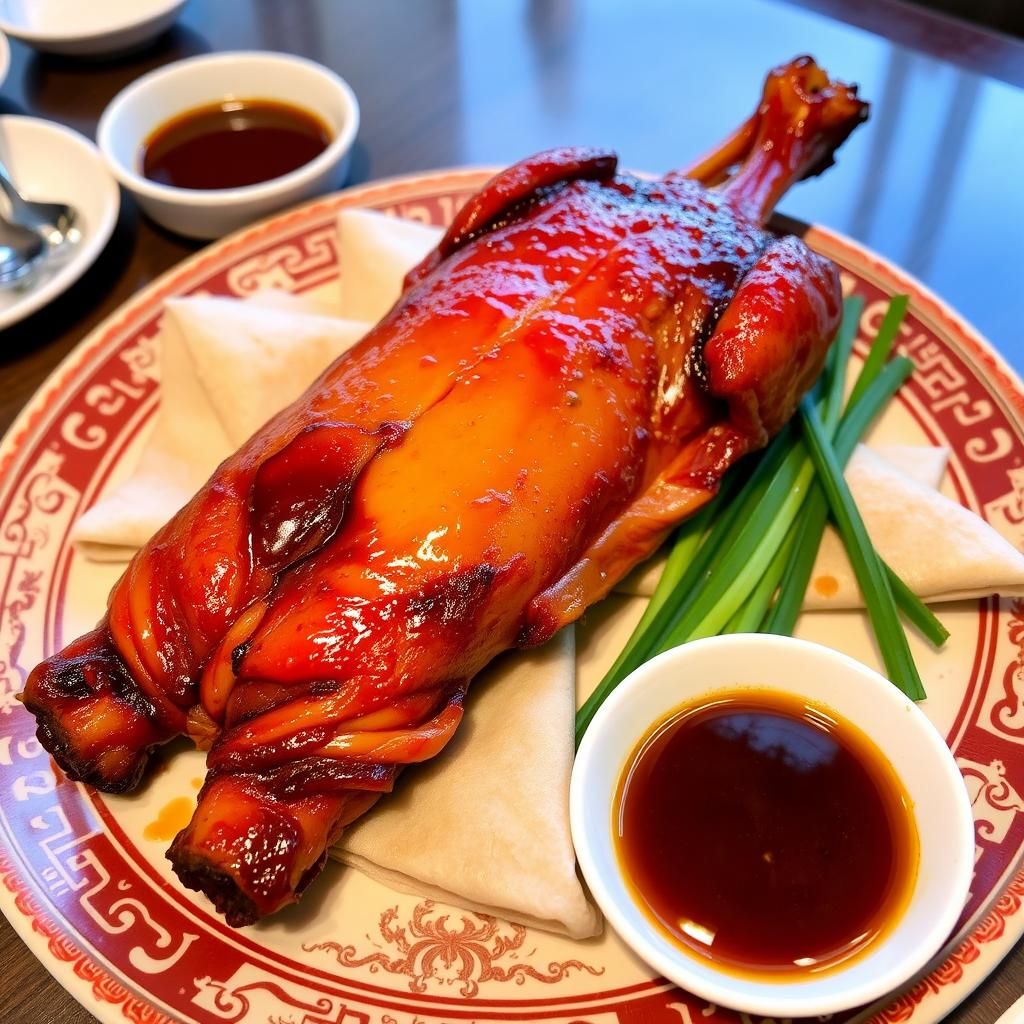
Peking Duck
DishCrisp lacquered skin, pancake rolls, scallion and sweet bean sauce.
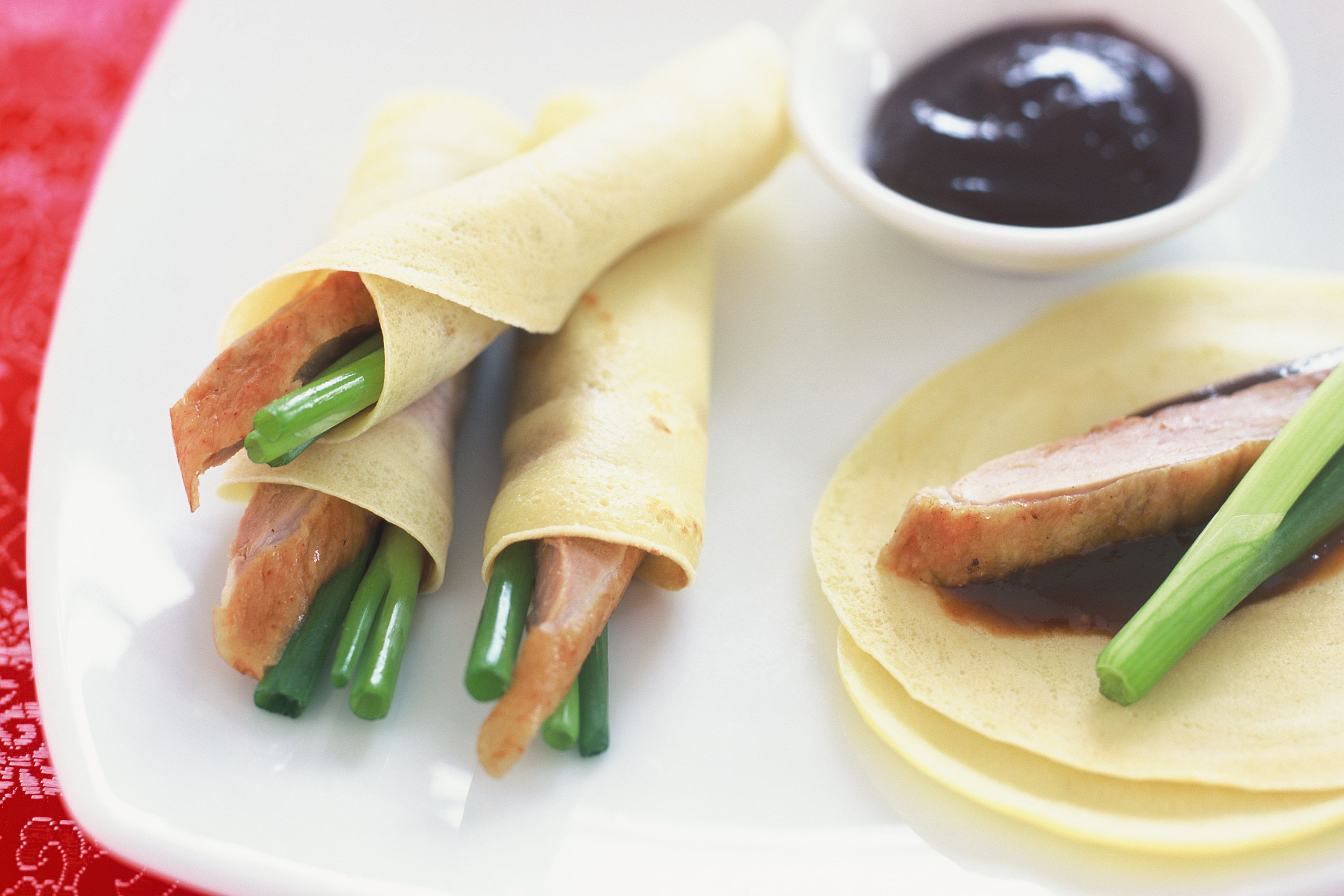
Siji Minfu Roast Duck
RestaurantPalace-adjacent duck house with court-style presentation.
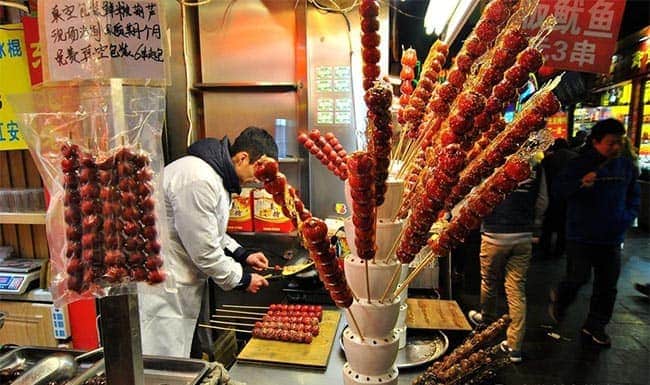
Wangfujing Snack Street
Street FoodTourist-friendly alley of candied hawthorn and dumplings.
Where to stay
- Where to Stay in Beijing
The three areas worth sleeping in, with real price ranges.
🛏 CNY 350–1200/night · 3 areas compared
Getting around
- Getting Around Beijing
Two airports (PEK/PKX), 27 metro lines, Didi taxi and the Yitongxing transit app; taxis start 13 CNY.
Want a custom Beijing trip?
Tell us your dates — free draft plan within 24 hours.