Wuchang Uprising Gate · Shouyi Square
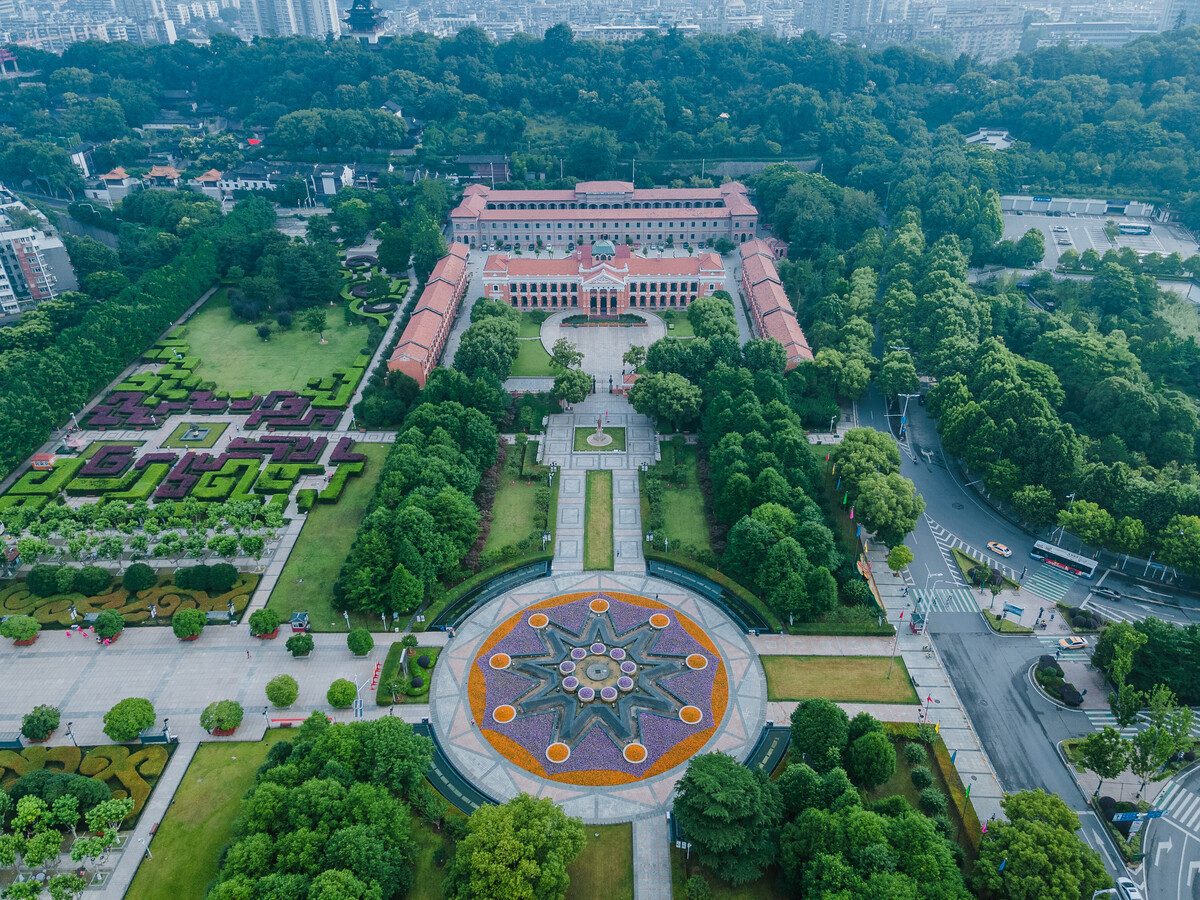
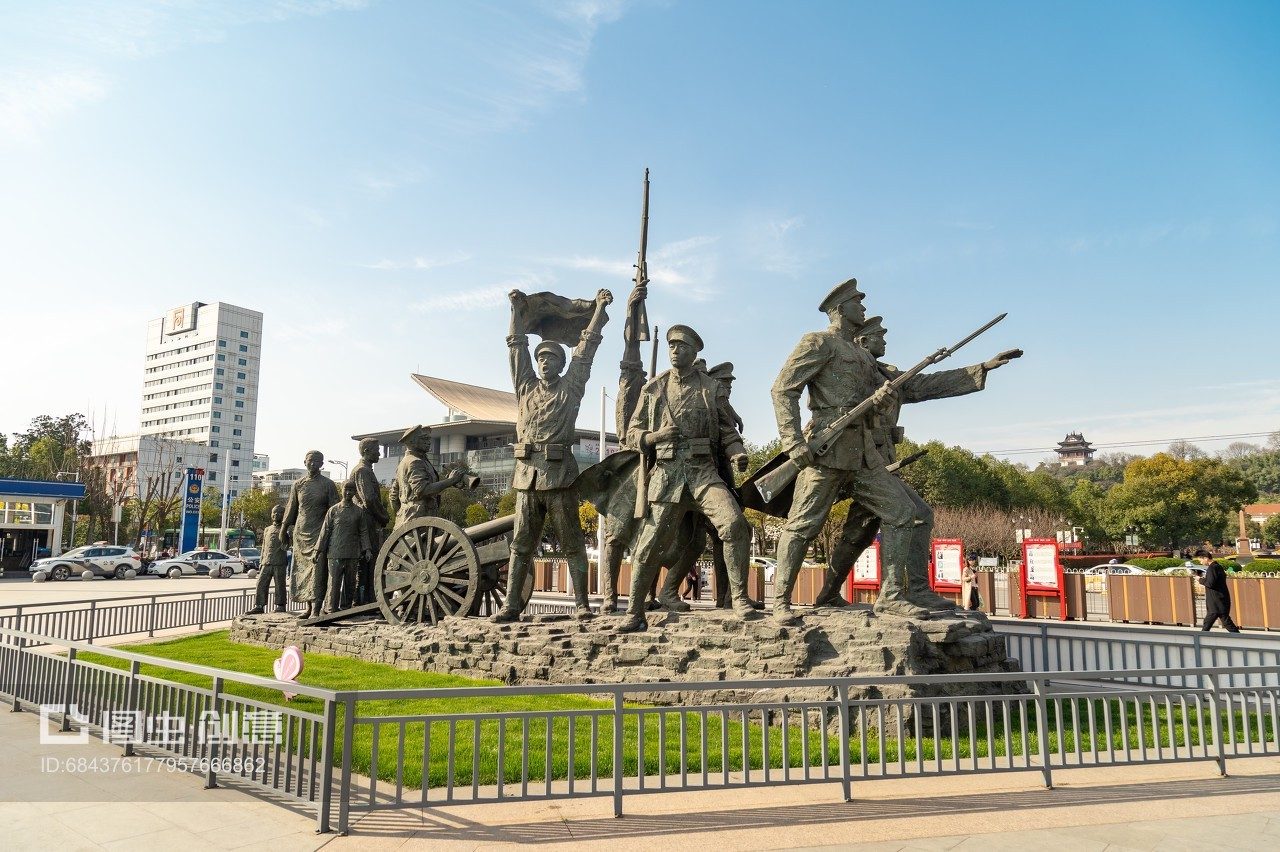
October 10, 1911 Wuchang Uprising of the Xinhai Revolution: former site of the Wuchang Uprising Military Government (the Red Building, "Military Government of the Republic of China, Hubei Military Governor's Office"), Uprising Gate (former Zhonghe Gate), Shouyi Culture Park
Visitor info
- Opening hours
- All day
- Ticket
- Free
Price is indicative — final quote on inquiry.
October 10, 1911 Wuchang Uprising of the Xinhai Revolution: former site of the Wuchang Uprising Military Government (the Red Building, "Military Government of the Republic of China, Hubei Military Governor's Office"), Uprising Gate (former Zhonghe Gate), Shouyi Culture Park; bronze statue of Sun Yat-sen and Huang Xing's commander-appointment platform. On the night of October 10, 1911, a gunshot on the walls of Wuchang opened the Xinhai Revolution; the insurgent troops stormed the Huguang Viceroy's office overnight, and the next day the "Military Government of the Republic of China, Hubei Military Governor's Office" was founded here—so the Red Building, a two-story brick-and-wood Western-style structure, became the birthplace of the end of two thousand years of imperial rule. Uprising Gate stands on the site of Zhonghe Gate of the Wuchang city wall built during the Ming Hongwu era, from inside and outside which the New Army's engineering battalion rose in response that night; on Shouyi Square the bronze statue of Sun Yat-sen stands solemn, and the site of Huang Xing's commander-appointment platform records the moment the revolutionary army's commander-in-chief took command in a time of crisis. The Red Building now houses the Wuchang Uprising Memorial Museum of the 1911 Revolution, free to visit, and together with Shouyi Square and Uprising Gate forms the "Shouyi Culture Zone"—a must-visit for grasping the turning point of modern China.
Getting there: Metro Line 4, Shouyi Road Station
Photos
More in Wuhan
- Hubu Alley
Breakfast alley: hot dry noodles, doupi and fried doughsticks.
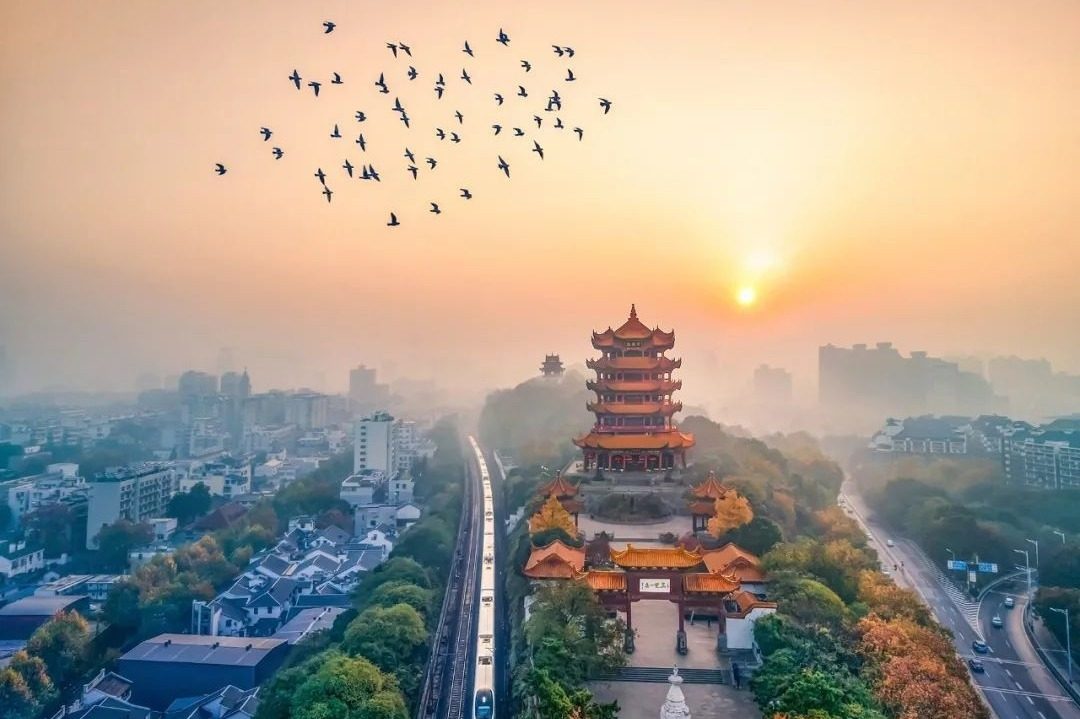
- Yellow Crane Tower
The most-quoted tower in Chinese poetry, overlooking the Yangtze.
- East Lake
Six times the size of West Lake; greenways, cherry trees and lakeside cycling.
- Hubei Provincial Museum
Home of the 2,400-year-old bells of Marquis Yi of Zeng.
- Yellow Crane Tower Park
"The First Tower of the Rivers and Mountains under Heaven" (a military watchtower built by Sun Quan in 223, the second year of Huangwu of Eastern Wu in the Three Kingdoms period; repeatedly destroyed and rebuilt—burned down in 1884, rebuilt on Snake Hill in 1985), main tower 51.4m with five tiers of flying eaves (golden gourd finial), Cui Hao's verse "The man of old has ridden away on a yellow crane"…
- Wuhan Yangtze River Bridge
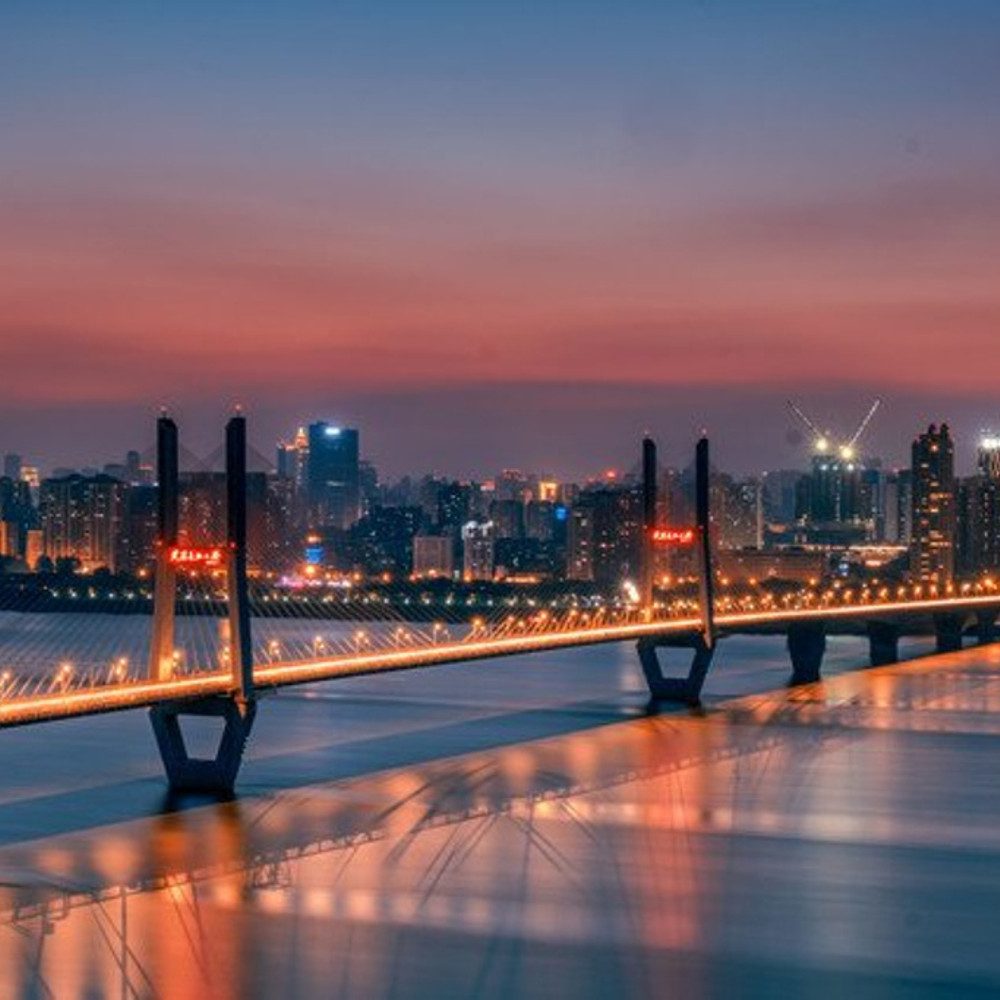
Completed in 1957 as the "First Bridge over the Ten-Thousand-Li Yangtze" (Soviet-assisted design, road-rail dual use); "A flying bridge spans north and south, turning the natural moat into a thoroughfare" (Mao Zedong's ci poem)