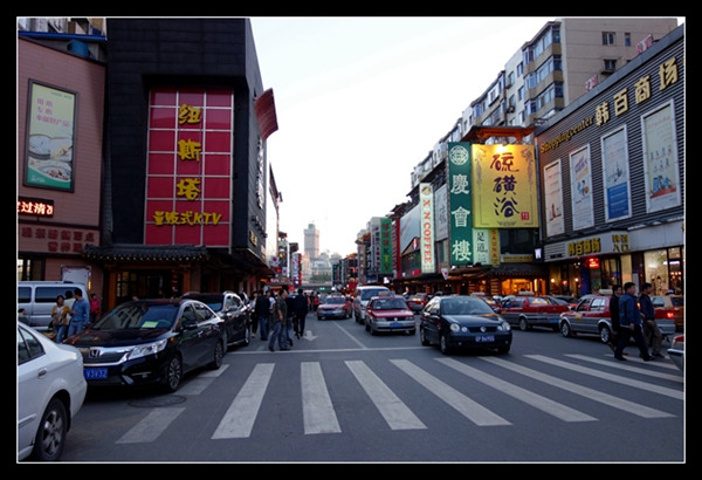
Xita Street (Korean Street)
The largest Korean ethnic neighborhood in Northeast China, named after the white pagoda of Huguo Yanshou Temple (commonly known as Xita, “West Pagoda”) at the head of the street; it has been a street for over a hundred years
Visitor info
- Opening hours
- Open all day
- Ticket
- Free
Price is indicative — final quote on inquiry.
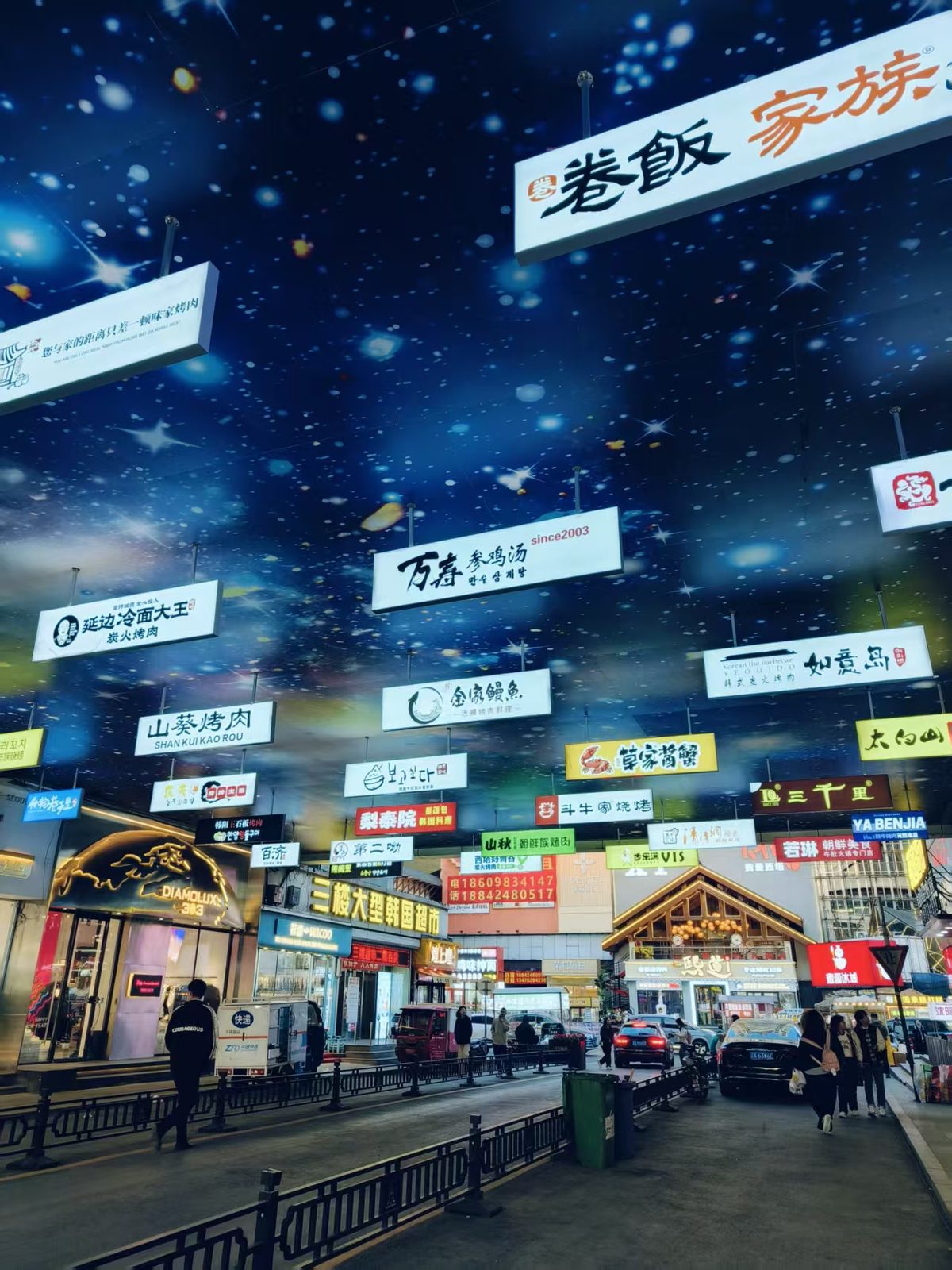
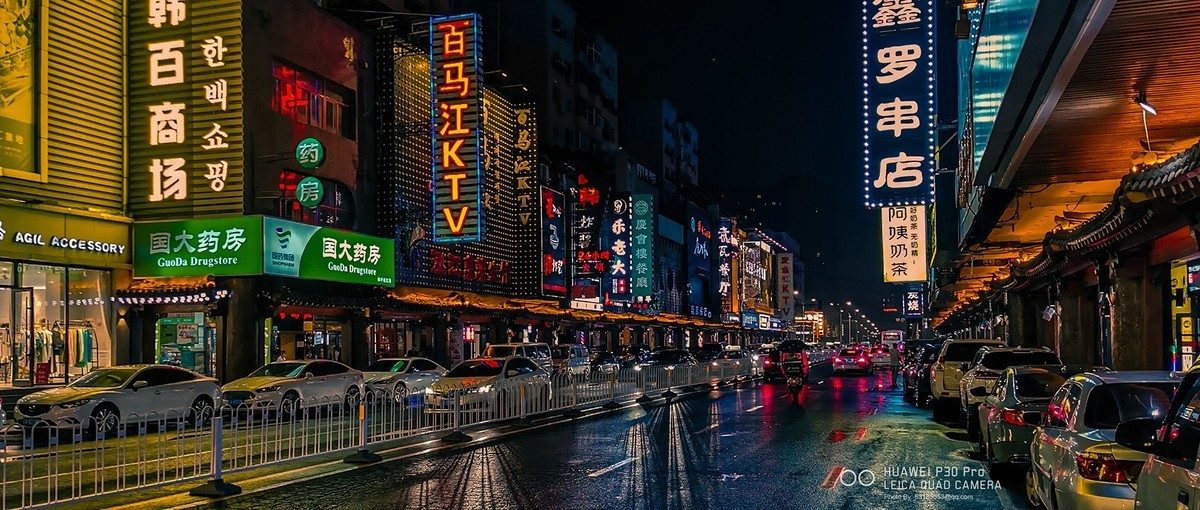
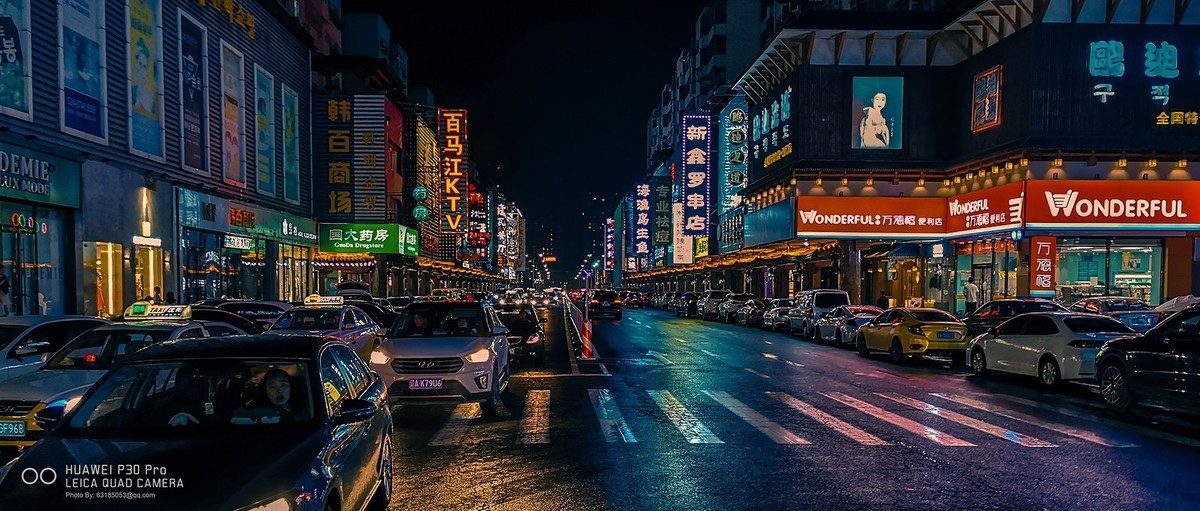
The largest Korean ethnic neighborhood in Northeast China, named after the white pagoda of Huguo Yanshou Temple (commonly known as Xita, “West Pagoda”) at the head of the street; it has been a street for over a hundred years. Korean-language signs line both sides; Xita Da Lengmian has been famous for decades for its freshly pressed buckwheat cold noodles, and Korean barbecue, pounded rice cakes, spicy kimchi and small Korean taverns spread along the street. When night falls it blazes with light—the most vivid Korean-ethnic patch on Shenyang's food map, perfect for an evening food hunt.
Getting there: Bus or taxi, Xita
Photos
More in Shenyang
- Shenyang Imperial Palace (Mukden Palace)
The imperial palace begun in 1625 after Nurhaci of the Later Jin moved the capital to Shenyang (then named Shengjing) and completed under Hong Taiji; the most complete palace complex surviving in China after the Forbidden City in Beijing, inscribed as a World Heritage Site in 2004 as an extension of the Imperial Palaces of the Ming and Qing Dynasties
- Zhaoling Mausoleum (Beiling Park)
Tomb of Qing Taizong Hong Taiji and Empress Xiaoduanwen, begun in 1643; Shenyang's largest imperial tomb, inscribed on the World Heritage List together with Fuling as an extension project
- Fuling Tomb (Dongling Park)
Tomb of Qing Taizu Nurhaci, begun in 1629, facing the Hun River and backed by Tianzhu Mountain; inscribed on the World Heritage List as an extension project
- Marshal Zhang's Mansion Museum
Official residence and private home of Zhang Zuolin and his son Zhang Xueliang, built from 1914 and popularly known as “Dashuai Fu” (Grand Marshal's Mansion), arguably the stage on which half of Northeast China's modern history unfolded
- Shenyang Finance Museum
A finance-themed museum converted from the former Bianye Bank building, separated from Marshal Zhang's Mansion by just one wall and covered by a combo ticket
- Zhongjie Pedestrian Street
The “First Street of Northeast China” with over 380 years of history, formed alongside the city of Shengjing (old Shenyang) and one of China's earliest commercial streets, converted into a pedestrian street in 1997