Zepu Jinhu Yang (Golden Lake Poplar) Forest Park
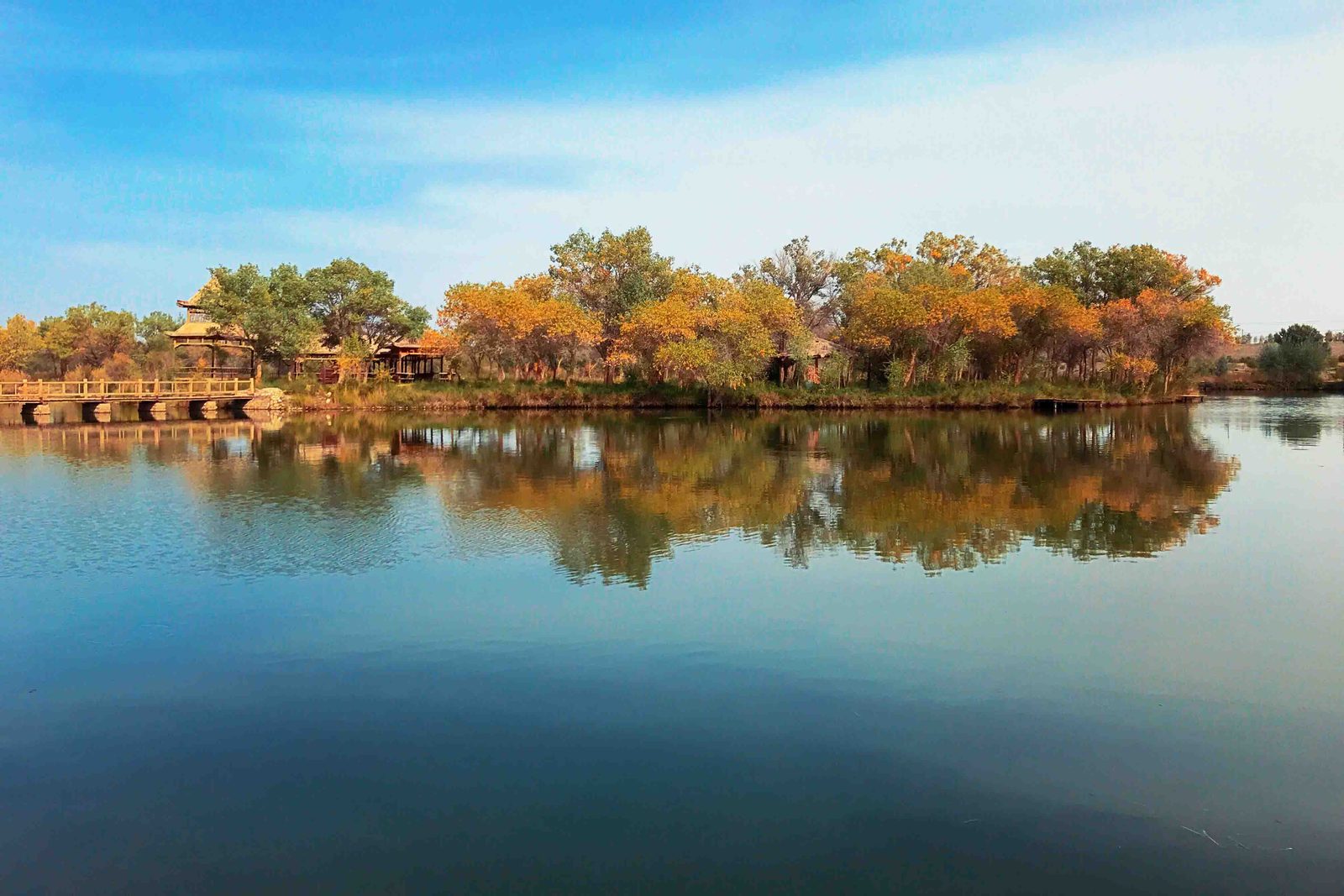
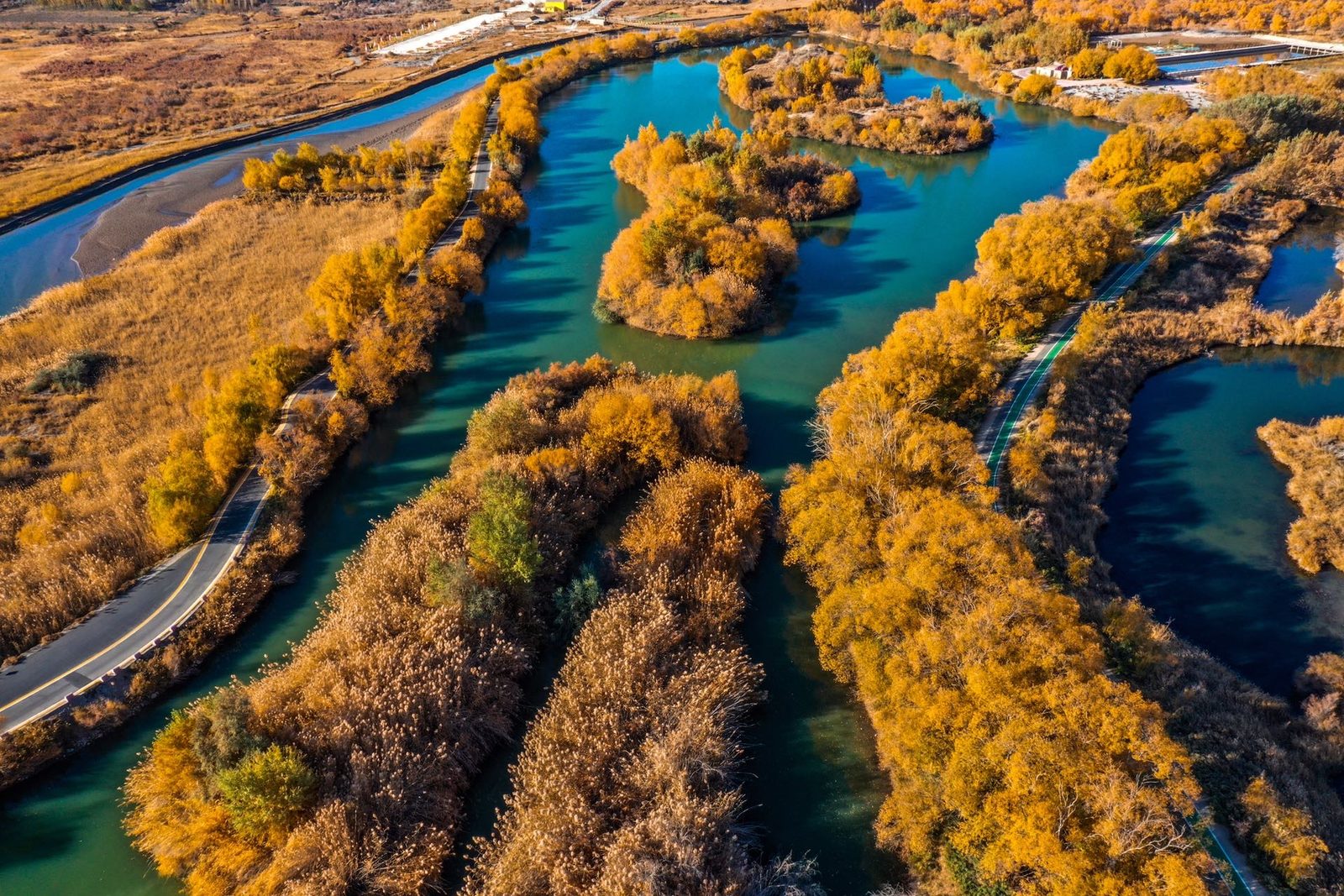
A national forest park of desert poplars on the banks of the Yarkand River: in mid-to-late October tens of thousands of poplars turn pure gold and reflect in the river bends—a golden-season retreat hailed as the 'King of Desert Poplars'
Visitor info
- Opening hours
- 09:00-19:00
- Ticket
- approx. CNY 40
Price is indicative — final quote on inquiry.
A national forest park of desert poplars on the banks of the Yarkand River: in mid-to-late October tens of thousands of poplars turn pure gold and reflect in the river bends—a golden-season retreat hailed as the 'King of Desert Poplars'; the plane-tree corridor and waterside paths in the park are suited to cycling and slow strolls, making it a backup option for autumn desert-poplar photography in southern Xinjiang—fewer visitors than Luntai Tarim Desert Poplar Forest Park.
Getting there: Self-drive to Zepu County (approx. 210 km)
Photos
More in Kashgar
- Kashgar Ancient City (Old Town)
One of the largest surviving raw-earth architectural complexes in the world; the Uyghur-inhabited old town has carried on since Shule City of the Han dynasty
- Id Kah Mosque
One of the largest mosques in China, founded in 1442, facing east at the heart of the Old City; its yellow-brick gateway and flanking minarets form the iconic portrait of Kashgar
- Fragrant Concubine Garden (Apak Hoja Tomb)
The "Fragrant Concubine's Tomb" is in fact the family mausoleum of Apak Hoja, 17th-century leader of the Islamic White Mountain sect; built around 1670, its dome of green glazed bricks rises dozens of meters—the largest surviving domed mausoleum in Xinjiang
- Kashgar Prefecture Museum
Systematic displays trace the civilizational thread of the Kashgar region from prehistory through the Ming and Qing: Han-Tang documents and coins attest its status as a key town on the southern Silk Road, Gandhara-style Buddhist statues show traces of Hellenistic art spreading eastward, and Wei-Jin brick-chamber tomb artifacts and Silk Road ethnic costumes share the hall—a primer for understanding the "five ports…
- Pantuo City (Ban Chao Memorial Park)
The base camp of Eastern Han general Ban Chao in administering the Western Regions: from 73 CE onward Ban Chao ranged across the Western Regions with 36 men, garrisoning here for more than ten years
- East Bazaar (Central and West Asia International Trade Market)
One of the largest bazaars in Central Asia, with over 2,000 stalls displaying dried fruits, Atlas silk, Yengisar knives, copper pots, carpets, and medicinal herbs