
Zhongcha Valley
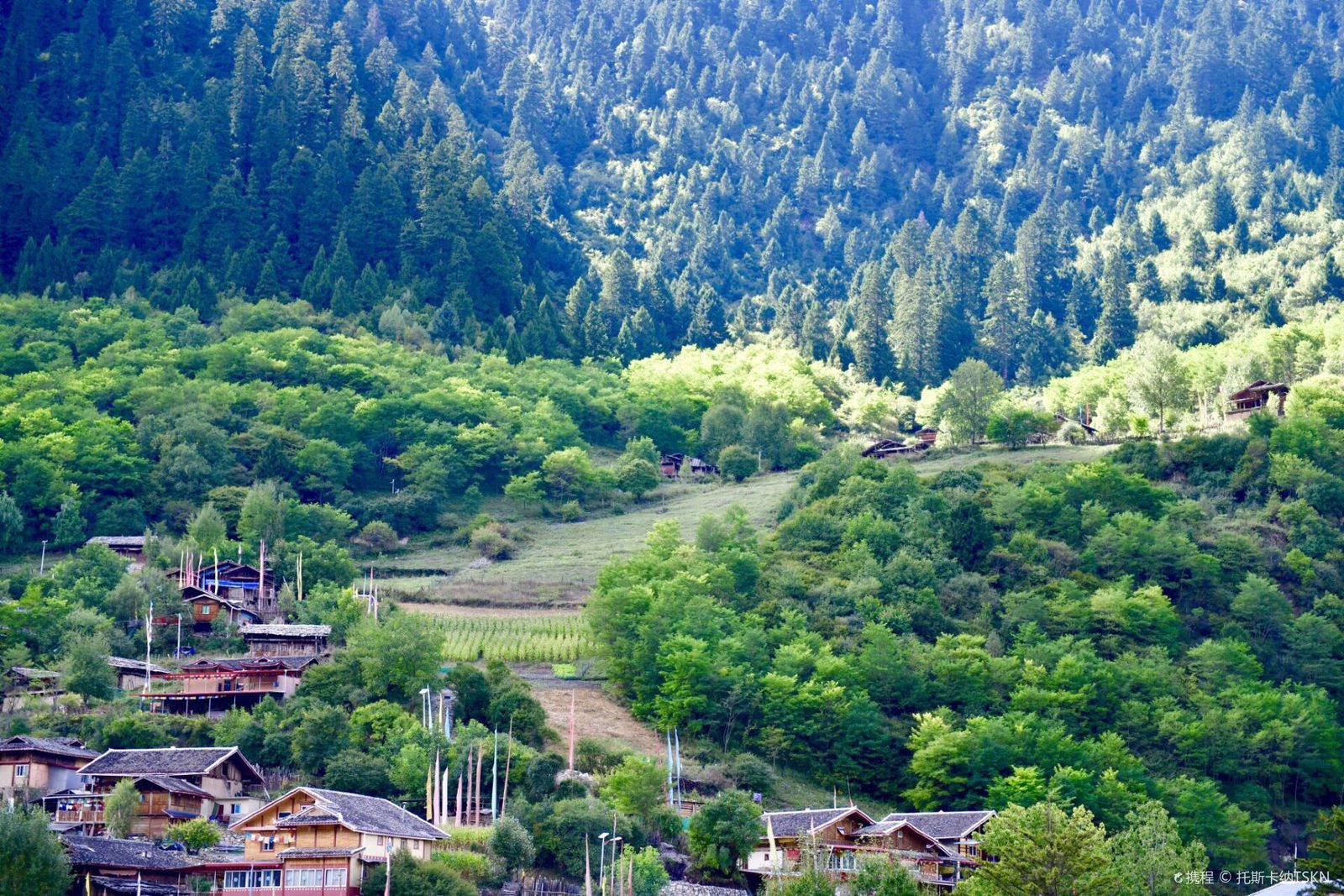
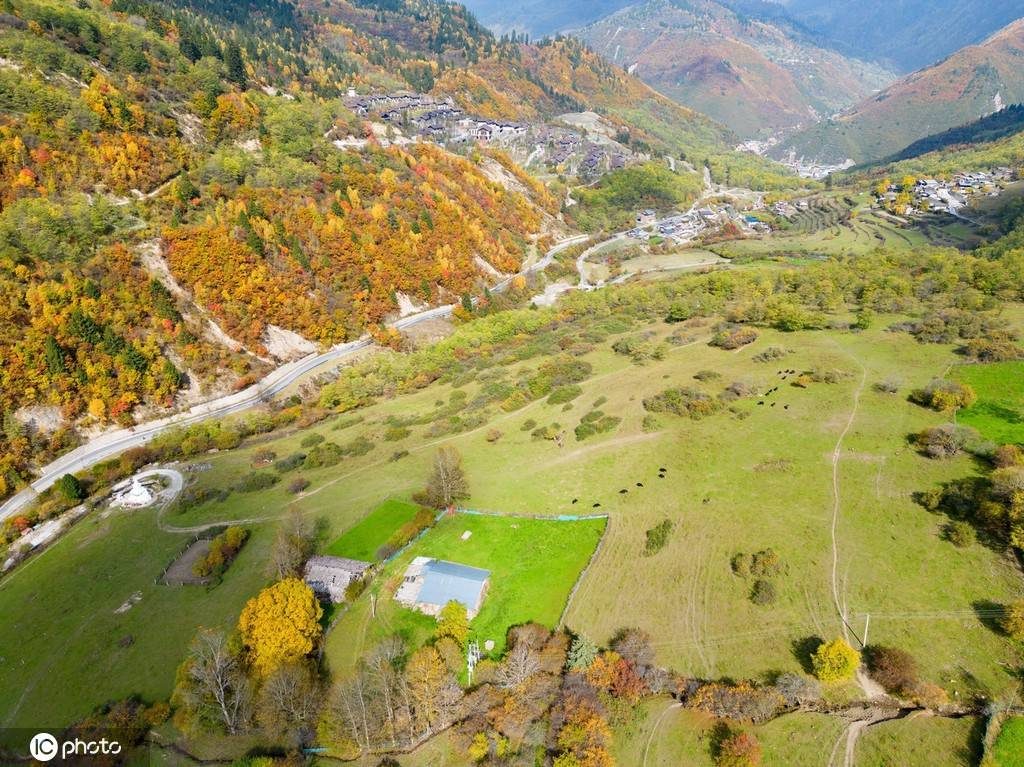
An undeveloped valley just over one ridge from Jiuzhaigou's main valley; complete with streams, waterfalls, travertine flats and Tibetan villages yet almost free of man-made facilities — dubbed 'the second Jiuzhaigou'
Visitor info
- Opening hours
- Open all day
- Ticket
- Free (hiking route)
Price is indicative — final quote on inquiry.
An undeveloped valley just over one ridge from Jiuzhaigou's main valley; complete with streams, waterfalls, travertine flats and Tibetan villages yet almost free of man-made facilities — dubbed 'the second Jiuzhaigou.' Access is currently only by hiking exploration or with a local guide; it is a wild route for outdoor lovers escaping the crowds, and in the villages you can sample Tibetan home cooking and walk the kora (mountain-circling) paths still in use.
Getting there: With a local guide
Photos

More in Jiuzhaigou
- Jiuzhaigou Valley Scenic Area
A Y-shaped valley in the southern Minshan Mountains, made up of Shuzheng Valley, Rize Valley and Zechawa Valley; named after the nine Tibetan villages inside, it was inscribed as a World Natural Heritage Site together with Huanglong in 1992
- Shuzheng Valley
The first valley of Jiuzhaigou, running from the valley entrance to Nuorilang Waterfall: the Shuzheng Lakes are twenty to thirty lakes big and small linked in tiers, trees grow thickly on the travertine dikes, and water mills and prayer-wheel houses stand along the stream — a living display of Tibetan water-mill culture within a natural landscape
- Rize Valley
The essence of the whole valley: Five Flower Lake shows peacock-feather-like iridescent colors thanks to the spectral differences of lakebed travertine, algae and sunken wood, and is called "the essence of Jiuzhaigou"
- Zechawa Valley
The longest and highest-altitude valley in Jiuzhaigou: Long Lake at its end is Jiuzhaigou's largest lake, fed by snowmelt with no outlet — "never full, never dry" — and revered by Tibetans as a holy lake
- Zharu Temple
The largest and only Tibetan Bon religion monastery in Jiuzhaigou, sitting beneath Baojing Rock (Treasure Mirror Rock) at the mouth of Zharu Valley; said to date from the Ming Dynasty, it has been the faith center of the valley's nine Tibetan villages through the ages
- Tibetan Villages (Shuzheng Village and others)
Villages of the indigenous Tibetans inside Jiuzhaigou — the park's name, 'Valley of Nine Villages,' comes from the nine villages in the valley