Muslim Quarter
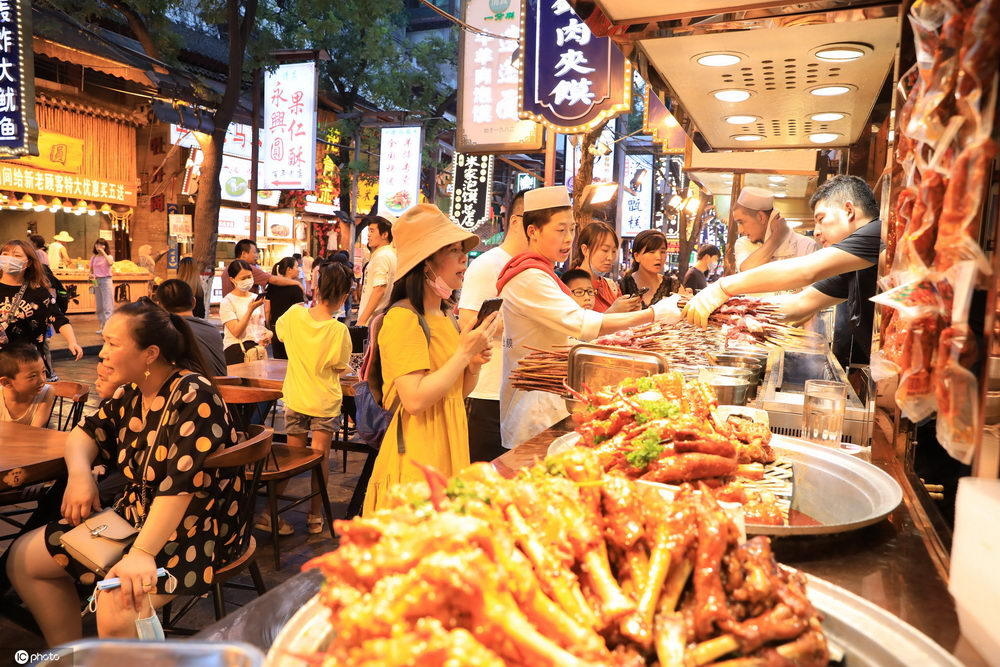
Lantern-lit food alleys behind the Drum Tower since the Tang dynasty.
Visitor info
- Opening hours
- best 18:00-22:00
- Ticket
- free
- Suggested visit
- 2-3 hours
Price is indicative — final quote on inquiry.
Why it's worth it
A thousand years of the Hui community packed into lanes behind the Drum Tower — the smell of cumin and lamb fat, bakers slapping flatbread onto drum ovens, and the Great Mosque hidden at the end of it all: a 1392 courtyard mosque built entirely in Chinese palace style.
Don't miss
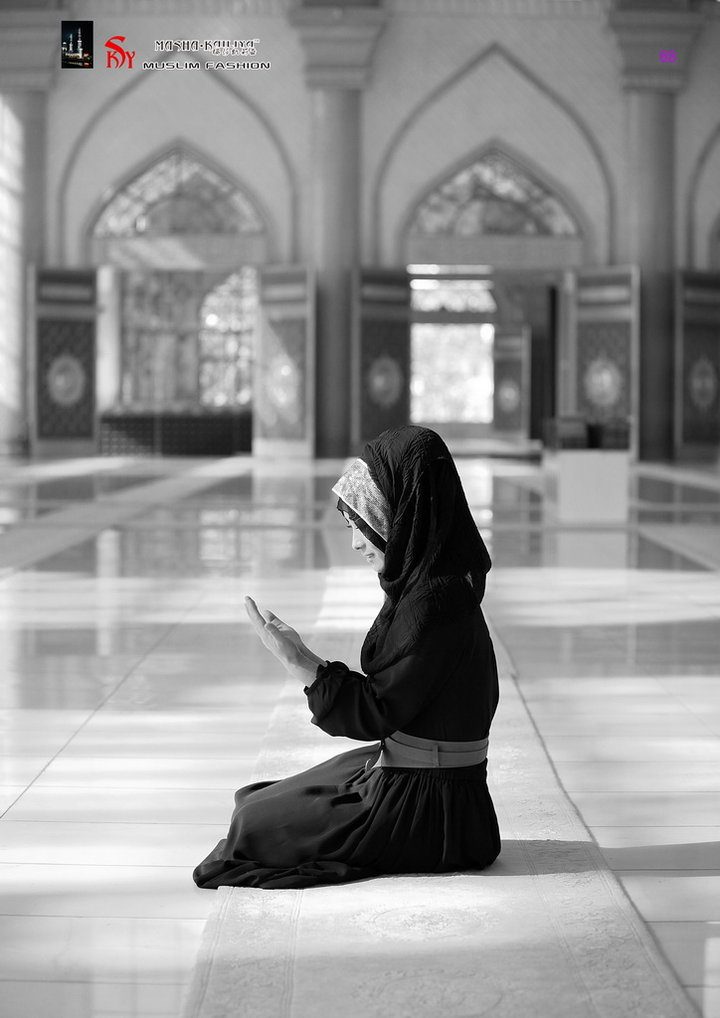
- The Great Mosque's quiet courtyards — incense, moon gates, not a minaret in sight
- Huajue Lane at dusk when the grills fire up and the pomegranate presses start turning
- The narrower lanes off the main drag — two turns and you're in locals' breakfast territory
Getting there
Metro Line 2 to Zhonglou (Bell Tower); the quarter starts on the tower's northwest side, a five-minute walk.
Tips
- Eat standing and walking — roujiamo, liangpi, one skewer at a time; a sit-down banquet here misses the point
- Cash and WeChat/Alipay both work at stalls; carry small notes for the older vendors
- Friday midday is jummah prayer — the mosque area is liveliest and most authentic then
Photos


More in Xi'an
- Big Wild Goose Pagoda
Tang-dynasty Buddhist pagoda with nightly musical fountain.
- Terracotta Army
8,000 life-size clay warriors guarding Emperor Qin Shi Huang since 210 BC.
- Xi'an City Wall
Ride a bicycle on the best-preserved Ming city wall in China.
- Emperor Qinshihuang's Mausoleum Site Museum
Discovered by villager Yang Zhifa while digging a well in 1974, the "Eighth Wonder of the World": Over 6,000 terracotta warriors in the First Pit infantry formation with "a thousand faces, a thousand looks"; the Second Pit features mixed arms formations and kneeling archers and green-faced figures; the Third Pit is the command headquarters; the Bronze Chariot and Horse Museum's First Chariot and Second Chariot are known as the "Crown of Bronze..."
- Emperor Qinshihuang's Mausoleum (Lishan Garden)
The resting place of China's first emperor (built for 38 years, mobilizing 720,000 laborers): The burial mound has not been excavated—legends state it was "filled with mercury to simulate rivers, lakes, and seas" to mimic the terrain, which awaits archaeological verification; pit burials such as the Acrobatics Pit, Civil Official Pit, and Stone Armor Pit display the skills of various trades in the Qin Dynasty.
- Huaqing Palace (Huaqing Pool · Lishan)
The site of King You of Zhou's Liguang Palace and the hot spring palace expanded by Emperor Xuanzong of Tang: The ruins of the Haitang Bath (where Yang Guifei was granted a bath) and the other five sets of imperial bath ruins, such as the Xingchen Bath and the Lotus Bath, are the actual setting for the poetic scene of "Spring Cold, Bathing in Huaqing Pool."