Pingtan Island
Fujian's largest island ("island county of a thousand reefs"), Tannan Bay & Longwangtou Beach / Beigang Village stone houses / Changjiang'ao wind farm, "blue tears" spectacle (nightly Noctiluca, April-August) with a blue-tears chasing map
Visitor info
- Opening hours
- Open all day
- Ticket
- Free (some scenic spots charge admission)
Price is indicative — final quote on inquiry.
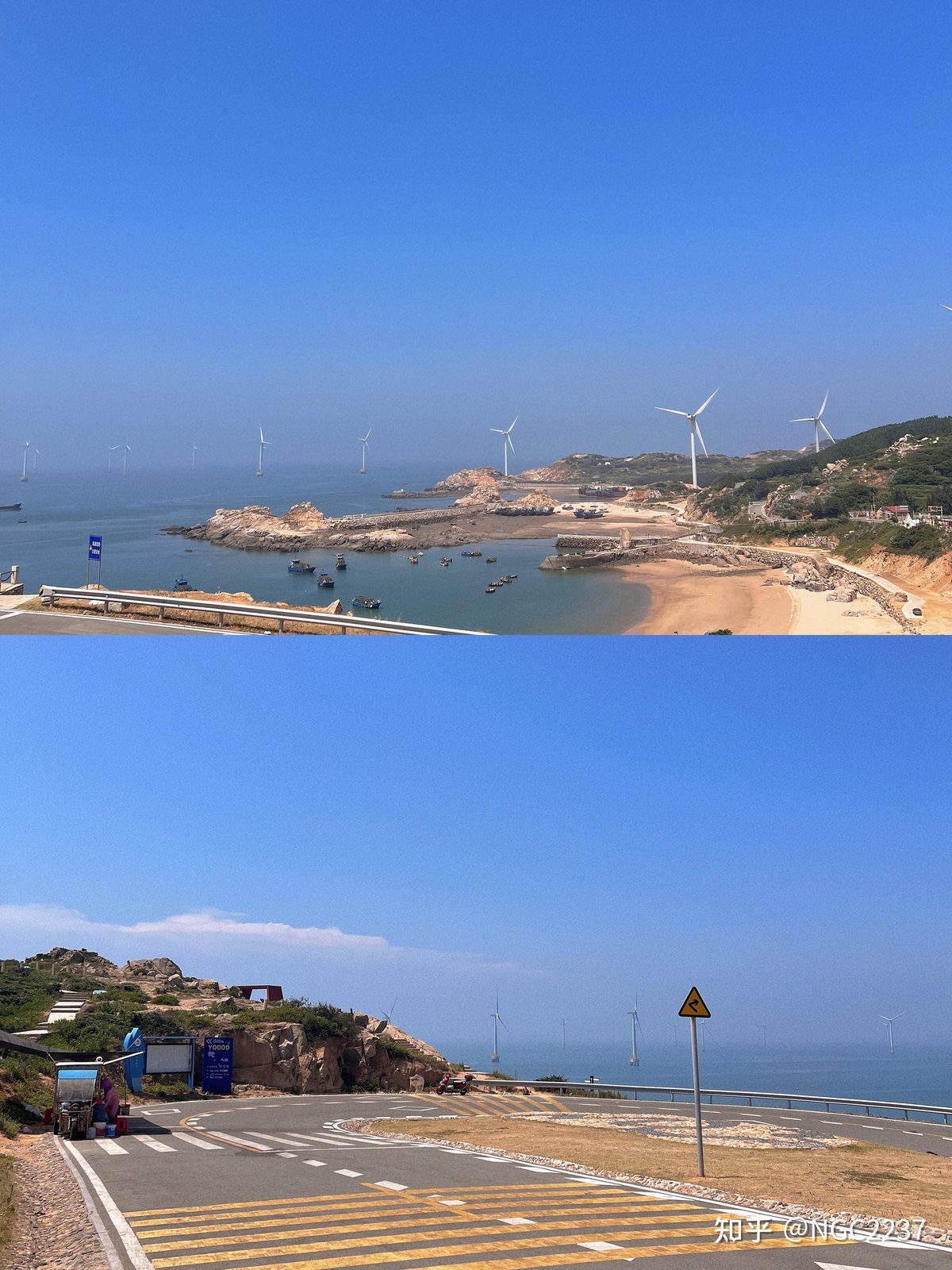
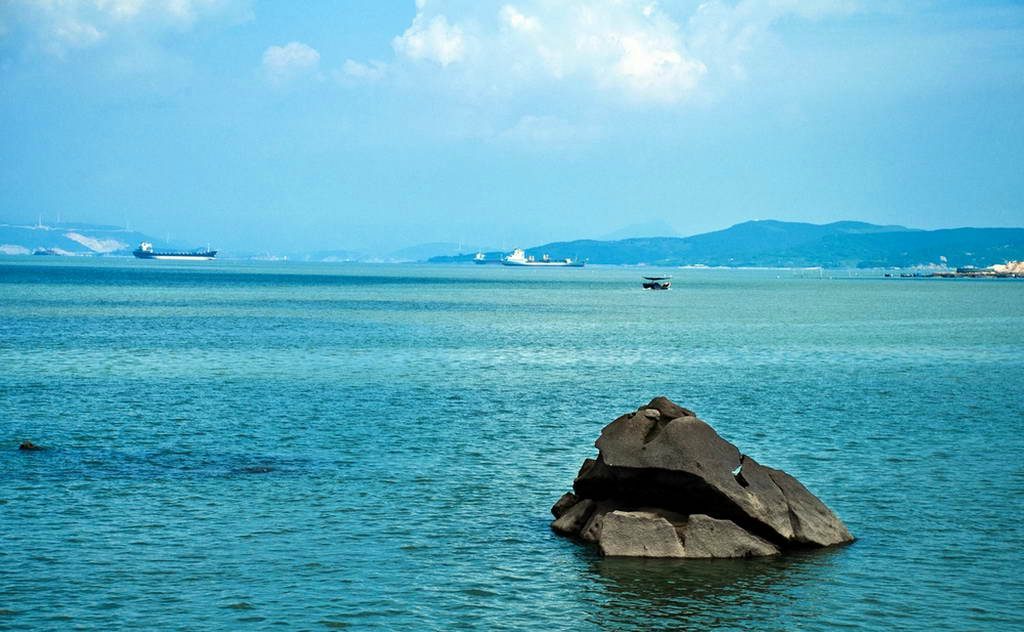
Fujian's largest island ("island county of a thousand reefs"), with Tannan Bay & Longwangtou Beach / Beigang Village stone houses / Changjiang'ao wind farm, the "blue tears" spectacle (nightly Noctiluca, April-August) and a blue-tears chasing map; the strait road-rail bridge (China's first combined road-and-rail cross-sea bridge). Fujian's largest island and the closest point on the mainland to Taiwan, long dubbed the "island county of a thousand reefs": Tannan Bay and Longwangtou Beach have fine sand and gentle waves; Beigang Village's hillside stone houses facing the sea are stacked from colorful tiles and stones and hailed as "singing stone houses"; the white turbines of the Changjiang'ao wind farm line the coast, striking backlit at sunset. From April to August, "blue tears" often appear at night — Noctiluca algae glow an eerie blue when disturbed — and chasing the tears is now the top reason young travelers flock to Pingtan; high-speed trains arrive directly across the strait road-rail bridge, e-bike rentals make an island loop easy, and Pingtan is the newest star of China's island travel.
Getting there: High-speed rail, Pingtan Station / self-drive (cross-sea bridge)
Photos
More in Fuzhou
- Three Lanes and Seven Alleys (Sanfang Qixiang)
"Museum of Ming and Qing architecture"—China's largest and best-preserved historic and cultural district: Yijin Fang / Wenru Fang / Guanglu Fang + Yangqiao Alley / Langguan Alley / Ta Alley / Huang Alley / Anmin Alley / Gong Alley / Jibi Alley
- Former Residence of Lin Juemin and Bing Xin
One courtyard, two famous figures ('Letter to My Wife' was written here)
- Former Residence of Yan Fu
Late-life home of Yan Fu, translator of 'Evolution and Ethics' (a Qing-dynasty flower hall), with displays of his "natural selection" manuscripts
- Water Pavilion Stage
A water stage in a private mansion built in the Ming Wanli era (Fuzhou's only surviving private water stage); Min opera / pingshu storytelling performances
- Nanhou Street (South Back Street)
The "central axis of lane culture," with time-honored shops for Shoushan stone carving, oil-paper umbrellas, and bodiless lacquerware; a chinaberry-tree streetscape
- Wuta (Black Pagoda) · Baita (White Pagoda)
The Tang-era "Jingguang Pagoda" (Wuta, stone octagonal seven-story) and Dingguang Pagoda (Baita, brick-built), Fuzhou's "Two Pagodas" landmarks facing each other from Yu Hill and Wu Hill (the "Three Hills and Two Pagodas" layout of the old city)