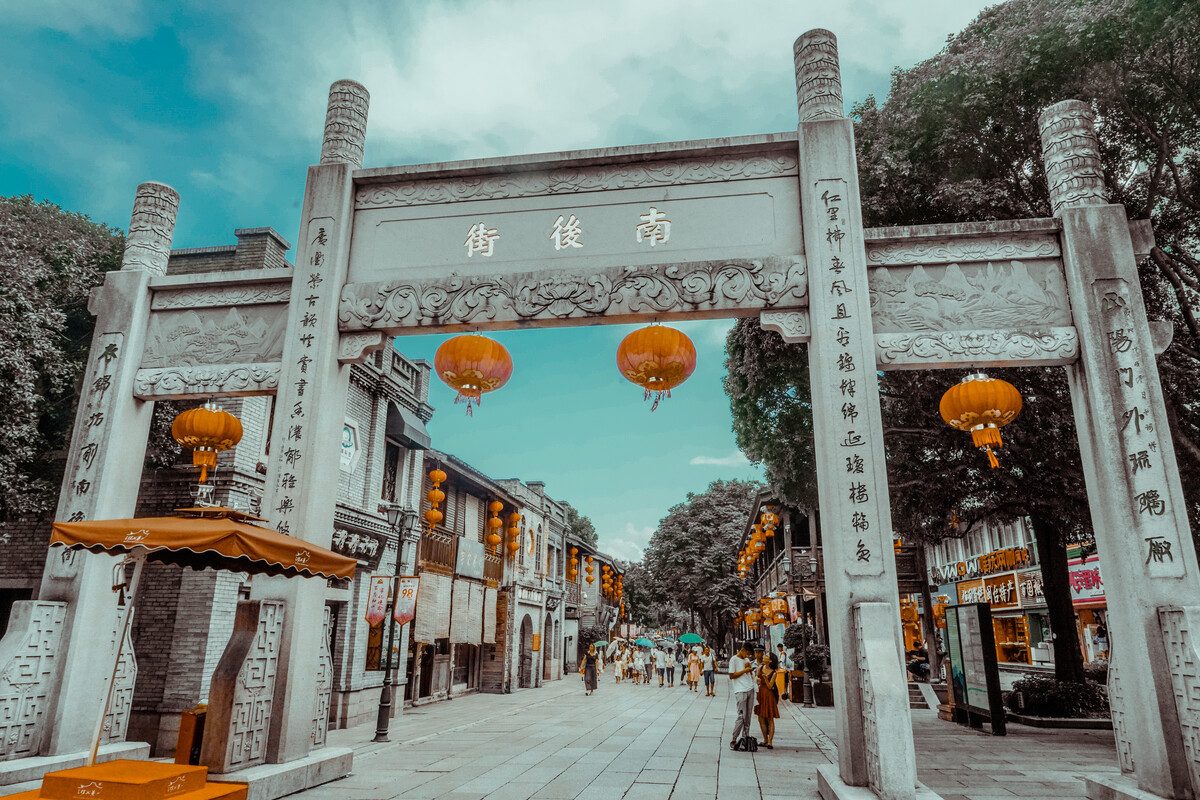
Three Lanes and Seven Alleys (Sanfang Qixiang)
"Museum of Ming and Qing architecture"—China's largest and best-preserved historic and cultural district: Yijin Fang / Wenru Fang / Guanglu Fang + Yangqiao Alley / Langguan Alley / Ta Alley / Huang Alley / Anmin Alley / Gong Alley / Jibi Alley
Visitor info
- Opening hours
- Open all day / sites 08:30-17:00
- Ticket
- Area free · Combined ticket approx. CNY 120 (individual sites charged separately)
Price is indicative — final quote on inquiry.
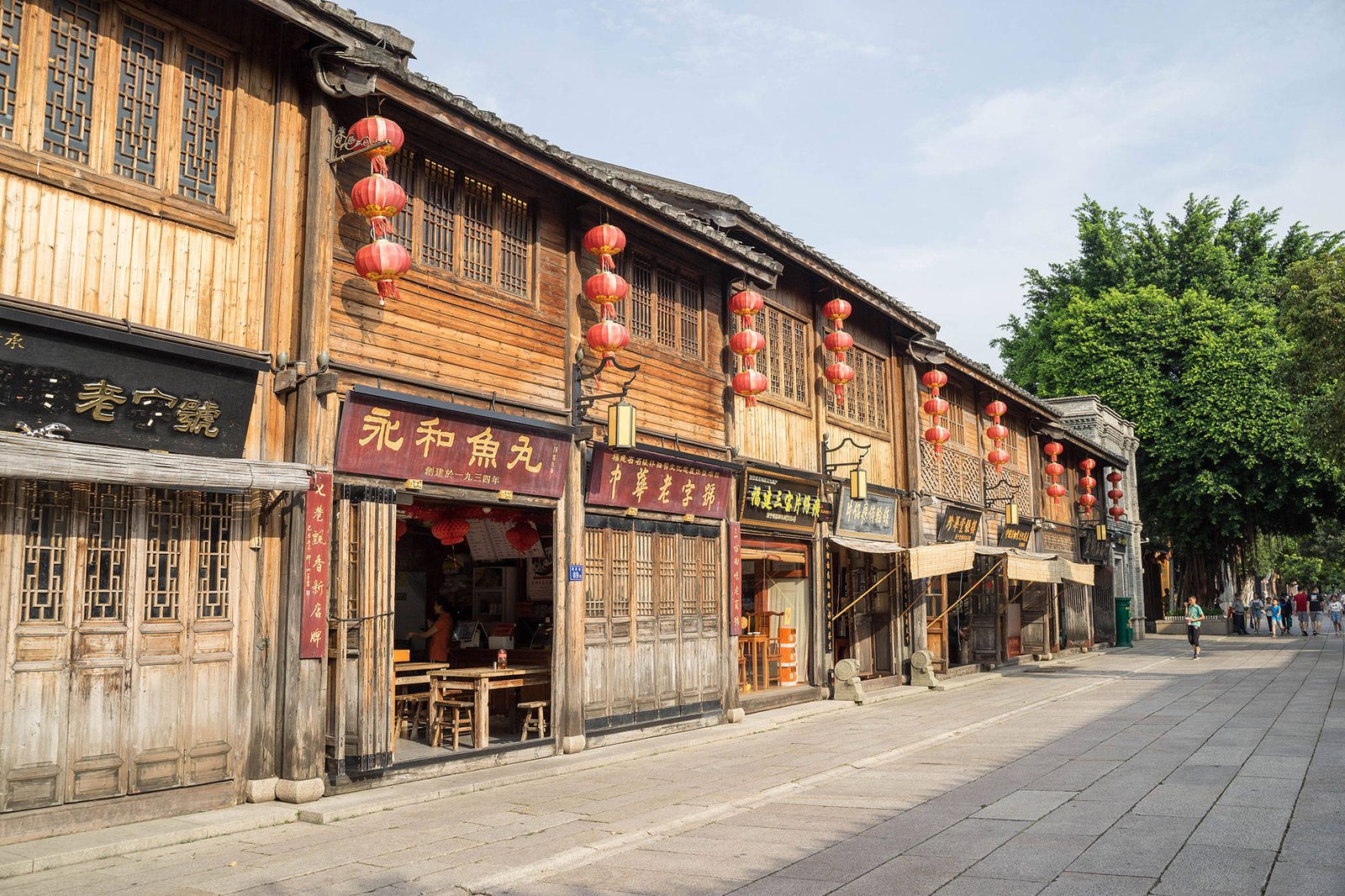
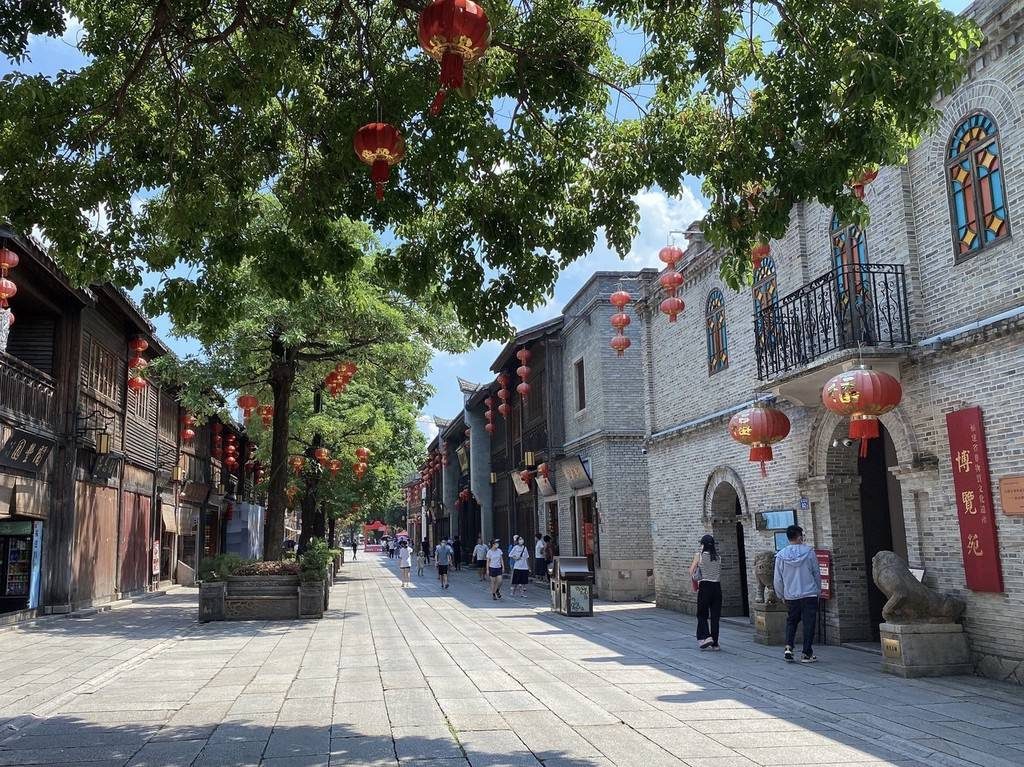
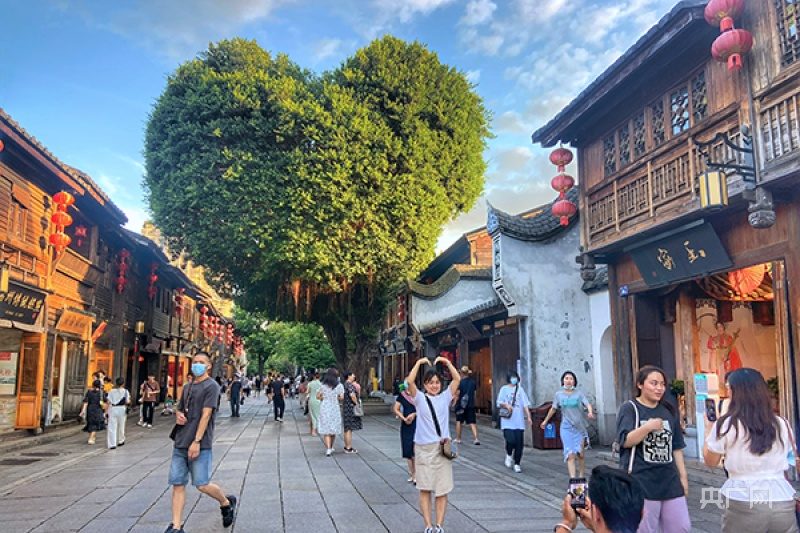
"Museum of Ming and Qing architecture"—China's largest and best-preserved historic and cultural district: Yijin Fang / Wenru Fang / Guanglu Fang + Yangqiao Alley / Langguan Alley / Ta Alley / Huang Alley / Anmin Alley / Gong Alley / Jibi Alley; the Water Pavilion Stage (Yijin Fang) and the lanterns of Nanhou Street; the Former Residence of Lin Juemin and Bing Xin (No. 17 Yangqiao Alley, where 'Letter to My Wife' was written), the Former Residence of Yan Fu (Langguan Alley), and the Former Residence of Shen Baozhen (Gong Alley). Emerging in the Jin dynasty, taking shape through the Tang and Song, and flourishing in the Ming and Qing, this "living fossil of the ancient ward system" arranges its three fang and seven alleys in a row from west to east, with white walls, dark tiles, and saddle-shaped firewalls stretching in unbroken sheets—earning the title "Museum of Ming and Qing architecture." Modern figures such as Lin Zexu, Shen Baozhen, Yan Fu, Lin Juemin, and Bing Xin all walked out of these lanes, hence the saying "one stretch of the Three Lanes and Seven Alleys, half of modern Chinese history." With lanes crisscrossing on either side of the Nanhou Street axis, the sound of Min opera at the Water Pavilion Stage mingles with the old-Fuzhou flavors of fish balls and rouyan, making it Fuzhou's undisputed calling card.
Getting there: Metro Line 1, Dongjiekou Station
Photos
More in Fuzhou
- Former Residence of Lin Juemin and Bing Xin
One courtyard, two famous figures ('Letter to My Wife' was written here)
- Former Residence of Yan Fu
Late-life home of Yan Fu, translator of 'Evolution and Ethics' (a Qing-dynasty flower hall), with displays of his "natural selection" manuscripts
- Water Pavilion Stage
A water stage in a private mansion built in the Ming Wanli era (Fuzhou's only surviving private water stage); Min opera / pingshu storytelling performances
- Nanhou Street (South Back Street)
The "central axis of lane culture," with time-honored shops for Shoushan stone carving, oil-paper umbrellas, and bodiless lacquerware; a chinaberry-tree streetscape
- Wuta (Black Pagoda) · Baita (White Pagoda)
The Tang-era "Jingguang Pagoda" (Wuta, stone octagonal seven-story) and Dingguang Pagoda (Baita, brick-built), Fuzhou's "Two Pagodas" landmarks facing each other from Yu Hill and Wu Hill (the "Three Hills and Two Pagodas" layout of the old city)
- Yantai Hill Historic District
A consular district of 17 nations after Fuzhou opened as a treaty port in 1844 (a "museum of international architecture"); Cangshan's old Western houses (Shicuo Church / former US Consulate site); artsy boutiques and coffee lanes (Librairie Avant-Garde at 2 Aiguo Road)