Yantai Hill Historic District
A consular district of 17 nations after Fuzhou opened as a treaty port in 1844 (a "museum of international architecture"); Cangshan's old Western houses (Shicuo Church / former US Consulate site); artsy boutiques and coffee lanes (Librairie Avant-Garde at 2 Aiguo Road)
Visitor info
- Opening hours
- All day
- Ticket
- Free
Price is indicative — final quote on inquiry.
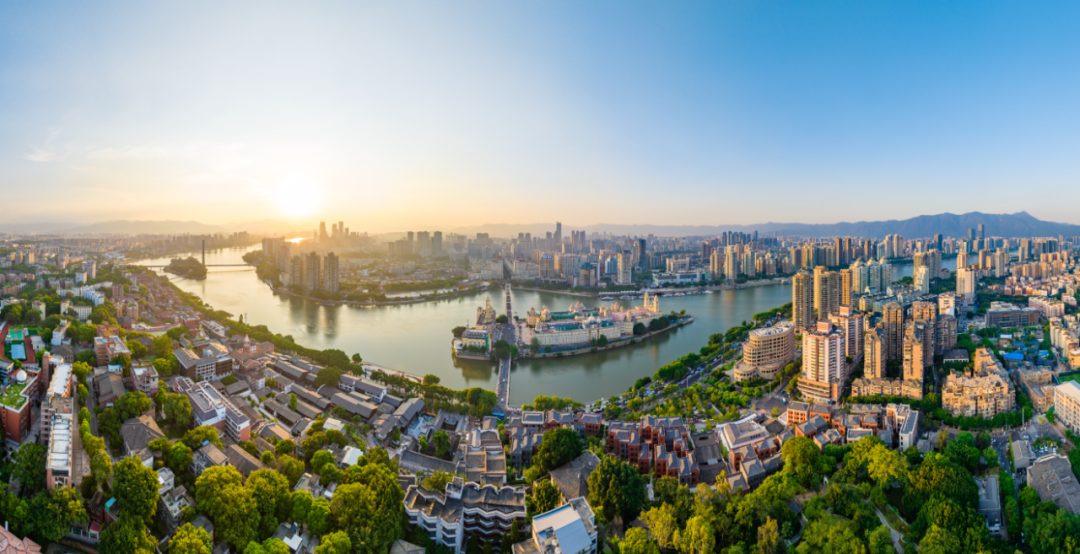
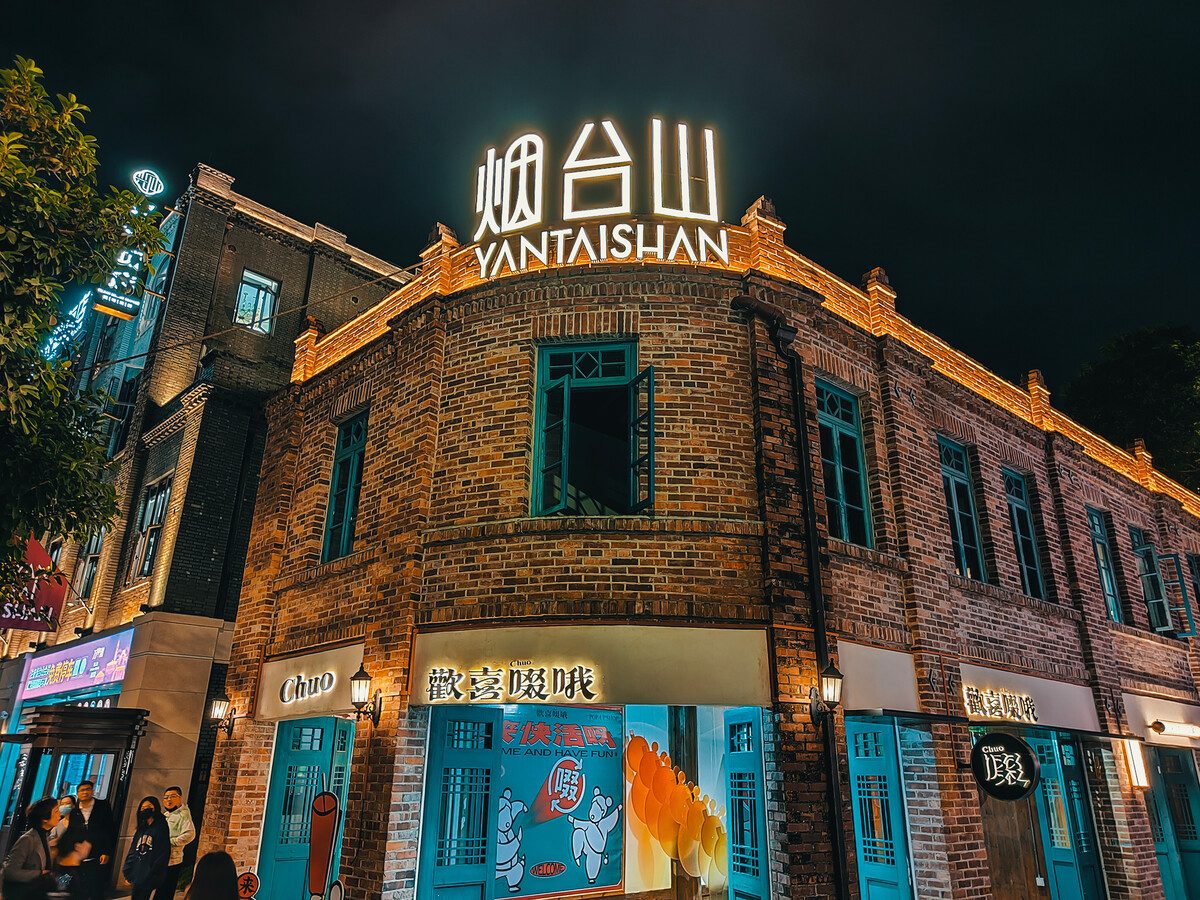
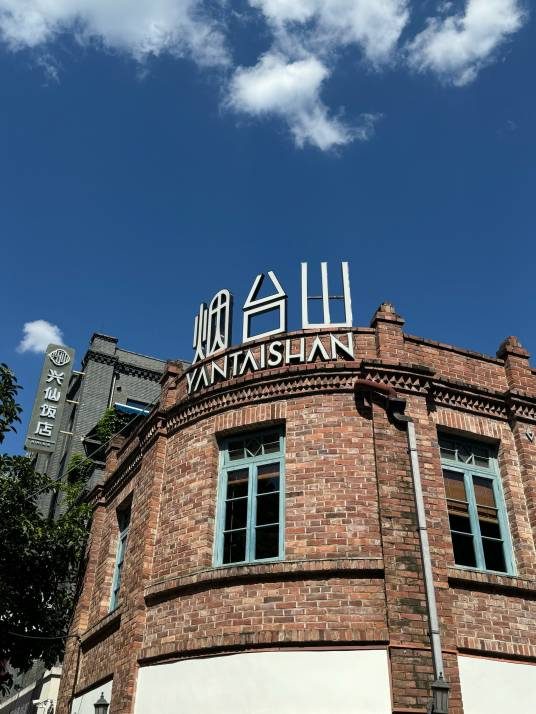
A consular district of 17 nations after Fuzhou opened as a treaty port in 1844 (a "museum of international architecture"); Cangshan's old Western houses (Shicuo Church / former US Consulate site); artsy boutiques and coffee lanes (Librairie Avant-Garde at 2 Aiguo Road). After Fuzhou opened as a treaty port in 1844, various countries set up consulates, trading houses and churches around Yantai Hill in Cangshan; at its height, consular missions from 17 countries gathered here, and Western-style buildings in Gothic, Romanesque and Victorian styles grew scattered along the hillside, earning it the title "museum of international architecture". The grey-stone facade of Shicuo Church (Stone Chapel) and the colonnaded old building of the former US Consulate have weathered a century yet retain their charm; in recent years the old houses have been progressively revitalized — Librairie Avant-Garde at 2 Aiguo Road and one coffee lane after another have given the old quarter a renewed artsy air, and the mix of slope-side strolls, old Western houses and coffee makes it Fuzhou's most photogenic neighborhood.
Getting there: Metro Line 1, Shangteng Station
Photos
More in Fuzhou
- Three Lanes and Seven Alleys (Sanfang Qixiang)
"Museum of Ming and Qing architecture"—China's largest and best-preserved historic and cultural district: Yijin Fang / Wenru Fang / Guanglu Fang + Yangqiao Alley / Langguan Alley / Ta Alley / Huang Alley / Anmin Alley / Gong Alley / Jibi Alley
- Former Residence of Lin Juemin and Bing Xin
One courtyard, two famous figures ('Letter to My Wife' was written here)
- Former Residence of Yan Fu
Late-life home of Yan Fu, translator of 'Evolution and Ethics' (a Qing-dynasty flower hall), with displays of his "natural selection" manuscripts
- Water Pavilion Stage
A water stage in a private mansion built in the Ming Wanli era (Fuzhou's only surviving private water stage); Min opera / pingshu storytelling performances
- Nanhou Street (South Back Street)
The "central axis of lane culture," with time-honored shops for Shoushan stone carving, oil-paper umbrellas, and bodiless lacquerware; a chinaberry-tree streetscape
- Wuta (Black Pagoda) · Baita (White Pagoda)
The Tang-era "Jingguang Pagoda" (Wuta, stone octagonal seven-story) and Dingguang Pagoda (Baita, brick-built), Fuzhou's "Two Pagodas" landmarks facing each other from Yu Hill and Wu Hill (the "Three Hills and Two Pagodas" layout of the old city)