Shaxi Ancient Town
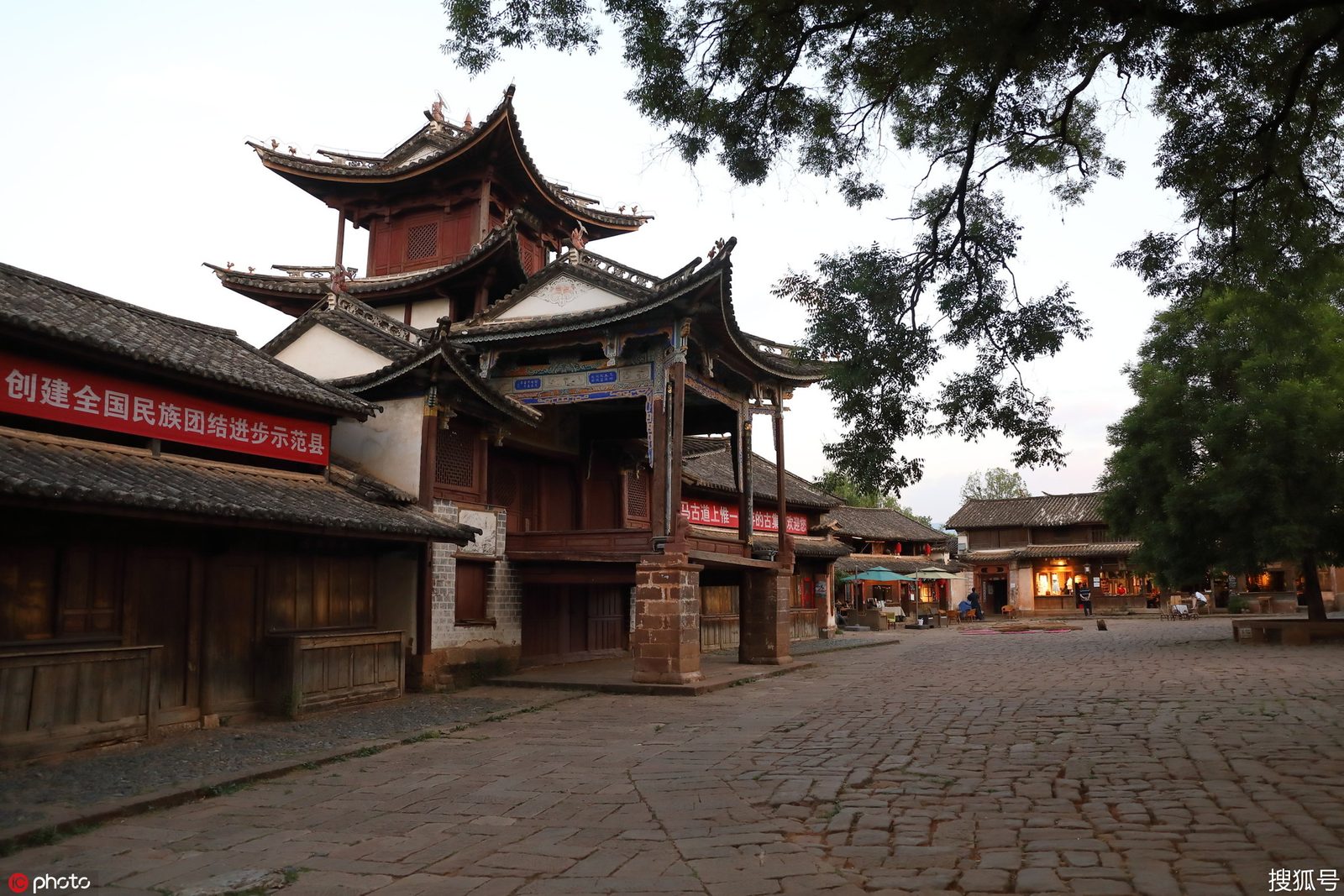
The only surviving ancient market town on the Yunnan–Tibet Tea Horse Road; Sideng Street's Sifangjie (square street) layout is intact; Xingjiao Temple is a Ming-dynasty Bai Azhali (Esoteric Buddhist) temple and one of the very few Azhali temples still surviving in China
Visitor info
- Opening hours
- Open all day
- Ticket
- Free (Sifangjie square)
Price is indicative — final quote on inquiry.
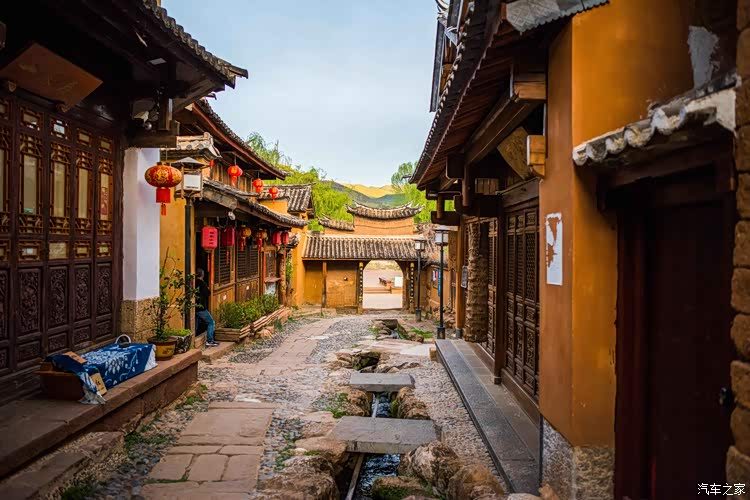
The only surviving ancient market town on the Yunnan–Tibet Tea Horse Road; Sideng Street's Sifangjie (square street) layout is intact; Xingjiao Temple is a Ming-dynasty Bai Azhali (Esoteric Buddhist) temple and one of the very few Azhali temples still surviving in China; in 2001 the Shaxi Sideng Street area was inscribed on the World Monuments Watch list, and the subsequent Sino-Swiss restoration project became a model of living heritage conservation for ancient towns. Yujin Bridge spans the Heihui River, traces of the horse-caravan culture linger, and backpackers call it "Lijiang twenty years ago".
Getting there: Self-drive from Dali (approx. 100 km) / transfer at Jianchuan
Photos
More in Dali
- Dali Old Town
Ancient capital of both the Nanzhao Kingdom and the Dali Kingdom; the present square walled city was built in the 15th year of the Ming Hongwu era (1382) after Mu Ying and Lan Yu pacified Yunnan, with all four gate towers still standing; the layout of "a stream around Cangshan, Cangshan embracing the old town" endures to this day
- Three Pagodas of Chongsheng Temple
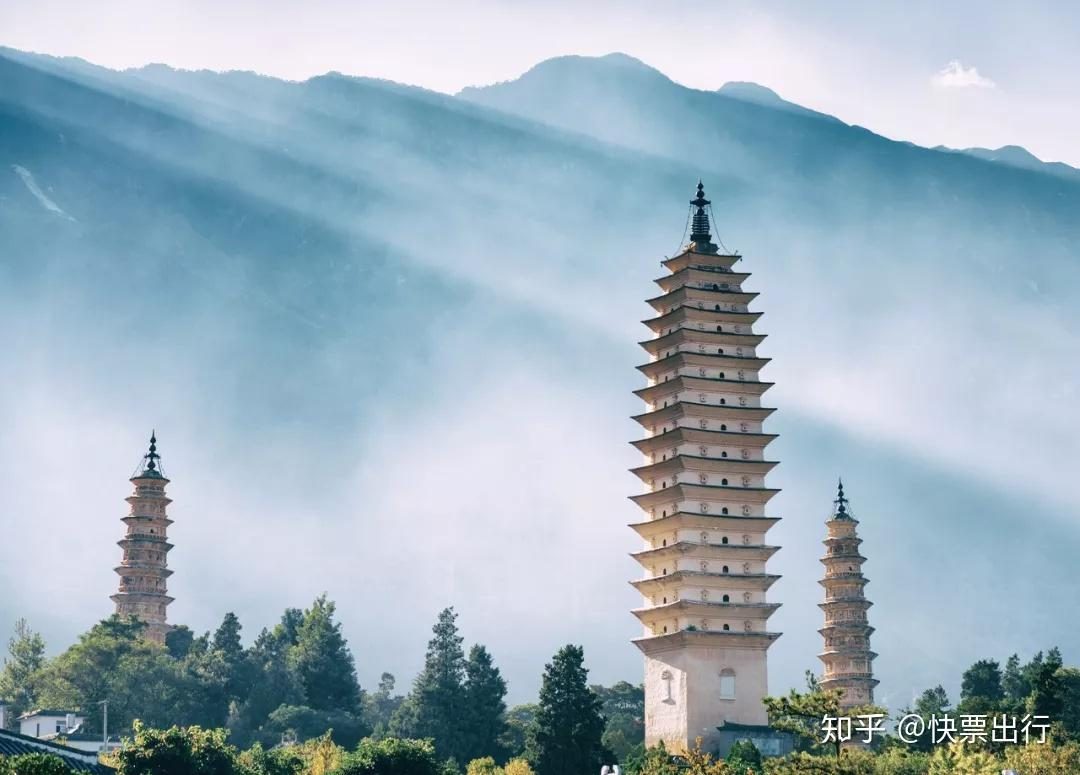
The surviving core of Chongsheng Temple, the royal monastery of the Dali Kingdom; the main Qianxun Pagoda was built during the reign of Quanfengyou of Nanzhao — a typical Tang-dynasty dense-eaved, hollow brick pagoda 69.13 m tall — with two smaller pagodas added in the Song dynasty on either side
- Cangshan Mountain (Diancangshan)
Nineteen peaks lining the west side of the Dali basin, with the main peak Malong at 4,122 m; every peak keeps snow and every stream flows into Erhai Lake; "Cangshan Snow" heads the four famous scenes of "wind, flowers, snow and moon", and the area is now a UNESCO Global Geopark
- Erhai Lake
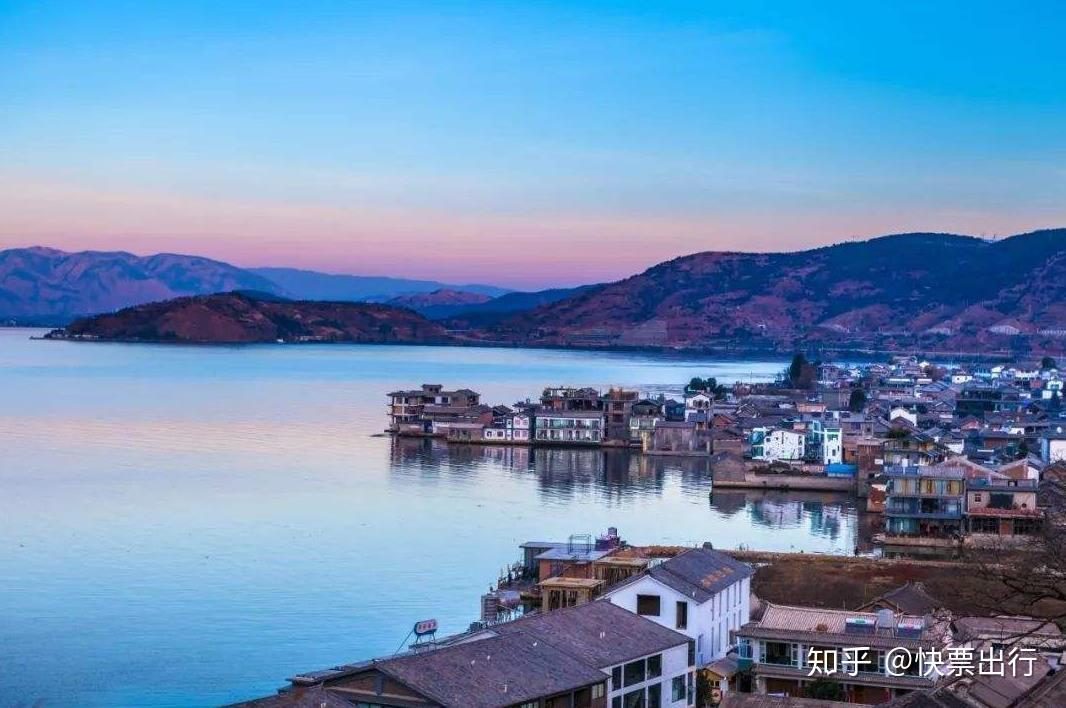
Yunnan's second-largest plateau freshwater lake, named for its ear-like shape; the lake covers about 250 sq km, and "Erhai Moon" is one of the four famous scenes of "wind, flowers, snow and moon"
- Xizhou Ancient Town
The largest Bai ethnic market town on the west shore of Erhai Lake, famed since the Ming and Qing dynasties for the 'Xizhou merchant guild'; in the Republican era the four great families—Yan, Dong, Yin and Yang—ran tuocha tea and import-export trade reaching as far as Southeast Asia
- Shuanglang Ancient Town
A fishing village on the east shore of Erhai Lake, famed as the 'top town for Cangshan and lake views' and grown into an art enclave around the lake: dancer Yang Liping's Sun Palace and painter Zhao Qing's Qinglu 'Moon Palace' stand by the water, making it the birthplace of Erhai guesthouse aesthetics