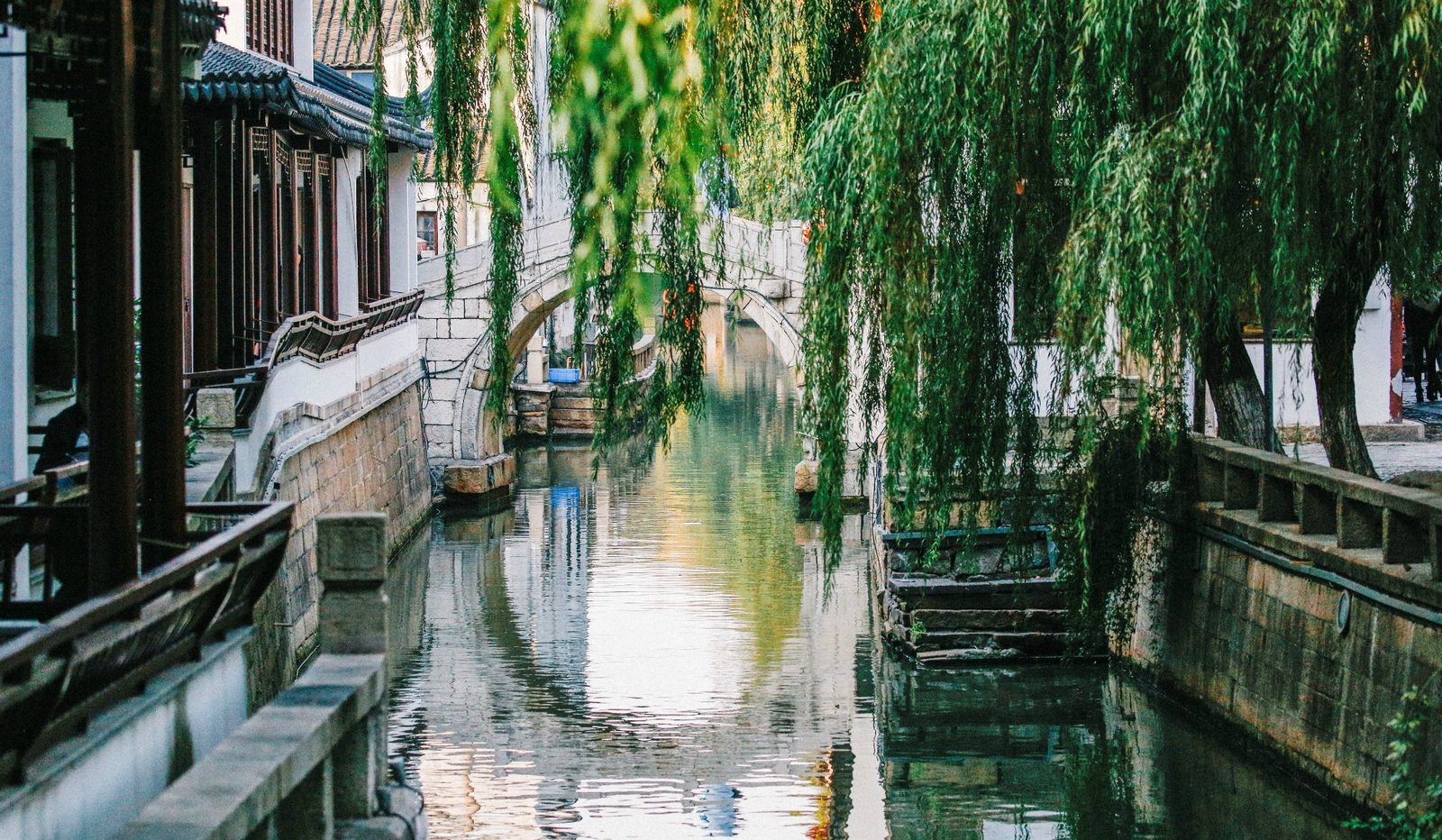
Master of the Nets Garden
Site of Southern Song Shi Zhengzhi's Wanjuan Hall ('Fisherman's Retreat'); rebuilt in the Qianlong era of the Qing by Song Zongyuan as the 'Master of the Nets' (fisherman, his self-styled name)
Visitor info
- Opening hours
- 07:30-17:30 (night garden Apr-Oct 19:30-22:00, night show priced separately)
- Ticket
- CNY 40
Price is indicative — final quote on inquiry.
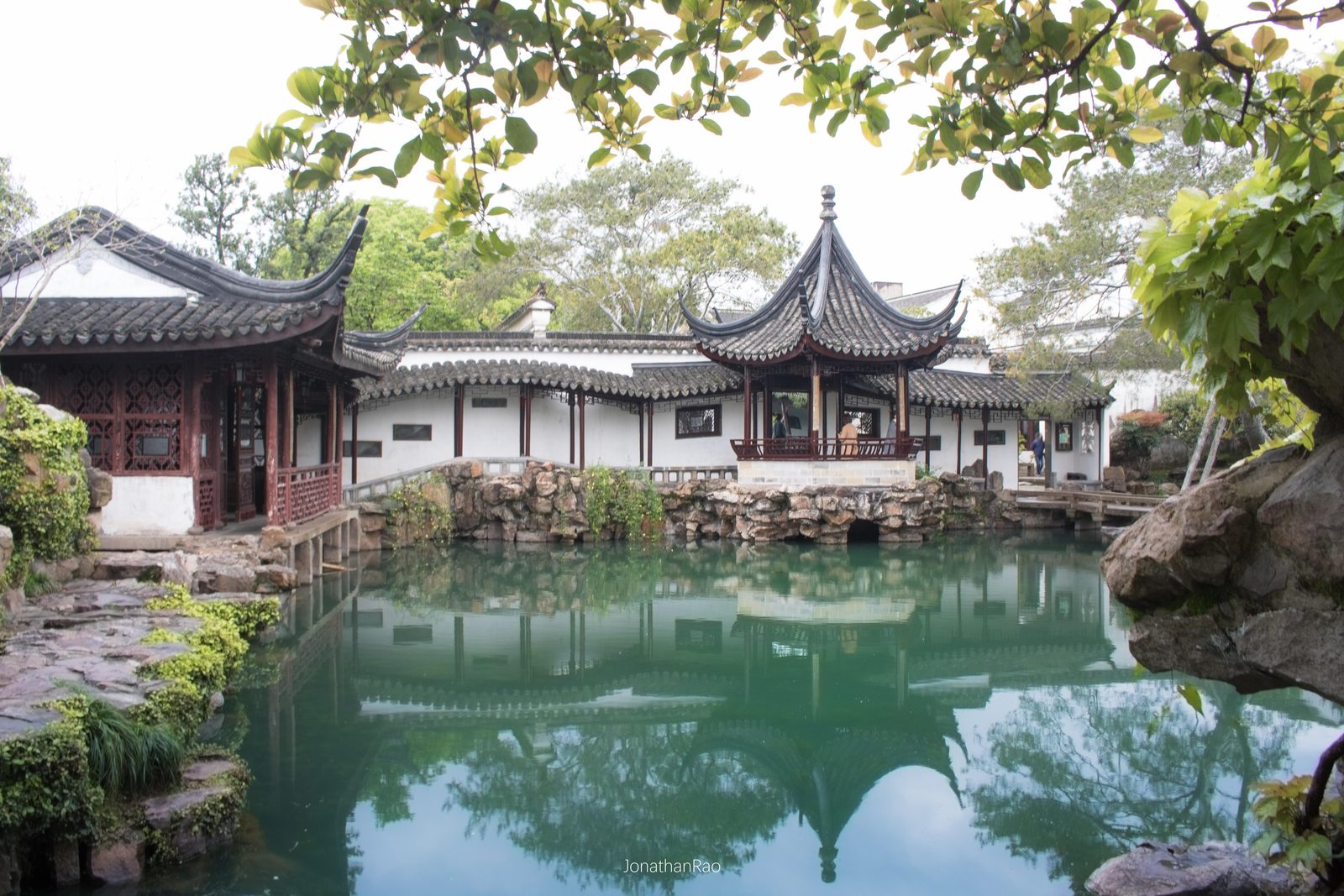
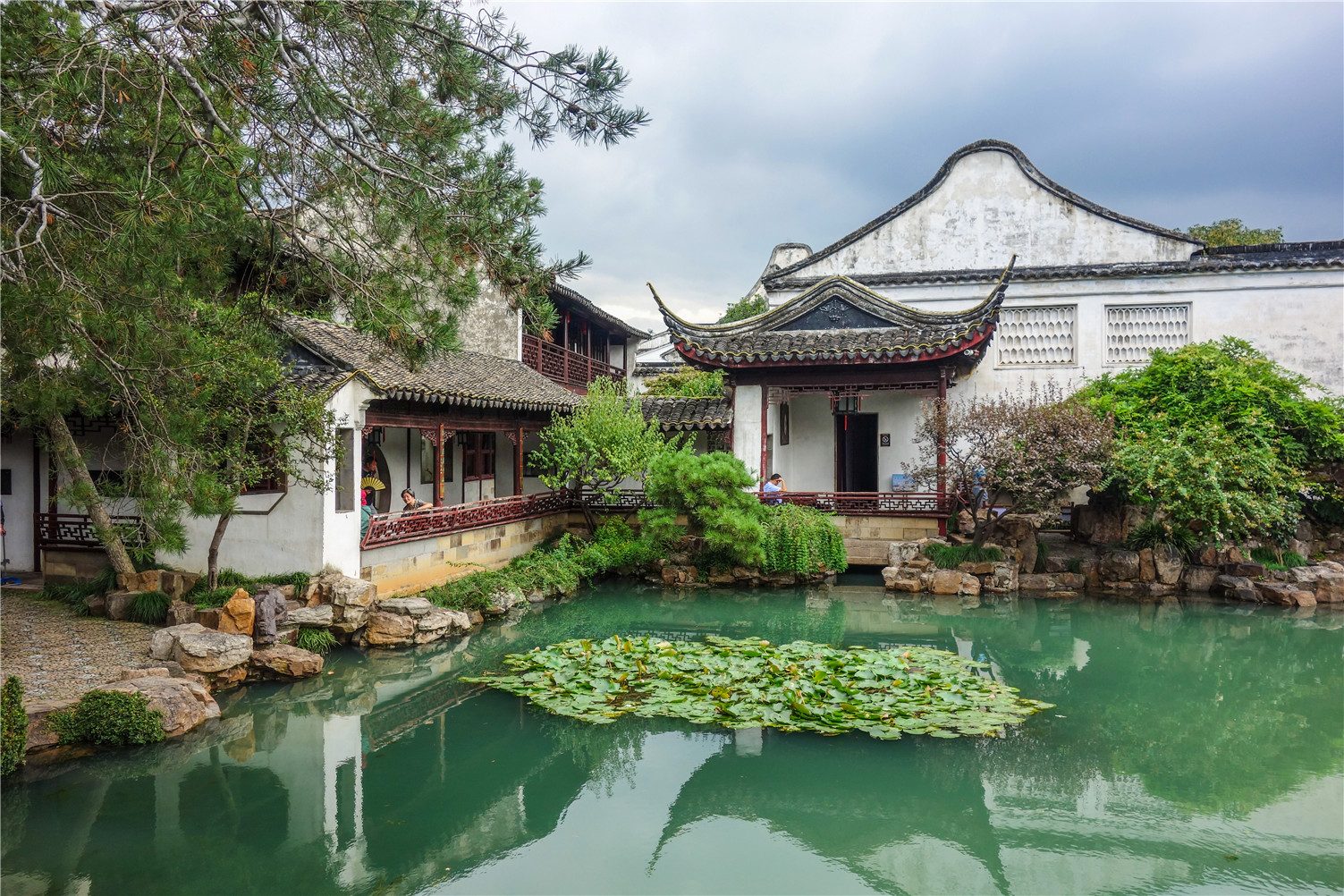
Site of Southern Song Shi Zhengzhi's Wanjuan Hall ('Fisherman's Retreat'); rebuilt in the Qing Qianlong era by Song Zongyuan as the 'Master of the Nets' (fisherman, his self-styled name); a small garden perfected (8 mu, about 1.3 acres), with the Yuedao Fenglai Pavilion (Moon-Rising, Wind-Coming Pavilion) and the Dianchunyi courtyard (the model for the 'Ming Xuan' Astor Court at New York's Metropolitan Museum of Art); a night garden 'Wangshi Xiyu' (Tales of the Master of the Nets) with a folk-performance tour. In the Southern Song, Shi Zhengzhi built Wanjuan Hall and styled himself 'Fisherman's Retreat'; in the Qing Qianlong era Song Zongyuan rebuilt it and took the name 'Master of the Nets' (fisherman). Its eight mu (about 1.3 acres) are widely held to be the pinnacle of Suzhou's small gardens: on a postage-stamp plot it creates a complete space of hills, pond and halls, and its mastery of scale is a classic case study in architecture. The Yuedao Fenglai Pavilion sits by the pond for moon-viewing, its couplet 'the moon reaches the heart of the sky, the wind arrives over the water' capturing the Mid-Autumn mood perfectly; the Dianchunyi courtyard is keyed by a single peony, and in 1980 a replica, the 'Ming Xuan' (Astor Court), was built to its design for the Metropolitan Museum of Art in the USA, becoming Chinese garden design's calling card to the world. From April to October the night garden 'Wangshi Xiyu' threads Kunqu opera, pinghua storytelling and guqin music through the evening scenery; a lantern-lit night tour found nowhere else among Suzhou's gardens.
Getting there: Bus / by taxi (Shiquan Street)
Photos
More in Suzhou
- Humble Administrator's Garden
Built in the fourth year of the Ming Zhengde reign (1509) by Wang Xianchen, with Wen Zhengming participating in the design, the 'Mother of Chinese Gardens' (a representative Jiangnan garden): Hall of Distant Fragrance / Little Flying Rainbow (Suzhou's only covered bridge) / 'With Whom Shall I Sit' Pavilion
- Suzhou Museum (Main Building)
I.M. Pei's final masterpiece (opened 2006), 'Chinese yet new, Suzhou yet new'; the sliced-rock hillside borrows the white wall of the Humble Administrator's Garden as its backdrop
- Lion Grove Garden
Built in 1342 (2nd year of the Yuan Zhizheng era) by Zen Master Tianru (Lion Grove Chan Temple); a labyrinth of Taihu Lake rockeries ('kingdom of rockeries', nine interweaving routes); Emperor Qianlong visited six times and inscribed 'True Delight'
- Lingering Garden
Xu Taishi built the East Garden in the Ming Wanli era; Liu Shu's Hanbi (Cold Green) Villa in the Qing dynasty
- Canglang Pavilion
Built in 1045 (5th year of the Northern Song Qingli era) by Su Shunqin, Suzhou's oldest surviving garden ('scenery before you enter the gate' — double corridor with lattice windows); the famous couplet 'A clear breeze and bright moon are priceless' (assembled from lines by Ouyang Xiu and Su Shunqin)
- Couple's Retreat Garden
A former garden of the Yongzheng-era Baoning Prefecture prefect; rebuilt in the Tongzhi era by Shen Bingcheng — 'Couple's Garden where a good couple dwells' (Zaijiu Hall); East Garden's yellow-stone rockery (surviving Ming-era stones)